

readwithpride.com
The Moment I Knew Something Was Wrong
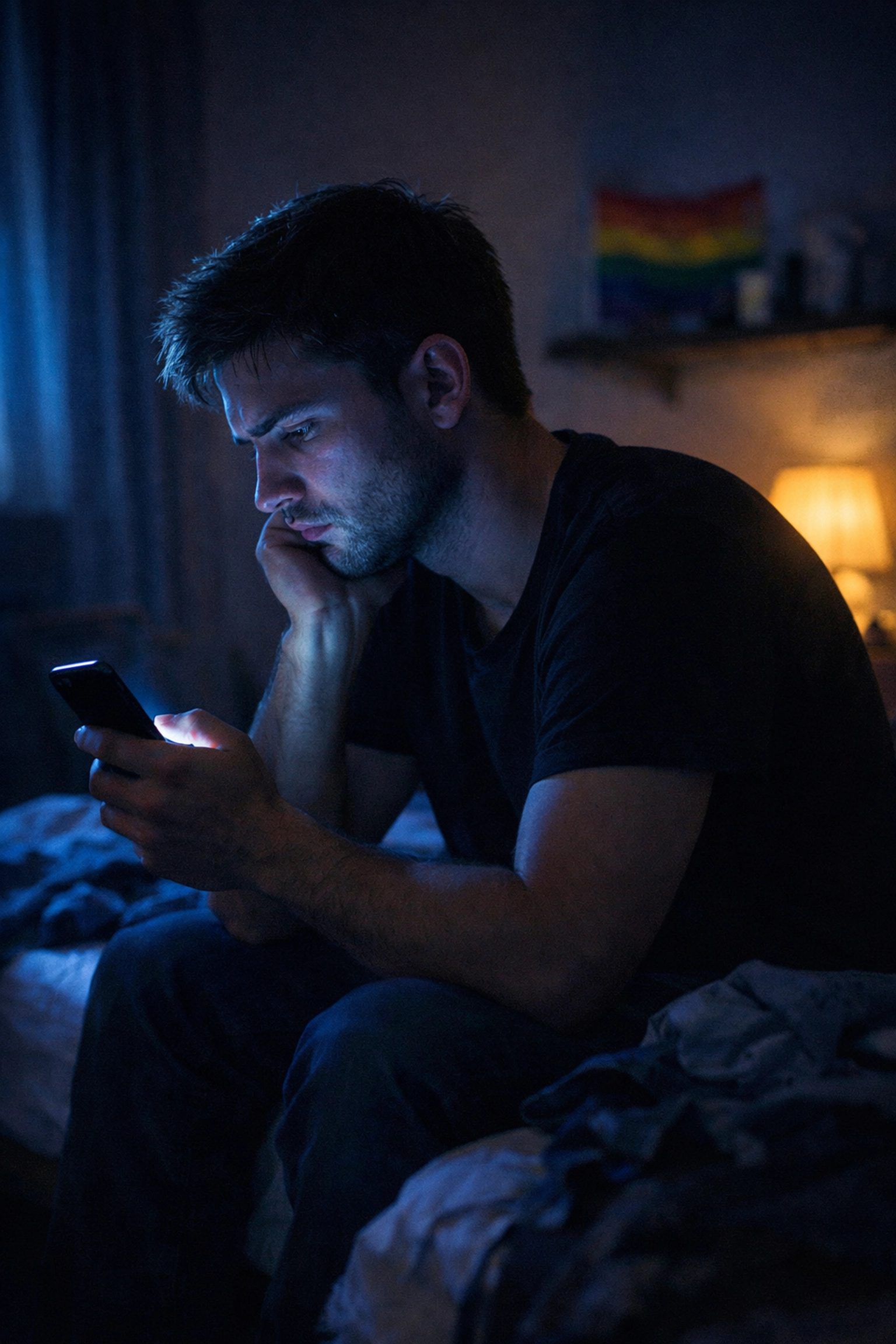
There's this specific night I remember. I was supposed to meet my boyfriend for dinner, a real date, the kind where you dress up and actually talk to each other. Instead, I was three hours deep into a porn binge, phone in hand, door locked, telling him I was "running late at work." That was the moment the shame hit differently. Not the usual guilt that fades after you close the browser. This was deeper. This was the realization that I'd chosen pixels over a person I genuinely cared about.
That's when I knew I had a problem.
For a long time, I convinced myself this was just a gay thing. That we're more sexual, more open, more liberated. And sure, the LGBTQ+ community has fought hard for sexual freedom, and that's beautiful. But there's a difference between healthy sexual expression and the kind of compulsive behavior that leaves you feeling hollow, isolated, and disconnected from the very intimacy you're craving.
How It Started and Why It Spiraled
Like most people in my generation, I discovered porn young. Way too young. Growing up queer in a small town meant I didn't have many real-life examples of what gay relationships looked like. So porn became my sex education, my fantasy world, and eventually, my escape hatch from everything, stress, loneliness, boredom, anxiety.
What started as curiosity became a habit. The habit became a routine. The routine became a dependency. And before I knew it, I was spending hours every day cycling through tabs, chasing that dopamine hit that kept getting harder to find.
The science behind this is actually pretty straightforward. Porn floods your brain with dopamine, the same neurotransmitter involved in addiction to drugs, gambling, or anything else that hijacks your reward system. Over time, you need more intensity, more novelty, more extreme content just to feel the same buzz. It's not about willpower or moral failure. It's about brain chemistry and learned behavior patterns.
The Cost Nobody Talks About
The real damage wasn't just the time I lost, though honestly, if I'd put those hours into learning piano or writing or literally anything else, I'd probably have a skill by now. The real cost was emotional and relational.
I became disconnected from real intimacy. When I was with actual partners, I struggled to be present. My expectations were warped by what I'd seen on screen. Real sex, with all its awkwardness, communication, and genuine connection, felt less exciting than the fantasy I could control with a few clicks.
My self-esteem tanked. I'd feel disgusted with myself after every session, promising "never again," only to find myself back at it the next day. The cycle of binge and shame became its own addiction.
And relationships? They suffered most. I was emotionally unavailable, secretive, and distant. I'd lie about small things to cover up my habit, which created this wall between me and the people who actually mattered.
Finding the Courage to Get Help
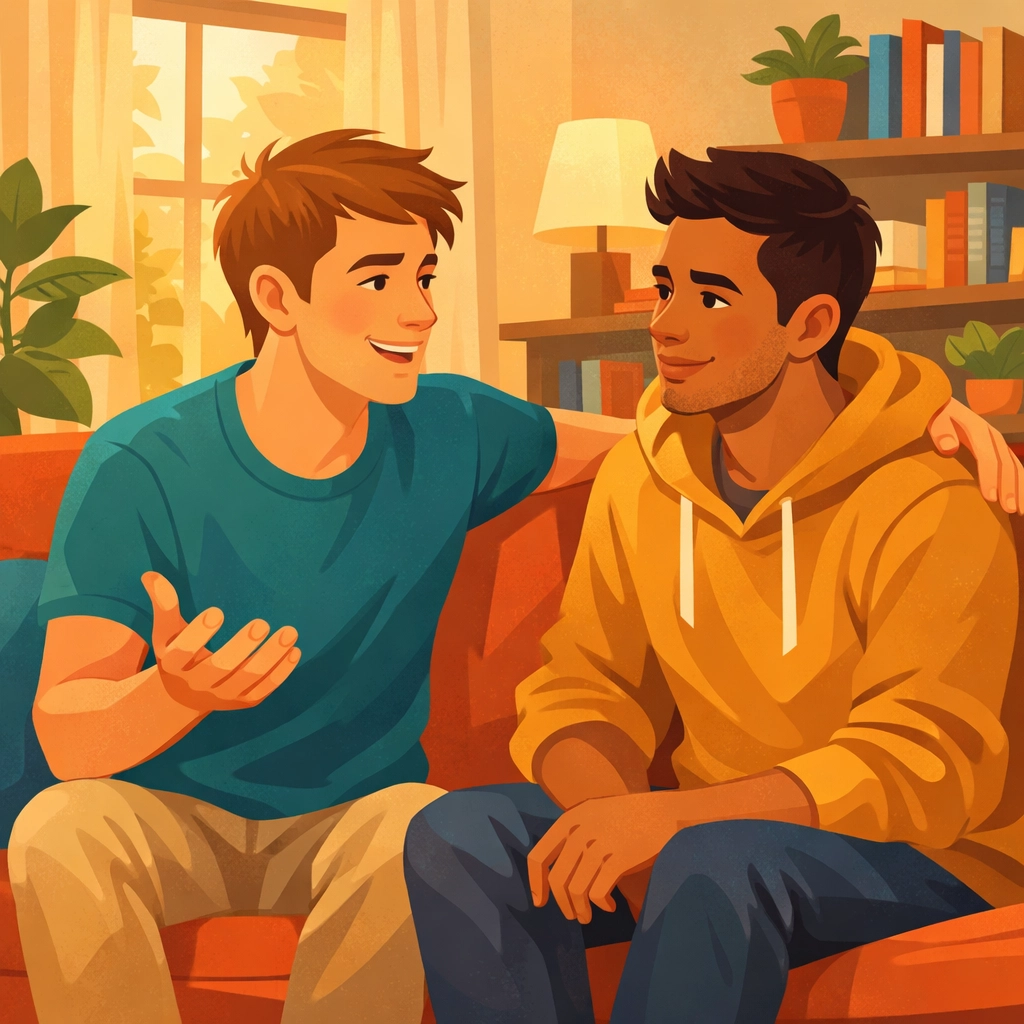
Breaking the cycle started with honesty. I finally admitted to my best friend what was going on. Just saying the words out loud, "I think I have a problem with porn", felt like releasing pressure from a valve. She didn't judge. She just listened. And that made all the difference.
Next, I found a therapist who specialized in sexual health and addiction. Cognitive-behavioral therapy (CBT) was a game-changer for me. We worked on identifying triggers, stress, loneliness, specific times of day, and developing healthier coping mechanisms. Instead of reaching for my phone when anxiety spiked, I learned to pause, breathe, and choose a different response.
I also discovered online support communities specifically for LGBTQ+ folks dealing with similar struggles. It helped to hear stories from other queer people who understood the unique challenges we face, the intersections of shame, identity, and sexuality that make this particularly complicated for us.
What Actually Helped Me Recover
Getting brutally honest with myself. I had to stop minimizing the problem or comparing myself to people I perceived as "worse off." My addiction was mine, and it deserved attention regardless of where it fell on some imaginary severity scale.
Accountability partners. I asked two trusted friends to check in with me regularly. Not to police me, but to create connection. Often, I'd reach out when I felt triggered, and just having a conversation would break the compulsive urge.
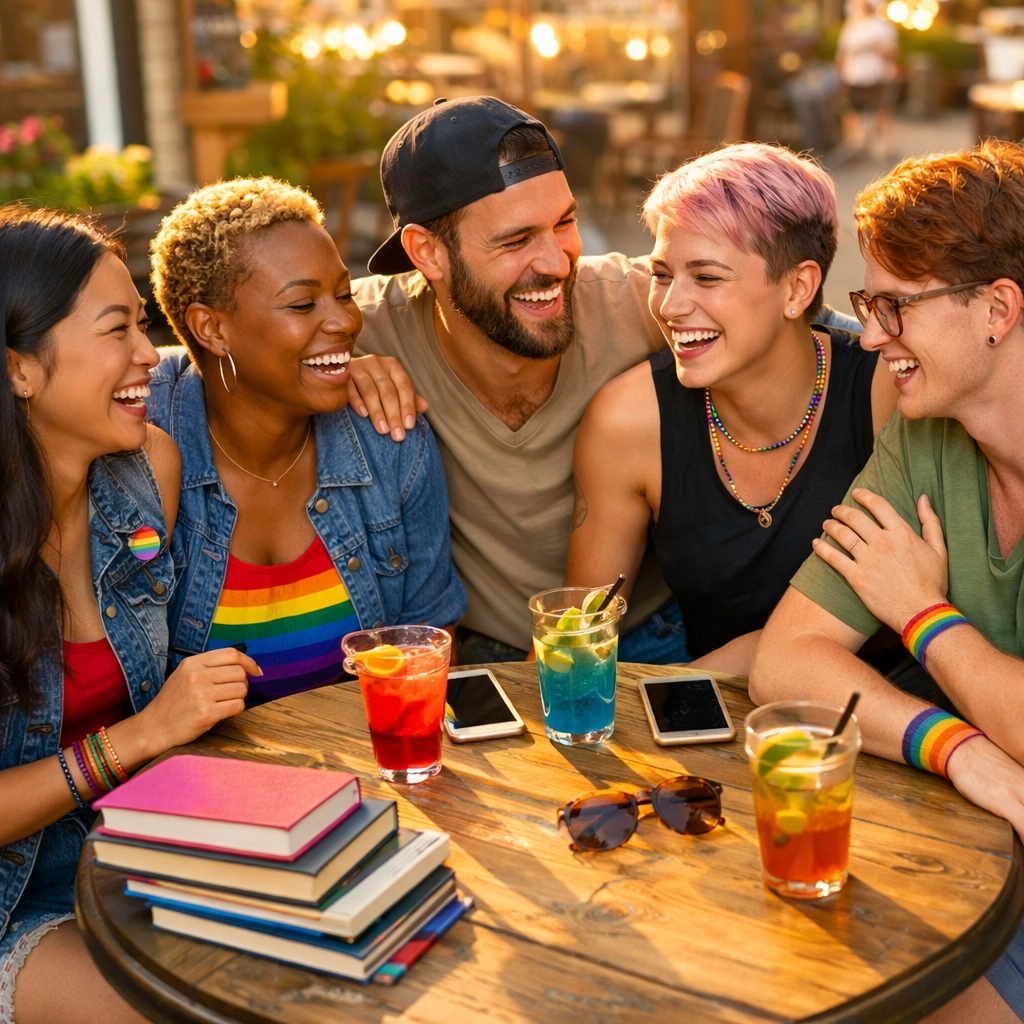
Rebuilding real-world connections. I started saying yes to social plans, even when I didn't feel like it. I joined a queer book club (shoutout to all the amazing MM romance books and gay fiction I discovered through Read with Pride, stories that showed healthy, complex queer relationships). I invested in hobbies and friendships that made me feel connected to something larger than my own thoughts.
Physical activity. Exercise became non-negotiable. Not to punish myself or "burn off" shame, but because it genuinely helped regulate my mood and gave me something productive to do with restless energy.
Limiting access. I installed blocking software, moved my computer to a common area, and stopped taking my phone into the bedroom. I made it harder to act on impulse.
Therapy and professional support. If you're struggling, please consider reaching out to SAMHSA's National Helpline (1-800-662-4357). They offer free, confidential support 24/7. There's no shame in getting professional help, it's actually the bravest thing you can do.
Where I Am Now
I'm not going to tell you I'm "cured" or that I never think about porn anymore. Recovery isn't linear, and it doesn't look like perfection. What I can say is that I've gone from daily compulsive use to occasional slips that don't spiral into shame binges.
More importantly, I've rebuilt my relationship with intimacy. I'm present with partners. I can enjoy real connection without my brain constantly comparing reality to fantasy. I've learned that vulnerability and authenticity, even when awkward, feel infinitely better than the hollow rush of pixels.
I'm reading again. Real books with actual stories, LGBTQ+ fiction, gay romance novels, MM contemporary tales that remind me what love and connection can look like. There's something healing about getting lost in a gay love story where characters work through real challenges and find genuine intimacy.
If You're in the Loop Right Now
First, please know you're not alone. So many of us: especially in the LGBTQ+ community: have struggled with this. The combination of early trauma, limited representation, societal shame, and easy access to porn creates a perfect storm.
Second, it's not about being "bad" or "broken." Your brain learned a pattern. With time, support, and the right tools, you can learn new patterns.
Start small. Talk to someone you trust. Consider therapy. Look into support groups. Limit access to triggering content. Build connections in the real world. Read stories that remind you what healthy relationships look like.
Check out resources at Read with Pride for gay books and queer fiction that celebrate authentic connection. Follow the community on Instagram, Facebook, and Twitter/X for daily inspiration and connection.
You deserve real intimacy. Real connection. Real joy. And I promise you: it's possible to escape the loop.
#PornAddictionRecovery #LGBTQMentalHealth #QueerWellness #MMRomance #GayBooks #ReadWithPride #SexualHealth #AddictionRecovery #QueerCommunity #LGBTQSupport #GayRomance #MentalHealthMatters #QueerHealing #AuthenticLiving #LGBTQFiction #GayLoveStories #RecoveryJourney #BreakingTheCycle #HealthyRelationships #QueerReads

Leave a Reply
You must be logged in to post a comment.