


readwithpride.com
Marcus spent three years of his life believing that pixels on a screen could substitute for human warmth. What started as casual browsing during lonely nights in his studio apartment had spiraled into something that consumed hours of his day, leaving him exhausted, ashamed, and more isolated than ever. His story isn't unique, it's one that countless gay men navigate quietly, caught between the promise of instant gratification and the aching need for authentic connection.
When the Fantasy Stops Working
For Marcus, a 28-year-old graphic designer in Manchester, porn and compulsive masturbation became a way to cope with the vulnerability required in dating as a gay man. "Every time I thought about putting myself out there on the apps or going to a bar, I'd get this wave of anxiety," he recalls. "It felt easier to stay home, queue up a few videos, and call it a night. At least that way, I couldn't get rejected."
But the relief was temporary. The shame that followed each session grew heavier, creating a cycle that felt impossible to break. He'd promise himself it would be the last time, delete bookmarks, even block certain websites, only to find himself back at square one within days. The isolation deepened. Friends stopped calling. Dates that did happen felt hollow because he'd already exhausted himself earlier in the day.

The turning point came during a conversation with his sister over coffee. She mentioned how distant he'd become, how he never seemed present anymore. "You're here, but you're not really here," she said. Those words cut through the fog of denial he'd been living in.
The Uncomfortable Truth About Screens and Intimacy
Here's what Marcus learned through therapy and his journey to recovery: porn addiction isn't really about sex. It's about avoiding discomfort, numbing feelings, and creating a false sense of control in a world that often feels hostile to queer existence. For many gay men, the fear of judgment, past trauma, or internalized homophobia can make real-world intimacy feel terrifying.
Screens offered Marcus an illusion of connection without risk. No awkward conversations. No vulnerability. No chance of someone seeing the parts of himself he hadn't fully accepted yet. But it also meant no genuine laughter, no unexpected moments of tenderness, no growth.
The research backs this up, while virtual interactions can supplement relationships, they can't replace the depth that comes from face-to-face communication. Those nonverbal cues, the energy exchange, the spontaneity of being physically present with another person, these elements are crucial for building the kind of connections that actually nourish us.
Breaking the Pattern
Marcus's recovery wasn't linear. He started with small steps: attending a support group specifically for gay men dealing with compulsive sexual behavior, working with a therapist who understood LGBTQ+ issues, and being brutally honest with himself about what was driving his behavior.
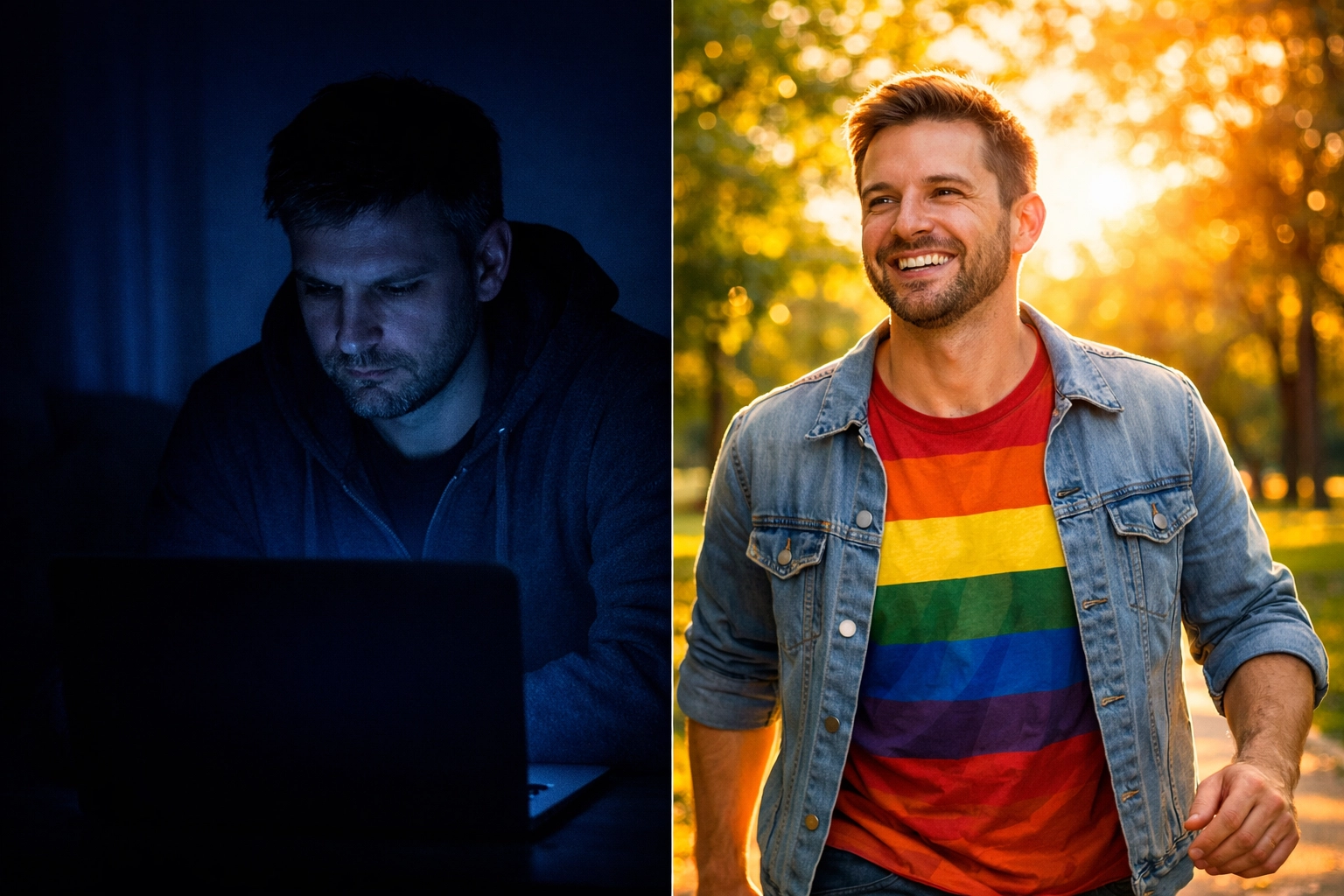
He also had to relearn how to be bored. In our dopamine-saturated digital age, boredom feels unbearable. But sitting with discomfort without reaching for a quick fix, whether that's porn, social media, or another distraction, is where real change begins.
"The first two weeks were hell," Marcus admits. "I'd come home from work and have no idea what to do with myself. I started going for walks, picked up reading again, actually picked up some incredible gay romance books from Readwithpride.com that reminded me what healthy relationships could look like. Those MM romance novels showed me the emotional intimacy I was craving, not just the physical stuff."
Finding Real Connection in the LGBTQ+ Community
As Marcus created space in his life by stepping away from compulsive behavior, real connections started to emerge. He joined a local queer book club where people discussed LGBTQ+ fiction and shared their experiences. The conversations were refreshingly authentic, people talked about their struggles, their hopes, their messy lives.
He volunteered at an LGBTQ+ youth center, which gave him perspective on his own journey and reminded him that community care matters. He started saying yes to coffee dates even when his anxiety screamed at him to stay home. Not every connection turned into romance, but each one taught him something about showing up as his authentic self.
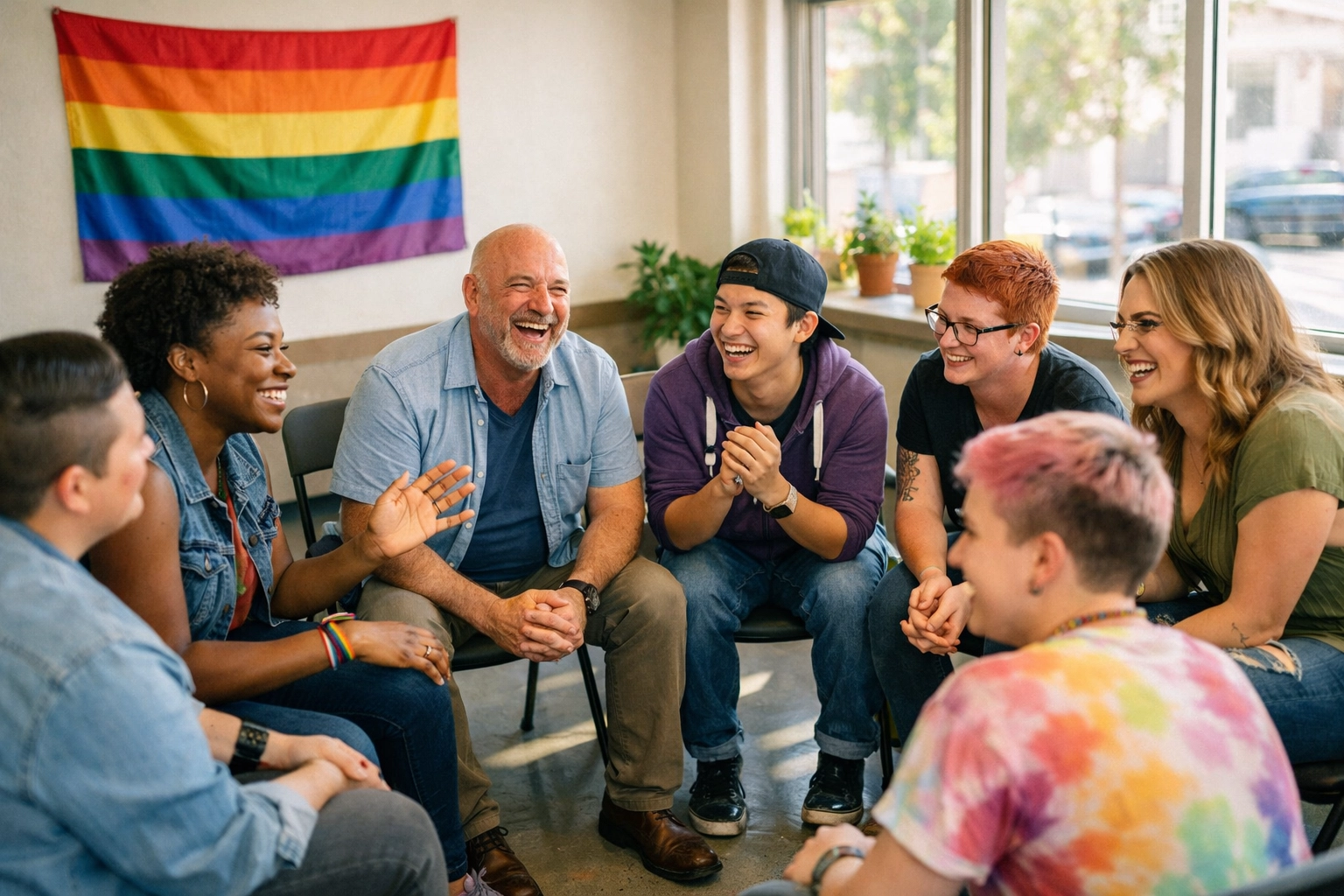
The irony? The more Marcus focused on building genuine friendships and community connections without an agenda, the more attractive he became to potential partners. People could sense the difference. He wasn't performing anymore; he was just being.
What Real Intimacy Actually Looks Like
Six months into his recovery, Marcus met David at a community gardening project. Their first conversation was about compost bins, not exactly the stuff of steamy MM romance, but it was real. They exchanged numbers. They texted sporadically about mundane things. Their first date was coffee that turned into a four-hour walk through the city.
"What struck me was how nervous I felt," Marcus says. "But it was a different kind of nervous than the anxiety that used to send me running to my laptop. This was the good kind, the kind that means you care about something outside yourself."
Building intimacy with David required skills Marcus had atrophied during his years behind screens. Active listening. Vulnerability. Patience. The ability to sit with silence without needing to fill it. Learning that arousal could build slowly through conversation, laughter, and shared experiences, not just visual stimulation.
Practical Steps for Anyone Struggling
If Marcus's story resonates with you, here's what worked for him:
Get professional help. Find a therapist who specializes in sexual compulsivity and understands LGBTQ+ issues. This isn't something you need to white-knuckle through alone.
Identify your triggers. What emotions or situations send you reaching for the escape? Boredom? Loneliness? Stress? Knowing your patterns helps you interrupt them.
Build real-world connections. Join community groups, take classes, volunteer. The LGBTQ+ community is full of people craving authentic connection, you just have to show up.
Replace the behavior with something meaningful. When you remove compulsive behavior, there's a vacuum. Fill it intentionally with activities that align with your values. For Marcus, that meant reading queer fiction, creating art, and spending time in nature.
Practice self-compassion. Recovery involves setbacks. Shame is what keeps the cycle going. Compassion is what breaks it.
The Freedom on the Other Side
Today, Marcus describes his life as "messier but richer." He still has moments of struggle. The difference is he has tools now, community, and a sense of purpose that extends beyond immediate gratification. His relationship with David continues to deepen, not because it's perfect, but because they're both committed to showing up honestly.
"I used to think real intimacy would be boring compared to the intensity of porn," Marcus reflects. "But actual connection, where someone knows your flaws and chooses you anyway, where you build something together over time, that's the real thing. Everything else was just shadow."
For anyone caught in the cycle Marcus escaped, his message is simple: you deserve more than what a screen can offer. The vulnerability required to find real connection is terrifying, yes. But it's also where life actually happens. And the LGBTQ+ community: your community: is waiting to welcome you back into the fold.
The gay love stories that matter most aren't just the ones we read in MM romance books: though those can inspire and comfort us: but the ones we have the courage to live ourselves.
Connect with us:
Follow Read with Pride for more authentic LGBTQ+ stories and recommendations:
- Website: readwithpride.com
- Facebook: facebook.com/readwithpride
- Instagram: @read.withpride
- X/Twitter: @Read_With_Pride
#MMRomance #GayRomance #LGBTQFiction #QueerFiction #ReadWithPride #GayBooks #AuthenticConnection #LGBTQCommunity #QueerStories #GayMentalHealth #RecoveryJourney #RealConnection #MMRomanceBooks #GayLoveStories #QueerReading #LGBTQReading #GayFiction #2026Pride

Leave a Reply
You must be logged in to post a comment.