


readwithpride.com
Let's talk about something that doesn't get discussed enough in our LGBTQ+ spaces: the sometimes messy, often complicated relationship we have with digital intimacy. Whether it's late-night scrolling through dating apps, binge-watching porn, or getting caught in endless loops of sexual content online, many of us have felt that pull, that compulsive need to click just one more time.
And here's the thing: there's no shame in admitting it. You're not broken, you're not alone, and you're definitely not the only queer person who's ever wondered if maybe, just maybe, things have gotten a bit out of hand.
Why This Hits Different for LGBTQ+ Folks
The digital world has been both a blessing and a curse for our community. For many of us, especially those who grew up in less accepting environments or conservative areas, the internet became our lifeline. It was where we discovered ourselves, found our people, and yes, explored our sexuality in ways we couldn't in real life.
But that same digital sanctuary can become a trap. When you've spent years using screens as your primary connection to queer identity and intimacy, the line between healthy exploration and compulsive behavior gets blurry fast. Add in the layers of shame some of us carry from growing up queer in a heteronormative world, and you've got a perfect storm for unhealthy coping mechanisms.
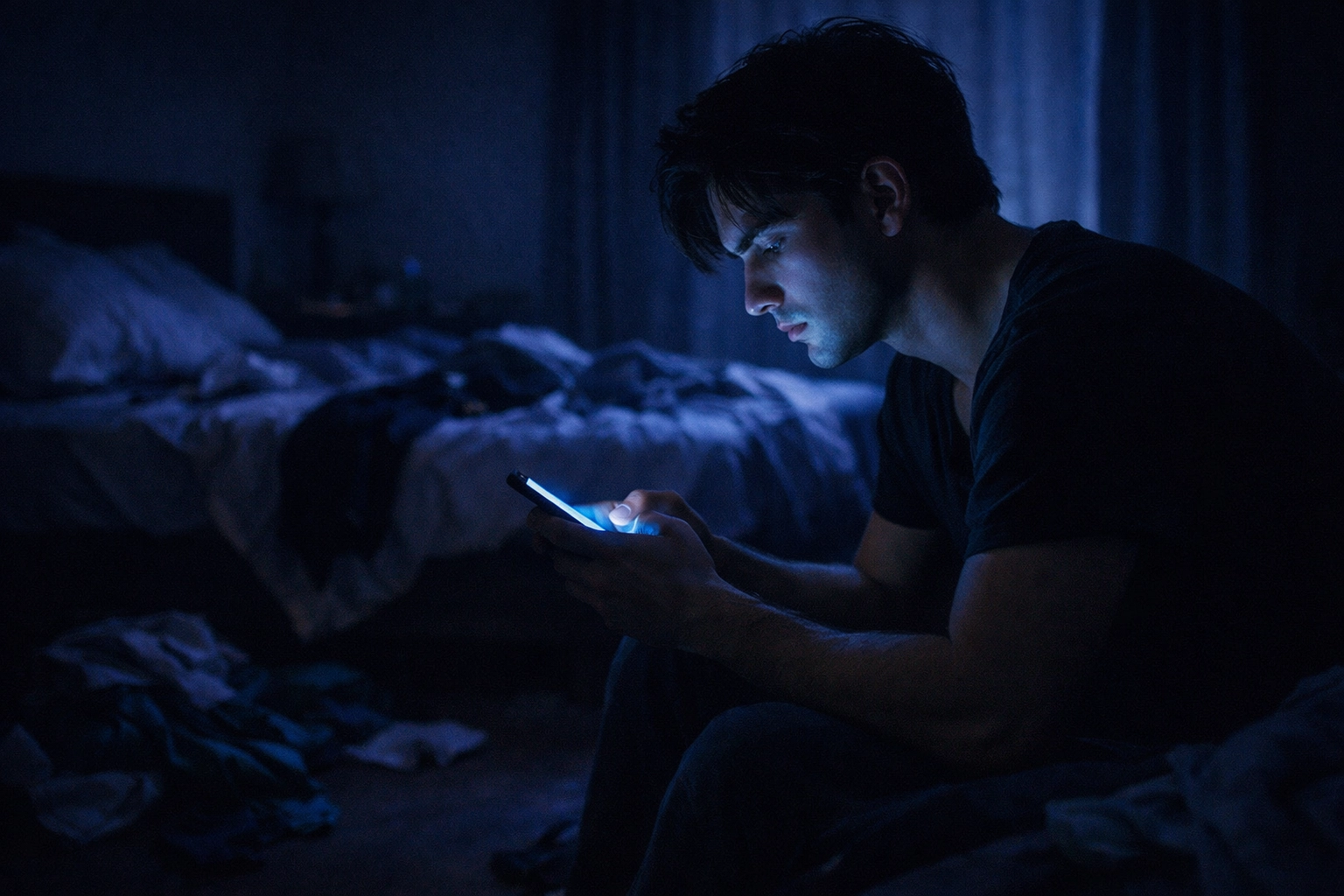
The Dopamine Trap: Your Brain on Digital Desire
Here's what's actually happening in your brain when you're caught in that cycle: Every time you open that app, click on that video, or seek that digital rush, your brain floods with dopamine, the same neurochemical involved in addiction to substances. Your brain literally gets high from it.
But here's where it gets tricky. Over time, your brain adapts. It starts producing less dopamine naturally and becomes less sensitive to it. Suddenly, the things that used to bring you joy, reading a good MM romance book, hanging out with friends, even real-life intimacy, feel kind of meh. You need that digital hit to feel normal, and when you don't get it, you crash. Hard.
This isn't weakness. This is neuroscience. Your brain has been hijacked by technology designed to be addictive. Social apps, porn sites, and dating platforms employ entire teams of people whose job is to keep you scrolling, clicking, and coming back for more.
Recognizing the Patterns
So how do you know if you've crossed the line from casual use to something more problematic? Ask yourself these questions:
Are you using it to escape? When stress hits, loneliness creeps in, or anxiety spikes, is your first instinct to reach for your phone and disappear into digital sexual content or endless app scrolling?
Is it interfering with your life? Missing work, canceling plans, staying up until 3 AM when you have an early morning, these are red flags that what started as fun has become a problem.
Do you feel like you can't stop? Even when you want to cut back, do you find yourself back in the same patterns within hours or days?
Are you experiencing withdrawal? Getting irritable, anxious, or restless when you try to take a break? That's your brain screaming for its dopamine fix.
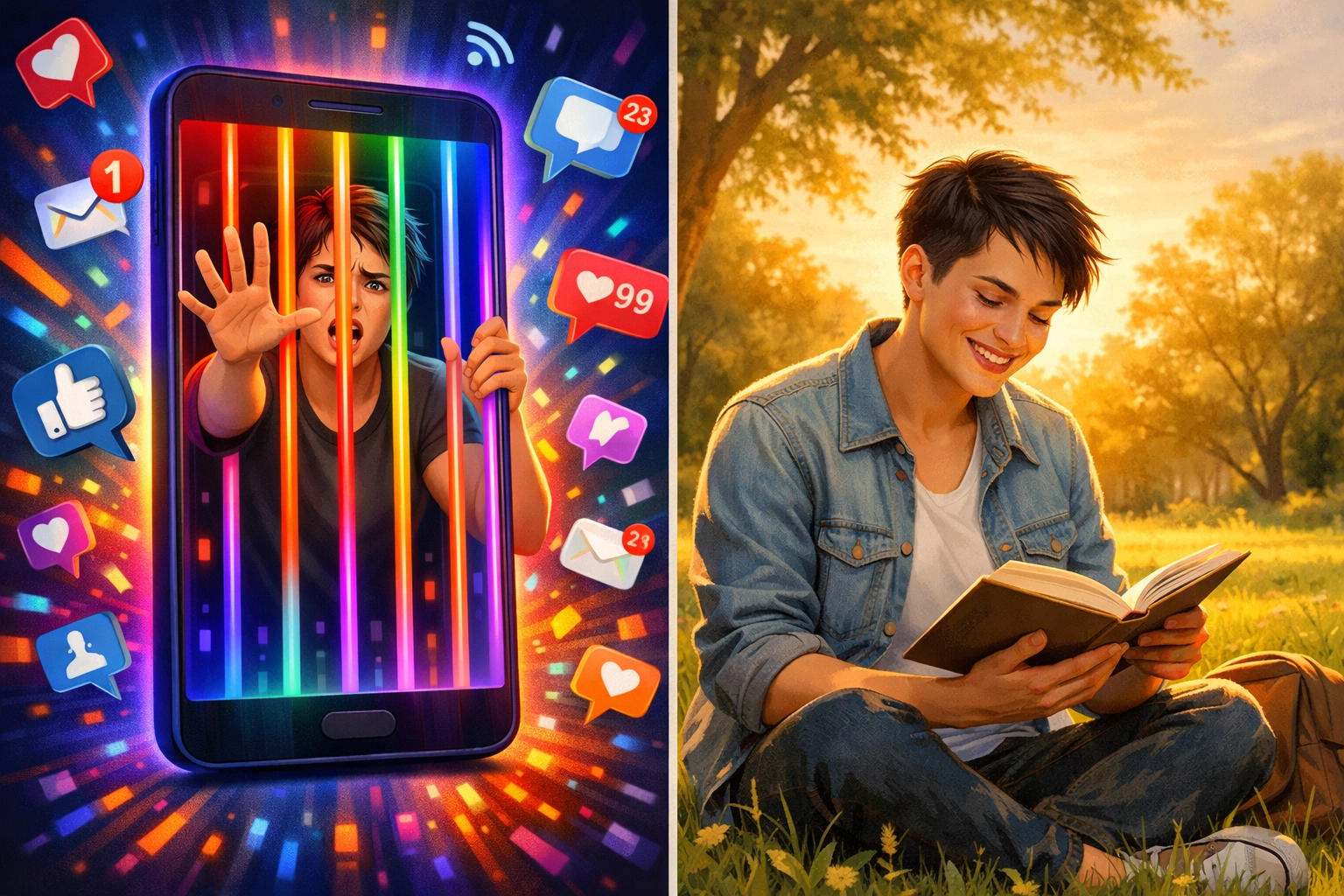
Breaking the Cycle: Real Talk, Real Solutions
Okay, so you've recognized there's a pattern you want to change. What now? Breaking free isn't about willpower alone, it's about understanding the system and disrupting it strategically.
1. Limit the Accessibility
Your smartphone is a dopamine delivery device that fits in your pocket. Make it harder to access the things triggering you. Delete apps (yes, really). Use website blockers. Keep your phone out of the bedroom. The more friction you create between the impulse and the action, the better.
2. Identify Your Triggers
What emotions, situations, or times of day send you reaching for digital escape? Boredom? Loneliness after seeing couples on Instagram? That post-work exhaustion? Write them down. Once you know your triggers, you can plan alternatives.
3. Replace, Don't Just Remove
Here's where queer fiction and MM romance books from Read with Pride can actually be part of your healing. Your brain needs engagement, connection, and yes: even that romantic or sexual stimulation. But there's a difference between reading a slow-burn gay romance that builds emotional connection and endlessly clicking through disconnected digital content.
Stories engage different parts of your brain. They build empathy, patience, and emotional depth. They satisfy that need for queer connection and intimacy without the addictive dopamine spikes of endless scrolling.

4. Expect Withdrawal (And Be Kind to Yourself)
The first few days or weeks of breaking these patterns will be rough. You might feel moody, restless, maybe even a bit depressed. This is normal. Your brain is recalibrating its dopamine baseline. It's temporary. Push through it with self-compassion, not self-judgment.
5. Address the Underlying Stuff
Often, digital sexual compulsions are symptoms, not the disease. What are you really trying to escape from? Loneliness? Lack of authentic connection? Internalized homophobia? Trauma? Consider working with a therapist who understands LGBTQ+ issues. Seriously, it helps.
Finding Your Community Beyond the Screen
One of the hardest parts of breaking these cycles is the fear of disconnection. If you've been getting your sense of queer community primarily through digital means, pulling back can feel isolating. But here's the beautiful truth: real connection: the kind that actually fills you up: happens in three dimensions.
Join a local LGBTQ+ book club (hint: perfect excuse to explore MM romance books and gay fiction in a social setting). Volunteer for queer organizations. Hit up that pride event you've been meaning to attend. Try a hobby you've been curious about. The goal is building a life so interesting and connected that you don't need to escape from it.
Reading as Revolution
There's something quietly revolutionary about choosing a good gay romance novel over another night of digital scrolling. When you read stories from Readwithpride.com, you're engaging with narratives that affirm your identity, explore complex relationships, and build emotional intelligence: all things that strengthen your ability to form real connections.
Whether it's MM contemporary romance, gay fantasy, or queer psychological thrillers, these stories offer what addictive digital content can't: narrative arc, emotional depth, character development, and most importantly, closure. They satisfy without leaving you empty and reaching for more.
Moving Forward
Breaking the cycle of digital desires isn't about becoming a perfect person who never looks at their phone or enjoys sexual content. It's about regaining control, finding balance, and building a life where digital engagement enhances rather than replaces real connection and self-worth.
You deserve relationships: with yourself, with others, and with your sexuality: that are rooted in authenticity, not compulsion. You deserve to experience pleasure without shame and to engage with content that uplifts rather than diminishes you.
The LGBTQ+ community has always been about liberation: from oppression, from shame, from anything that diminishes our humanity. Sometimes that means liberating ourselves from the very tools we once used for freedom.
You've got this. One day, one choice, one moment at a time.
Connect with us:
Follow @Read_With_Pride on X, @read.withpride on Instagram, and find us on Facebook for daily doses of LGBTQ+ positivity, book recommendations, and community support.
Explore healing through stories: Browse our collection of gay romance books, MM fiction, and LGBTQ+ ebooks at readwithpride.com
#LGBTQMentalHealth #DigitalDetox #MMRomance #GayBooks #ReadWithPride #QueerFiction #BreakingTheCycle #LGBTQCommunity #SelfCare #GayRomanceBooks #MMBooks #QueerWellness #DigitalAddiction #LGBTQSupport #GayLiterature #AuthenticLiving #2026

Leave a Reply
You must be logged in to post a comment.