

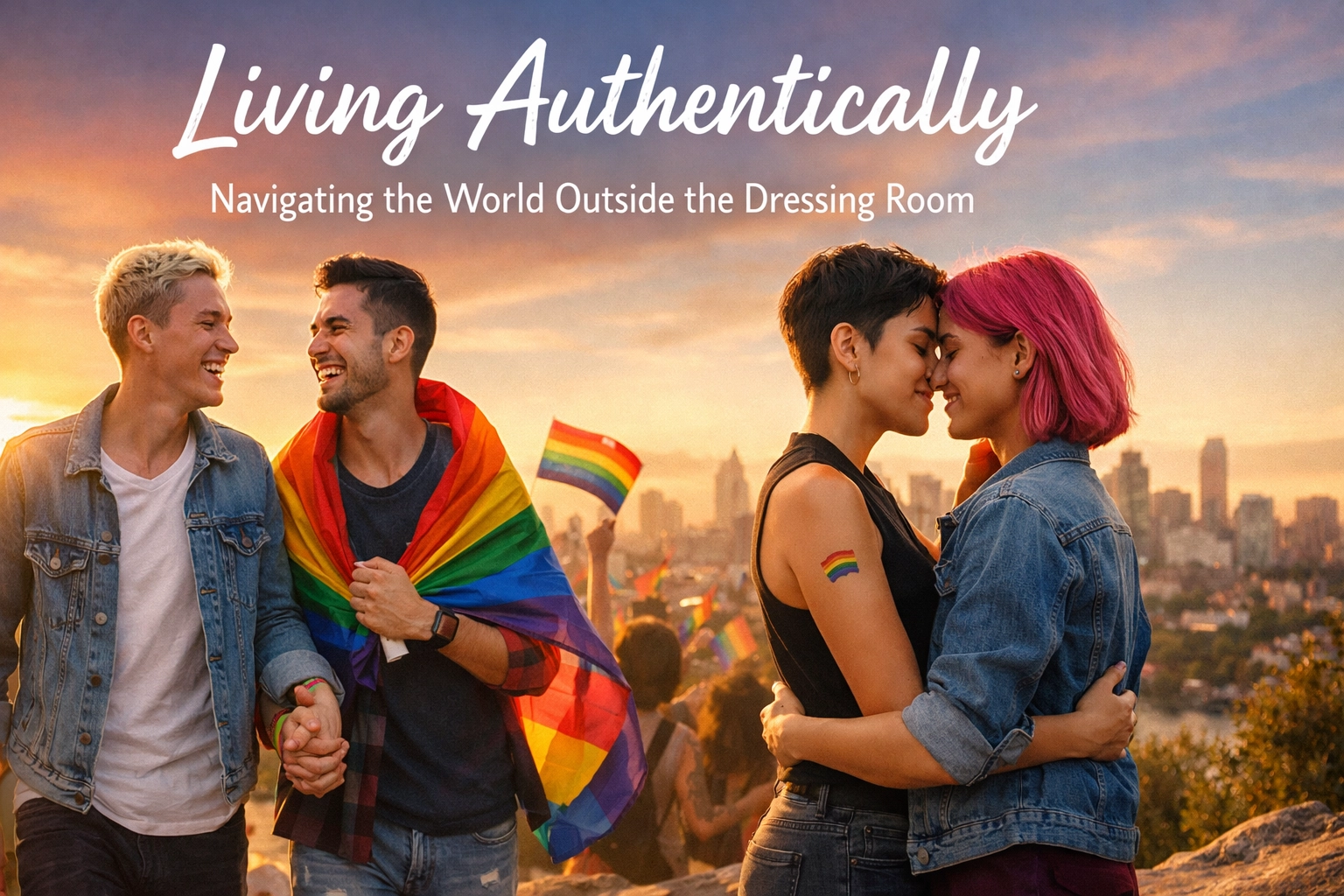
readwithpride.com
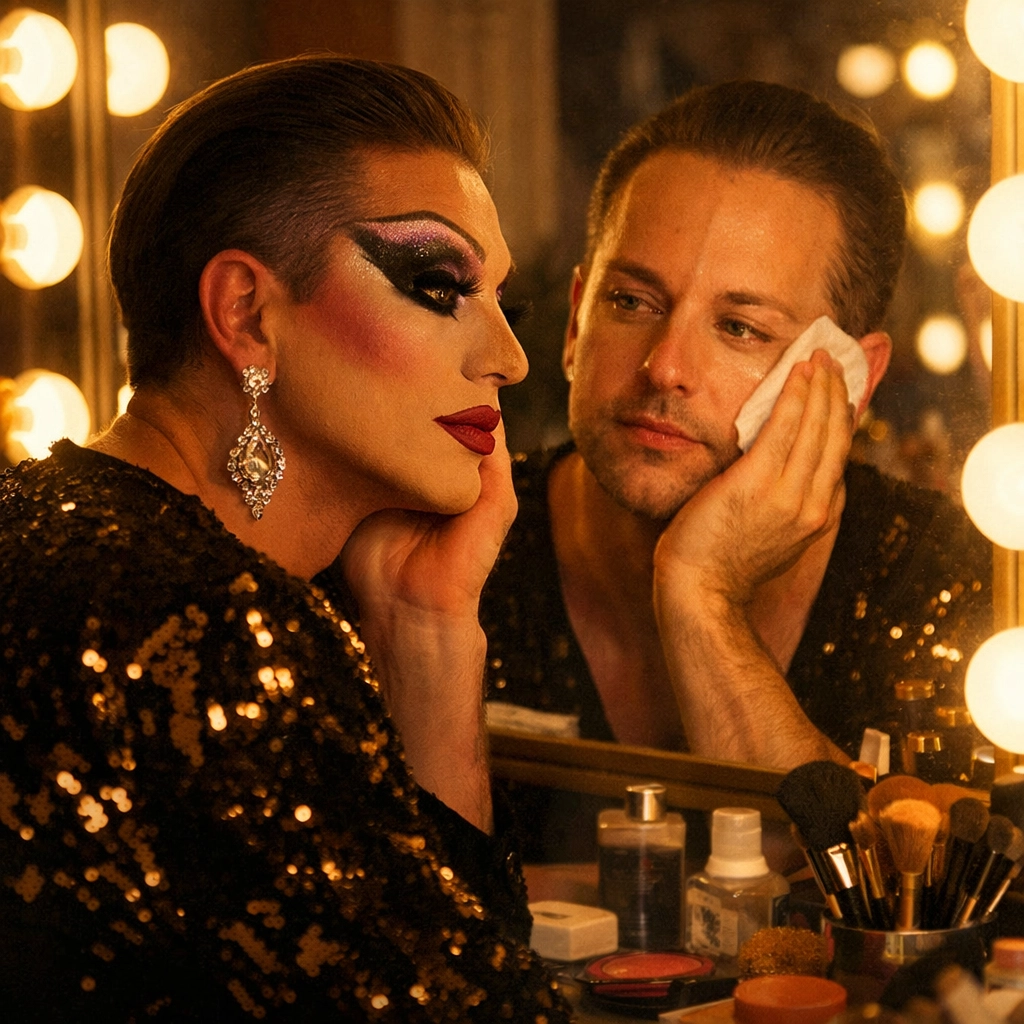
There's something magical about watching a drag queen command a stage, the confidence, the charisma, the unapologetic fabulousness. But what happens when the lashes come off, the contour gets wiped away, and the performer walks out into the everyday world? That's where the real story begins, and honestly, it's a lot more complicated than most people realize.
The Armor Comes Off
For many drag performers, their drag persona isn't just a costume, it's armor. It's a carefully constructed shield that lets them express parts of themselves they might struggle to show otherwise. The stage persona can be bolder, sassier, more fearless than the person who puts it on. And when that armor comes off? Reality hits different.
"People see me perform and assume I'm that confident all the time," shares one performer from the community. "But the truth is, I'm often anxious, overthinking everything, and way less sure of myself when I'm just… me."
This disconnect between stage presence and everyday existence isn't weakness, it's human. The stage offers control, scripted moments, applause on cue. Real life? Not so much. There's no soundtrack, no rehearsed comebacks, and definitely no emergency outfit changes when things get uncomfortable.
Dating Without the Drama (Or With Different Drama)
Let's talk about romance, because this is where things get particularly messy. Dating as a drag performer means navigating a whole minefield of assumptions, fetishization, and identity questions. Some potential partners are intimidated by the performer they've seen on stage. Others are disappointingly only interested in the fantasy, not the person underneath.
Then there's the question of when to mention it. First date? Third? When do you casually drop "Oh, by the way, I perform in drag" into conversation? And how do you handle someone who can't separate the performer from the person, who expects you to be "on" all the time, or worse, treats your art like it's just a party trick?
For drag performers in relationships, there's also the work-life balance struggle. Late nights, weekend gigs, the emotional energy that goes into performance, it all takes a toll. Partners need to understand that drag isn't just a hobby; it's often a calling, a career, and a crucial form of self-expression all rolled into one.
The queer dating scene already has its complexities, and being a performer adds another layer. Some people in the community get it immediately, they understand the artistry, respect the craft. Others project their own issues about gender, masculinity, or visibility onto the performer. It's exhausting trying to explain that yes, you can be masculine-presenting out of drag and still create fierce feminine characters. Or that your drag doesn't define your entire identity. Or that no, you're not confused, you're actually pretty clear on who you are, thanks.
Family Dynamics and Chosen Family
If you think coming out as queer to your family is tough, try explaining drag. For many performers, their families struggle to understand why they'd want to "dress up" and perform. There's often concern about safety, judgment about career choices, or just plain confusion about what it all means.
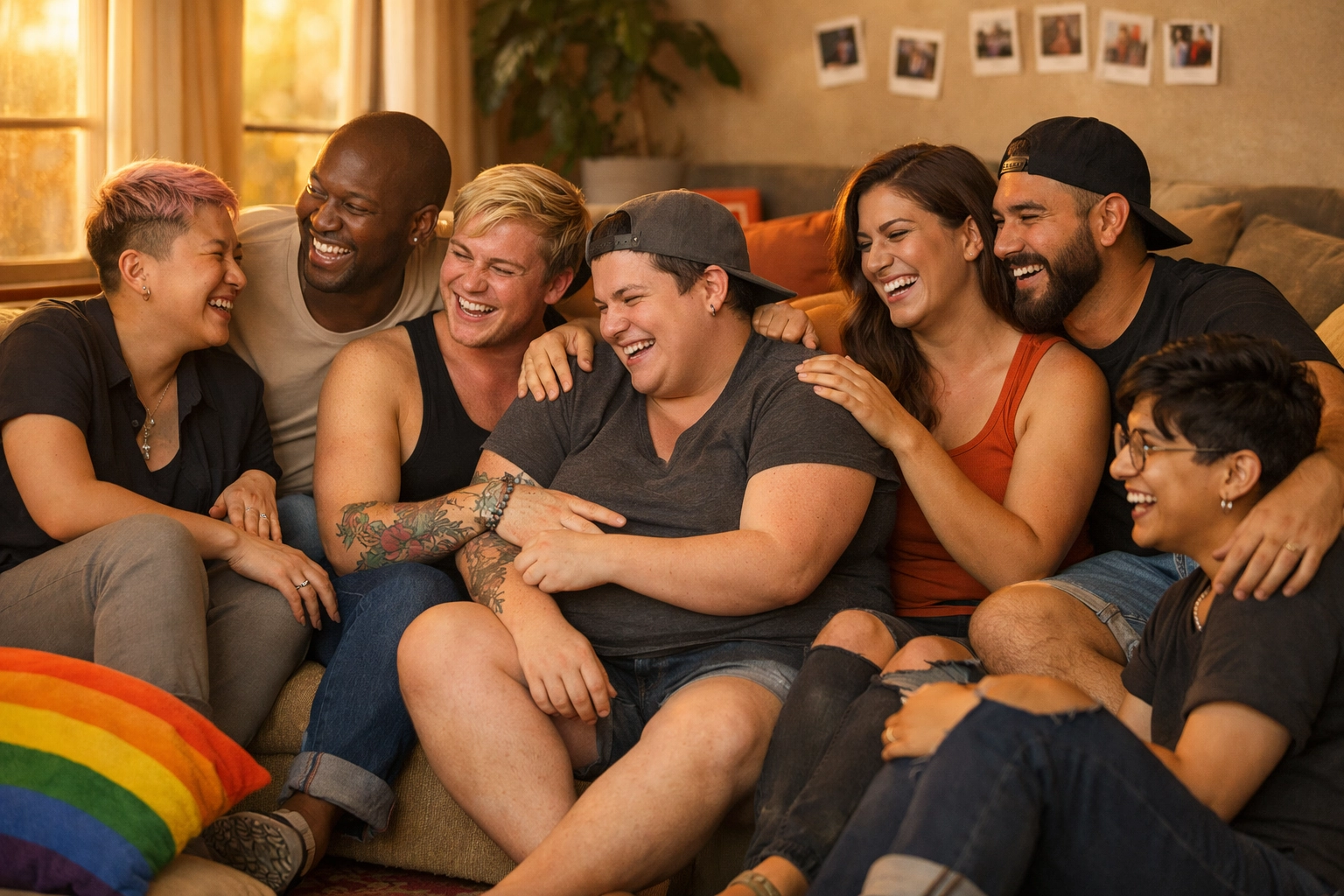
Some performers face outright rejection from biological family, making their chosen family, other performers, supportive friends, regulars at their shows, even more crucial. These bonds become lifelines, the people who see both the performer and the person, who understand the struggles that come with living between two worlds.
Society's Gaze When the Spotlight Dims
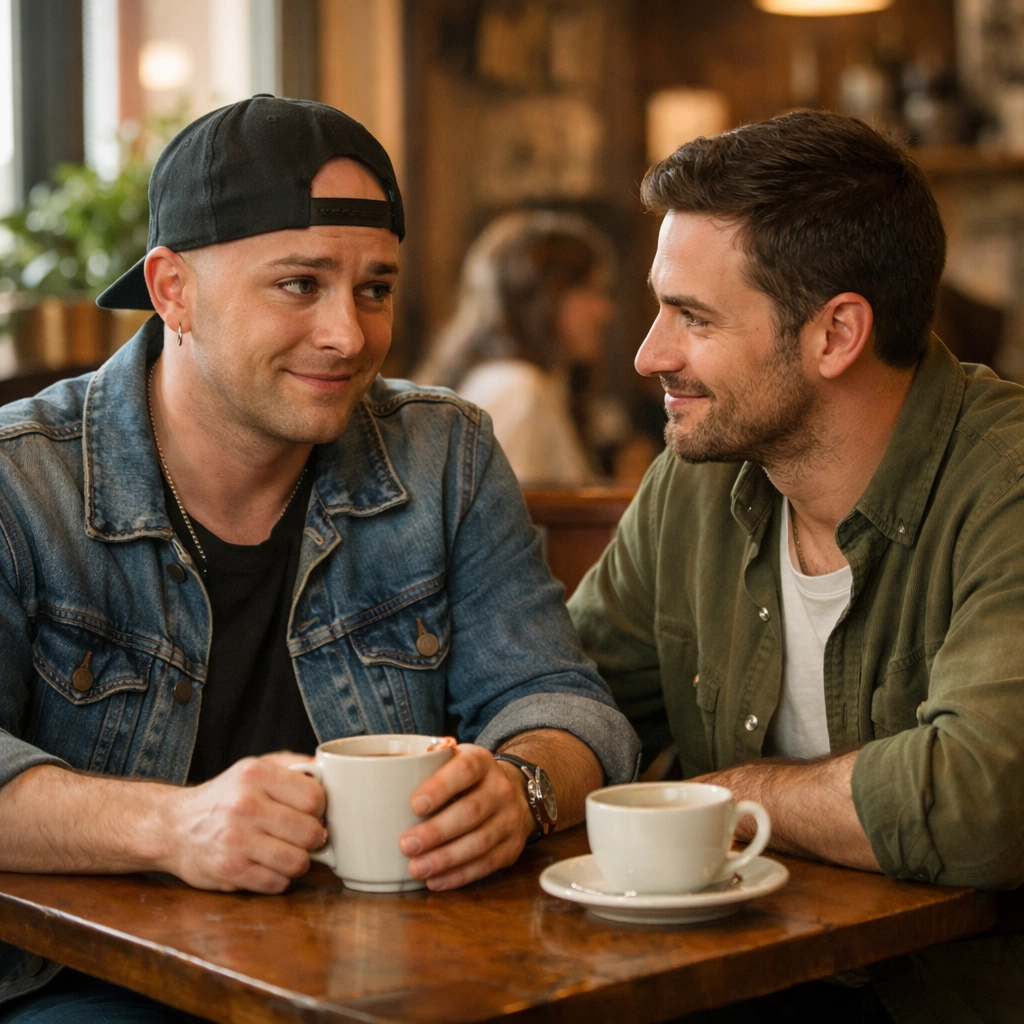
Here's something nobody warns you about: when you're known as a drag performer in your community, you lose a certain amount of anonymity. People recognize you at the grocery store, at the gym, at the doctor's office. Sometimes they're excited and supportive. Other times? Not so much.
Drag performers navigate a world that still holds plenty of prejudice, and being visibly part of the LGBTQ+ community, especially as someone associated with an art form that challenges gender norms, can invite unwanted attention. From microaggressions to outright hostility, the reality is that stepping outside without your drag armor can feel vulnerable in ways that are hard to articulate.
There's also the weight of representation. Many performers feel pressure to be ambassadors for the entire community, to always be "on message," to educate every ignorant person they encounter. That's exhausting. Sometimes you just want to exist without having to justify your existence or explain your art to strangers.
Finding Authenticity in the In-Between
The beautiful paradox of drag is that for many performers, creating an exaggerated character helps them discover their authentic self. Through drag, they explore aspects of identity, gender expression, and creativity that society might have taught them to suppress. But the journey doesn't end when the makeup comes off, it's just beginning.
Living authentically outside of drag means integrating the lessons learned on stage with everyday life. It means carrying that confidence, that creativity, that fearlessness into the mundane moments. It means understanding that you don't need rhinestones and a six-inch heel to be fabulous, though they certainly don't hurt.
For many in the drag community, authenticity means rejecting the binary altogether. They're not "in drag" or "out of drag", they're always themselves, just with different presentations. The person ordering coffee is the same person death-dropping on stage; they're just showing different facets of a complex, multidimensional human being.
This is where gay romance books and LGBTQ+ fiction can be particularly powerful. Stories that explore the full humanity of queer characters, not just their relationships or their struggles, but their everyday lives, their vulnerabilities, their joy, help normalize the reality that we're all complex people navigating an often complicated world. At Readwithpride.com, we believe in stories that celebrate every aspect of LGBTQ+ life, not just the parts that fit neatly into categories.
Mental Health and Self-Care
Let's get real about mental health for a minute. The drag community faces higher rates of anxiety, depression, and burnout than many other groups. The emotional labor of performance, the vulnerability of artistic expression, the financial instability that often comes with creative careers, the discrimination faced in society, it all adds up.
Many performers struggle with imposter syndrome, feeling like they're not "drag enough" when they're out of character, or "person enough" when they're in it. They worry about being taken seriously in professional spaces. They deal with the physical toll of late-night performances and the emotional exhaustion of constantly managing other people's perceptions.
Self-care for drag performers isn't just bubble baths and face masks, though those help. It's setting boundaries with audiences who want constant access. It's finding therapists who understand queer and gender-diverse experiences. It's building financial stability so that art can remain art and not just survival. It's learning when to say no to gigs, to social obligations, to expectations that don't serve your wellbeing.
The drag community is getting better at talking about mental health, at supporting each other through struggles, at normalizing therapy and medication and asking for help. But there's still work to do in creating spaces where performers can be vulnerable without judgment, where they can admit they're struggling without being told to just "throw on some lipstick and power through."
The Power of Integration
The most powerful thing about drag isn't the transformation, it's the integration. It's learning to carry the boldness, creativity, and self-expression of your drag persona into your everyday life. It's understanding that you don't have to choose between the performer and the person; they're both you, just different expressions of the same authentic self.
Some of the most inspiring performers are the ones who've figured out how to blur those lines, who bring their drag aesthetic into their daily wardrobe, who speak with the same confidence off stage as on, who refuse to apologize for taking up space in the world. They've learned that authenticity isn't about being one thing or another, it's about being fully, unapologetically yourself in all your complexity.
This journey toward integration and authenticity is something many of us in the LGBTQ+ community can relate to, whether we perform or not. We all have our public faces and our private selves, the versions of us that feel safe to share and the parts we keep hidden. MM romance books and queer fiction explore these themes beautifully, showing characters who navigate multiple identities, who struggle with visibility and vulnerability, who ultimately find ways to live authentically on their own terms.
Moving Forward with Pride
Living authentically as a drag performer outside of performance spaces isn't easy, but it's necessary. It means showing up as yourself, flawed, complex, multifaceted, in a world that often wants you to be just one thing. It means building communities of support, setting boundaries that protect your energy, and refusing to shrink yourself to make others comfortable.
It also means celebrating the journey. Yes, there are challenges, but there's also incredible joy in being part of a community that celebrates creativity, challenges norms, and creates beauty out of adversity. There's power in knowing you're part of a long tradition of performers who've used drag to express truth, challenge oppression, and create spaces where everyone can be themselves.
For those looking to dive deeper into LGBTQ+ stories that celebrate authenticity in all its forms, explore the collection at readwithpride.com. From gay romance novels to contemporary queer fiction, these stories remind us that our lives: on stage and off: are worth celebrating, worth protecting, and worth living authentically.
#DragLife #LGBTQCommunity #AuthenticLiving #QueerStories #DragPerformers #ReadWithPride #MMRomance #QueerFiction #GayBooks #LGBTQBooks #LivingAuthentically #QueerIdentity #DragArt #PrideEveryday #LGBTQReading
Follow us for more authentic LGBTQ+ content:
- Facebook: https://www.facebook.com/profile.php?id=61586883027069
- Instagram: https://www.instagram.com/read.withpride/
- X/Twitter: https://x.com/Read_With_Pride
- Website: https://readwithpride.com

Leave a Reply
You must be logged in to post a comment.