

readwithpride.com
There's something almost magical about watching a drag queen transform. The wig, the makeup, the carefully constructed illusion, it's art, it's theater, it's activism wrapped in sequins and served with a side of shade. But here's what we don't talk about enough: the moment when the lashes come off. The quiet drive home. The person who looks back from the bathroom mirror at 2 AM, makeup remover in hand, wondering who they really are when the performance ends.
Because here's the truth that doesn't always make it into the Instagram posts and viral TikToks: being a drag queen is incredible, but being yourself when you're not in drag? That takes a different kind of courage altogether.
The Person Behind the Persona
We've all seen the transformation videos. The time-lapses of someone becoming someone else, or maybe becoming more themselves, depending on how you look at it. But what about the reverse? What about the transformation that happens when the show is over, the tips are counted, and it's time to go back to being… whoever that is?
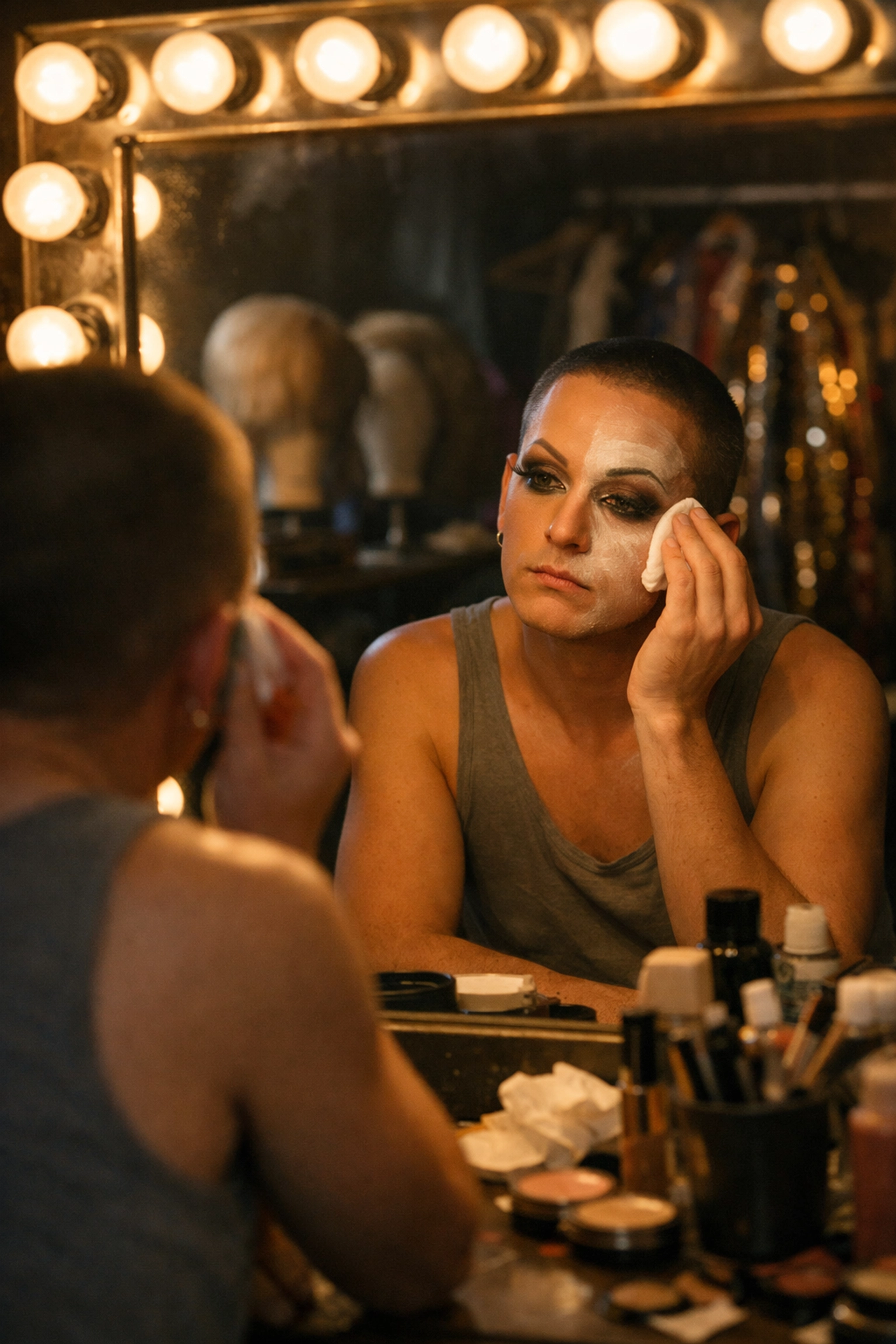
For many drag performers, there's this strange liminal space between stage and street, between character and self. It's not that the drag persona is fake, far from it. For many queens, kings, and non-binary performers, drag is the truest expression of something deep within them. But it's also not the entirety of who they are. And navigating that duality? That's where the real performance happens.
The grocery store doesn't care that you slayed at the club last night. The DMV isn't impressed by your sold-out show. Your neighbor who helps you carry groceries doesn't know you're basically royalty in certain circles. And that disconnect can be disorienting, even painful. When you're used to being seen, celebrated, and acknowledged in one space, the invisibility of everyday life hits different.
The Vulnerability of Being "Just" Yourself
There's a particular kind of vulnerability that comes with being out of drag in public spaces. Not everyone is lucky enough to live in accepting communities. Not everyone has the privilege of safety when they're visibly queer, whether they're in full drag or just existing as themselves on a Tuesday afternoon.
Some performers talk about feeling exposed without their armor, because that's what drag can be. It's protection. It's confidence. It's a carefully constructed shield that says, "I know exactly who I am, and I'm fabulous about it." Strip that away, and you're left with the raw human underneath, complete with insecurities, fears, and the same mundane concerns as everyone else.

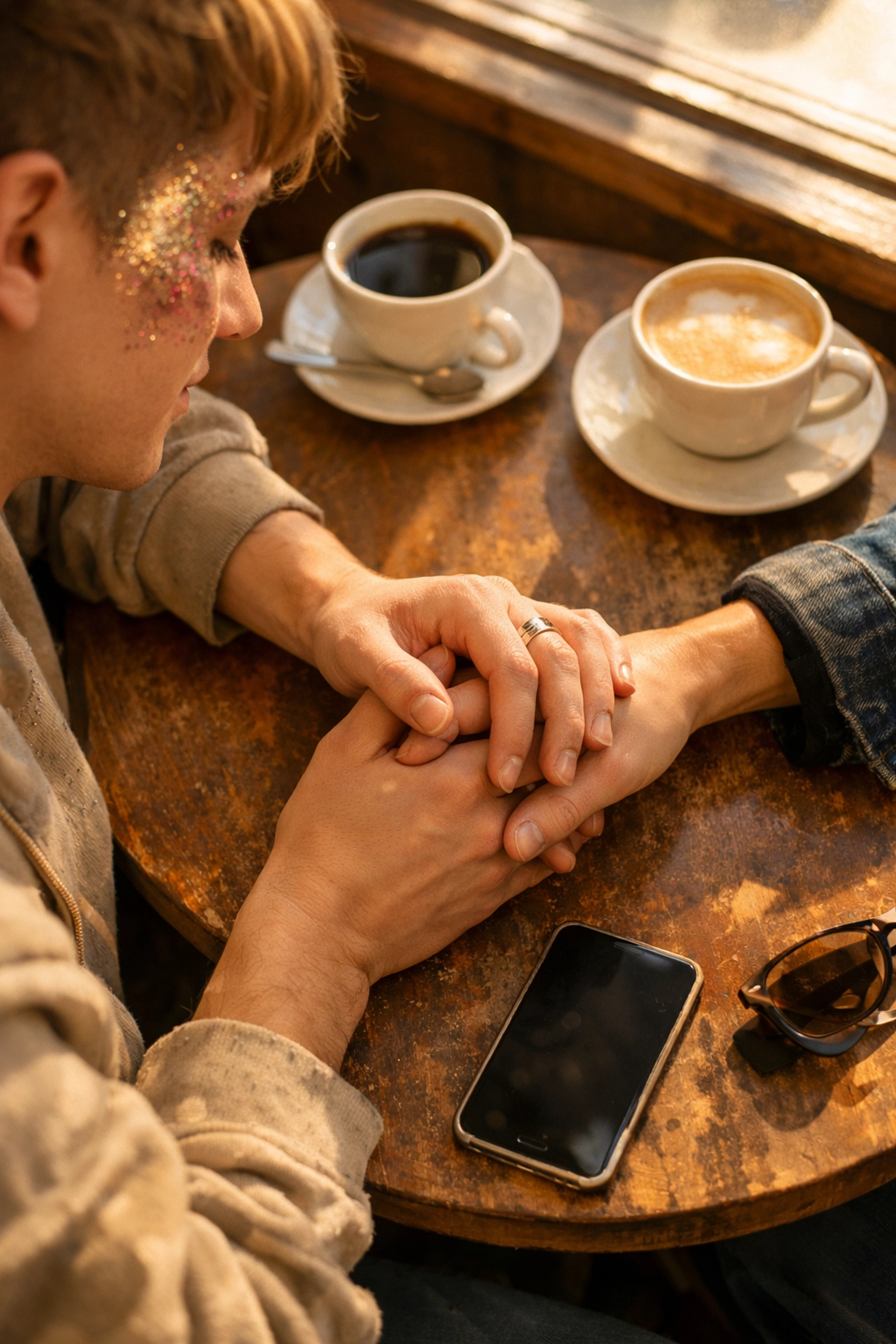
Does the mail carrier judge the eyeliner you didn't quite get off? Will the barista recognize you from that viral video and treat you differently? Can you hold your partner's hand in the coffee shop without calculation, or does every moment of visibility require a risk assessment?
These are questions that many in the LGBTQ+ community grapple with daily, but for drag performers, there's an added layer. You've shown the world one version of fearlessness. Can you show them another version, the one that's equally valid but maybe less polished, less protected, more vulnerable?
The Strength in Everyday Authenticity
But here's where it gets beautiful: choosing to be yourself in those quiet, unglamorous moments is its own kind of performance art. It's rebellion. It's activism. It's saying, "I contain multitudes, and all of them deserve to exist."
The drag performer who shows up to their day job as themselves, whoever that self might be, is making a statement. The queen who runs errands in boy clothes or girl clothes or something wonderfully in between is expanding what it means to be visible. The king who navigates family dinners and doctor's appointments while carrying the weight of who they become on stage is doing the work of integration, of wholeness.
This is the part that doesn't get enough airtime in the conversation about drag. We love the drama, the spectacle, the moments of high glamour and higher camp. But what about the moments of radical softness? The vulnerability of letting people see you without the armor? The strength it takes to say, "This is also me, and I'm still learning who that is"?
At Read with Pride, we celebrate all versions of queer identity and expression. Because authenticity isn't just about the bold moments, it's about the quiet ones too.
Breaking Down the Misconceptions
Let's address the elephant in the room: the assumption that drag queens are always "on." That every moment is camp, every interaction is a performance, every outfit is a statement. The truth is far more nuanced and, honestly, far more interesting.
Drag performers are artists, yes. But they're also baristas, teachers, nurses, accountants, students, parents. They have morning breath and bad hair days. They binge-watch reality TV in sweatpants. They stress about rent and argue with their partners about who forgot to buy milk. They're people, living full, complex, beautifully ordinary lives.
The misconception that drag is all they are, or all they should be, is exhausting. It's reductive. And it misses the entire point of what drag can teach us about identity: that we're all multifaceted beings, constantly shifting between different versions of ourselves depending on context, mood, and need.
Identity as a Spectrum, Not a Switch
Here's something that's often misunderstood: going in and out of drag isn't like flipping a switch between two distinct identities. It's more like a spectrum, a fluid movement between different expressions of the same essential self.
Some performers describe their drag persona as a heightened version of themselves, all their confidence, creativity, and courage turned up to eleven. Others see it as exploring a different aspect of their gender expression, a way to play with and challenge the limitations society tries to impose. And some simply see it as their job, a creative outlet that's separate from their personal identity.
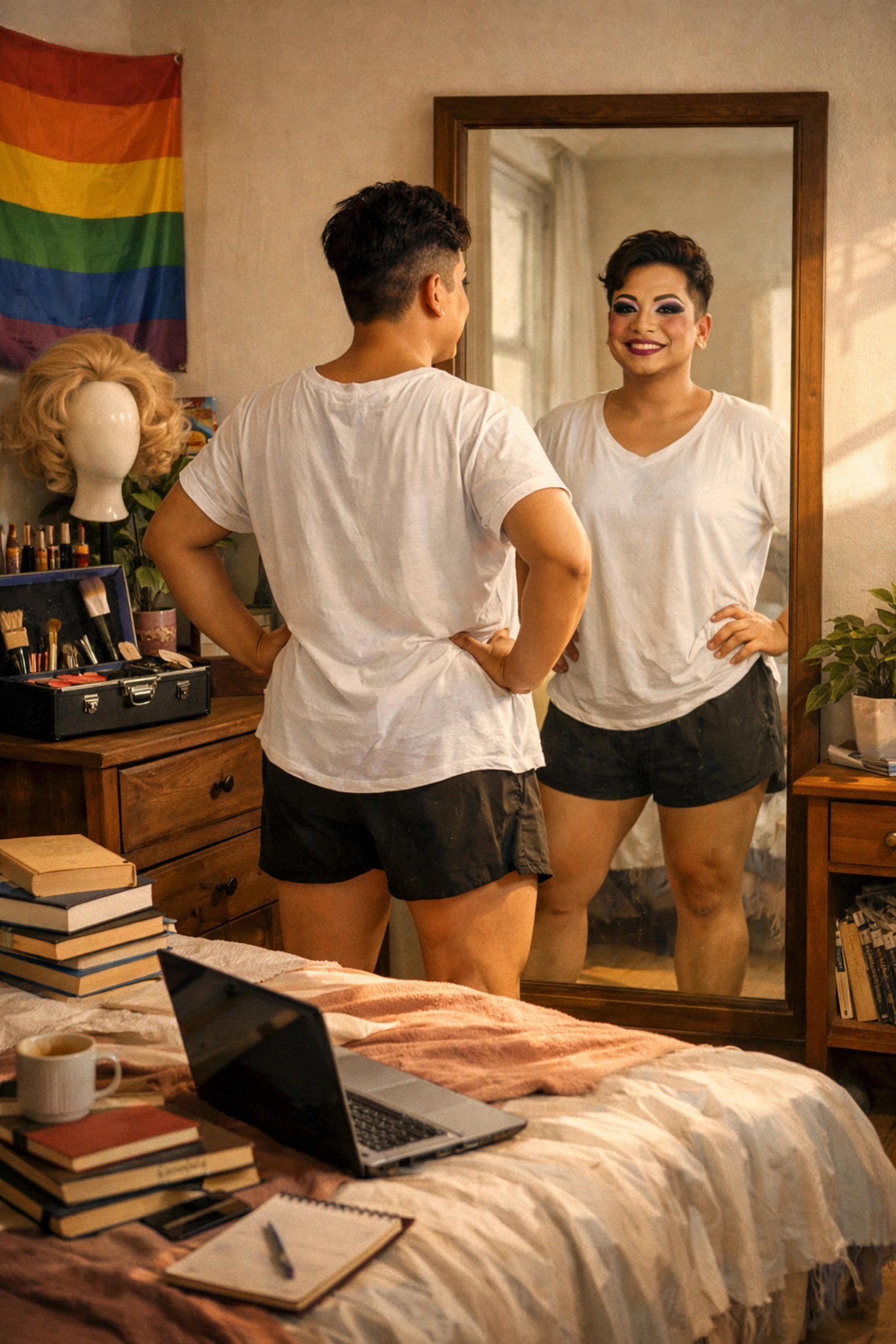
All of these experiences are valid. All of them are real. And all of them require a certain strength to navigate in a world that often wants to put people in neat, easily understood boxes.
The drag queen who identifies as male outside of drag and navigates the world as a man is making choices about visibility and safety every day. The drag performer who's gender-fluid or non-binary and moves between different presentations is constantly negotiating how they show up in the world. The drag king who's a woman offstage is challenging assumptions about gender expression in multiple directions.
None of these paths is easy. All of them require courage.
The Community That Holds You
One of the most beautiful aspects of drag culture is the community that surrounds it. The chosen families that form in dressing rooms and bars, on tour buses and in group chats. These are the people who see you at your most vulnerable, sweating through your padding, crying over a broken heel, doubting whether you're good enough, brave enough, enough enough.
They're also the ones who see you at your most ordinary. They know your coffee order and your day job drama. They've helped you move apartments and held your hand through breakups. They celebrate your non-drag achievements, the promotion at work, the new apartment, the relationship milestone, with the same enthusiasm they bring to your performance wins.
This community knows something essential: that the person behind the persona deserves love and support too. That being yourself, in all your unglamorous reality, is just as worthy of celebration as any stage moment.
The Courage of Everyday Visibility
There's a particular kind of bravery in being visibly queer in everyday spaces, and drag performers know this intimately. Whether you're in full drag or out of it, being recognizable as part of the LGBTQ+ community comes with risks and rewards.
Some performers talk about being recognized out of drag, at the grocery store, at the gym, in spaces where they're just trying to live their lives. Sometimes it's wonderful: a fan who respectfully says hello, a compliment on their work, a moment of connection. Sometimes it's uncomfortable: invasive questions, assumptions, the feeling of being watched.
And sometimes, for those living in less accepting areas, it's dangerous.
This is why we celebrate not just the performances, but the performers. Not just the art, but the artists. Not just the drag, but the people who create it and then have to navigate the world outside of it.
Finding Integration and Wholeness
The goal, for many drag performers, isn't to keep their drag life and their "regular" life completely separate. It's to find integration. To bring some of that on-stage confidence into their everyday life. To let some of their authentic vulnerability seep into their performances. To be whole, complete people who happen to do drag, rather than performers who have to shut down part of themselves when the show ends.
This integration looks different for everyone. For some, it means being more open about their drag work in their day job. For others, it's about bringing friends from "regular" life into the drag community. It might mean incorporating elements of drag aesthetics into everyday style, or finding ways to express gender fluidity consistently rather than just on stage.
The point is: there's no single right way to be yourself. The art of being yourself isn't about choosing between the performer and the person: it's about recognizing that both are real, both are valid, and both deserve to take up space in the world.
At Readwithpride.com, we're committed to telling the full spectrum of LGBTQ+ stories: the glamorous and the ordinary, the performed and the authentic, the art and the artists behind it. Because every version of you deserves to be seen, celebrated, and honored.
Follow us for more authentic LGBTQ+ content:
- Facebook: Read with Pride
- Instagram: @read.withpride
- X/Twitter: @Read_With_Pride
#ReadWithPride #LGBTQCommunity #DragCulture #QueerAuthenticity #LGBTQStories #DragQueens #QueerIdentity #LGBTQPride #AuthenticityMatters #QueerVoices #DragLife #LGBTQVisibility #QueerCommunity #PrideEveryday #LGBTQSupport #QueerArt #DragKings #NonBinaryPride #GenderExpression #LGBTQContent #QueerStories #MMRomance #GayFiction #LGBTQBooks #QueerReads

Leave a Reply
You must be logged in to post a comment.