

readwithpride.com
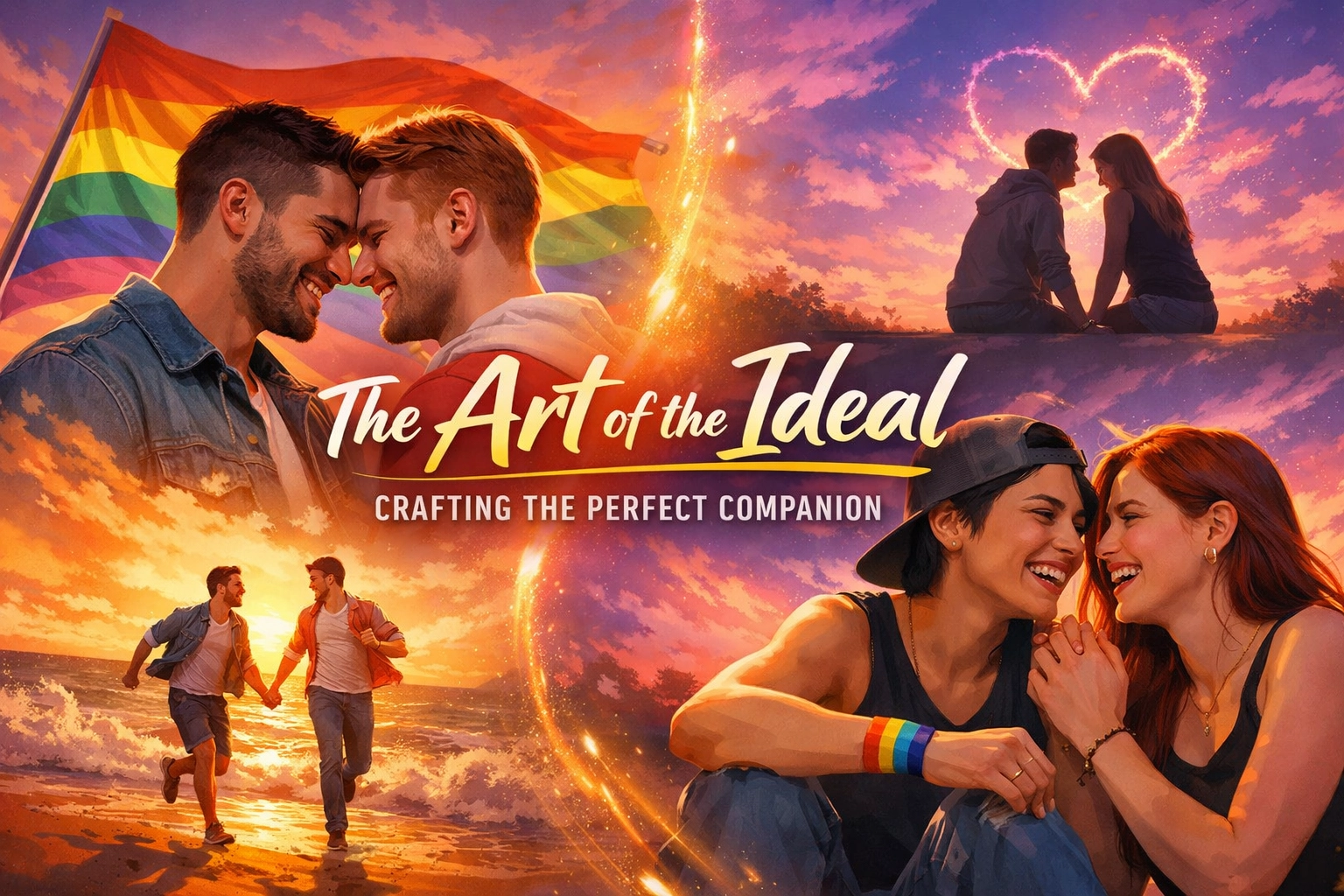
There's something quietly revolutionary happening in workshops and studios around the world. Artists and craftspeople are creating something that sits at the intersection of sculpture, technology, and deeply human longing: silicone companions that blur the line between object and presence.
For some in the LGBTQ+ community, these creations represent more than just expertly crafted forms. They're blank canvases for connection, customized solutions to isolation, and sometimes, just honest companions in a world that hasn't always made space for us.
The Sculptors Behind the Silicone
Creating a realistic silicone companion isn't something you knock out in an afternoon. We're talking about artists who've spent years perfecting their craft, understanding human anatomy at a level that would make medical illustrators jealous. Every muscle, every subtle curve, every detail matters when you're trying to capture not just how a body looks, but how it feels to be near one.
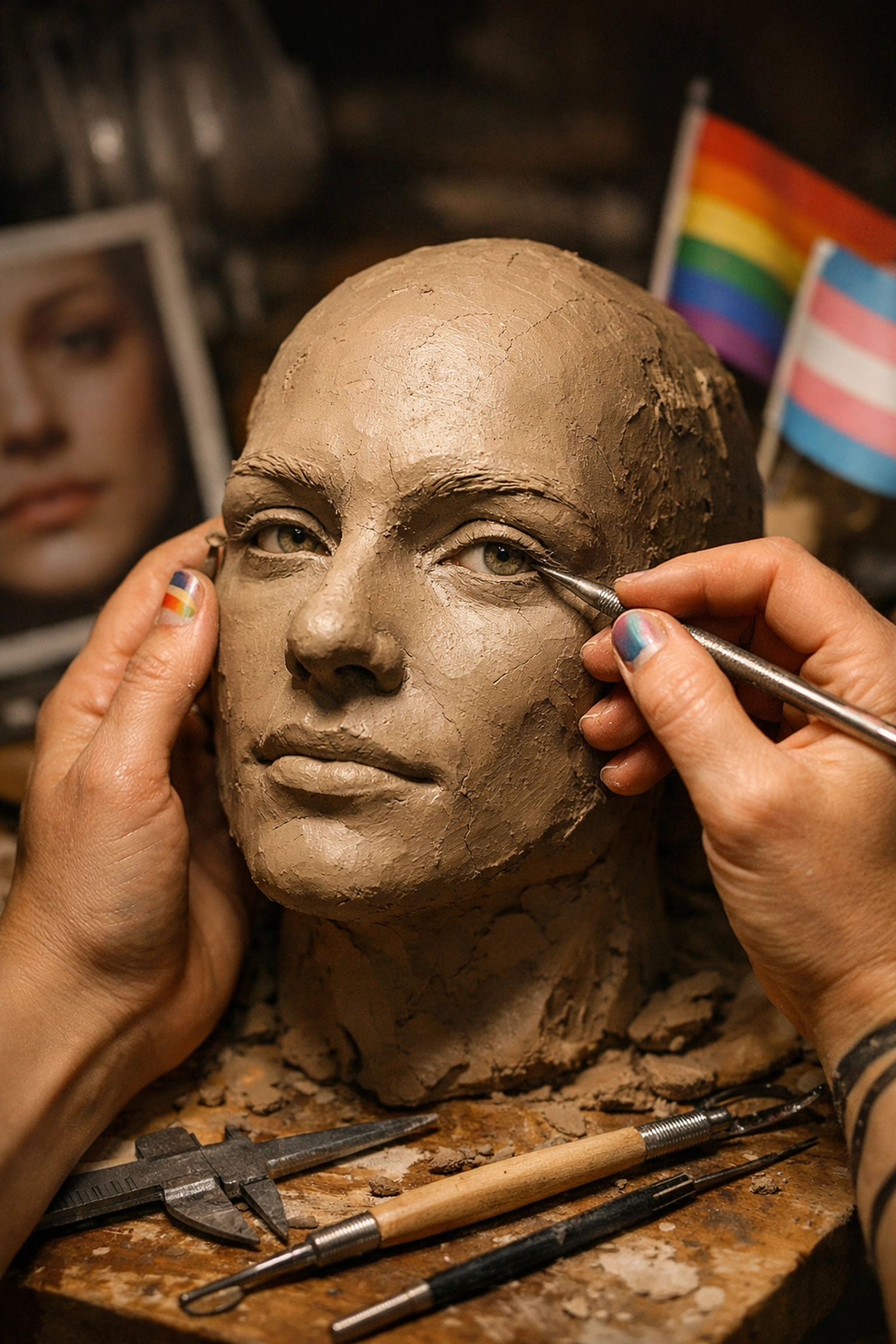
The process starts with clay or digital modeling: building the foundation of what will eventually become something startlingly lifelike. Sculptors obsess over proportions, spending weeks or months on a single figure before they're satisfied enough to move to the next stage. They study photographs, videos, real bodies, learning how light plays across skin, how weight distributes, where shadows naturally fall.
Then comes the mold-making, a technical dance of silicone layers and reinforcement that requires precision and patience. One mistake, one air bubble in the wrong place, and months of work can be compromised. The silicone itself: medical-grade, skin-safe, carefully formulated: gets poured, layer by painstaking layer, building up texture and depth that photographs can barely capture.
Customization as Self-Expression
Here's where things get interesting for us queer folks. These aren't mass-produced, one-size-fits-all creations. They're customizable in ways that acknowledge the beautiful diversity of attraction and desire within our community.
Want someone tall with dancer's legs? That can be crafted. Prefer a stockier build, broader shoulders, the kind of solid presence that makes you feel safe? Artists can sculpt that too. The level of detail available: from eye color to body hair placement, from skin tone to subtle features: means you're not settling for someone else's idea of ideal.
For gay men who've spent years seeing only narrow definitions of desirability, this customization offers something powerful: the ability to manifest attraction on your own terms. No algorithms deciding who you should want. No apps limiting your options. Just you and an artist, creating something that speaks to your specific sense of connection.
The Technology of Touch
Modern silicone companions aren't just static figures gathering dust in a corner. The technology has evolved to include articulated skeletons that allow for realistic positioning and movement. Weighted bodies that simulate actual human presence. Some even incorporate heating elements, because temperature matters when you're seeking the illusion of life.
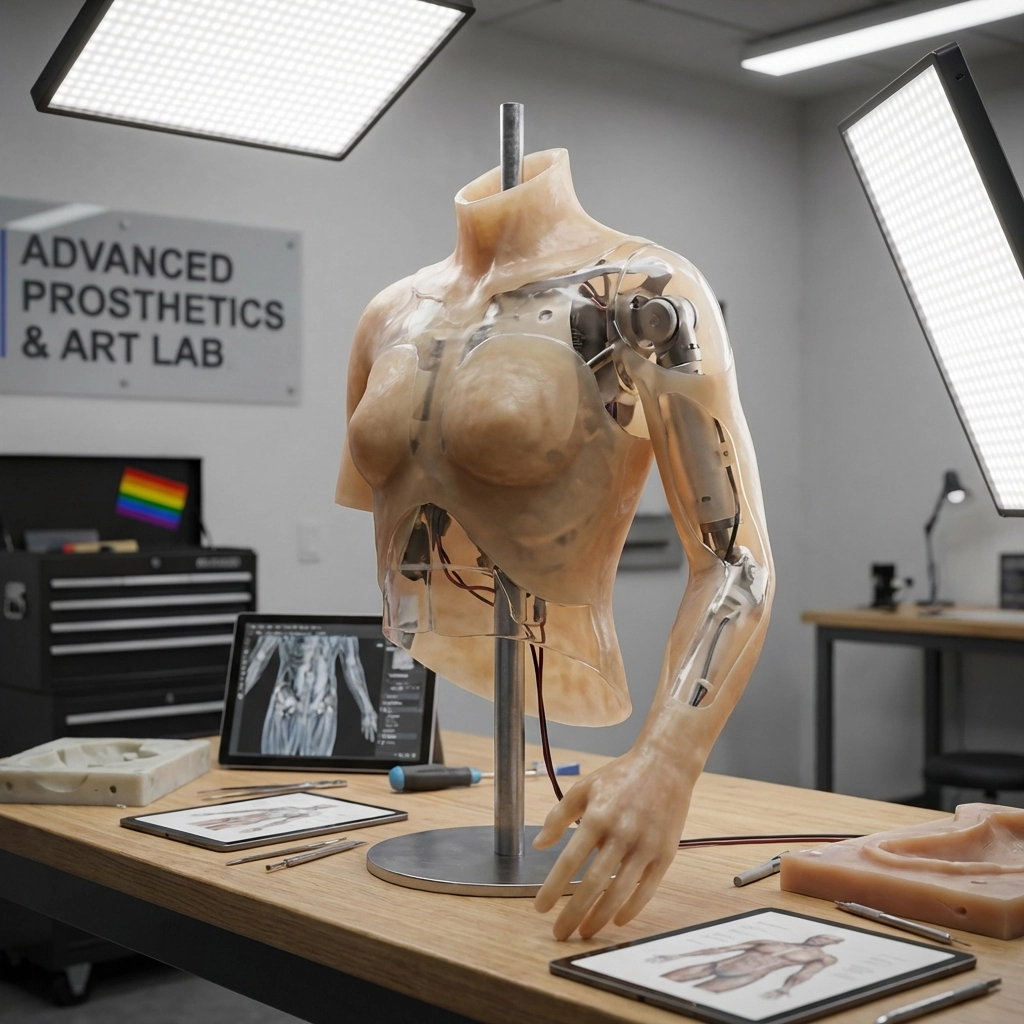
The silicone formulations themselves have become incredibly sophisticated. Different densities for different body parts, mimicking how flesh actually behaves. Subtle variations in color and texture that capture things like freckles, veins beneath skin, the slight variations that make bodies real rather than perfect.
Artists are incorporating features that respond to touch in increasingly realistic ways: materials that warm naturally from body heat, joints that hold positions with the same resistance a real body would offer. It's less about creating a perfect mannequin and more about crafting something that can occupy physical space in a believably human way.
The Honest Conversation About Loneliness
Let's talk about the elephant in the room: why someone would want this kind of companion in the first place. And let's do it without judgment, because honestly? The LGBTQ+ community knows a thing or two about loneliness.
Growing up queer often means learning to exist in isolation. Maybe your town didn't have other out folks. Maybe your family situation made dating impossible. Maybe you're in a phase of life where connection feels complicated or risky. Maybe you're working through trauma that makes human intimacy challenging. Maybe you're simply tired of navigating dating apps that feel more like combat zones than communities.
Silicone companions offer something different: presence without expectation, form without the complications that come with actual relationships. They're not a replacement for human connection (despite what the moral panic crowd might suggest), but they can be a bridge, a comfort, or simply a choice that makes sense for where someone is in their life.
The Artistic Vision
What strikes me most about the creators of these companions is how seriously they take the artistic aspect. These aren't people churning out identical products from factory molds. They're artists developing signature styles, exploring different aesthetics, pushing the boundaries of what's possible with their medium.

Some specialize in hyperrealism: companions so lifelike you'd do a double-take if you passed one in the right light. Others lean into stylized beauty, creating idealized forms that exist somewhere between reality and fantasy. There are artists focusing on specific body types, celebrating builds and features that mainstream beauty standards overlook.
The attention to detail is genuinely remarkable. Individual eyelashes applied by hand. Subtle color variations in lips. The way collarbones cast shadows. Nail beds that look like they could actually grow. Body hair placed with the randomness of real follicle patterns. It's portraiture in three dimensions, sculpture with the goal of capturing not just form but the feeling of presence.
Beyond the Binary of Object and Person
One of the more philosophical aspects of this whole world is how it challenges our assumptions about companionship and connection. We're used to thinking in simple categories: real people versus objects, human relationships versus everything else.
But the creators and owners of these companions exist in a more nuanced space. They're not delusional: they know exactly what these figures are. But they've found ways to create meaning and comfort in relationships that don't fit traditional definitions.
For some gay men, a silicone companion becomes a form of self-expression, decorated and dressed as an extension of personal aesthetic. For others, it's functional: a solution to specific needs without the complications of human dynamics. Some treat their companions as art pieces, appreciating the craftsmanship involved. Others develop more complex emotional relationships, finding comfort in the consistent presence.
None of these approaches is inherently wrong or sad. They're just different ways of navigating human needs for connection and companionship in a world that doesn't always make those things easily accessible.
The Future of Craftsmanship
As technology advances, the line between crafted companion and something more interactive continues to blur. Artists are experimenting with AI integration, creating companions that can respond to conversation. Others are focusing purely on perfecting the physical craft, believing that the artistry lies in the silence and stillness.
What remains constant is the dedication to detail, the understanding that what they're creating matters to the people who'll live with these companions. Every sculpture represents hours of labor, technical skill, and artistic vision. These aren't impulse purchases: they're significant investments of money and emotion.
The gay community has always been at the forefront of redefining relationships and connection. From chosen families to polyamory, from long-distance love to unconventional partnerships, we've consistently shown that there are more ways to build meaningful lives than the narrow paths society initially offers us.
Silicone companions are just another chapter in that ongoing story: a recognition that human needs are diverse, that comfort comes in many forms, and that there's artistry in creating solutions that acknowledge our complex realities.
For those who choose this path, may your companions be crafted with skill, treated with respect, and serve whatever purpose brings you comfort. And for the artists creating them, thank you for taking your craft seriously, for understanding that what you're making matters, and for bringing such dedication to work that exists in society's complicated margins.
Discover more authentic LGBTQ+ stories and perspectives at readwithpride.com. Connect with our community on Facebook, Instagram, and Twitter.
#LGBTQCommunity #QueerLife #GayMen #ReadWithPride #AuthenticStories #LGBTQContent #QueerPerspectives #GayLifestyle #MMRomance #LGBTQFiction #QueerStories #Readwithpride #GayBooks

Leave a Reply
You must be logged in to post a comment.