

readwithpride.com
Prison isn't designed for love stories. It's concrete and steel, barbed wire and counting down days. But here's the truth that MM romance books rarely capture: some of the most profound connections between gay men happen in the places society least expects. Behind bars, where vulnerability can be deadly and trust is currency, the protector-protected dynamic creates bonds that redefine what it means to survive, and sometimes, what it means to love.
The Reality Behind the Walls
Let's be real about what we're discussing here. Prison is dangerous for LGBTQ+ individuals. According to multiple studies, gay and trans inmates face disproportionately high rates of assault, harassment, and violence. In an environment where showing weakness can make you a target, being openly gay often paints a bullseye on your back.
That's where the protector enters the picture.
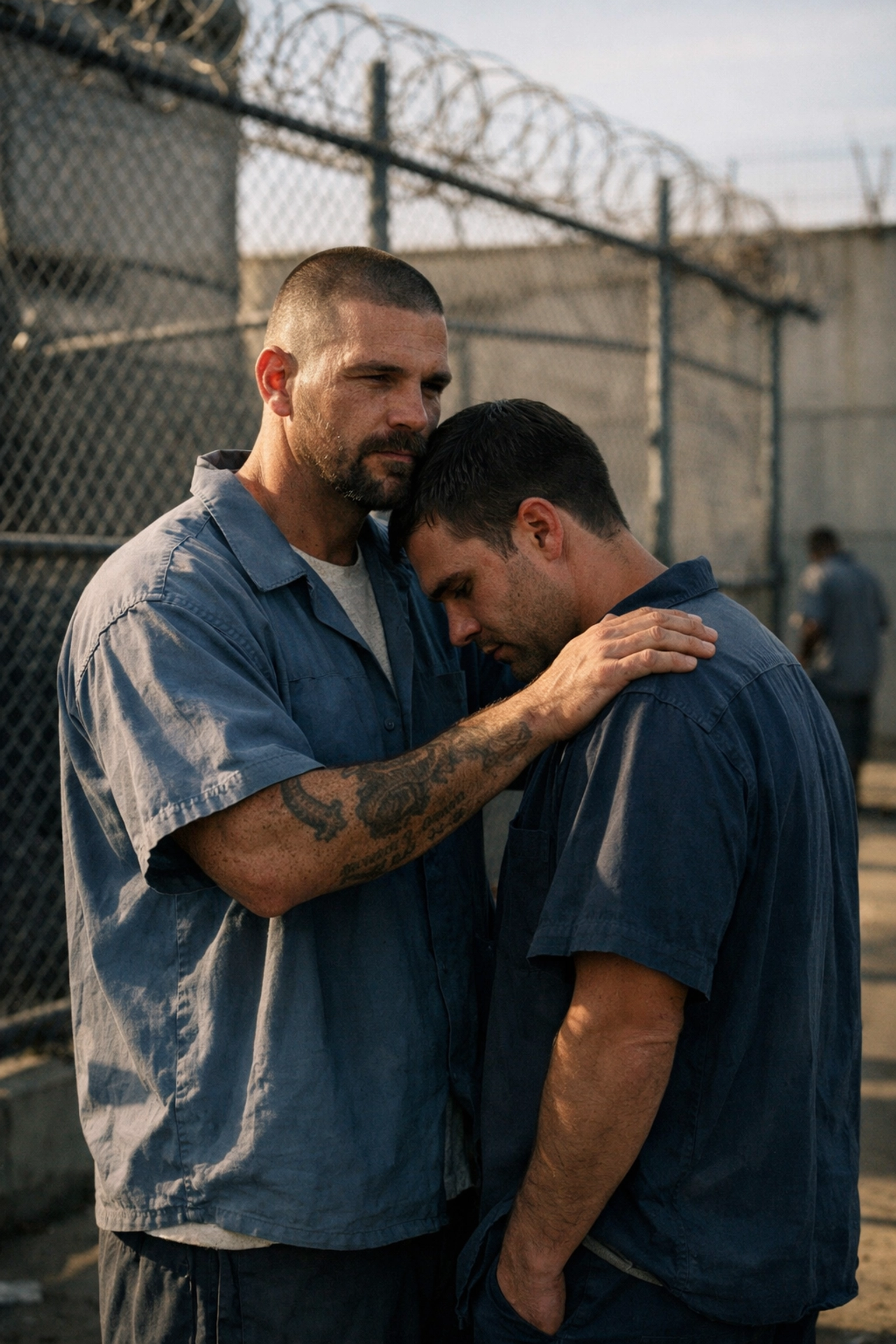
Sometimes he's someone who's been down for years, who knows the politics of the yard and the unspoken rules that keep you breathing. Sometimes he's just stronger, more connected, or respected enough that his word carries weight. The arrangement starts simple: "Stick with me. Nobody touches you." It's transactional at first, protection in exchange for commissary, companionship, or simply someone to talk to during the endless hours.
But human connection has a funny way of complicating things.
From Transaction to Transformation
What begins as survival strategy can shift into something deeper. When you're sharing a six-by-eight cell with someone, when they're the only person who knows your real name instead of your number, when they stand between you and violence day after day, intimacy becomes inevitable.
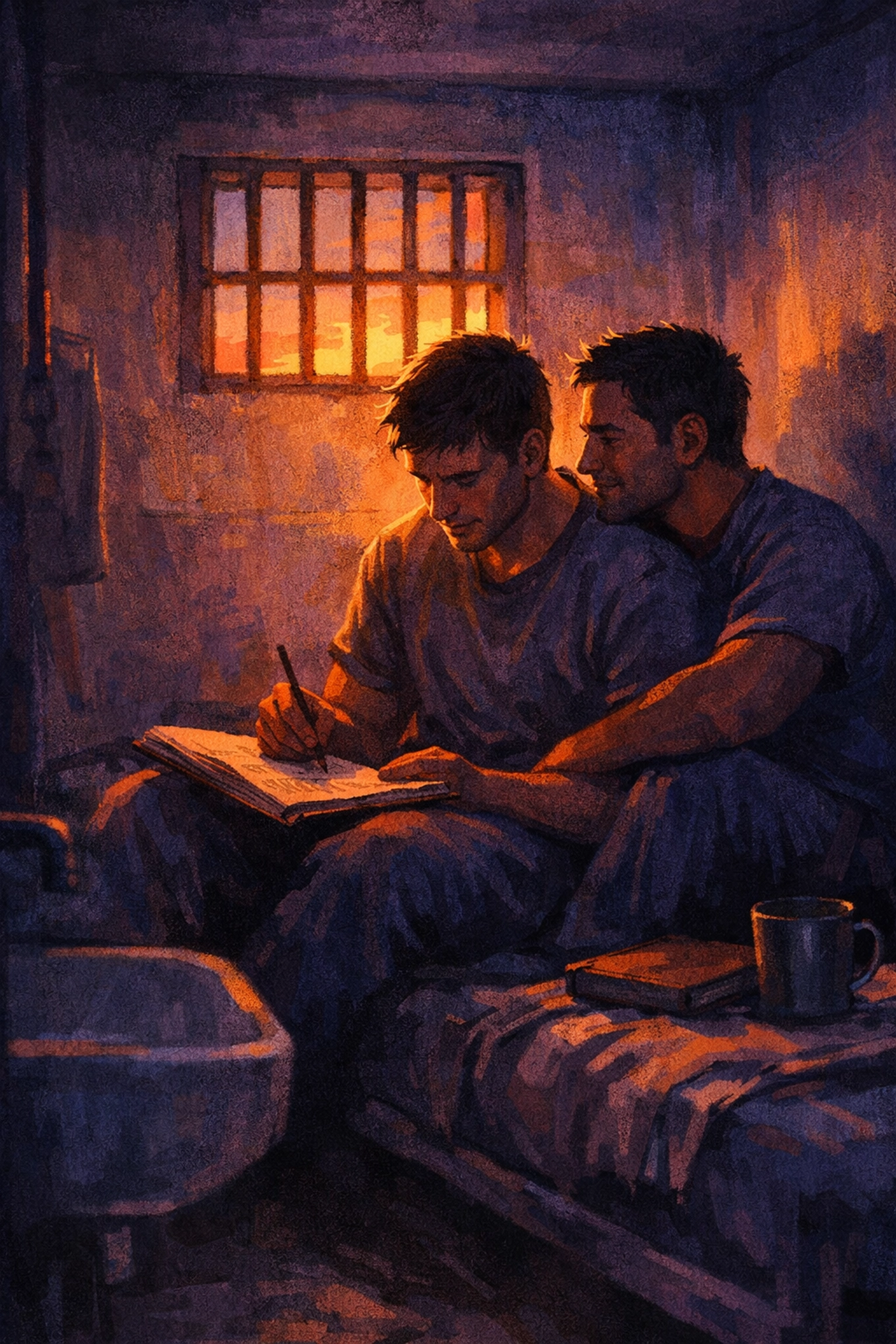
The protector starts noticing small things. How his cellie sketches in a worn notebook during count. The way he laughs at stupid jokes that break the monotony. The vulnerability he shows only when the lights go out and the guards aren't watching. That fierce need to keep someone safe transforms into something more complex: actually caring whether they're okay, whether they're happy, whether they feel seen.
For the protected, it's equally complicated. Gratitude can feel like love when someone's the reason you wake up unharmed. But over time, you start recognizing the difference between dependence and genuine affection. You see past the tough exterior your protector maintains for everyone else. You notice when he saves his dessert for you, or how he deflects conversations away from your past, protecting your dignity along with your safety.
These relationships exist in a grey zone that prison officials often misunderstand and that society prefers to ignore. But ask anyone who's been there: some of the realest love happens when you're stripped of everything else.
The Complexity of Power and Consent
Here's where we need to talk honestly about the complicated parts. The power dynamic in protector-protected relationships behind bars raises serious questions about autonomy and consent. When someone literally holds your safety in their hands, where does choice begin and coercion end?
The answer isn't simple, and that's okay. Human relationships rarely are, especially in extreme circumstances. What matters is recognizing that these dynamics exist on a spectrum. Some arrangements are purely exploitative, and we can't romanticize that reality. But others evolve into partnerships where both people find agency, respect, and yes, genuine romantic connection.
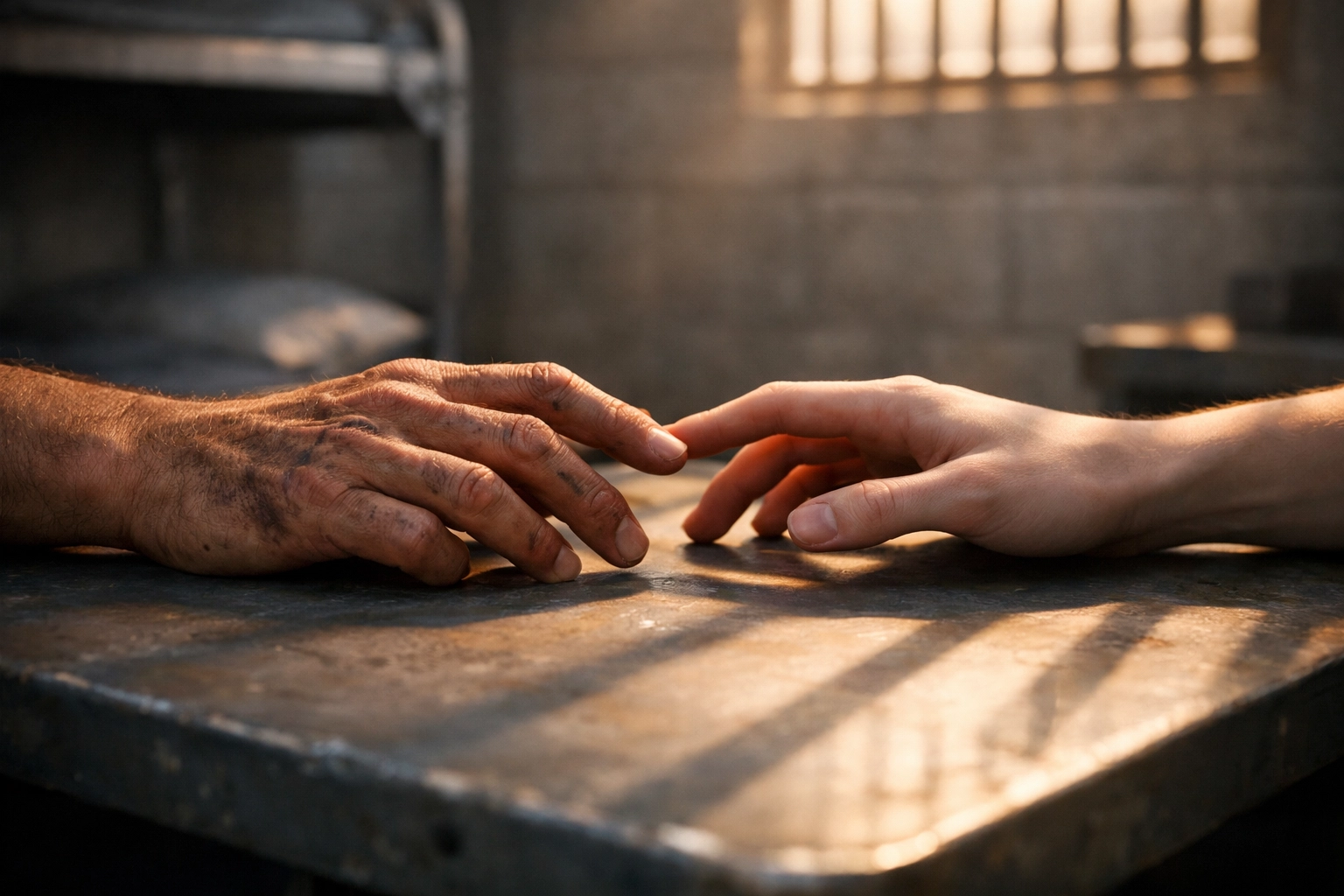
The best protectors understand that real strength means empowering your partner, not dominating them. They teach survival skills instead of creating dependence. They ask "What do you need?" instead of assuming. They create space for their partner to maintain dignity and autonomy even in an environment designed to strip both away.
And the protected partner? They bring their own strengths to the dynamic, emotional intelligence, humor, hope, reasons to be more than just a survivor. The relationship becomes reciprocal in ways that transcend the original protection arrangement.
Finding Humanity in Inhumane Places
What MM romance books and gay fiction often get right about these relationships is the fundamental human need for connection. When everything else is stripped away, freedom, privacy, dignity, the ability to connect with another person becomes everything.
Prison forces you to confront who you really are. There's no hiding behind social media filters or career success or material possessions. You're just you, raw and real. And sometimes, in that stripped-down state, people find connections more authentic than anything they experienced on the outside.
The protector-protected dynamic creates an immediate intimacy born from shared vulnerability. Yes, one person may be physically protecting the other, but both are protecting something precious: the ability to feel human in a place designed to make you forget you are.
These relationships survive on stolen moments: a hand squeeze passing in the corridor, whispered conversations during yard time, the profound intimacy of simply being seen and accepted for who you are. That's the stuff of powerful gay love stories, whether they happen in penthouses or prison cells.
The Question of Survival
Can you survive prison as a gay man without a protector? Absolutely. Many do, finding safety in numbers, keeping low profiles, or simply getting lucky with placement and circumstances. But can protection relationships lead to real love? Also yes: and denying that possibility erases the authentic experiences of LGBTQ+ people who've lived this reality.
What's crucial is recognizing that survival takes many forms. Sometimes survival is physical: making it through your sentence unharmed. Sometimes it's psychological: maintaining your sense of self and humanity. And sometimes, survival means finding someone who reminds you that you're worthy of care, protection, and love, even when society has literally locked you away.
The protector-protected bond represents a particular kind of queer resilience. It's about creating family and safety in hostile environments. It's about refusing to be isolated even when isolation is the explicit goal of your surroundings. It's about the human capacity for connection that persists despite everything.
Beyond the Walls
Many of these relationships don't survive release. The dynamics that made sense inside don't translate to life on the outside, where the daily threat that bonded you no longer exists. But some do endure. Some protectors and their partners build lives together after release, their relationship forged in fire and stronger for it.
The stories deserve to be told: not sensationalized, not romanticizing incarceration, but honoring the reality that LGBTQ+ people find love and connection in all circumstances, even the most challenging. These are gay romance novels waiting to be written with authenticity and respect. These are MM romance books that could expand our understanding of what love looks like when stripped to its essentials.
Because at the end of the day, the protector-protected dynamic behind bars teaches us something profound about gay relationships everywhere: sometimes love means standing between your partner and the world. Sometimes it means being vulnerable enough to let someone protect you. And sometimes, it means finding humanity and connection in the last place anyone expects to find it.
Discover more authentic LGBTQ+ stories at readwithpride.com
Connect with us on Facebook, Instagram, and X/Twitter
#MMRomance #GayRomance #ReadWithPride #LGBTQFiction #GayLoveStories #QueerFiction #MMBooks #GayRomanceBooks #AuthenticLGBTQStories #GayFiction #LGBTQReading #MMRomanceBooks #GayNovels #QueerLove #PrideReading #LGBTQCommunity #GayLiterature #2026GayBooks

Leave a Reply
You must be logged in to post a comment.