

readwithpride.com
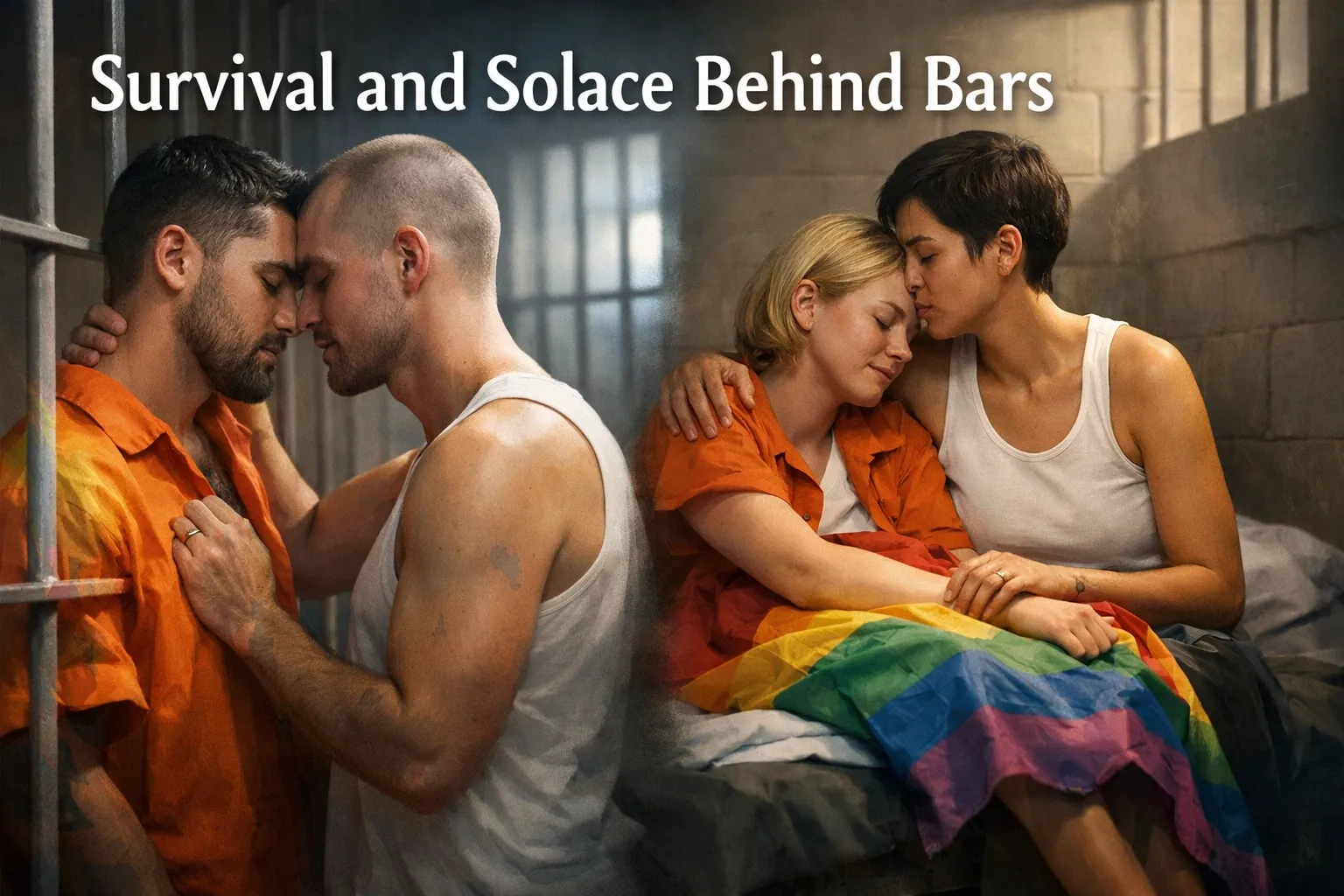
Let's talk about something most gay romance novels don't touch, what happens when love, connection, and survival intersect behind prison walls. It's not pretty, it's not always romantic, but it's deeply human. For LGBTQ+ individuals in the prison system, companionship isn't just about finding love; it's often about finding a way to survive.
The Reality of Being Gay Behind Bars
Being openly gay or queer in prison comes with its own set of challenges that straight inmates simply don't face. The hypermasculine environment, the constant need to prove toughness, and the threat of violence create a pressure cooker situation where vulnerability can be dangerous.
Yet here's the thing, LGBTQ+ people have always found ways to exist, connect, and even thrive in hostile environments. Prison is no different. The relationships that form behind bars are complex, sometimes contradictory, and often misunderstood by outsiders. They can be transactional, protective, deeply romantic, or all of the above simultaneously.
When Companionship Becomes Survival
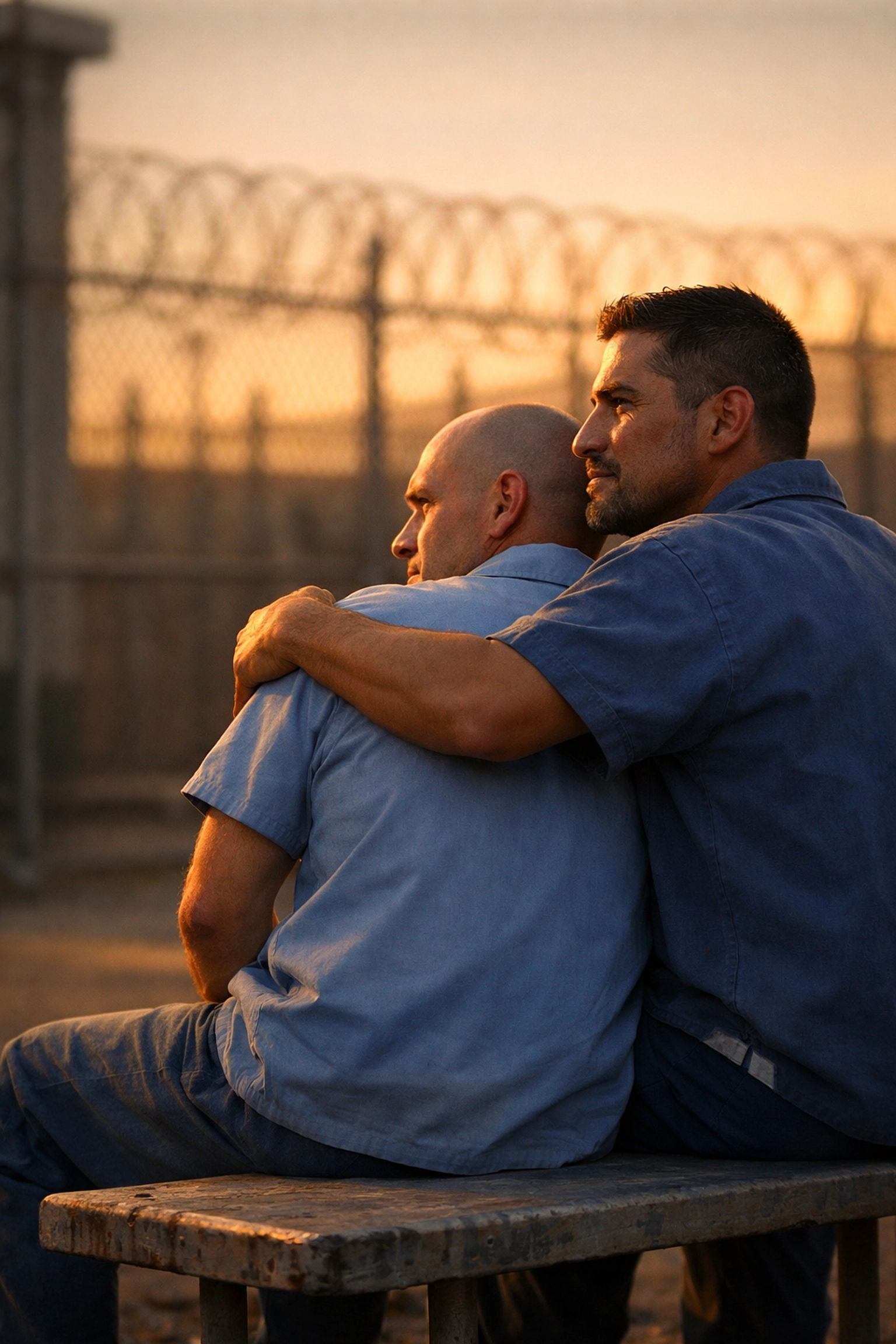
In prison, having someone in your corner isn't just emotionally comforting, it can literally keep you safe. A partner or close companion provides protection from predators, helps navigate the complex social hierarchies, and offers a buffer against the dehumanizing aspects of incarceration.
For gay men, finding a companion who genuinely cares can mean the difference between constant fear and having some semblance of peace. These relationships often start as mutual protection agreements but can evolve into something more profound. When you're stripped of everything, your freedom, your identity, your dignity, having someone who sees you as a person rather than an inmate number becomes invaluable.
The trust required in these relationships runs deep. You're essentially putting your life in someone else's hands, hoping they won't betray you, won't use your vulnerability against you, and will have your back when things get dangerous. That level of dependence creates bonds that outsiders might struggle to understand.
Romance in an Unlikely Place
Yes, real romance happens in prison. Not just survival sex or strategic alliances, but genuine emotional connections that sustain people through years of confinement. When you spend 23 hours a day in close quarters, when you have nothing but time to talk, when you're both experiencing the same trauma: intimacy develops in ways that the outside world might find surprising.
These love stories don't look like the MM romance books we celebrate at Read with Pride. There are no candlelit dinners, no walks on the beach, no grand romantic gestures. Instead, romance might mean sharing commissary snacks, writing letters when you're in different cellblocks, or simply sitting together in the yard, finding a moment of peace in the chaos.

The physical aspect exists too, despite the obvious challenges and risks. Privacy is virtually nonexistent, consequences for being caught are severe, and the emotional vulnerability required is immense. Yet people find ways because the human need for physical connection doesn't disappear just because you're incarcerated.
The Complexity of Prison Relationships
Here's where it gets complicated: not all prison relationships are what they seem from the outside. Some men who never identified as gay before incarceration form same-sex relationships during their time inside. Are they really gay, or is it situational? The answer is: it doesn't really matter. Labels become less important when you're focused on survival and finding whatever humanity you can in an inhumane system.
There's also the phenomenon of "gay for the stay": straight-identified men who engage in same-sex relationships while incarcerated but return to heterosexual relationships upon release. This can create heartbreak for gay partners who develop genuine feelings, only to be abandoned when freedom arrives.
The power dynamics can be troubling too. Sometimes what looks like a consensual relationship is actually coercion disguised as protection. Young, vulnerable inmates might feel pressured to enter relationships with more established prisoners for safety. The line between choice and survival becomes blurred.
Finding Solace in Shared Experience
Beyond romantic or sexual relationships, the friendships that form between LGBTQ+ inmates provide crucial emotional support. Having someone who understands what it's like to navigate homophobia on the outside AND the brutal reality of prison creates a bond that helps people maintain their sanity.
These connections offer a space where you can be yourself without the constant performance of toughness. You can talk about your fears, your regrets, your hopes for the future. You can reminisce about queer nightlife, past relationships, or the freedom to simply hold hands in public. These conversations become a mental escape when physical escape is impossible.
Support groups and educational programs specifically for LGBTQ+ inmates exist in some facilities, providing safer spaces for connection and healing. These programs recognize that queer inmates face unique challenges and deserve targeted support. When available, they can be lifelines.
Staying Human in a Dehumanizing System
The real challenge of prison isn't just physical survival: it's maintaining your sense of self when the system is designed to strip away your identity. Having a companion, whether romantic or platonic, helps you remember who you are beneath the inmate number.
They remind you of your capacity for love, kindness, and connection. They challenge you to be better, to use your time productively, to plan for a future beyond the walls. The best prison relationships push both people toward growth rather than pulling them deeper into the prison mentality.
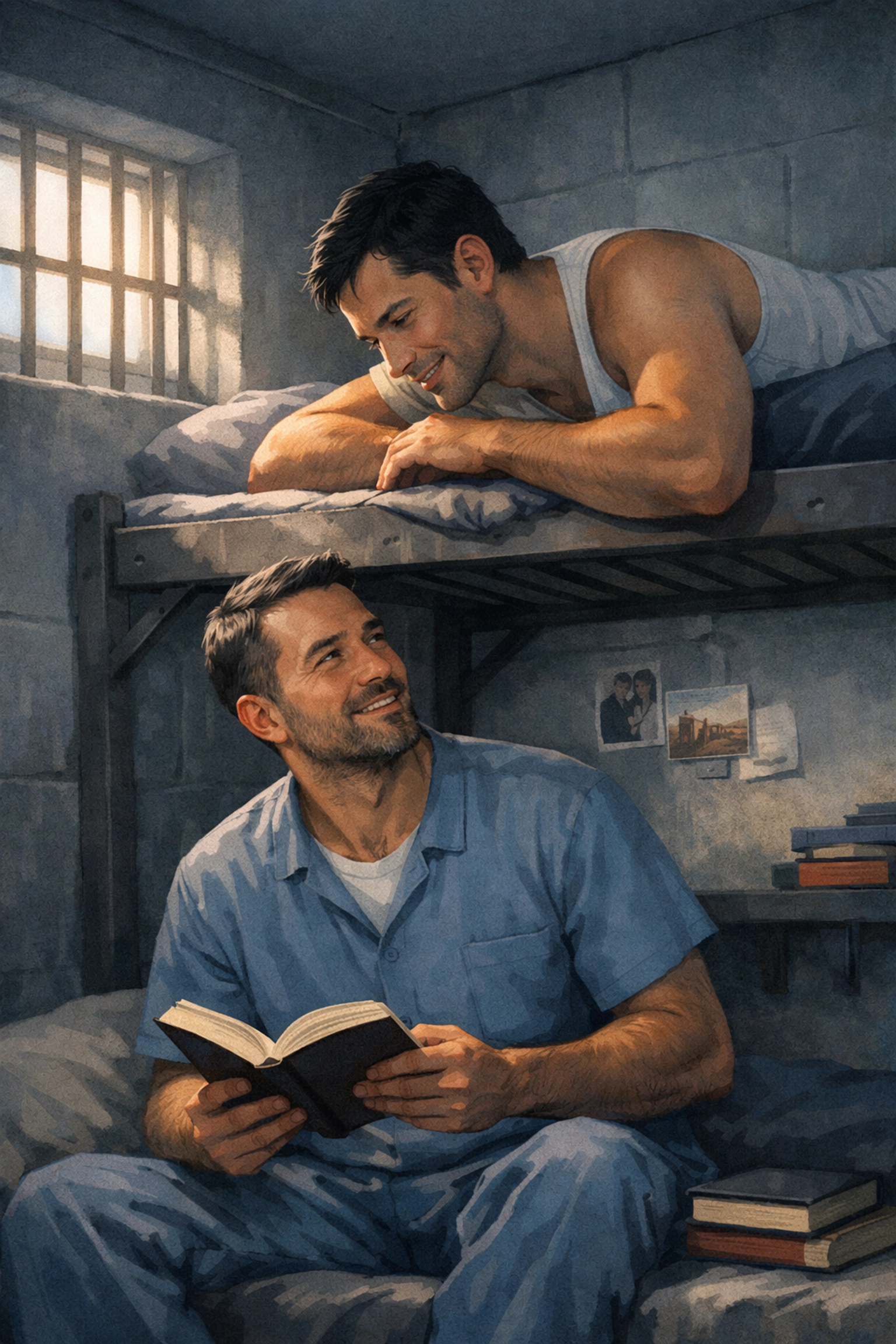
Education, fitness, creative pursuits: these activities become even more meaningful when you have someone to share your progress with. Maybe you're both working toward your GED, or supporting each other's sobriety, or reading the same books and discussing them afterward. These shared goals create purpose and hope.
Life After Release
One of the most painful aspects of prison relationships is what happens when release dates arrive. Sometimes both partners get out and try to make it work on the outside. Sometimes it works. Often it doesn't. The relationship that sustained you through incarceration might not translate to freedom.
There's grief in that, but also gratitude. The person who helped you survive prison served their purpose, even if they can't be part of your future. For those continuing LGBTQ+ relationships after release, the challenges are different but still significant: rebuilding life with a felony record while maintaining a relationship formed in trauma.
Some former inmates find their way to gay romance books and MM fiction as a way to process their experiences or simply enjoy the love stories they couldn't live while incarcerated. Reading about healthy, consensual, joyful gay relationships can be healing after experiencing love in such a constrained environment.
The Human Need for Connection
At its core, this topic reminds us that the need for connection, intimacy, and love doesn't disappear just because someone is incarcerated. LGBTQ+ people in prison face compounded challenges, but they also demonstrate remarkable resilience in finding ways to survive, support each other, and maintain their humanity.
These stories matter. They're not always pretty or comfortable, but they're real. They remind us that everyone deserves dignity, safety, and the possibility of connection: even behind bars. Whether it's strategic alliance, deep friendship, or genuine romance, the companionship found in prison often makes the difference between merely surviving and actually living.
Ready to explore more authentic LGBTQ+ stories? Follow us on Facebook, Instagram, and X/Twitter for daily updates, recommendations, and community discussions.
#ReadWithPride #LGBTQStories #GayRomance #MMRomance #QueerFiction #AuthenticVoices #LGBTQCommunity #PrisonReform #HumanConnection #GayFiction #QueerNarratives #LGBTQReading #GayLoveStories #MMBooks #2026Reading

Leave a Reply
You must be logged in to post a comment.