

readwithpride.com
Marcus pressed his fingers against the piano keys, letting the chord ring out through the empty rehearsal space in Old Fourth Ward. Outside, Atlanta hummed with its usual energy: traffic, construction, the distant rumble of MARTA trains cutting through the city. But in here, it was just him and the music, the way it had always been.
He'd moved to Atlanta three years ago from a small town in Alabama where being gay meant keeping your head down and your mouth shut. Atlanta promised something different. Something bigger. The "capital of the New South," people called it. A place where queer folks could breathe.
And mostly, they were right.
Finding Your Frequency
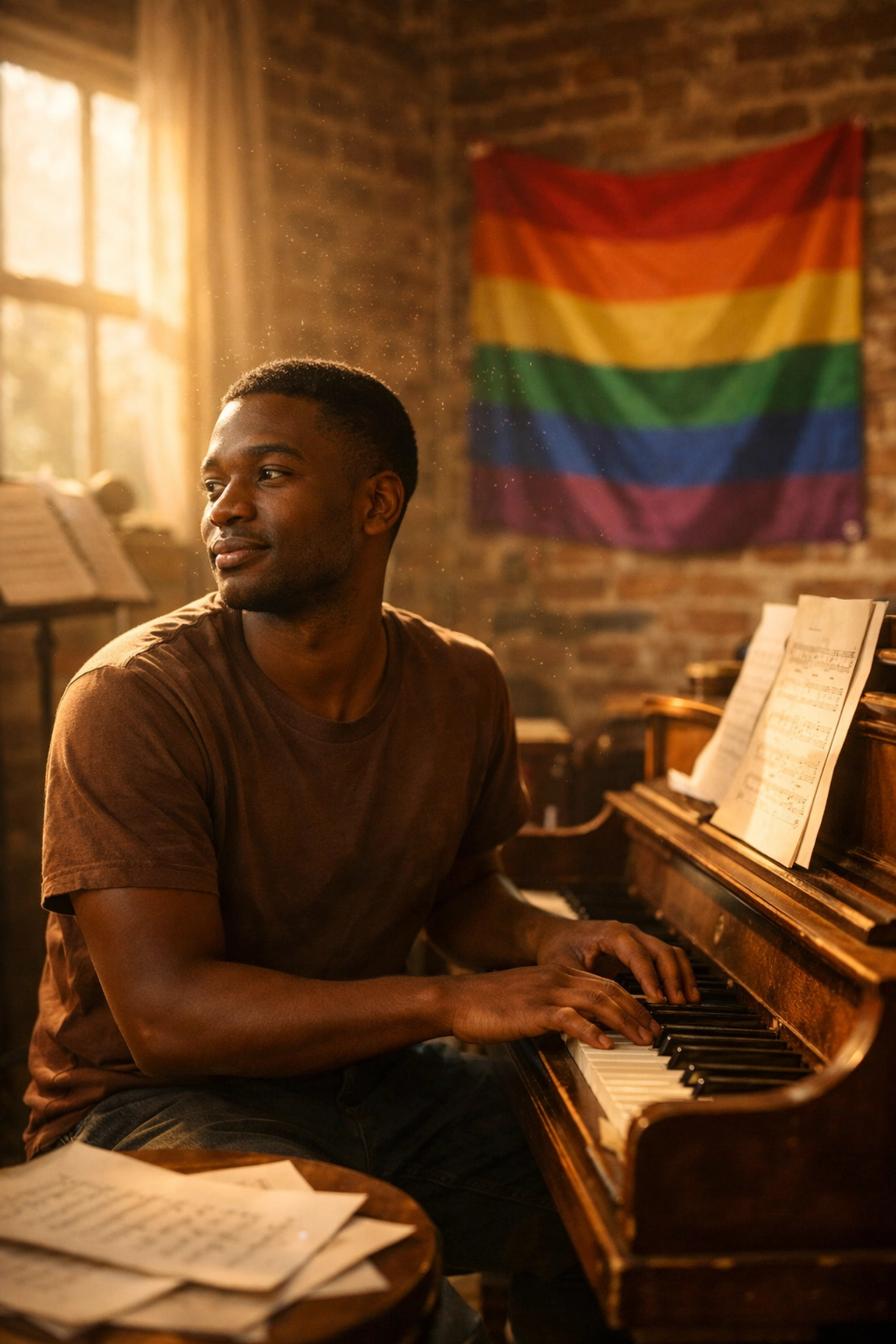
The first thing Marcus noticed about Atlanta wasn't Piedmont Park or the rainbow crosswalks in Midtown: though those came later. It was the music. Every corner of this city had a soundtrack. From the trap beats spilling out of cars on Peachtree to the gospel choirs that shook church walls on Sunday mornings, Atlanta lived and breathed rhythm.
For Marcus, music had always been the language he spoke best. Growing up, it was easier to express feelings through melodies than words. Safer, too. When you couldn't say "I think I'm gay" out loud, you could play Chopin's nocturnes and let the longing speak for itself.
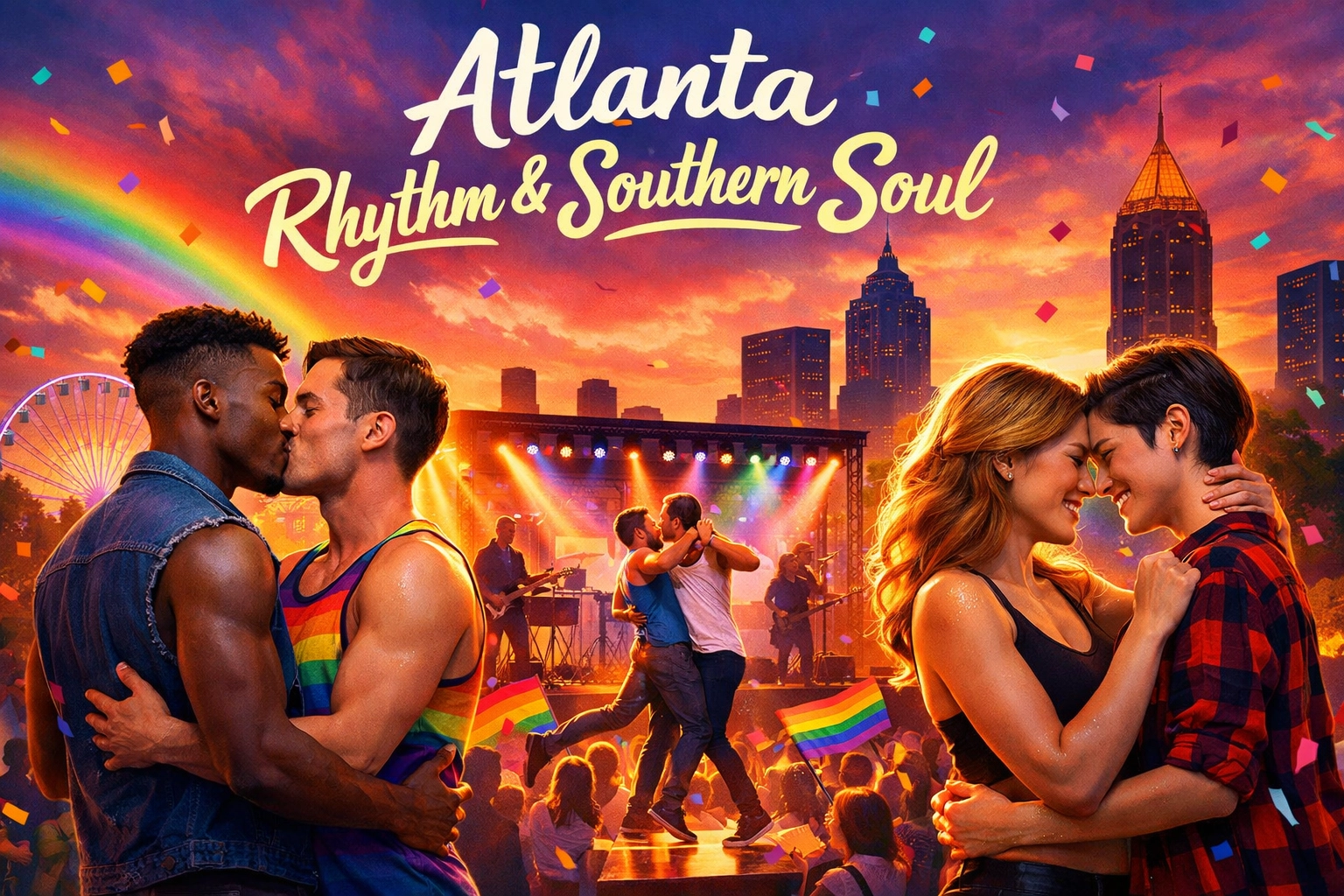
In Atlanta, he discovered he wasn't alone in that. The city's LGBTQ+ community had carved out spaces where queer artists could exist loudly, proudly, unapologetically. Blake's on the Park hosted open mic nights where drag queens belted out power ballads between comedy sets. The Southern Fried Queer Pride festival turned Piedmont Park into a celebration of Southern queer culture every Labor Day weekend. And in venues scattered across East Atlanta Village and Grant Park, queer musicians were redefining what Southern soul could sound like.
Marcus found his people at a place called The Resonance, a collectively-run music venue in Cabbagetown. It wasn't much to look at from the outside: just a converted warehouse with peeling paint and a hand-painted sign. But inside, it was magic.
The Collective Sound
"You play?" A voice interrupted his thoughts during his first visit. Marcus turned to find Jade, a nonbinary singer-songwriter with an undercut and kind eyes, gesturing toward his hands. Apparently, he'd been unconsciously tapping out rhythms on the bar.
"Piano, mostly," Marcus admitted.
"We could use a keys player. Interested?"
That was how he joined Strange Fruit, a queer collective that blended soul, R&B, and experimental sounds into something entirely their own. The group was diverse: Jade on vocals and guitar, TJ on drums, Carmen on bass, and Maya weaving in saxophone lines that could make you cry or dance depending on the song.
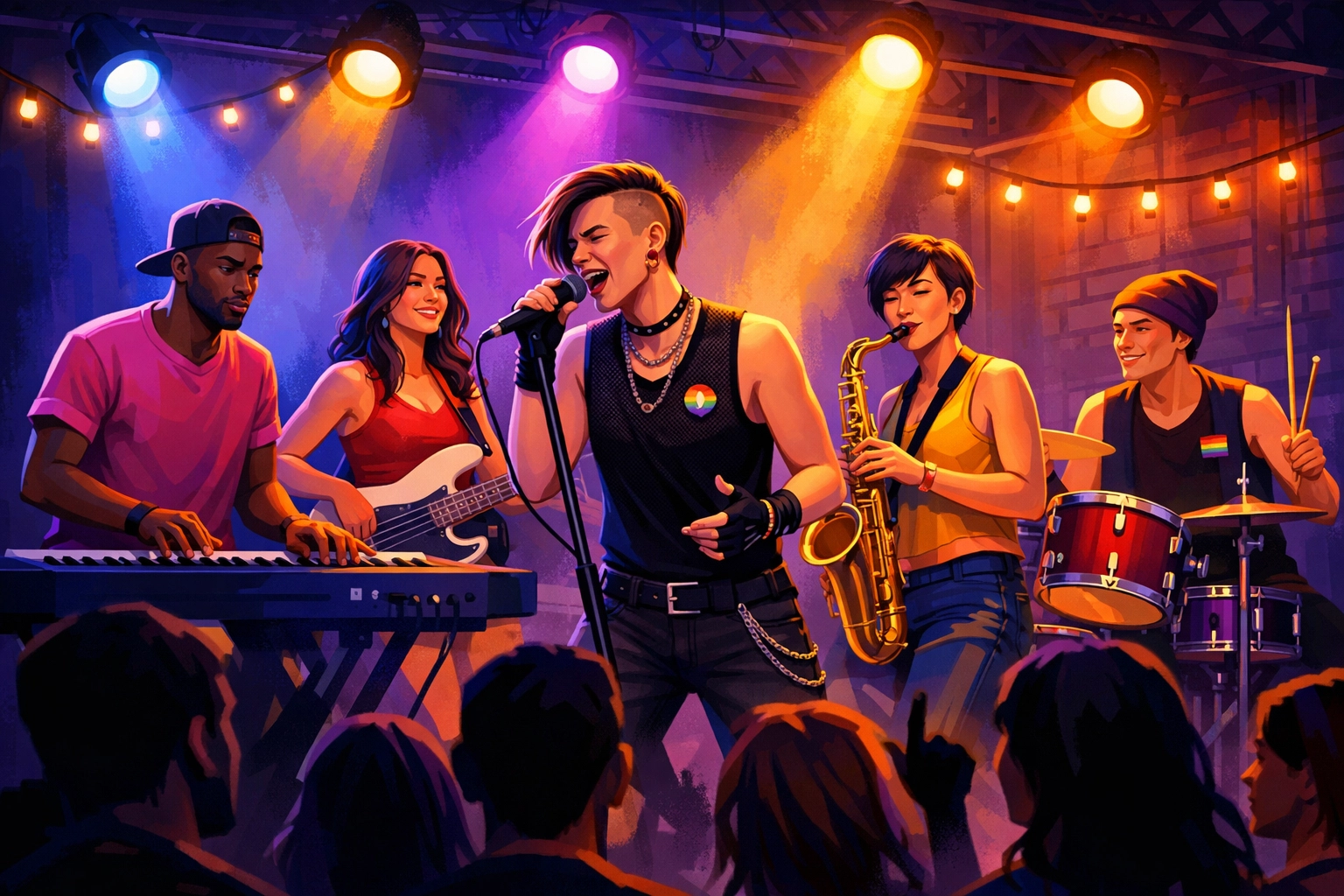
They rehearsed twice a week, crammed into that rehearsal space in Old Fourth Ward, working through original compositions that told queer stories. Songs about coming out to Southern families. About finding chosen family in Atlanta's vibrant neighborhoods. About love that didn't fit into neat boxes, about gender as fluid as the Chattahoochee River, about surviving in a region that still had complicated relationships with LGBTQ+ rights.
"The South gets a bad rap," Jade said one night between songs. "Like queer folks don't exist here, or if we do, we're just waiting to escape to New York or LA. But we're here. We've always been here. And we've got stories worth telling."
Those stories became their mission. Strange Fruit played shows at The Resonance, at Mary's in East Atlanta, at rotating house shows in Edgewood and Kirkwood. They built a following: other queer folks hungry for music that reflected their experiences, straight allies who came to listen and learn, curious souls drawn to something raw and real.
Activism in Harmony
But music wasn't just about entertainment. In Atlanta, it was a form of activism.
When Georgia's legislature threatened new anti-LGBTQ+ bills, Strange Fruit organized benefit concerts. When a local queer youth center lost funding, they rallied the music community for fundraising shows. When trans folks faced discrimination in housing and healthcare, they used their platform to amplify those voices.
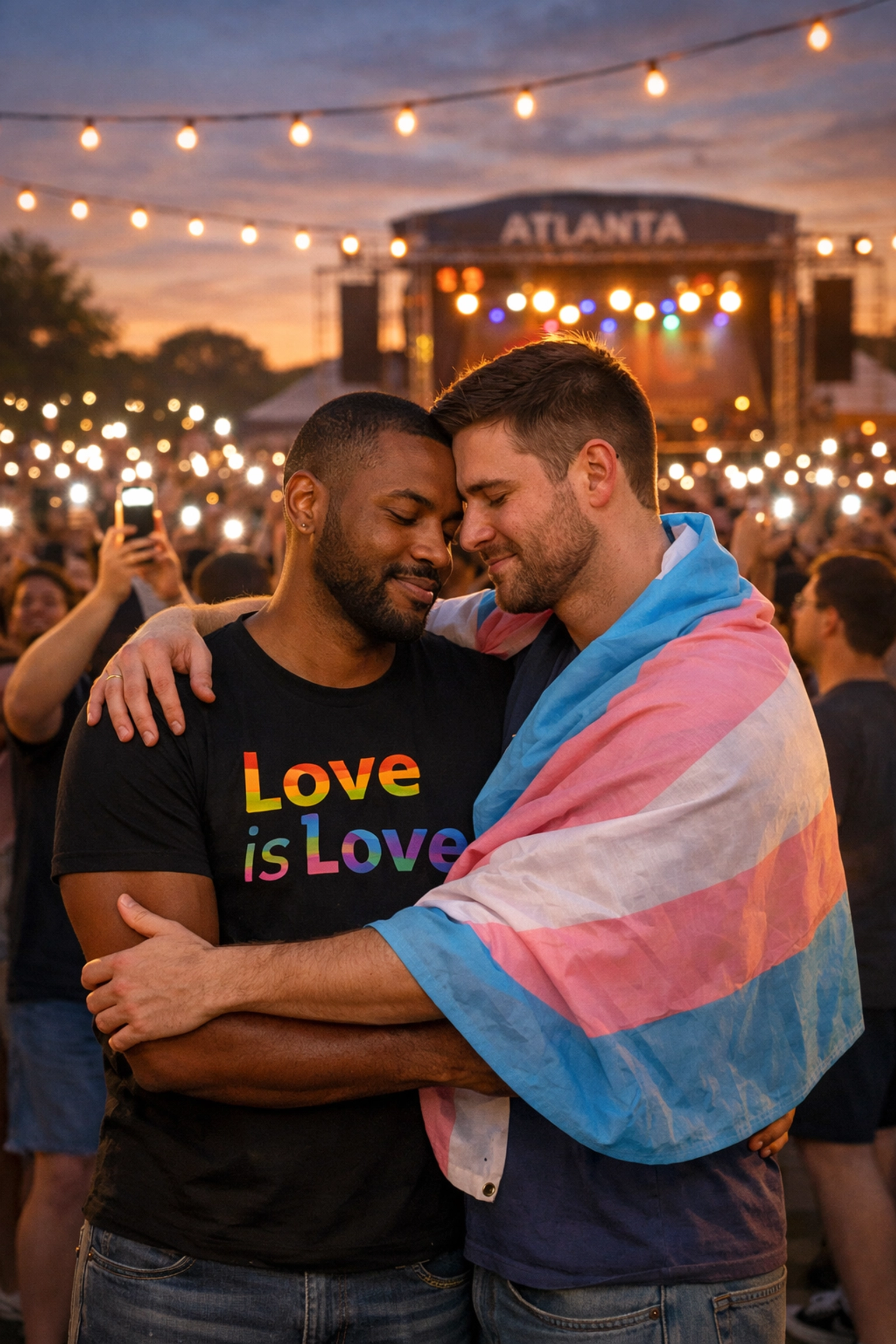
Marcus learned that in Atlanta's queer scene, art and activism weren't separate: they were harmonies in the same song. The city had a long history of this, from the Civil Rights Movement to the HIV/AIDS crisis to the ongoing fights for trans rights and racial justice. Music had always been part of that resistance, that resilience.
He thought about his Alabama hometown, about being closeted and scared. About the silence. Here in Atlanta, he was learning to be loud. To use his gifts not just for personal expression but for collective liberation.
"Your music matters," Carmen told him after a particularly powerful show where they'd raised money for LGBTQ+ asylum seekers. "Not just the notes you play, but what you're saying with them. You're giving people hope. You're telling them they're not alone."
Southern Comfort, Queer Style
Living in Atlanta as a gay man meant navigating contradictions. The city was progressive by Southern standards: a blue dot in a red state, with a thriving gay community in Midtown and beyond. But step outside the city limits, and the landscape shifted. The Bible Belt still had its grip, and not everyone was welcoming.
Marcus learned to code-switch, to read rooms, to know when it was safe to hold hands with a date and when it wasn't. He learned about Cheshire Bridge Road's history as the city's red-light district that had once housed gay bars before gentrification changed the landscape. He learned about the Sweet Auburn district's queer Black history, about the underground ballroom scene, about the house mothers and drag legends who'd paved the way.
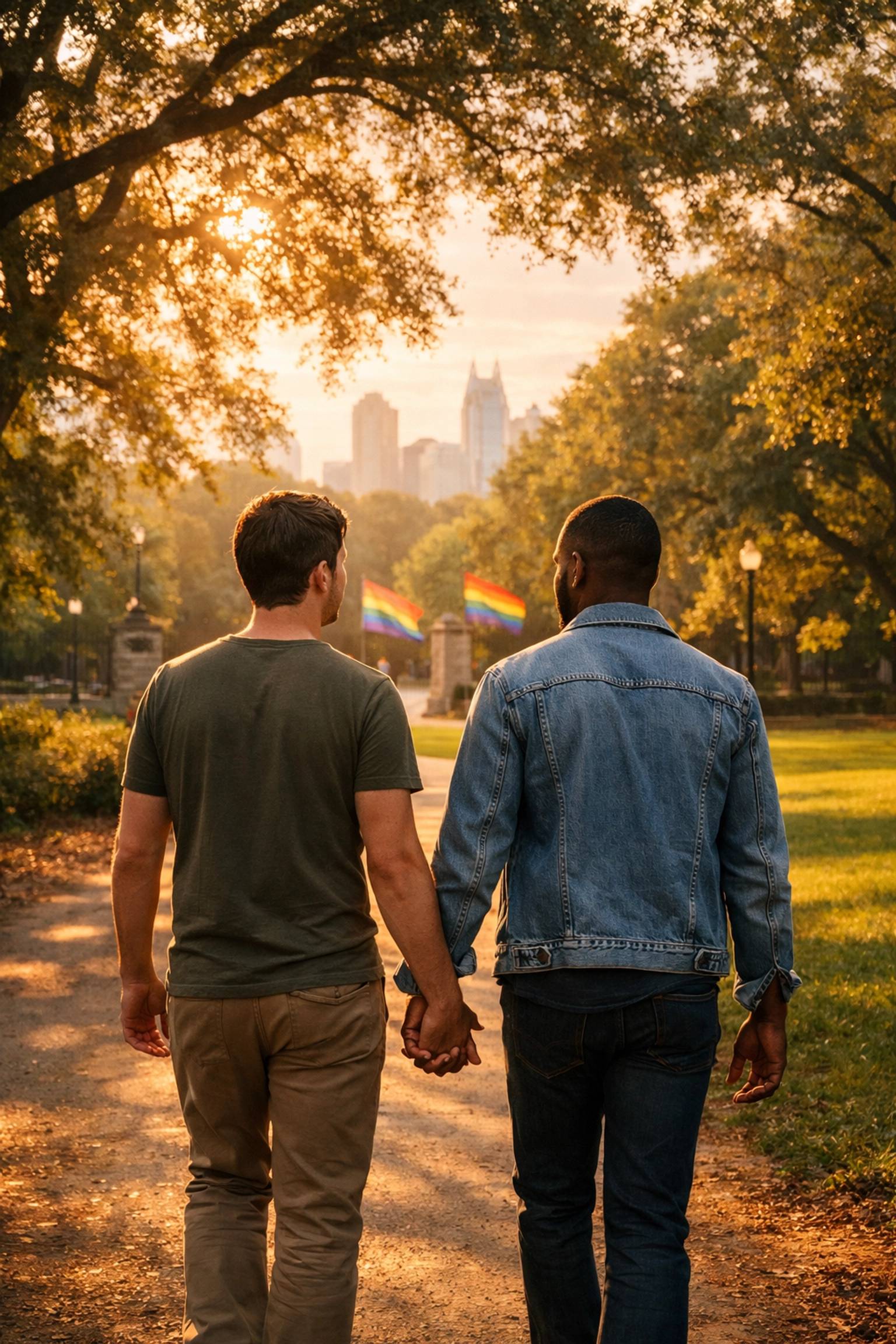
He also learned about joy. About Sunday brunches at Midtown restaurants where bottomless mimosas flowed and drag queens roamed between tables. About Pride festivals that took over the entire city center. About chosen families gathering for Friendsgiving dinners and New Year's Eve parties. About finding love: messy, complicated, beautiful love: in a city big enough to contain multitudes.
Atlanta taught him that Southern and queer weren't contradictions. That you could love sweet tea and rainbow flags. That hospitality and authenticity could coexist. That the New South could make space for all of them: as long as they kept fighting for it.
The Sound of Home
Three years in, Marcus couldn't imagine living anywhere else. He'd found his rhythm in Atlanta, literally and figuratively. Strange Fruit had released an EP that got picked up by queer fiction podcasts and LGBTQ+ music blogs. They'd opened for bigger acts at the Variety Playhouse and the Earl. They'd built a community of musicians, artists, activists, and dreamers who were all trying to make Atlanta: and the South: a little more free.
On stage at The Resonance, Marcus let his hands move across the keys, building the intro to their newest song. Behind him, TJ counted them in with clicking drumsticks. Carmen's bass thrummed through the floor. Maya's sax wailed. And Jade's voice rose above it all, singing about finding home in unexpected places.
The crowd: a beautiful mix of queer folks and allies, all ages and backgrounds: swayed and sang along. This was Atlanta. This was what they'd built together. This was gay romance with a city, a love story written in music and activism and the stubborn insistence on existing, thriving, creating.
Marcus smiled as the song built to its bridge, his left hand pounding out the rhythm while his right danced over the melody. The New South had rhythm, all right. And it was queer as hell.
At Read with Pride, we celebrate LGBTQ+ stories from every corner of the world: from Atlanta's music scene to MM romance books that capture the complexity of queer life. Explore our collection of gay romance novels and queer fiction that honor diverse experiences and authentic voices.
Follow us on Facebook, Instagram, and X for more LGBTQ+ content, book recommendations, and community stories.
#ReadWithPride #LGBTQAtlanta #QueerSouth #GayAtlanta #MMRomance #QueerFiction #GayRomanceBooks #LGBTQBooks #NewSouth #QueerActivism #GayLoveStories #MMRomanceBooks #LGBTQCommunity #QueerMusic #SouthernPride #GayFiction #LGBTQReading #AuthenticVoices #MMNovels #GayLiterature

Leave a Reply
You must be logged in to post a comment.