

readwithpride.com
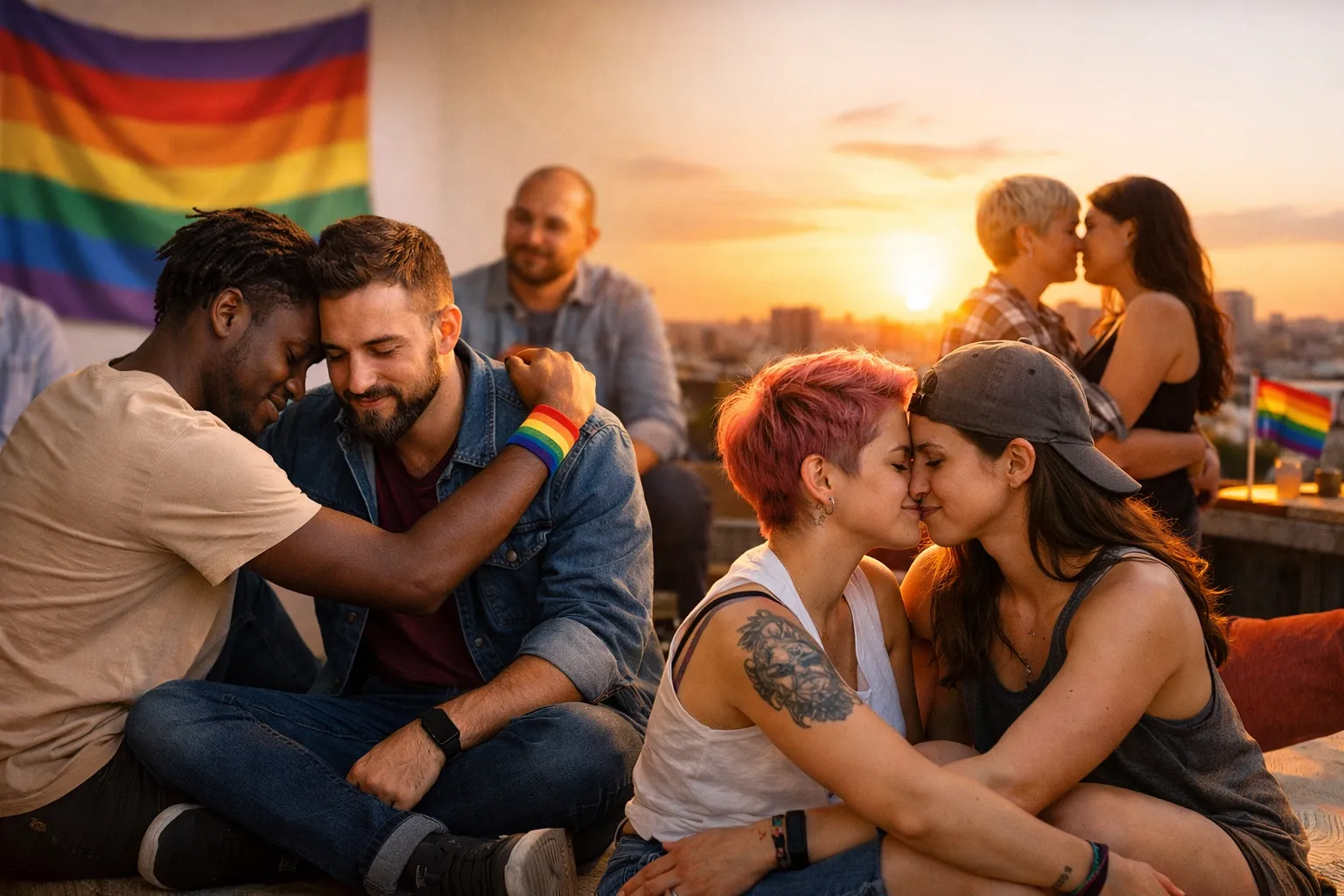
There's something powerful about walking into a room where everyone gets it. Not just the queer part. Not just the Black part. But both. At the same time. Without explanation. Without code-switching. Without that exhausting mental calculation of which parts of yourself are safe to show.
That's the magic of Black-only queer spaces: and why they're not just nice to have, but absolutely essential for healing and survival.
The Weight of Double Consciousness
W.E.B. Du Bois wrote about double consciousness over a century ago: that sense of "always looking at one's self through the eyes of others." For Black queer folks, that doubles again. You're navigating predominantly white LGBTQ+ spaces where your Blackness feels hypervisible, and predominantly straight Black spaces where your queerness feels like a secret you're keeping from family.
It's exhausting. You're constantly translating yourself, editing your joy, dimming your light to make others comfortable. In predominantly white gay bars, you might face the sting of "no fats, no fems, no Blacks" attitudes that still linger beneath the surface. In Black community spaces, you might hear queer identities dismissed as "a white thing" or face religious condemnation that cuts deeper because it comes from home.
And then there's the world at large. From Lagos to London, Kingston to Kansas City, Black queer people face unique vulnerabilities. In many African and Caribbean countries, being gay is still criminalized: sometimes with life imprisonment or death penalties. Even in places where it's legal, the intersection of racism and homophobia creates a particular kind of danger that's hard to explain to people who haven't lived it.
Why Black-Only Queer Spaces Matter
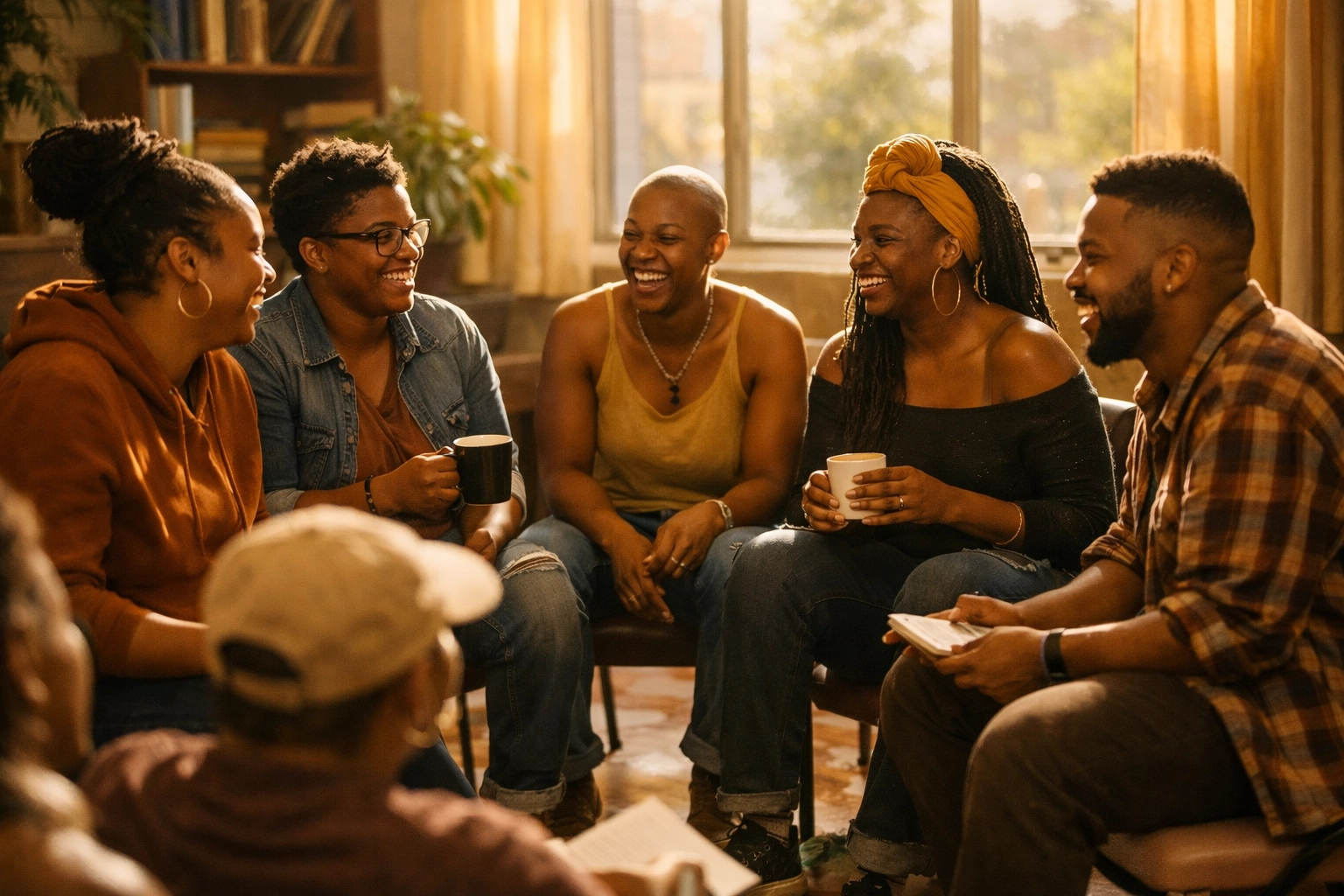
This is where Black queer spaces become lifelines. These aren't just social clubs or networking events. They're sanctuaries where you can finally exhale. Where your experiences aren't questioned, where your existence isn't a debate, where you don't have to choose which part of your identity to prioritize.
In these spaces, healing happens organically. Someone mentions a microaggression they experienced at work, and three other people nod knowingly. Someone shares their coming out story, and the room recognizes the specific complications of disappointing a Black mother or disappointing your church community. The validation is instant and profound.
These spaces also create room for joy: unfiltered, unapologetic Black queer joy. The kind where you can play Beyoncé and Lil Nas X back-to-back without anyone raising an eyebrow. Where your fashion choices, your references, your humor don't need translation. Where dating conversations acknowledge the specific complications of apps that fetishize or ignore Black bodies.
The Healing Power of Witnessing Each Other
One of the most transformative aspects of Black queer community spaces is simply seeing other people like you thriving. When you grow up without representation: without seeing Black queer people living full, successful, joyful lives: it's easy to internalize the idea that happiness isn't meant for you.
But then you walk into a space filled with Black queer professionals, artists, activists, parents, and elders who have navigated these waters before you. You see the 40-year-old couple who've been together for fifteen years. You meet the trans woman who transitioned at 50 and is living her truth boldly. You talk to the non-binary entrepreneur building their own business.
Suddenly, your future expands. The roadmap appears. Hope isn't just a concept: it's standing right in front of you, laughing at someone's joke, sharing their own struggles, offering advice.
This matters even more when we look at statistics. Black LGBTQ+ youth face disproportionately high rates of homelessness, discrimination, and mental health challenges. Creating spaces where they can see thriving Black queer adults is literally life-saving work.
From Ballroom to Book Clubs
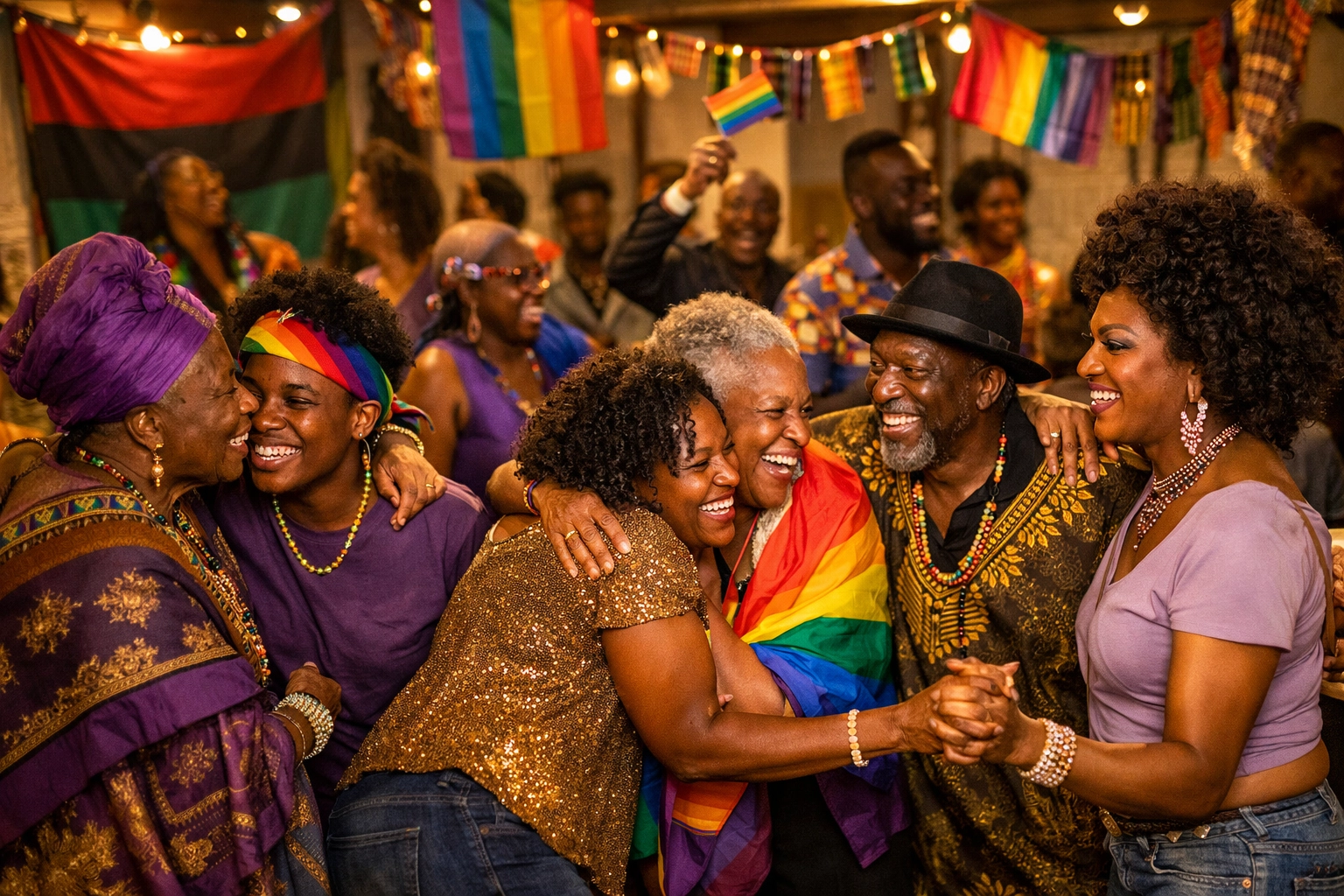
Black queer spaces have always existed, even when they had to be underground. From the ballroom culture that gave us voguing and houses that became chosen families, to the Black gay bars that were raided before Stonewall, to the writers' circles where James Baldwin and Audre Lorde could be fully themselves: we've been creating our own sanctuaries for generations.
Today, these spaces look different but serve the same purpose. There are Black queer book clubs where people can discuss MM romance books and gay fiction through a specifically Black lens. There are wellness circles focused on mental health in the Black LGBTQ+ community. There are professional networks helping Black queer folks navigate workplaces that may not understand the full scope of their experiences.
Social media has also created virtual Black queer spaces where geography doesn't limit connection. A Black trans man in rural Alabama can connect with others across the country. A Black lesbian in South Africa can find community with people in Brazil or the UK. These digital spaces don't replace in-person community, but they extend the lifeline, especially for people in less accepting areas.
The Work of Healing Together
Creating truly healing spaces requires intentionality. It's not enough to gather Black queer people in a room: though that's a start. These spaces need to actively center wellness, practice trauma-informed care, and acknowledge the diversity within Black queer communities.
That means making space for all gender identities and expressions. It means acknowledging colorism and not just recreating the same hierarchies that exist in wider society. It means being intergenerational: learning from elders while empowering youth. It means being intersectional: recognizing that disability, class, immigration status, and other identities also shape our experiences.
The healing happens in the small moments. In the group chat that checks in on everyone. In the fundraiser that helps someone afford their medication. In the mentor relationship that forms organically. In the laughter that comes from being truly understood.
Building Your Own Sanctuary
If you're reading this and thinking "I need this but it doesn't exist where I am," you're not alone. And you have more power than you might think. Black queer spaces often start small: a dinner party for friends who need community, a online group chat, a monthly meetup at a coffee shop.
Start where you are. Use what you have. The first step is showing up authentically and inviting others to do the same. Connect with national organizations like the National Black Justice Coalition or local LGBTQ+ centers that may have Black-specific programming. Check out Read with Pride for LGBTQ+ books and queer fiction that centers Black experiences: sometimes seeing yourself on the page is the first step toward finding yourself in community.
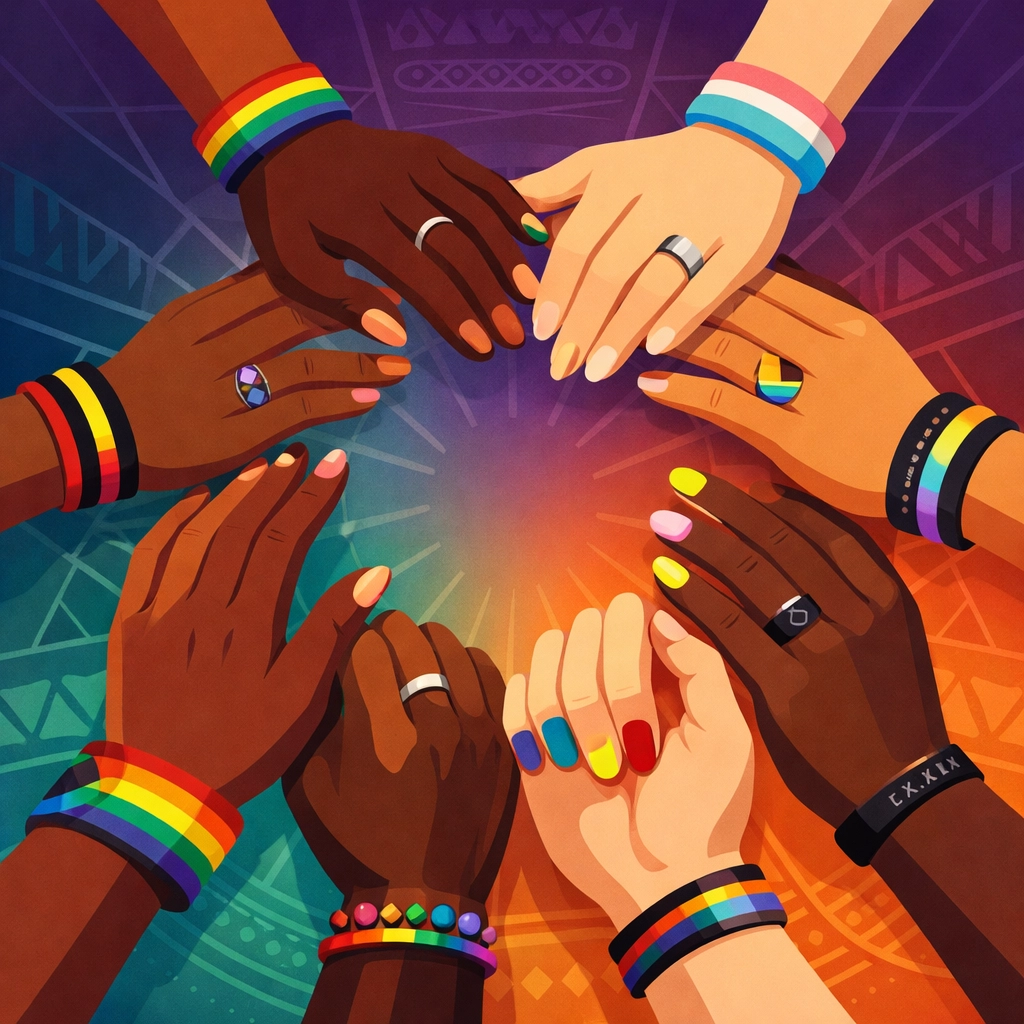
Remember: you deserve spaces where you don't have to choose between parts of yourself. Where your Blackness and your queerness can coexist without apology. Where healing isn't a luxury but a birthright.
These spaces aren't separatist: they're essential. They're not about excluding others but about including all of ourselves. They're about recognizing that sometimes, to heal from the specific wounds that come from being both Black and queer in this world, you need people who understand both without explanation.
And that understanding? That's where the real healing begins.
Looking for more LGBTQ+ fiction that celebrates diverse voices? Explore our collection of gay romance books and MM romance at readwithpride.com. Connect with us on Facebook, Instagram, and X/Twitter for daily inspiration and community.
#BlackQueerJoy #BlackLGBTQ #QueerCommunity #MMRomance #ReadWithPride #LGBTQBooks #BlackQueerLove #QueerHealing #GayRomance #LGBTQFiction #BlackQueerStories #QueerFamily #PrideReading #LGBTQCommunity #BlackAndQueer #IntersectionalPride #QueerBlackLove #MMRomanceBooks #GayFiction #QueerLiterature

Leave a Reply
You must be logged in to post a comment.