

readwithpride.com
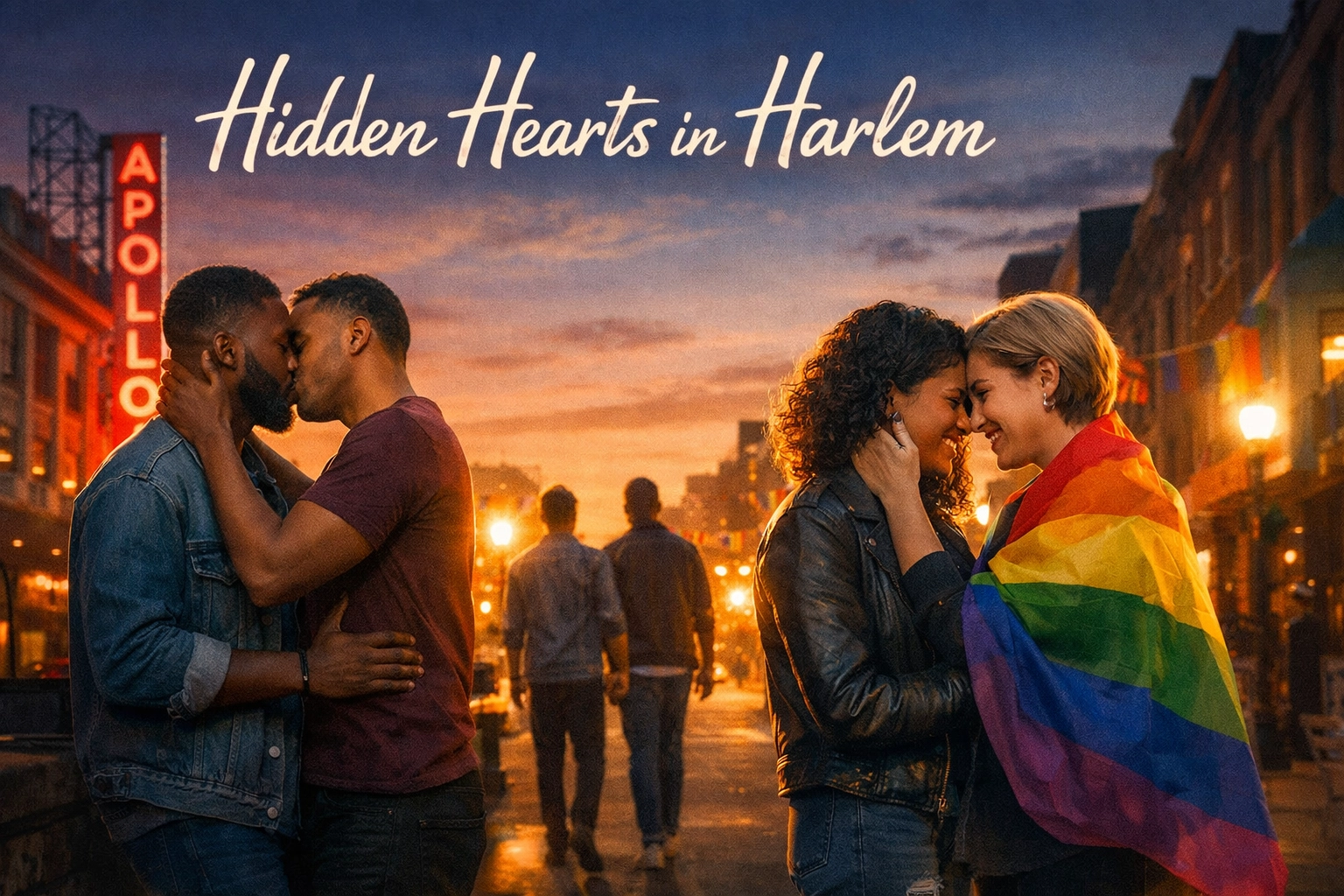
When you think about the Harlem Renaissance, you probably picture jazz clubs, brilliant writers, and an explosion of Black culture that changed America forever. But there's another story woven into those same streets, one that was whispered about in coded language, celebrated behind closed doors, and lived with a defiant joy that refused to be silenced. This is the story of Black gay life in Harlem, where being different meant being doubly brave.
The Renaissance Had More Colors Than You Think
The 1920s and 1930s brought the Harlem Renaissance, and with it came a creative explosion that welcomed all kinds of love, even if society at large didn't. Writers like Langston Hughes, Countee Cullen, and Claude McKay created work that hinted at same-sex desire, using careful language that spoke volumes to those who understood. Alain Locke, often called the "Dean" of the Harlem Renaissance, was openly gay within his circle, mentoring young artists and creating spaces where queer Black folks could exist.
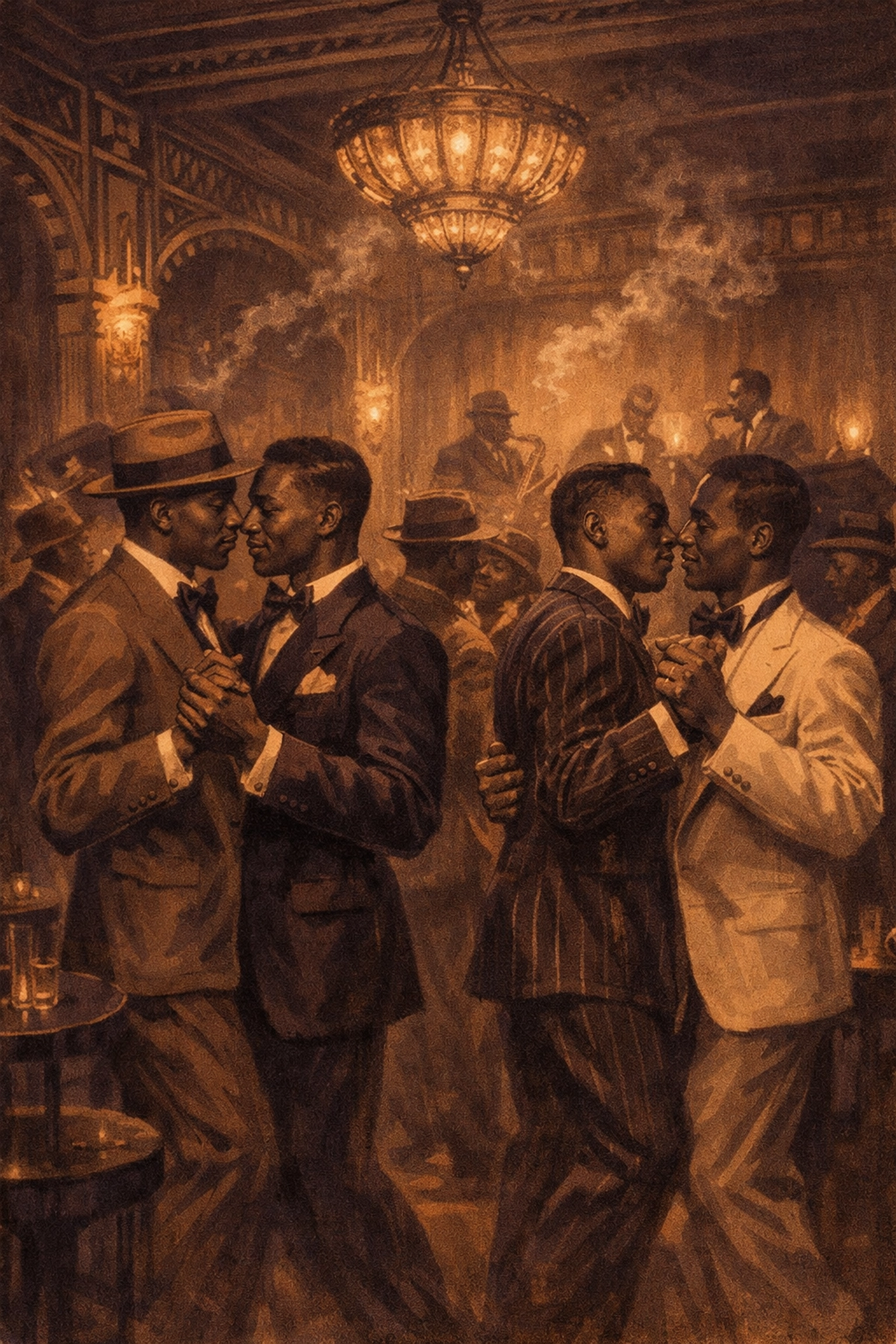
The beauty of Harlem during this era was its complexity. Yes, there was racism. Yes, there was homophobia. But there were also rent parties where anything could happen, speakeasies that didn't ask questions, and buffet flats: apartments that essentially operated as underground clubs offering everything from gambling to same-sex entertainment. These weren't just party spots; they were survival spaces where Black LGBTQ+ folks could breathe.
When Being Yourself Could Cost Everything
Let's not romanticize the struggle. Being Black and gay in early 20th century New York meant navigating multiple layers of danger. Sodomy laws made same-sex relationships illegal. Police raids were common. And within the Black community itself, there was pressure to present a "respectable" image to counter racist stereotypes: which often meant hiding your queerness.
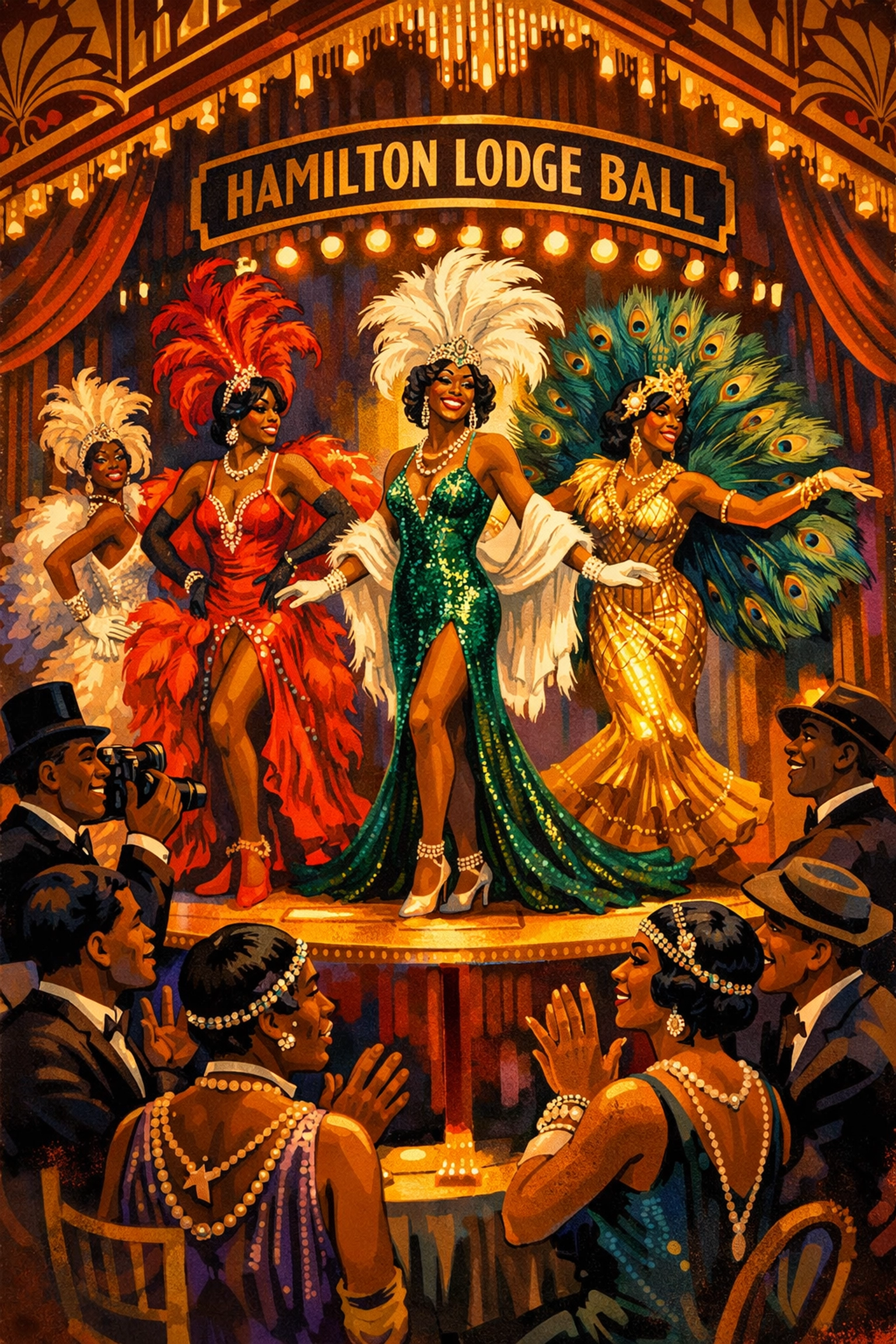
Many found ways to live authentically anyway. Drag balls became legendary events where men could dress as women and compete for grand prizes without fear of arrest. The Hamilton Lodge Ball, started in 1869 by the Grand United Order of Odd Fellows, became one of the most famous annual drag events, attracting thousands of spectators: both gay and straight, Black and white.
Blues singers like Gladys Bentley performed in masculine attire at Harlem's Clam House, openly singing about loving women while wearing a white tuxedo and top hat. Ma Rainey and Bessie Smith recorded songs with explicit lesbian themes. These artists weren't just entertainers; they were revolutionaries who refused to hide.
The Geography of Freedom
Certain streets in Harlem became known as safe havens. Seventh Avenue, nicknamed "The Stroll," was where you could see and be seen. Speakeasies like the Rockland Palace and the Savoy Ballroom welcomed everyone. Small's Paradise on 135th Street wasn't explicitly a gay club, but it was known for its inclusive atmosphere.
Then there were the truly underground spots: apartments in brownstones where invitation-only parties happened. These gatherings were lifelines, places where you didn't have to code-switch or hide who you loved. But they were also risky. One raid could mean arrest, public humiliation, loss of employment, or worse.
The balancing act was exhausting. Many led double lives: presenting as straight in their work lives and neighborhoods, then traveling to these secret spaces to be themselves. Some married opposite-sex partners while maintaining same-sex relationships on the side. Others created chosen families with fellow queer folks, building networks of support that sustained them through the hardest times.
After the Renaissance: Survival Mode
When the Great Depression hit and the Harlem Renaissance faded, life got harder for Black gay folks. The economic crisis meant less tolerance for anything seen as "different." Many of the clubs and speakeasies closed. The relative openness of the 1920s gave way to increased police surveillance and crackdowns.
But the community didn't disappear: it just went deeper underground. House parties became more important. Coded language evolved. If you knew someone was "in the life," you knew they were queer. References to "trade" or being "bent" carried meanings outsiders wouldn't catch.
The Seeds of Revolution
Fast forward to the 1960s, and Harlem's Black gay community was ready for change. While Stonewall in Greenwich Village gets most of the credit for sparking the modern LGBTQ+ rights movement in 1969, Black and Brown queens: many from Harlem: were at the center of that uprising.
The decade before Stonewall saw increasing activism. Groups like the Mattachine Society began holding "sip-ins" to challenge laws that prevented bars from serving gay patrons. Black gay activists started connecting their struggles against homophobia with the broader Civil Rights Movement, though mainstream Black organizations often ignored or condemned them.
After Stonewall, organizations like the Third World Gay Revolution and Gay Liberation Front chapters in Harlem explicitly linked racism and homophobia. These weren't separate struggles: they were intertwined systems of oppression that required united resistance.
Legacy Lives On
Today, Harlem remains an important center of Black gay culture in New York. While gentrification has changed the landscape and some historic spaces are gone, the legacy of those early pioneers lives on. The resilience they showed: creating joy and community despite constant threats: established a blueprint for survival and resistance.
Modern Black LGBTQ+ writers, artists, and activists in New York stand on the shoulders of those who loved in secret, who danced at underground balls, who sang blues about same-sex desire when it could cost them everything. Their stories remind us that queer history is Black history, and Black history is queer history: they've always been inseparable.
Reading gay romance novels and MM romance books today, we get to explore love stories that folks in early Harlem could only whisper about. At Read with Pride, we celebrate those stories: past and present: knowing that representation matters and that every love story deserves to be told.
The hidden hearts of Harlem weren't really hidden at all. They were beating loud and proud, right there on every street corner, in every speakeasy, at every rent party. You just had to know where to look: and they made damn sure their people always knew.
Follow us for more LGBTQ+ stories and history:
- Facebook: Read With Pride
- Instagram: @read.withpride
- Twitter/X: @Read_With_Pride
- Website: readwithpride.com
#ReadWithPride #HarlemHistory #BlackGayHistory #LGBTQHistory #HarlemRenaissance #QueerHistory #BlackLGBTQ #GayRomance #MMRomance #QueerFiction #GayBooks #LGBTQBooks #NewYorkHistory #GayRights #LGBTQCommunity #BlackPride #QueerCulture #GayLiterature #MMRomanceBooks #LGBTQEbooks

Leave a Reply
You must be logged in to post a comment.