

readwithpride.com
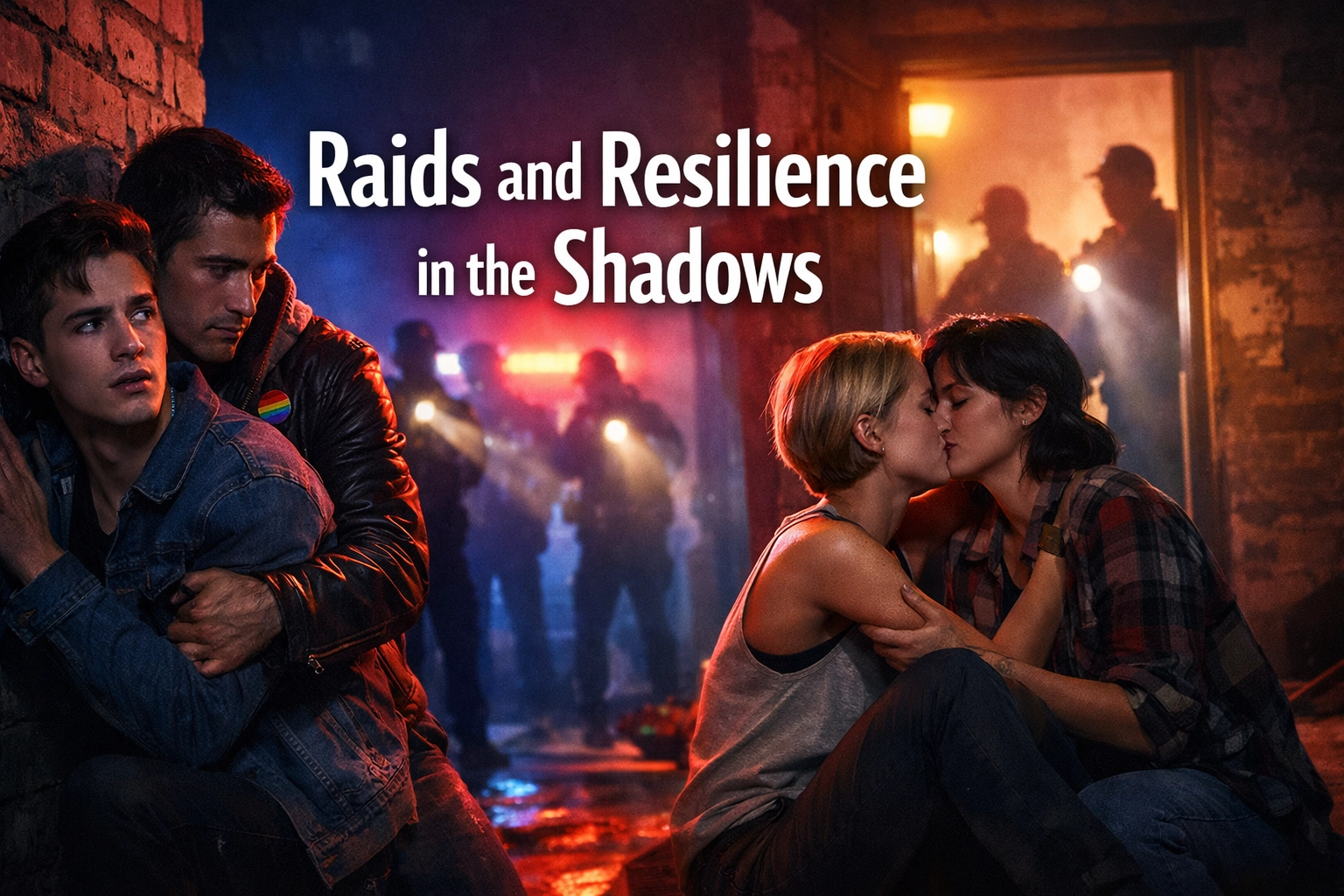
The lights would flash on without warning. One moment, you'd be nursing a drink at the bar, maybe sharing a quiet laugh with someone whose name you might never learn. The next, uniformed officers would be pouring through the doors, billy clubs in hand, shouting orders. If you were lucky, you'd make it out the back. If you weren't, you'd spend the night in a cell, and your name would be in the morning papers.
This was gay life in New York during the 1950s. A decade where simply existing as yourself could cost you everything.
When the Doors Burst Open
Police raids on gay bars weren't occasional inconveniences, they were systematic terror campaigns. The New York State Liquor Authority had a convenient excuse: serving alcohol to "known homosexuals" violated their regulations. Never mind that being gay wasn't technically illegal. The establishment serving you? That could lose its license. So bars that catered to LGBTQ+ patrons operated in a permanent state of precariousness.
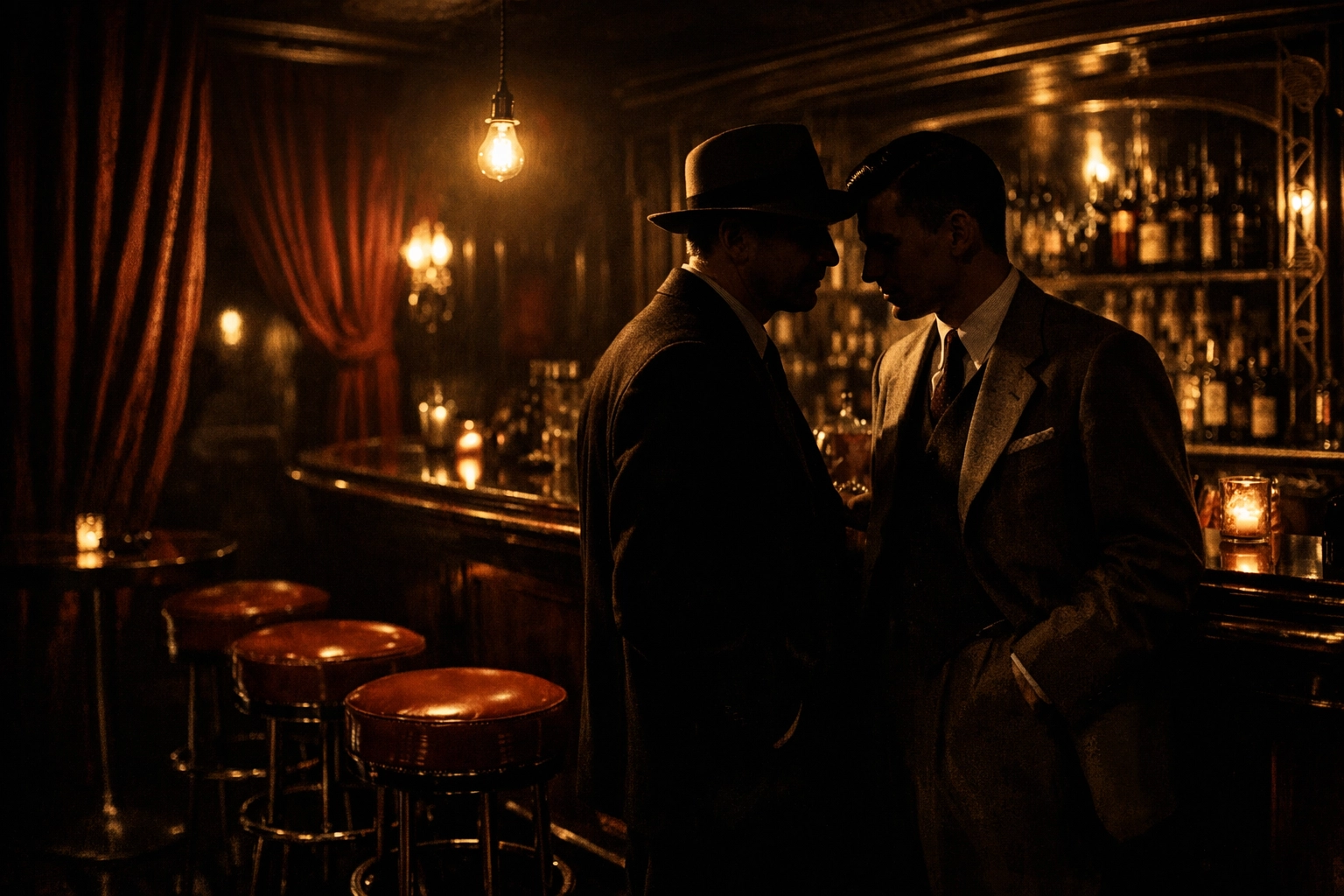
The raids themselves were brutal theater. Officers would block exits, line everyone up, and check IDs. If you weren't wearing at least three pieces of "gender-appropriate" clothing, you could be arrested for "masquerading." Women in suits, men in makeup, both were targets. The police didn't need much of an excuse. Sometimes just being in a gay bar was enough.
Those arrested faced public humiliation by design. Names and addresses would be published in newspapers. Employers would see. Families would find out. Landlords would evict tenants. The arrest itself was just the beginning of the punishment. The real damage came from being exposed, from having your private life dragged into the harsh light of a society that wanted you to disappear.
The Underground Network
But here's the thing about trying to suppress an entire community: people find ways to survive. They always have, and they always will.
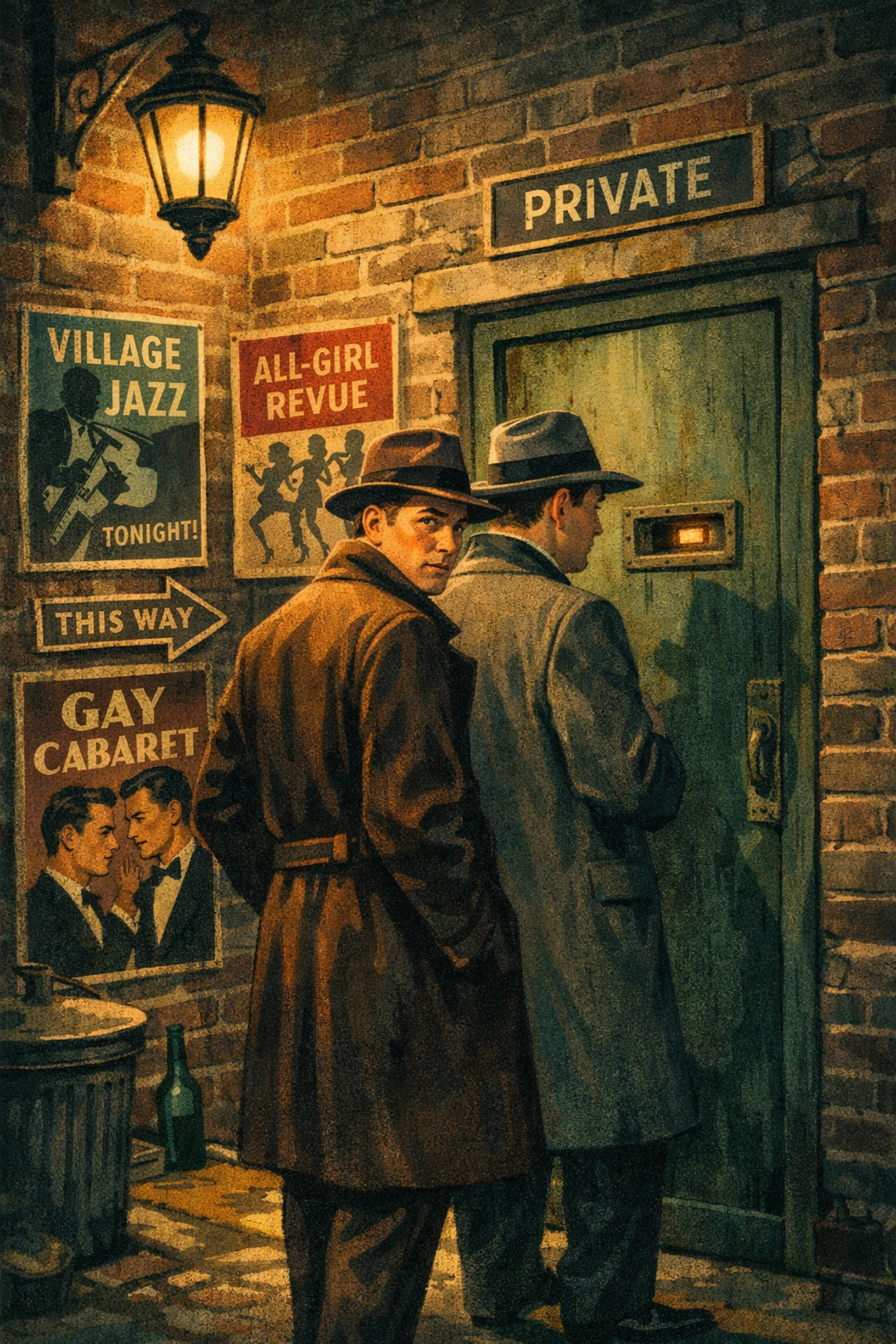
Secret clubs operated in basements and back rooms, changing locations regularly to stay ahead of police attention. The addresses circulated by word of mouth, you had to know someone who knew someone. Passwords changed weekly. Some establishments installed elaborate warning systems: buzzers that would alert patrons when police were spotted nearby, giving precious seconds to assume "appropriate" positions or hide.
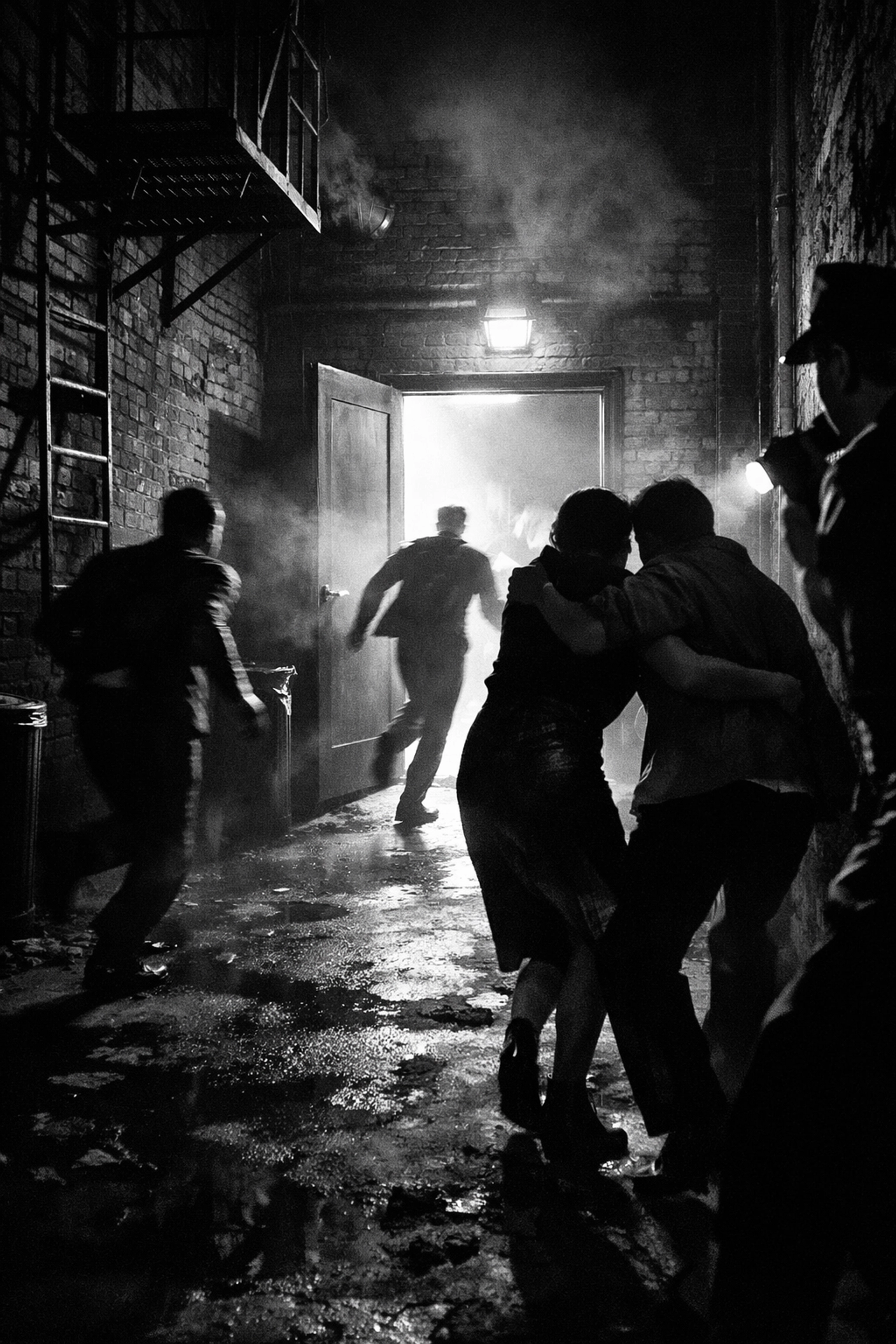
The most ingenious survival tactic? The "cruise bars" weren't technically gay establishments. They were regular bars where gay men happened to gather, keeping everything carefully coded. A certain look, a specific stance at the bar, the way you held your cigarette, these became the language of connection. If police showed up, well, everyone was just having a drink, weren't they? Nothing to see here.
Julius' in Greenwich Village became famous for a particularly bold act of resistance in 1966, but throughout the 1950s, countless unnamed bars and clubs played this dangerous game. Owners paid off police when they could. When they couldn't, they reopened under new names, in new locations, and the network would spread the word within days.
The Price of Being Seen
Let's be real about what arrest meant. The legal charges: disorderly conduct, solicitation, vagrancy: were often flimsy pretexts. But the consequences were devastating and real.
Teachers lost their jobs. Doctors lost their licenses. Government employees were fired under "security risk" protocols, the absurd logic being that homosexuals could be blackmailed by foreign agents. The cruelty was circular: society made being gay so dangerous that acknowledging it could destroy you, then used that vulnerability as justification for exclusion.
Many gay men and lesbians lived double lives out of necessity. They had "appropriate" friends for family gatherings and work functions. Their real lives: their real selves: emerged only in those underground spaces, only after dark, only with people who understood the risks.
The psychological toll was immense. Imagine constantly calculating every gesture, every word, every glance. Imagine the exhaustion of maintaining two completely separate identities. Some couldn't sustain it. Depression and suicide rates in the LGBTQ+ community during this era were staggering, though rarely acknowledged by the medical establishment that classified homosexuality itself as a mental illness.
Finding Light in the Darkness
And yet. And yet.
What's remarkable about this period isn't just the oppression: it's the absolute refusal to be erased. Despite everything, despite the raids and the arrests and the public shaming, the community didn't disappear. It grew.
People found each other. They created spaces of joy even in the shadows. Drag balls in Harlem brought together Black and Latino LGBTQ+ folks who faced the dual burdens of racism and homophobia. These events were spectacular: elaborate costumes, chosen families serving as "houses," competitions that celebrated gender expression in all its creativity. They were also acts of profound courage.
The Mattachine Society, founded in 1950, represented the first stirrings of organized advocacy. Initially secretive, using cell structures borrowed from Communist organizing (itself a dangerous association in McCarthy-era America), the group began cautiously pushing back. They discussed legal strategies. They provided support for those arrested. They dared to suggest that maybe, just maybe, the problem wasn't gay people: it was how society treated them.
Stories Written in Courage
Some of the best MM romance books and gay fiction today draw inspiration from this era, though often they soften the harsh edges. The reality was less romantic, but no less compelling. Real stories of resilience don't always have neat endings. They're messy and complicated and shot through with both heartbreak and hope.
The men and women who walked into those raided bars knew the risks. They went anyway. They danced anyway. They fell in love anyway. That's not just resilience: that's revolution in its quietest, most persistent form.
Contemporary gay romance novels sometimes explore this period, and when they're done well, they capture something essential: the way danger can intensify connection, how chosen family becomes lifeline, and how joy claimed in defiance of oppression burns brighter than safety ever could.
What We Carry Forward
The 1950s were brutal for LGBTQ+ New Yorkers, but they weren't the end of the story. They were the foundation. Every person who survived a raid, who refused to stay hidden, who built community in impossible circumstances: they made everything that came after possible.
Stonewall didn't emerge from nowhere in 1969. It erupted from two decades of accumulated anger, organized resistance, and absolute exhaustion with being treated as criminals for existing. The drag queens and trans women and street kids who fought back that June night were heirs to a tradition of resilience that the 1950s had forged in fire.
When you read LGBTQ+ fiction or explore gay literature that honors this history, you're not just consuming entertainment. You're connecting with a lineage of courage that made our current moment possible. Every MM romance with a happy ending exists because people who never got their own happy endings refused to give up.
The raids happened. The arrests happened. The lives destroyed were real. But so was the resistance. So was the community. So was the love that persisted despite everything.
That's the real story of the 1950s in New York's gay community: not that they were victims, but that they were survivors. Not that they were broken, but that they were unbreakable.
Explore more LGBTQ+ stories and history at Read with Pride. Discover gay romance books that honor our past while celebrating our present.
Follow us for more stories:
Facebook | Instagram | X/Twitter
#ReadWithPride #LGBTQHistory #GayHistory #NewYorkHistory #QueerHistory #MMRomance #GayRomance #LGBTQFiction #GayLiterature #QueerResilience #1950sHistory #StonewallHistory #GayRights #LGBTQBooks #GayBooks #HistoricalGayFiction #QueerCommunity #GayNYC #LGBTQRights #PrideHistory

Leave a Reply
You must be logged in to post a comment.