

readwithpride.com
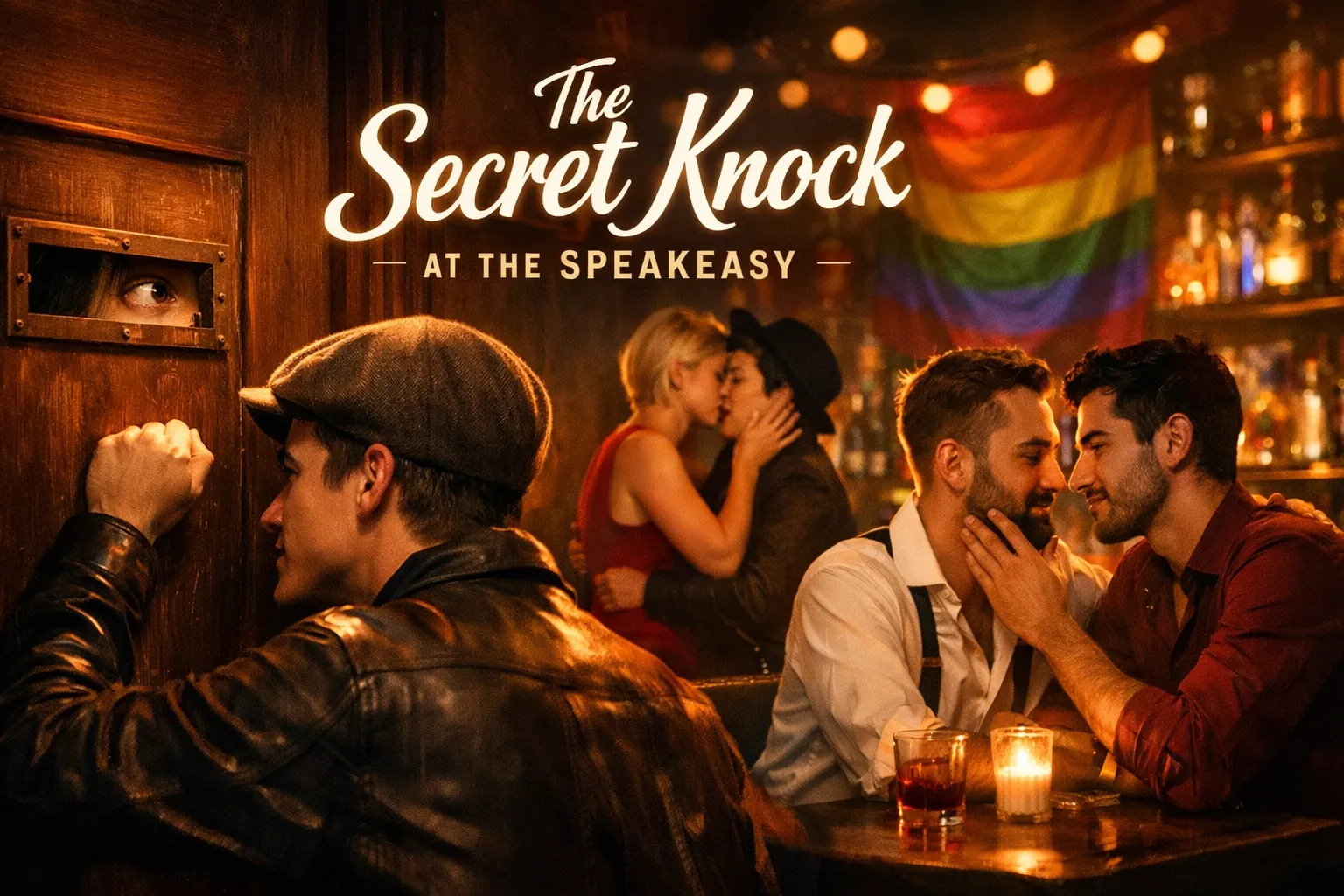
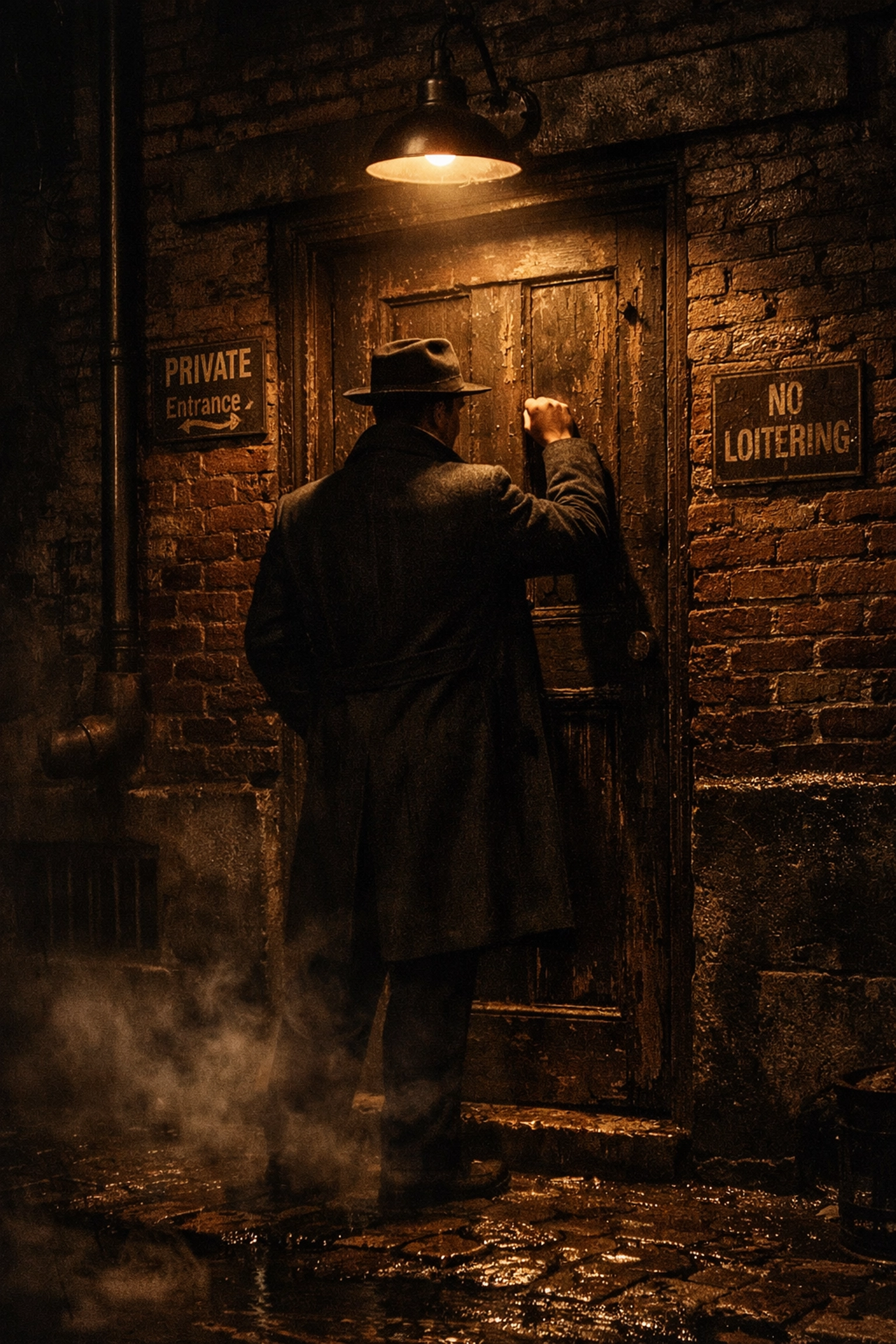
Picture this: It's 1926, and you're standing in a shadowy doorway on a Greenwich Village side street. Your heart's racing as you knock: two quick taps, a pause, three more. A peephole slides open. Eyes scrutinize you. Then, like magic, the door swings wide, and suddenly you're stepping into a world where you can finally breathe.
Welcome to the speakeasy era, where being gay wasn't just illegal: it was invisible. But behind those locked doors with their secret knocks, the LGBTQ+ community found something precious: each other.
When Everything Was Underground
The Prohibition era (1920-1933) wasn't just about banning booze: it created an entire underground culture where all sorts of "illicit" activities flourished. And for gay men and women in New York City, these clandestine spaces became lifelines. When both your love life and your drink were against the law, you learned to navigate the shadows pretty damn well.
The speakeasy: derived from "speak-softly shops" where patrons were asked to keep their voices down: became more than just a place to grab an illegal cocktail. For the queer community, these establishments offered something even more intoxicating than gin: the freedom to be yourself.
Secret clubs popped up throughout Manhattan, from the Village to Harlem. Places like the Pansy Club, the Hot-Cha Bar, and the famous Ubangi Club became havens where drag performers could take the stage, men could dance with men, and women could wear whatever the hell they wanted. The law might have said you couldn't exist, but behind those unmarked doors, you absolutely did.
The Ritual of Entry
Let's talk about that secret knock. It wasn't just theatrical flair: it was survival. Speakeasy owners used multiple security measures to keep the cops out and the community safe. Secret knocks were part of a whole arsenal that included passwords, specific handshakes, and identification cards known only to trusted patrons.
The knock pattern would spread by word of mouth, whispered at house parties or shared by a trusted friend. "Three short, two long, then one." Simple enough to remember, specific enough to keep strangers out. Getting that knock wrong could mean a door slammed in your face: or worse, if you happened to be law enforcement trying to infiltrate.
But the secret knock was just the beginning. Once you made it past that first test, you'd encounter peepholes where doormen could size you up, sliding panels that revealed hidden back rooms, and button-operated systems that could make evidence disappear faster than you could say "raid." The famous 21 Club installed a shaft system where pressing a button would send all the liquor bottles tumbling down to shatter, destroying evidence before the cops could even make it through the door.
Where the Rainbow Bloomed in Black and White
What made these spaces so revolutionary wasn't just that they existed: it was what happened inside them. In an era when "homosexual behavior" could get you arrested, fired, or institutionalized, these clubs created pockets of freedom that felt like stepping into another dimension.
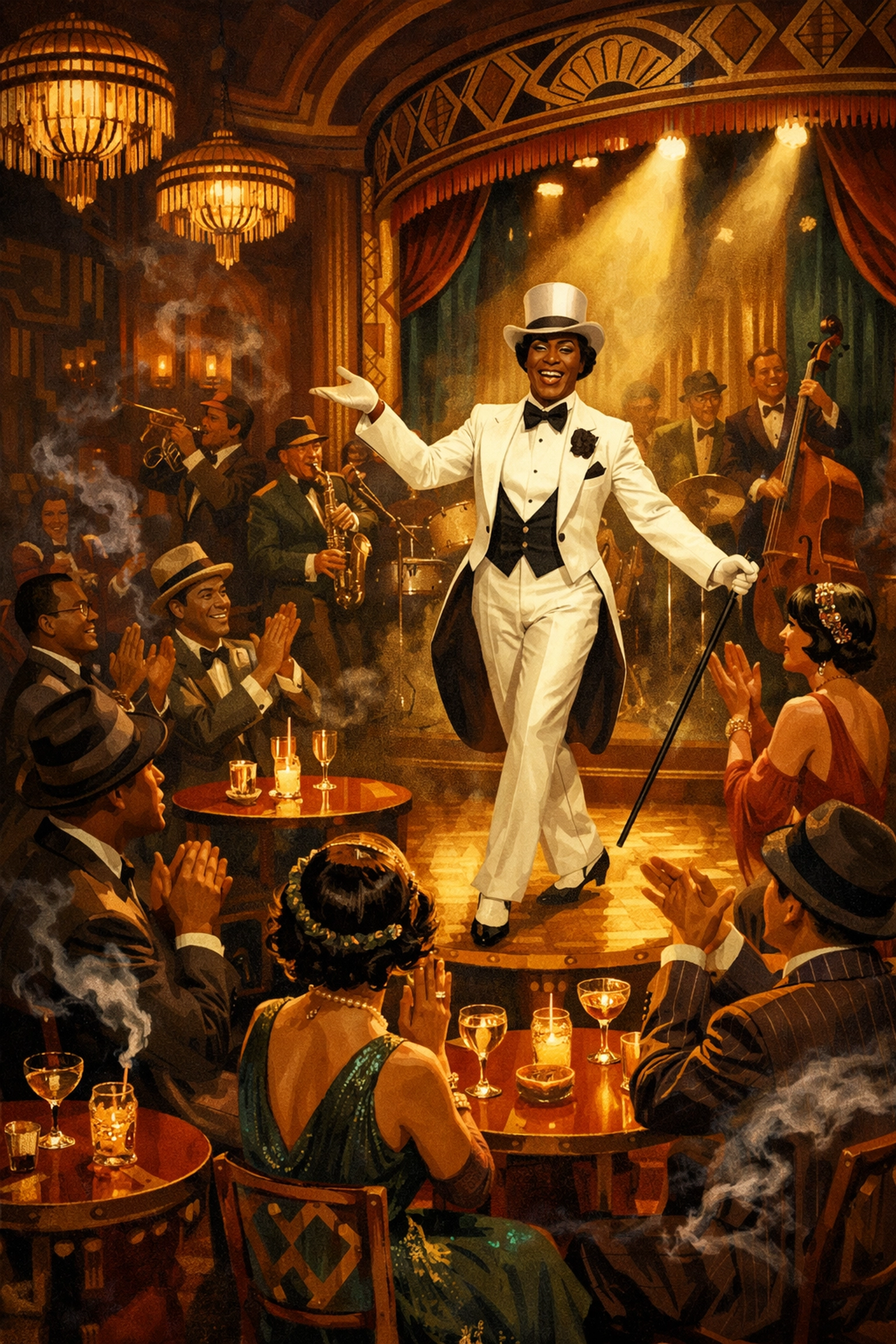
Harlem's speakeasies during the Renaissance period were particularly notable for their embrace of queer culture. The neighborhood's famous "pansy clubs" featured drag performances that drew mixed crowds of Black and white patrons, gay and straight. Gladys Bentley, a legendary performer, would rock a white tuxedo and top hat while singing raunchy blues songs at the Clam House. She made no secret of her sexuality, and the crowds loved her for it.
Downtown, the Village had its own scene. Paul's Place, Helen Gould's Barn, and Eve Adams's teahouse became gathering spots where lesbians could meet relatively safely. These weren't just bars: they were community centers, dating pools, and support networks all rolled into one smoky, crowded room.
The exclusivity created by all that secrecy had an unexpected benefit: it fostered intense loyalty and community bonds. When you share passwords and secret knocks, when you're all breaking the same laws just to exist together, you build something deeper than casual acquaintance. You build family.
The Constant Threat
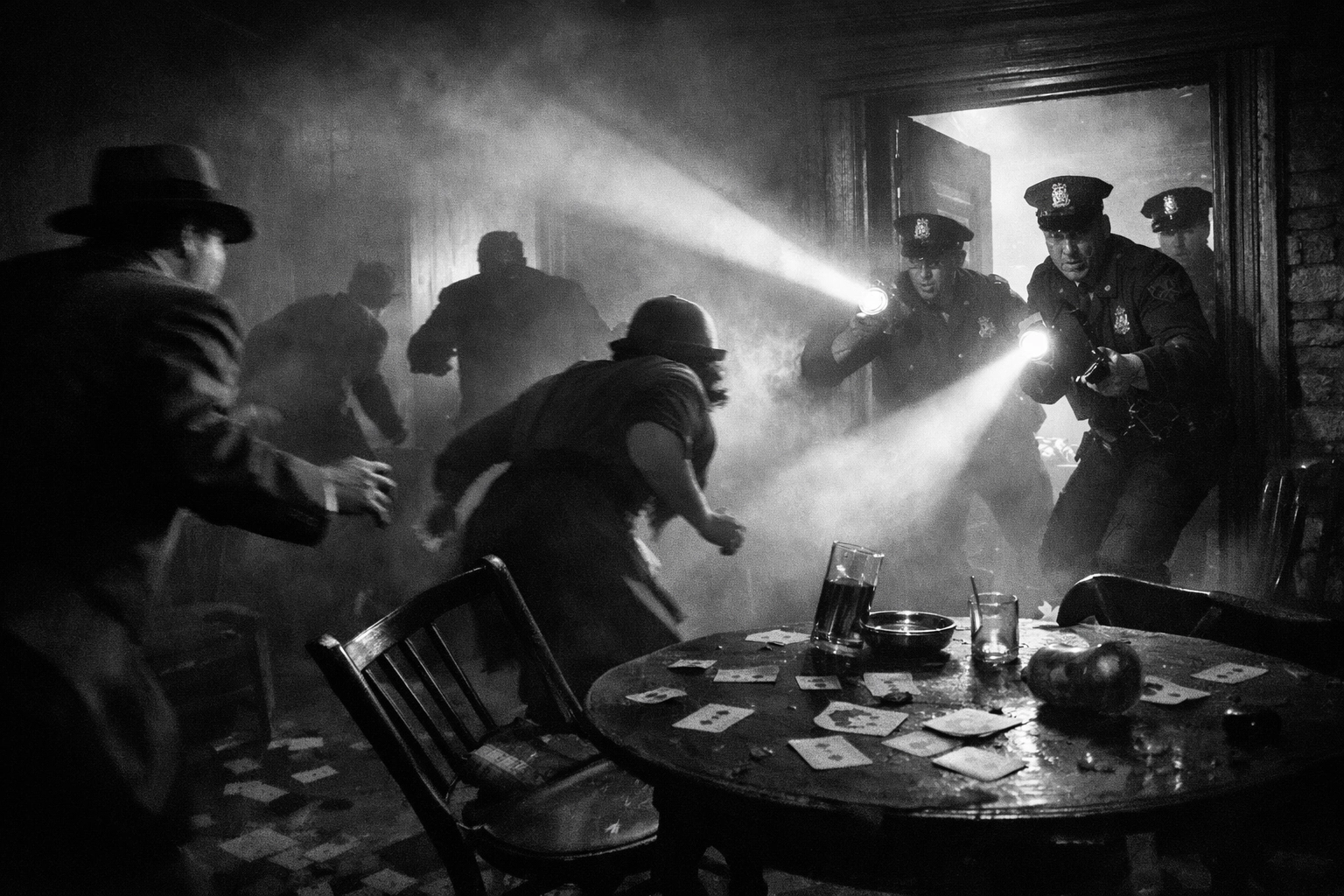
Of course, the speakeasy life wasn't all fabulous drag shows and romance. The threat of raids hung over everything like a sword on a thread. Police would conduct sweeps, smashing through doors, arresting everyone inside, publishing names in newspapers. For queer folks, getting caught in a raid could mean more than a fine: it meant public humiliation, losing your job, being disowned by family.
The LGBTQ+ community developed its own warning systems. Someone would whistle or shout a code word when cops were spotted nearby. Hidden exits became crucial architectural features. Regulars memorized escape routes through back alleys and connected basements.
Despite the risks, people kept showing up. The need for connection, for community, for just one night where you didn't have to pretend: it was worth the danger. And that's the thing about our community: we've always been willing to fight for our spaces, even when the fight meant simply walking through a door.
The Legacy Lives On
When Prohibition ended in 1933, the speakeasy era officially closed. But for the gay community, the fight for safe spaces was far from over. Many of the connections forged in those secret clubs would fuel the organizing that came later. The community networks, the understanding that there were others like you, the knowledge that you deserved spaces to gather: all of that lived on.
The Stonewall Riots in 1969 happened at a bar that, while not technically a speakeasy, operated in that same tradition of defiance and community. The cops raided it expecting compliance. They got a revolution instead.
Today, when you walk into any gay bar, any queer bookstore, any pride event, you're walking through doors that our community fought to keep open. The secret knock might be gone, but the spirit of those speakeasy days: the determination to create space for ourselves no matter what: that's still very much alive.
Finding Your Stories
At Read with Pride, we celebrate these histories through the power of storytelling. Our collection of gay romance books and MM romance novels often draws inspiration from these real-life struggles and triumphs. Whether you're into historical romance that brings these secret speakeasy nights to life or contemporary stories that honor how far we've come, there's something waiting for you.
The next time you read a story about forbidden love or secret meetings, remember: for our community, those weren't just romance tropes. They were Tuesday nights. They were survival. They were how we found each other when the whole world wanted us to stay hidden.
The door's always open here. No secret knock required.
Follow us for more LGBTQ+ stories and history:
- Facebook: Read With Pride
- Instagram: @read.withpride
- X/Twitter: @Read_With_Pride
- Website: readwithpride.com
#ReadWithPride #GayHistory #NYCHistory #SpeakeasyEra #LGBTQHistory #QueerHistory #GayRomance #MMRomance #ProhibitionEra #GayNewYork #LGBTQBooks #QueerStories #GayLiterature #MMRomanceBooks #HistoricalLGBTQ #GayFiction #PrideHistory #SecretHistory #UndergroundCulture #GayRomanceNovels #2026

Leave a Reply
You must be logged in to post a comment.