

readwithpride.com
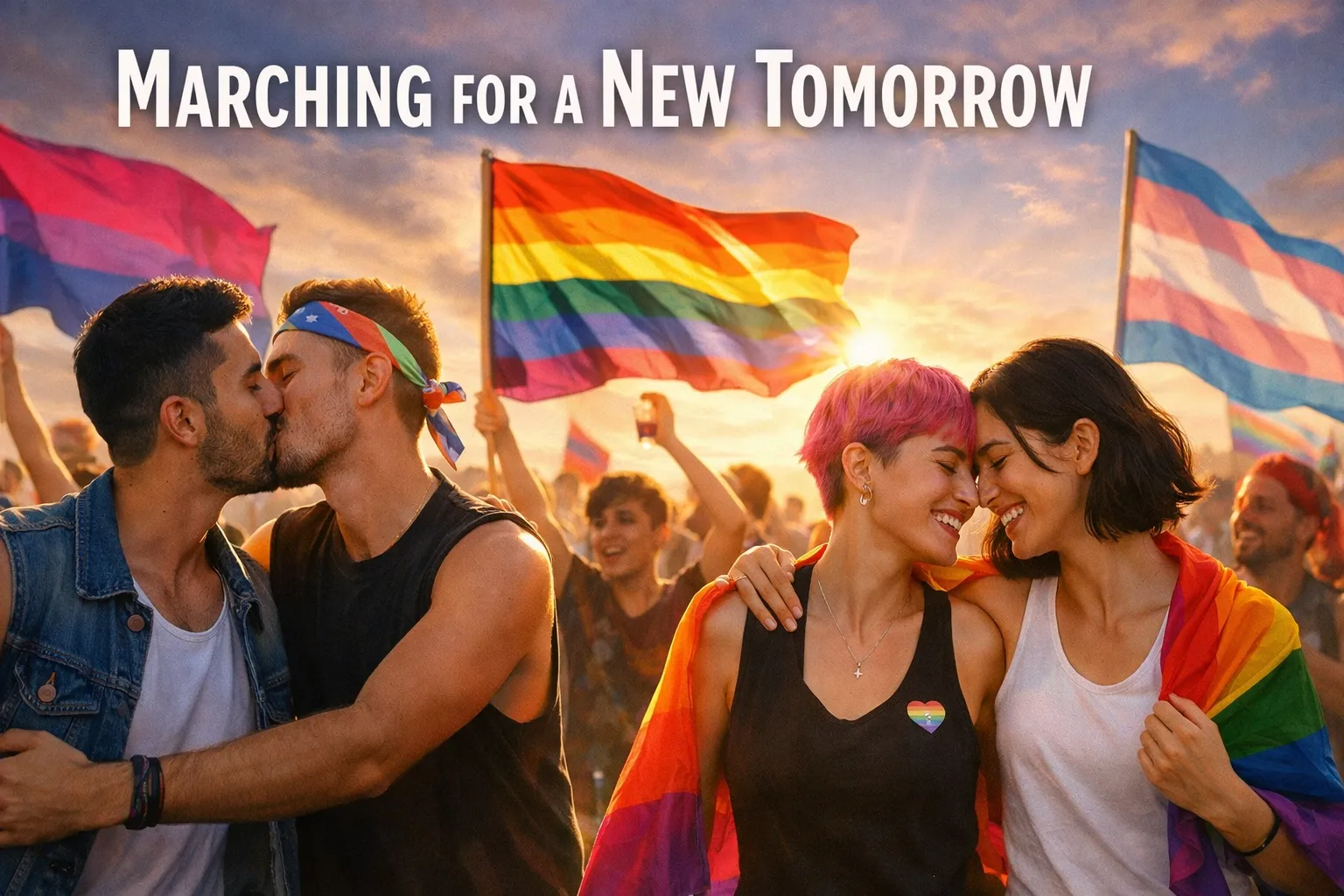
There's something powerful about stepping out of the shadows. For decades, New York's gay community lived in a world of whispered addresses, coded language, and constant fear. But somewhere between the smoke-filled bars of Greenwich Village and the sun-drenched streets of Christopher Street, a revolution was brewing. This is the story of how secret handshakes became raised fists, and how hiding transformed into marching.
The Underground Years
Before Pride parades became city-wide celebrations, there were the hidden places. The bars with no signs. The speakeasies where you needed to know someone who knew someone. Places like the Stonewall Inn weren't just watering holes, they were lifelines.
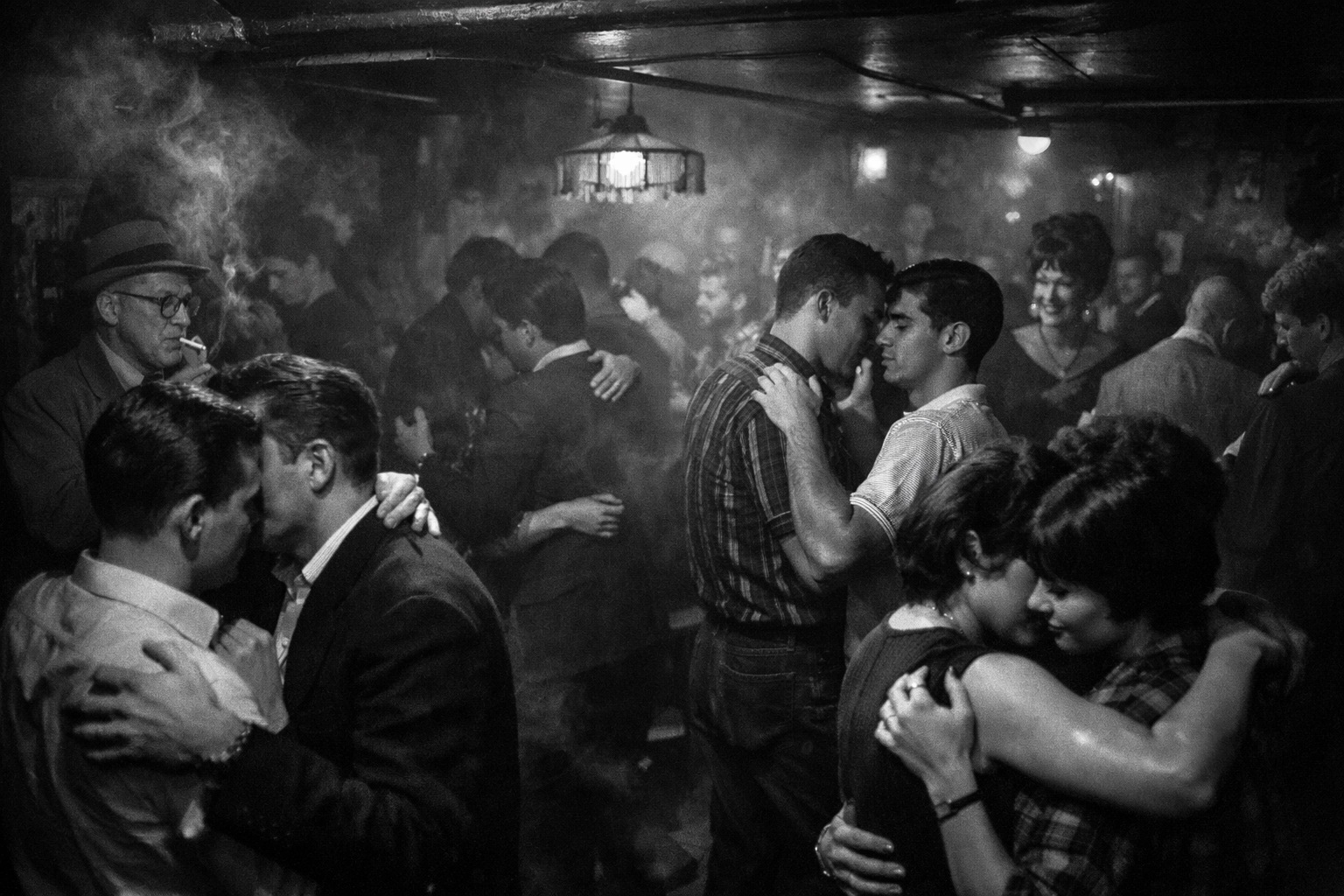
Police raids were routine. Officers would storm in without warning, checking IDs, arresting anyone wearing "fewer than three pieces of gender-appropriate clothing" (yes, that was an actual law), and publicly shaming patrons whose names would appear in newspapers the next day. Careers ended. Families disowned. Lives shattered. All for the crime of wanting to dance with someone you loved.
The Mafia often ran these establishments because legitimate businesses wouldn't touch them. There were no fire exits, watered-down drinks sold at premium prices, and constant payoffs to corrupt cops. But for many, it was the only place where they could be themselves, even for just a few hours.
The Night Everything Changed
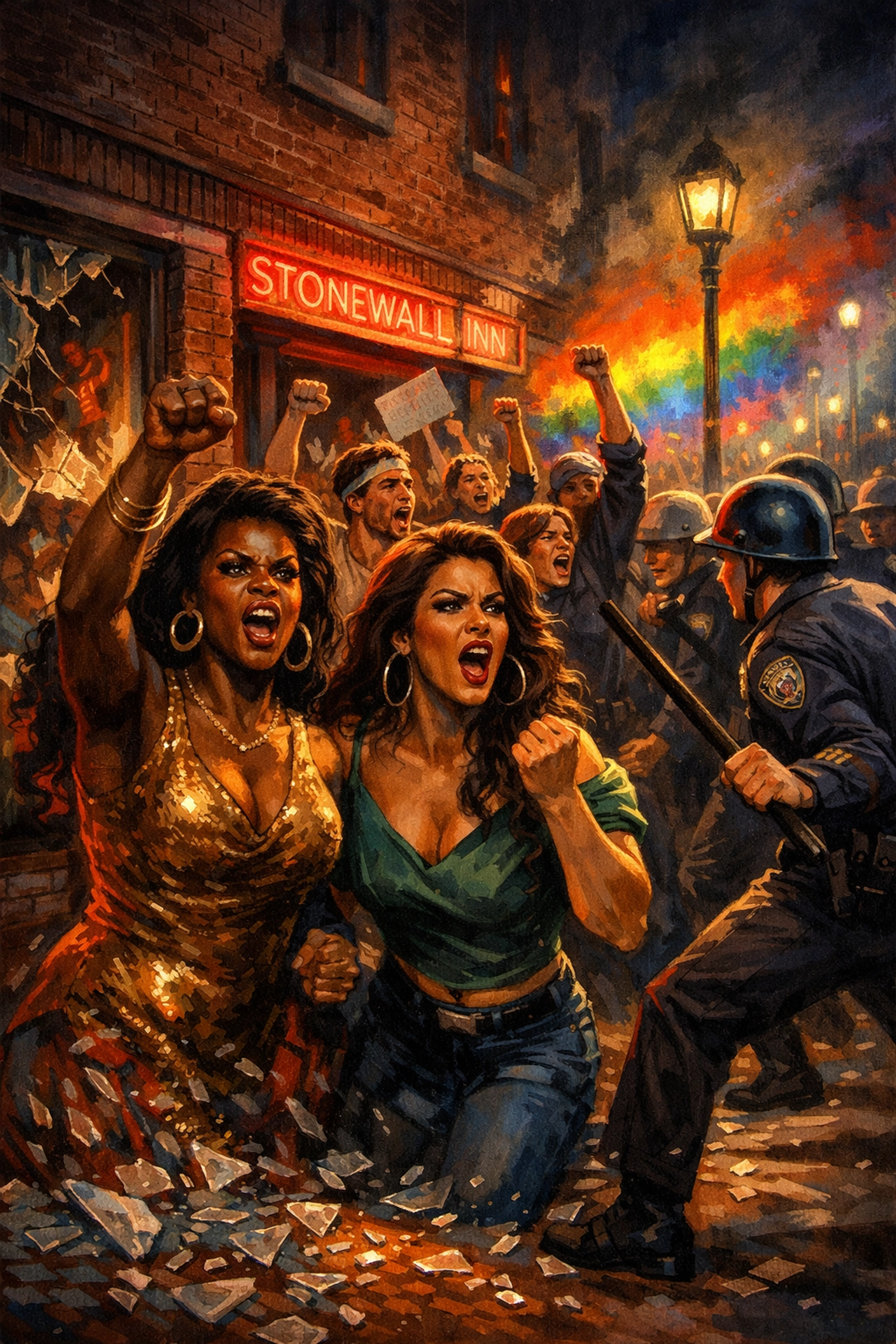
June 28, 1969. Just another Friday night raid at the Stonewall Inn. Except this time, something was different. Maybe it was the grief still raw from Judy Garland's funeral earlier that week. Maybe it was years of pent-up rage. Maybe people were just tired of running.
When the police tried to load patrons into wagons, the crowd that had gathered outside refused to disperse. Someone threw a coin. Then a brick. And suddenly, the people who'd spent their lives running were standing their ground. Trans women of color like Marsha P. Johnson and Sylvia Rivera were at the forefront, refusing to back down.
The riots lasted six days. What started as resistance became rebellion. What began as self-defense became the spark that would ignite a movement.
From Hiding to History
A year later, on June 28, 1970, something unprecedented happened. Thousands of LGBTQ+ people and allies gathered not in a hidden bar, but in broad daylight. They didn't skulk through back alleys: they marched up Sixth Avenue from Greenwich Village to Central Park.
This wasn't a parade. Not yet. It was called the Christopher Street Liberation Day March, and it was raw, political, and unapologetically defiant. No floats. No corporate sponsors. Just people who'd decided that visibility was worth the risk. The march stretched for fifteen city blocks: a ribbon of courage and rage and hope winding through Manhattan.
"Say it loud, gay is proud!" they chanted. Words that would've gotten you arrested a year earlier were now being shouted from rooftops. The same cops who'd raided bars now stood on the sidelines, unsure how to handle a protest that was completely legal.
Other cities held similar marches that same day: Los Angeles, Chicago, San Francisco. The movement was spreading, but New York's march had a special significance. This was where it started. This was ground zero of gay liberation.
The Evolution of Activism
Those early marches weren't celebrations: they were protests. Activists carried signs demanding equal rights, an end to police harassment, and the removal of homosexuality from the American Psychiatric Association's list of mental disorders. They wore everyday clothes, not costumes. Their faces were exposed, which meant risking everything.
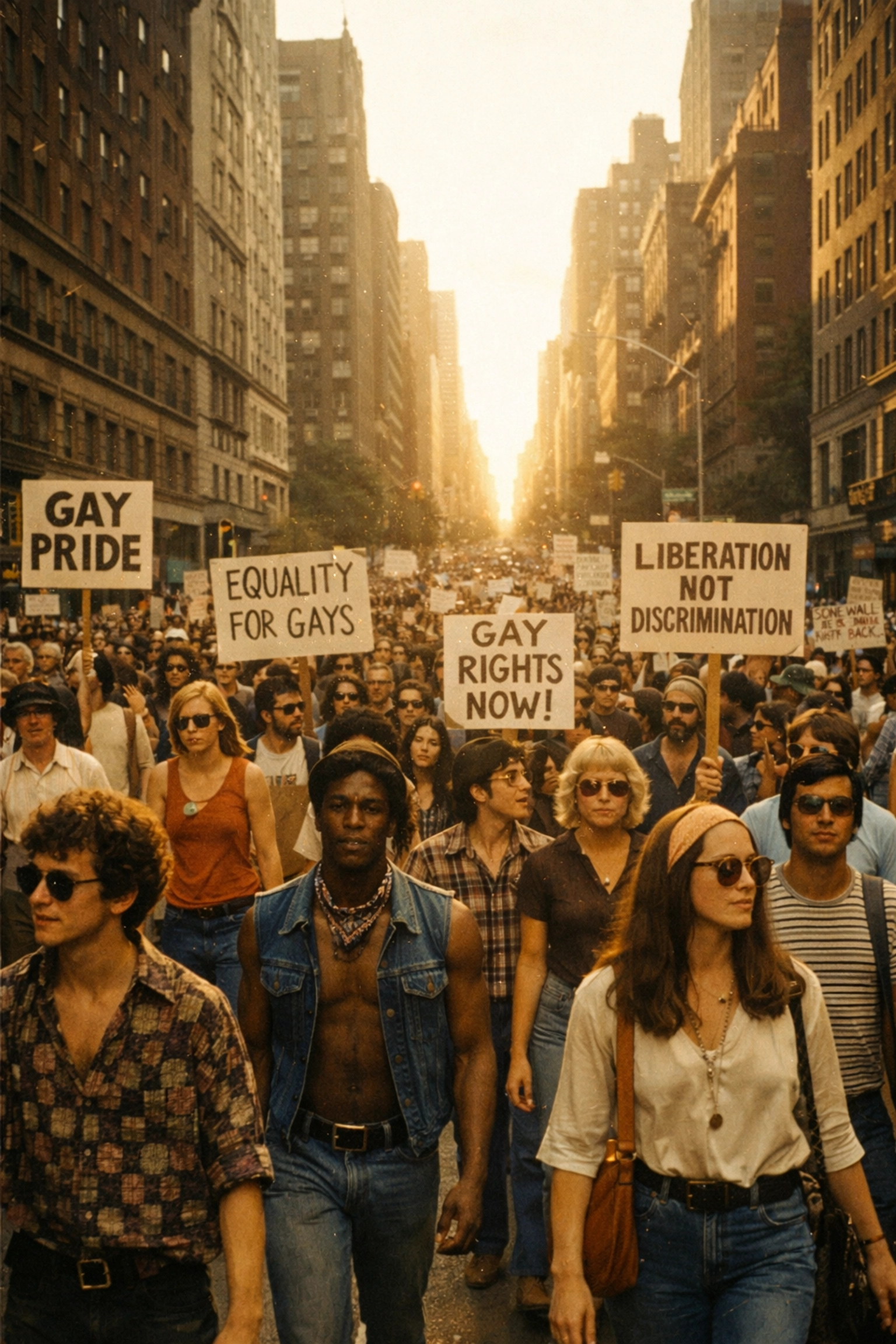
The organizers debated whether to call it a march or a parade. "March" felt more serious, more political. "Parade" sounded frivolous. They chose march. Because this was about change, not entertainment.
Throughout the 1970s, the annual march grew. More organizations formed. The Gay Activists Alliance. The Gay Liberation Front. Street Transvestite Action Revolutionaries (STAR), founded by Marsha P. Johnson and Sylvia Rivera to help homeless LGBTQ+ youth. These weren't just social clubs: they were fighting units demanding recognition and rights.
The AIDS Crisis and Renewed Urgency
By the 1980s, the community faced a new enemy: a mysterious disease that was decimating gay men in New York. The Reagan administration's silence was deafening. Newspapers wouldn't print obituaries that mentioned same-sex partners. Families disowned their dying sons.
Pride marches took on new urgency. ACT UP (AIDS Coalition to Unleash Power) turned protests into art, using powerful visuals and direct action to force the government and pharmaceutical companies to respond. The famous SILENCE = DEATH poster with its pink triangle became a rallying cry.
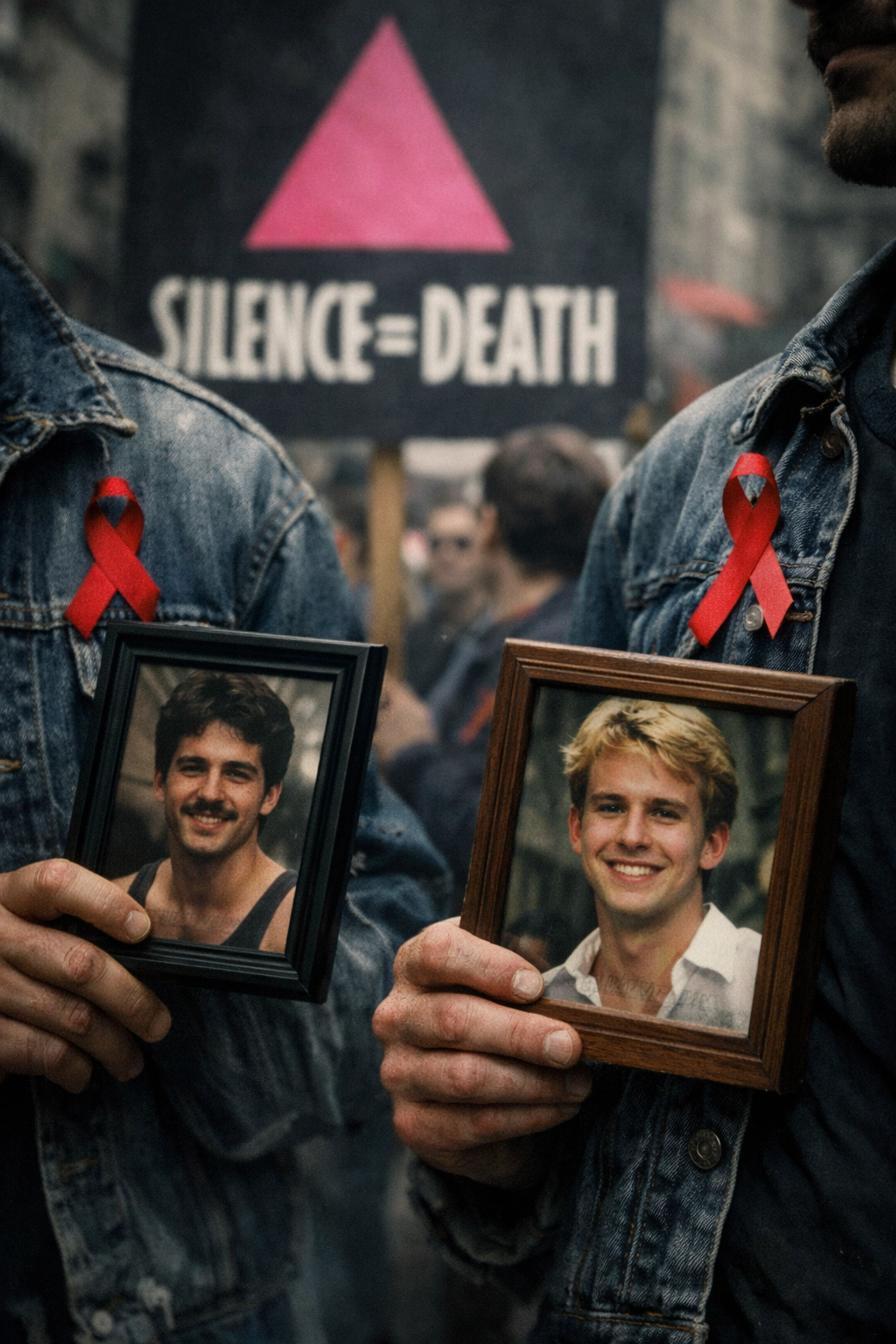
The marches became part funeral procession, part war cry. People carried photos of friends who'd died. They chanted "Act up, fight back, fight AIDS!" The community that had learned to march for visibility was now marching for survival.
Today's Pride
Fast forward to now, and New York's Pride is one of the largest in the world. Millions attend. Corporate sponsors line the streets. Politicians march (even the ones who voted against LGBTQ+ rights). Rainbow flags fly from bank buildings and police precincts.
Some activists argue modern Pride has lost its way: that it's become too commercial, too sanitized, too safe. Others see the evolution as progress. Both perspectives hold truth.
But here's what hasn't changed: at its core, Pride is still about visibility. About refusing to hide. About remembering that none of this: the parades, the rights, the acceptance: came easy. Every rainbow flag represents someone who risked everything to be seen.
The shift from secret clubs to public marches wasn't just about changing laws. It was about changing how LGBTQ+ people saw themselves. It was about moving from shame to pride, from isolation to community, from surviving to thriving.
The Legacy Continues
Walking through Greenwich Village today, you can still feel the ghosts of those early days. The Stonewall Inn is now a national monument. Plaques commemorate the activists who fought and fell. But the spirit of resistance lives on.
Every June, when millions march through Manhattan, they're walking in the footsteps of people who had everything to lose and marched anyway. The corporate floats and celebration might look different from that first raw, political march in 1970, but the message remains: we're here, we're queer, and we're not going back into hiding.
For those searching for gay romance books and MM romance novels that capture this revolutionary spirit, platforms like Read with Pride offer stories that honor this legacy: tales of courage, resilience, and love that refuses to hide. Because sometimes the best way to understand history is through the stories that bring it to life.
The march continues. And tomorrow is still being written.
Follow our journey: Facebook | Instagram | X/Twitter
Discover more stories at readwithpride.com
#Pride #StoneWallRiots #LGBTQHistory #GayRights #NYCPride #QueerHistory #GayLiberation #ReadWithPride #MMRomance #LGBTQBooks #GayFiction #QueerLiterature #PrideMonth #LGBTQ2026 #GayActivism #QueerResistance #StoneWall #ChristopherStreet #MarshaPJohnson #SylviaRivera

Leave a Reply
You must be logged in to post a comment.