

readwithpride.com
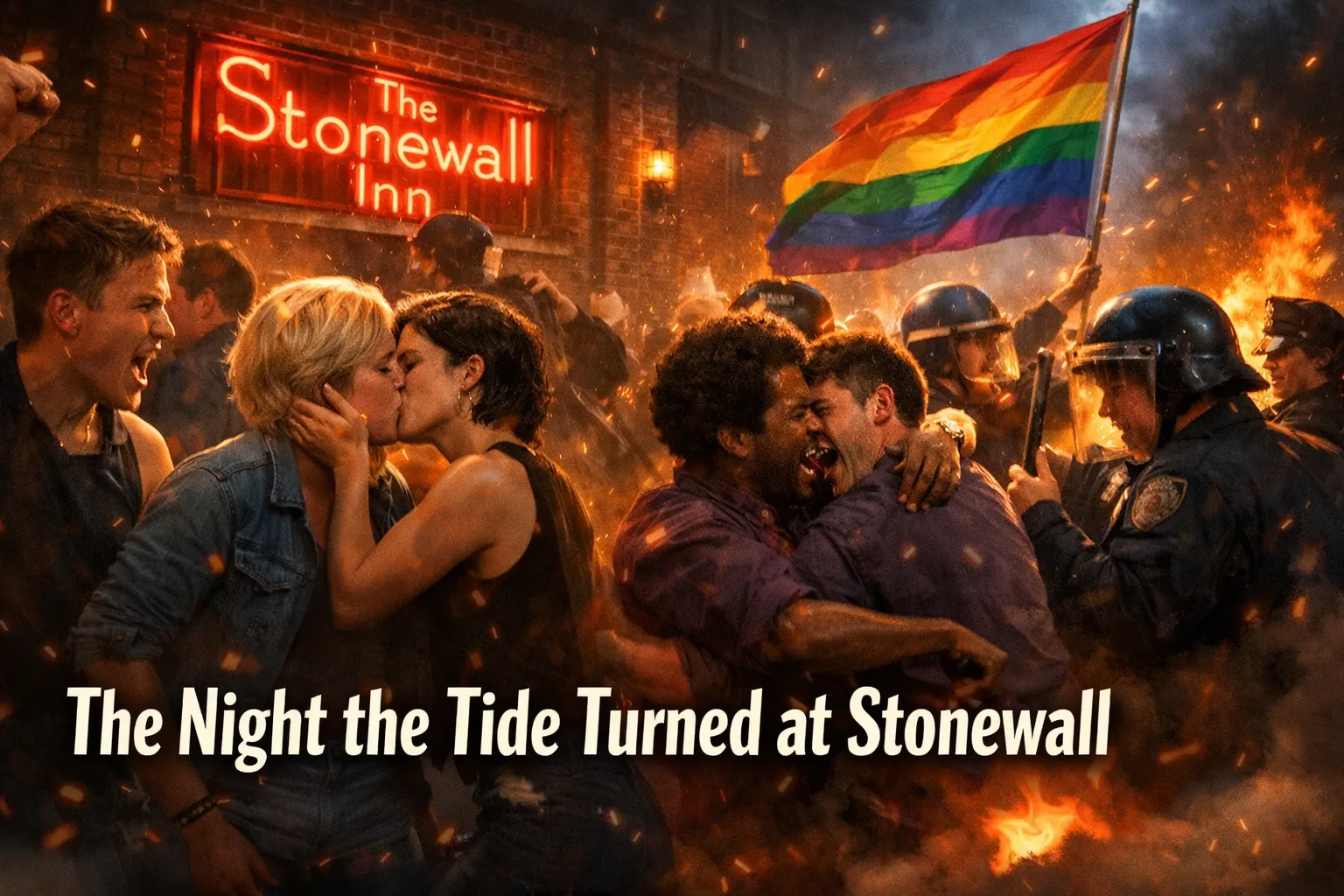
There are moments in history when everything changes. When people who've been pushed down, harassed, and told to stay invisible finally say "enough." June 28, 1969, was one of those nights. The Stonewall Inn in Greenwich Village wasn't just another gay bar: it became the birthplace of a revolution that would reshape LGBTQ+ rights forever.
Just Another Raid: Until It Wasn't
Police raids on gay bars in the 1960s were as common as sunrise. The NYPD would storm in, check IDs, arrest employees, and haul away anyone they deemed "suspicious." The Stonewall Inn at 51-53 Christopher Street had been raided before. Everyone knew the drill: keep your head down, accept the humiliation, go quietly.
But something was different that hot summer night.
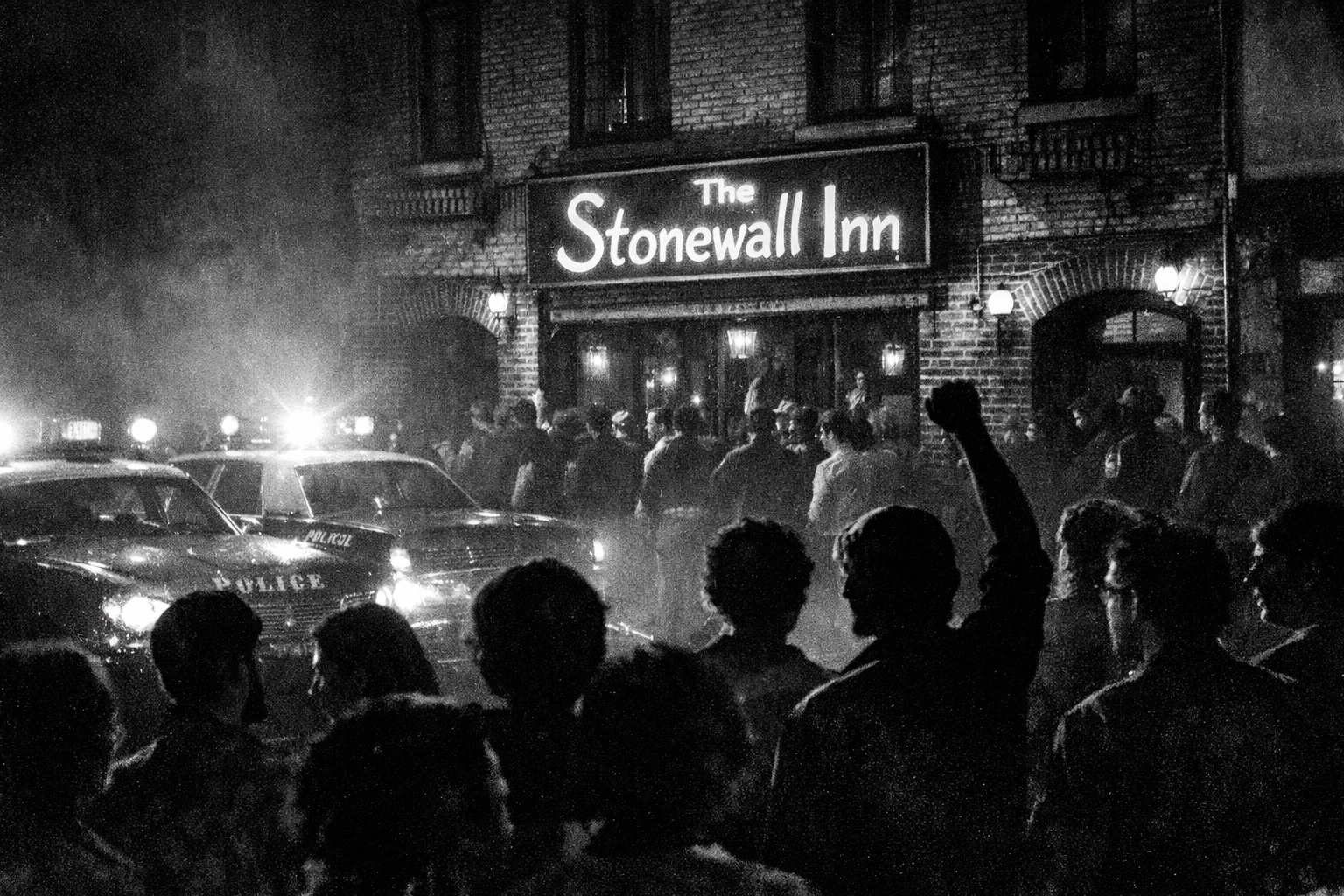
Around 1:20 a.m., nine police officers entered the Stonewall Inn expecting the usual compliance. They arrested employees for operating without a liquor license: a technicality that gave them cover for what was really harassment. They arrested patrons under an absurd New York law that criminalized wearing fewer than three articles of "gender-appropriate" clothing. Trans folks and gender-nonconforming people were specifically targeted.
The bar's patrons had seen this routine countless times. They'd watched friends dragged away. They'd felt the shame of being made to feel criminal for simply existing. But that night, tired of the same script, they rewrote it.
The Fire Ignites
As police began making arrests and roughing up customers, something unprecedented happened: people fought back. Bar patrons refused to show IDs. The crowd gathering outside refused to disperse. When police started loading people into the wagon, onlookers didn't scatter: they threw coins, bottles, and whatever else they could find.
The energy was electric and dangerous. Police inside the bar suddenly realized they'd lost control of the situation. When demonstrators broke through the plywood-covered windows, officers unholstered their pistols and pointed them at the crowd, threatening to shoot. The crowd didn't back down. If anything, the threats fueled their anger.
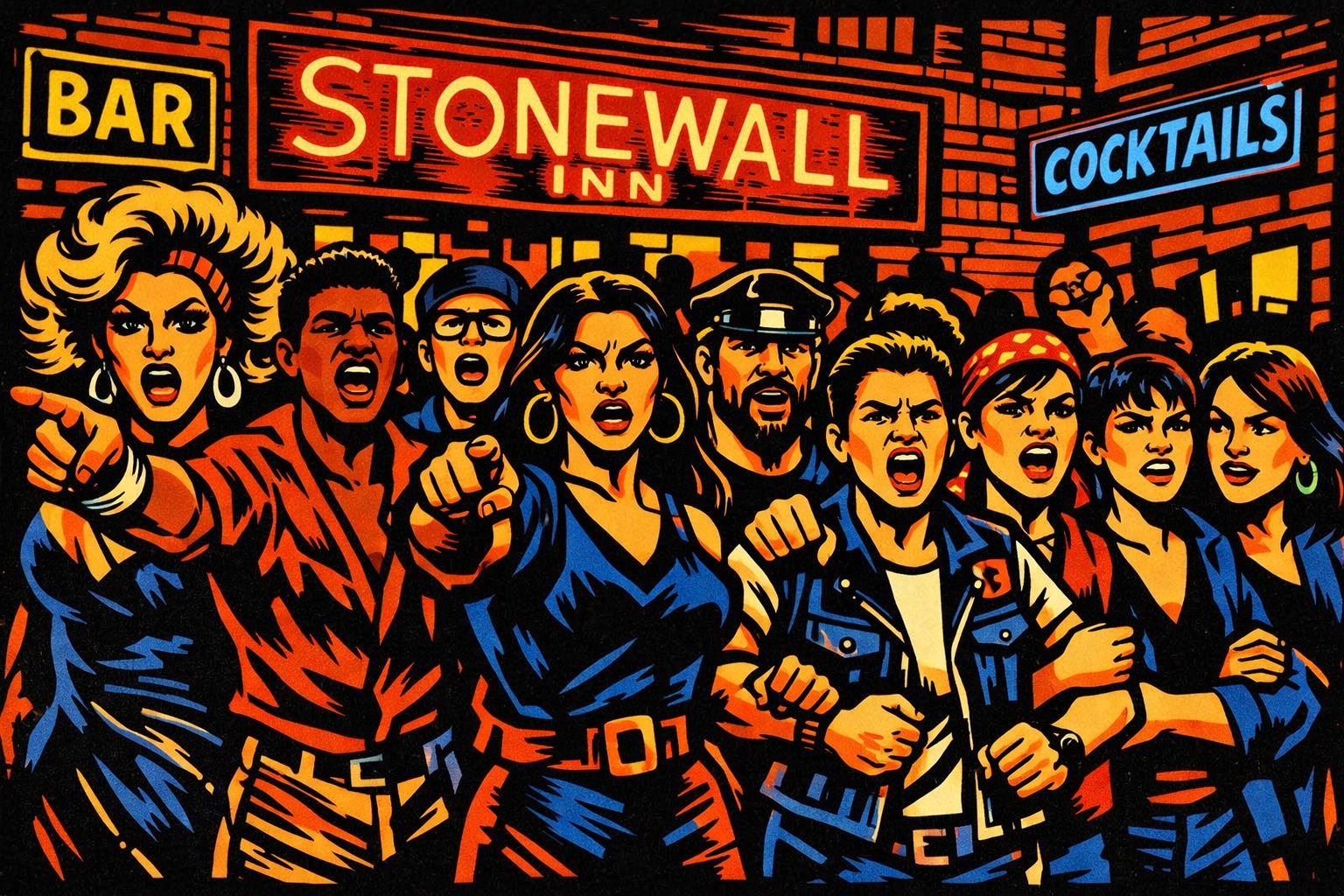
People tried to overturn the police wagon. Street battles erupted. The confrontation raged until approximately 4:00 a.m. Thirteen people were arrested on the first night. Some crowd members ended up hospitalized. Four police officers were injured. But the uprising had only just begun.
Six Days That Changed Everything
The Stonewall Uprising didn't end with one night of resistance: it lasted six days. From June 28 to July 3, protests swept through Greenwich Village streets. The neighborhood transformed into a battleground where LGBTQ+ people and their allies demanded respect, dignity, and the right to exist without fear.
Each night brought more people. Word spread through underground networks, through whispers in other bars, through the grapevine that connected the queer community. This wasn't just about one bar anymore. This was about decades of oppression, of police violence, of being told you were sick, criminal, and wrong for loving who you loved.
By the final night, some shops had been looted in the chaos. The property damage became a talking point for critics. But for those who'd been there, who'd lived through years of systematic violence and erasure, the message was clear: we're done being quiet.
Why Stonewall Mattered
Here's the thing: LGBTQ+ people had resisted police harassment before Stonewall. There were uprisings at Cooper's Do-nuts in Los Angeles in 1959 and Compton's Cafeteria in San Francisco in 1966. Queer people had been fighting back in smaller, less documented ways for years.
What made Stonewall the turning point wasn't that it was the first act of resistance. It was that Stonewall became the spark that ignited explosive growth in the gay rights movement. In the immediate aftermath, activist groups formed nationwide at an unprecedented rate. Thousands of people who'd been closeted or complacent suddenly joined the cause.
Within a year, the first Pride marches took place in New York, Los Angeles, and Chicago: commemorating the anniversary of the uprising. The energy that started on Christopher Street spread across the country and eventually around the world. Organizations like the Gay Liberation Front and the Gay Activists Alliance formed, bringing political strategy and visibility to the movement.
Stonewall gave the community something it desperately needed: a collective narrative of strength rather than victimhood. It proved that fighting back was possible. That change was possible.
The Legacy Lives On
Walk through Greenwich Village today, and you'll find the Stonewall Inn still standing: now a National Historic Landmark. Across the street, the Stonewall National Monument honors those who fought for the freedom we have today. Every June, millions of people around the world celebrate Pride, tracing their celebration back to that hot summer night in 1969.
The legacy isn't just about parades and rainbow flags. It's about visibility, activism, and refusing to accept oppression as inevitable. It's in every LGBTQ+ person who lives openly, every marriage that's celebrated, every protection enshrined in law. It's in the gay romance novels and MM romance books that tell our love stories without shame at Read with Pride, in the communities we've built, in the families we've chosen.
But the struggle didn't end at Stonewall, and we can't forget that. Trans people, particularly trans people of color, who were at the forefront of the uprising, still face disproportionate violence and discrimination. The right to exist safely and authentically remains under attack in many places. The spirit of Stonewall reminds us that progress requires constant vigilance and action.
Fighting Back, Then and Now
The people who fought at Stonewall weren't seeking permission to be accepted. They were demanding their basic human rights. They were done negotiating with a system designed to erase them. That energy: that fierce, unapologetic defiance: is what changed everything.
Today's LGBTQ+ community stands on their shoulders. Every time we refuse to hide, every time we protest discriminatory laws, every time we celebrate our love and our lives openly, we honor those who risked everything at Stonewall.
The tide turned that night because people decided they'd had enough. Because visibility mattered more than safety. Because loving yourself and your community is the most revolutionary act of all.
Discover more LGBTQ+ stories and celebrate queer love at readwithpride.com. Follow us on Facebook, Instagram, and X for daily inspiration and the latest in gay fiction and MM romance.
#Stonewall #LGBTQHistory #PrideMonth #GayRights #StonewallUprising #QueerHistory #ReadWithPride #GayRomance #MMRomance #LGBTQBooks #GayFiction #QueerCommunity #LoveIsLove #GayActivism #Pride2026 #GreenwichVillage #LGBTQActivism

Leave a Reply
You must be logged in to post a comment.