

readwithpride.com
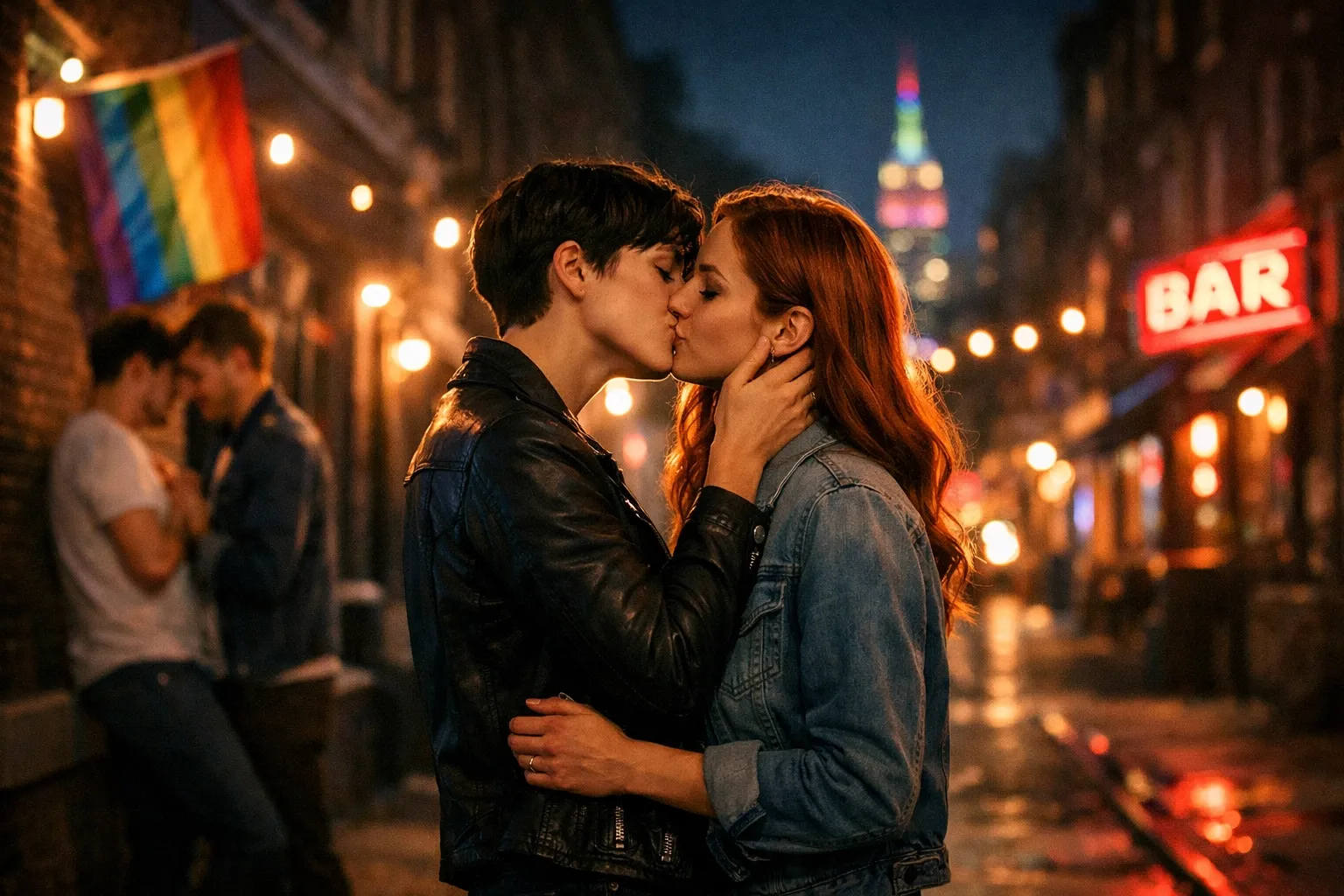
The streets of Greenwich Village in the 1940s and 50s held secrets in every shadow. While the rest of America was wrapped up in post-war prosperity and suburban dreams, another world existed beneath the surface, a world of coded glances, careful words, and communities built on whispers.
Being gay in mid-century New York wasn't just difficult. It was dangerous. It was illegal. And yet, somehow, men found each other.
The Language of Survival
Long before dating apps and pride parades, gay men developed an entire vocabulary of survival. You couldn't just walk up to someone and ask if they were "family", well, actually, you could, because that's exactly what the term meant. "Are you family?" was one of the safest ways to identify fellow gay men without outing yourself to the wrong person.
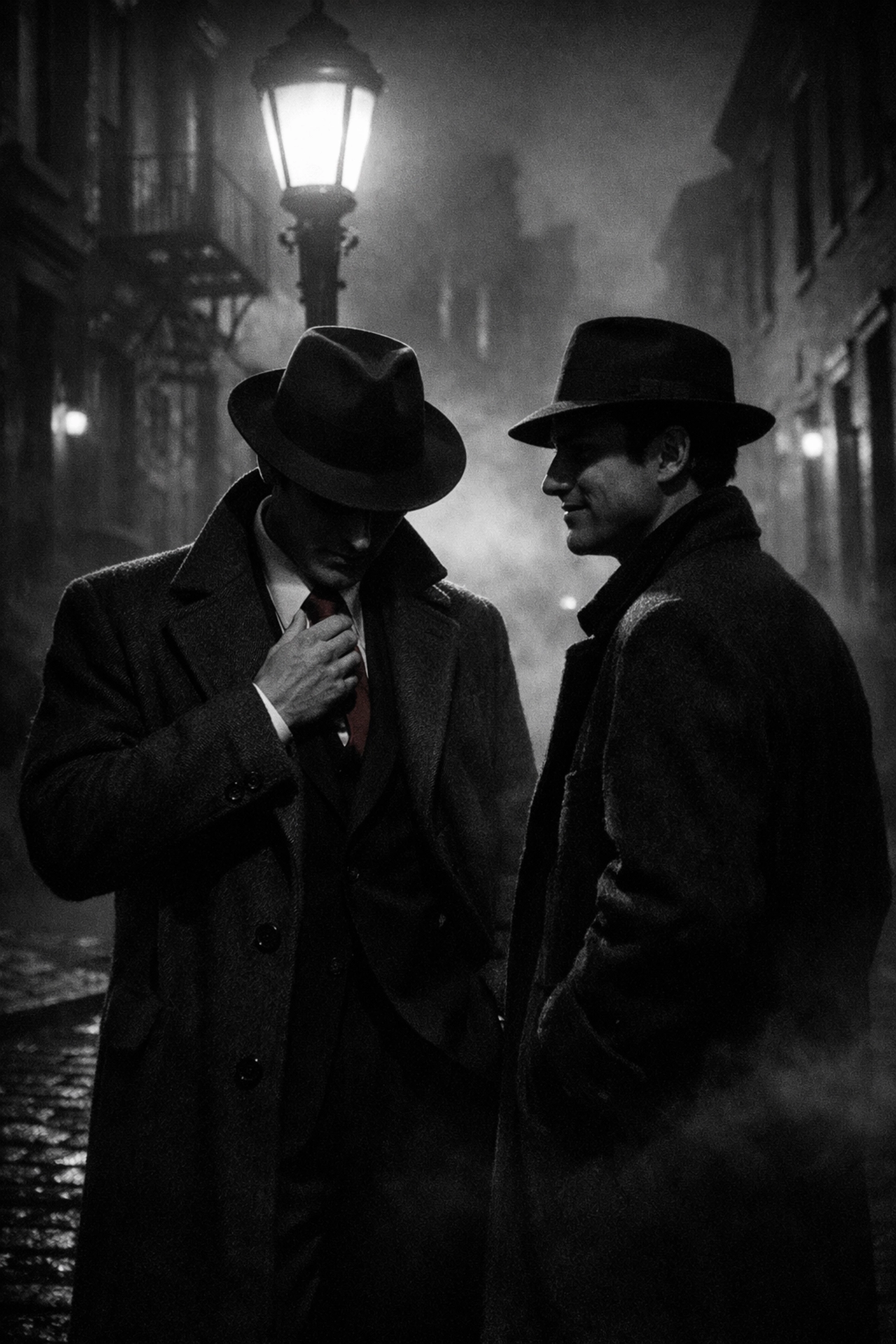
The language was poetry born from necessity. A man might mention being "musical" or "artistic" in conversation, code words that signaled identity without spelling it out. Others spoke about "having a friend" in town or knowing someone who was "that way." These phrases sound innocent to straight ears, but to those in the know, they were lifelines.
Even fashion became a language. A red tie on a Thursday. A pinky ring worn on the right hand. Suede shoes, especially blue ones. These weren't fashion statements; they were signals. A carefully knotted scarf could communicate what words couldn't safely say.
The Geography of Freedom
Greenwich Village wasn't chosen by accident. The neighborhood's narrow, winding streets and bohemian reputation made it perfect for those living on society's margins. Artists, writers, immigrants, and yes, gay men and lesbians all found refuge in the Village's accepting chaos.
Certain blocks became known, never spoken about openly, but known nonetheless. Christopher Street. Bleecker Street. Washington Square Park after dark. These weren't just addresses; they were coordinates to a different world.
The trick was learning to read the map. A bookstore might cater to a certain clientele. A bar might have a back room where the real party happened. Coffee shops stayed open late for reasons that had nothing to do with caffeine. You learned which police precincts to avoid, which neighborhoods offered relative safety, and which subway exits led to danger.
Behind Closed Doors
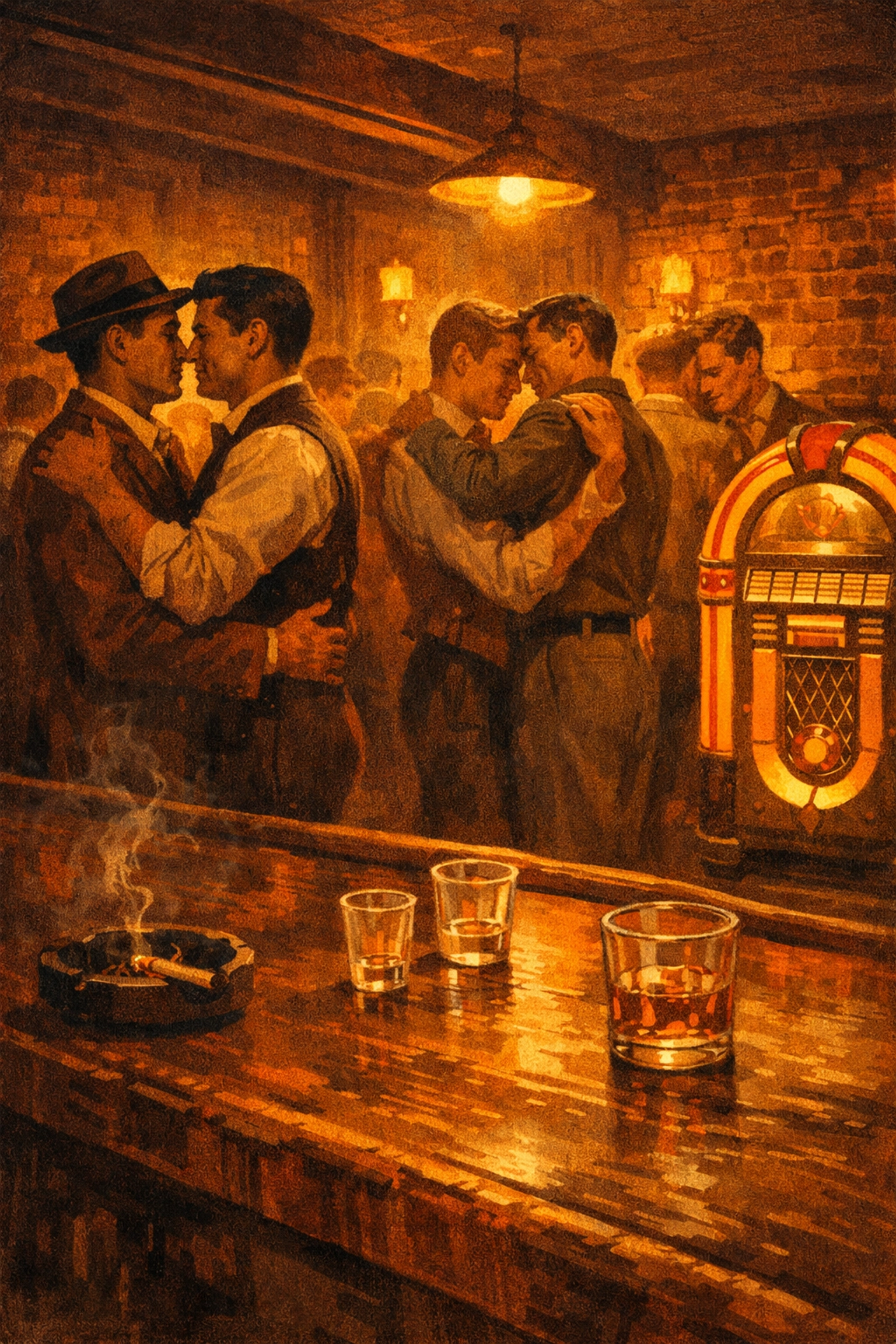
The bars were everything. Not the respectable establishments on main streets, but the underground spots, the ones with no signs, unlocked doors that led down dark staircases, and bartenders who could smell a cop from a block away.
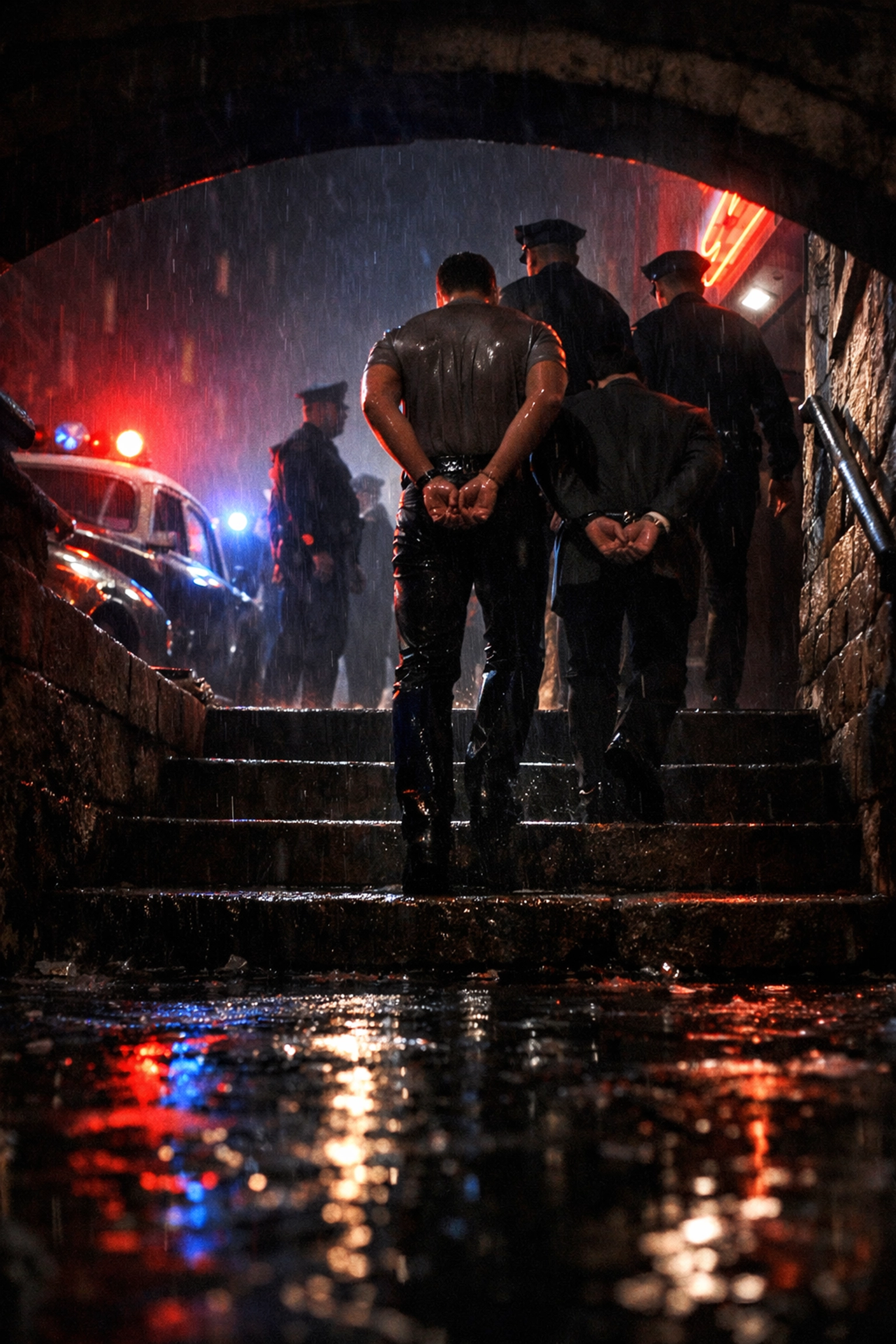
These weren't glamorous places. They were basements and back rooms, spaces that could be abandoned quickly if a raid happened. And raids did happen. Regularly. The police would burst in, lights blazing, arresting anyone whose gender expression didn't match the arbitrary "three pieces of gender-appropriate clothing" rule. Yes, that was real. You had to wear at least three items of clothing that matched your assigned gender, or you could be arrested.
But despite the risk: or maybe because of it: these spaces became sacred. They were the only places where men could dance together, hold hands, steal kisses. Where you could be called by your chosen name and no one would judge. Where "she" and "her" might refer to a man, and everyone understood the defiance and affection in those pronouns.
The Cost of Being Seen
The consequences of getting caught weren't just legal. A single arrest could destroy your entire life. Your name would appear in the newspaper: they published the names of everyone arrested in raids. Your employer would fire you. Your family would disown you. Your landlord would evict you.
Many men lost everything. Careers vanished overnight. Marriages (because many gay men married women to survive) crumbled. Some men took their own lives rather than face the shame society demanded they feel.
The medical establishment was no help either. Homosexuality was classified as a mental illness. "Treatments" ranged from talk therapy to electroshock therapy to lobotomies. Doctors promised to "cure" what didn't need curing, while families paid fortunes to have their sons "fixed."
Finding Each other in the Dark
Despite everything: the laws, the raids, the stigma, the violence: community persisted. Men found ways to connect, to love, to build lives together. They created chosen families when blood families rejected them. They developed networks of support that would eventually form the backbone of the gay rights movement.
House parties became crucial. Someone with a relatively safe apartment would host gatherings where men could socialize without the risk of public exposure. These parties moved locations weekly, invitations passed through trusted friends only. You needed to know someone who knew someone to get in.
The bathhouses also played a role, though they existed in a legal gray area. Some were raided regularly, others paid off the right cops to stay open. They offered not just sexual freedom but also a space to breathe, to exist without pretense, even if only for an hour.
The Seeds of Revolution
What many people don't realize is that all this secrecy, all this coded language and underground culture, was building toward something bigger. Every man who risked everything to live authentically, every bartender who warned of incoming raids, every friend who vouched for someone new: they were all planting seeds.
By the late 1960s, those seeds were ready to bloom. The whispers in Greenwich Village would eventually become shouts at Stonewall. The careful codes would transform into proud declarations. The men who learned to hide would teach the next generation to stand visible.
Honoring the Whispers
When we talk about LGBTQ+ history, it's easy to jump straight to Stonewall, to the activism and pride parades. But we can't forget the decades before, when simply existing was an act of rebellion. When loving someone of the same gender required the courage of a spy and the creativity of a poet.
Those whispers in Greenwich Village: they matter. They're part of our story. The men who spoke in codes and met in shadows weren't just surviving; they were preserving our community for future generations. They were holding space for a future they might never see but desperately hoped would come.
Reading gay fiction and MM romance books today, we often see stories set in this era. They capture the tension, the danger, the desperate romance of loving someone when the world says you shouldn't. These stories: available at Read with Pride: help us remember and honor what came before.
The next time you walk freely down a street holding your partner's hand, remember Greenwich Village in 1950. Remember the men who couldn't do that but dreamed of a day when someone could. Remember the whispers that eventually became roars.
Because every pride parade, every legal marriage, every openly LGBTQ+ person living their truth: it all started with whispers. And those whispers changed the world.
Discover more LGBTQ+ stories and history at readwithpride.com. Follow our journey on Facebook, Instagram, and Twitter.
#ReadWithPride #LGBTQHistory #GayHistory #GreenwichVillage #QueerHistory #MMRomance #GayRomanceBooks #LGBTQBooks #GayFiction #QueerLiterature #HistoricalLGBTQ #NewYorkHistory #StonewallHistory #GayRights #LGBTQCommunity #PrideHistory #MMRomanceBooks #GayLoveStories #LGBTQFiction #QueerStories

Leave a Reply
You must be logged in to post a comment.