

readwithpride.com
When the Berlin Wall came down on November 9, 1989, it didn't just reunite a divided city: it created a blank canvas for one of the most revolutionary cultural movements of the late 20th century. The reunification of East and West Berlin left behind abandoned buildings, derelict power plants, and a population searching for something to bridge the decades of separation. What emerged from that rubble wasn't just a music scene. It was a full-blown cultural revolution where queer liberation and techno music collided to create something the world had never seen before.
When Detroit Met Berlin
Techno music didn't originate in Berlin: it came from Detroit, created by Black musicians who were pioneering electronic sounds in America's industrial heartland. But when that sound crossed the Atlantic and landed in post-reunification Berlin, it found its spiritual home. Young Berliners, both East and West, were desperate for something that could unite them without the baggage of language, politics, or decades of Cold War division.
Techno was perfect for the moment. It was unmarked, without a specific cultural identity tied to either side of the wall. It was futuristic when Berlin's past felt too heavy to carry. It was communal when the city needed connection more than anything. The repetitive beats, the hypnotic rhythms, the emphasis on collective experience over individual performance: it all spoke to a generation ready to dance their way into a new era.
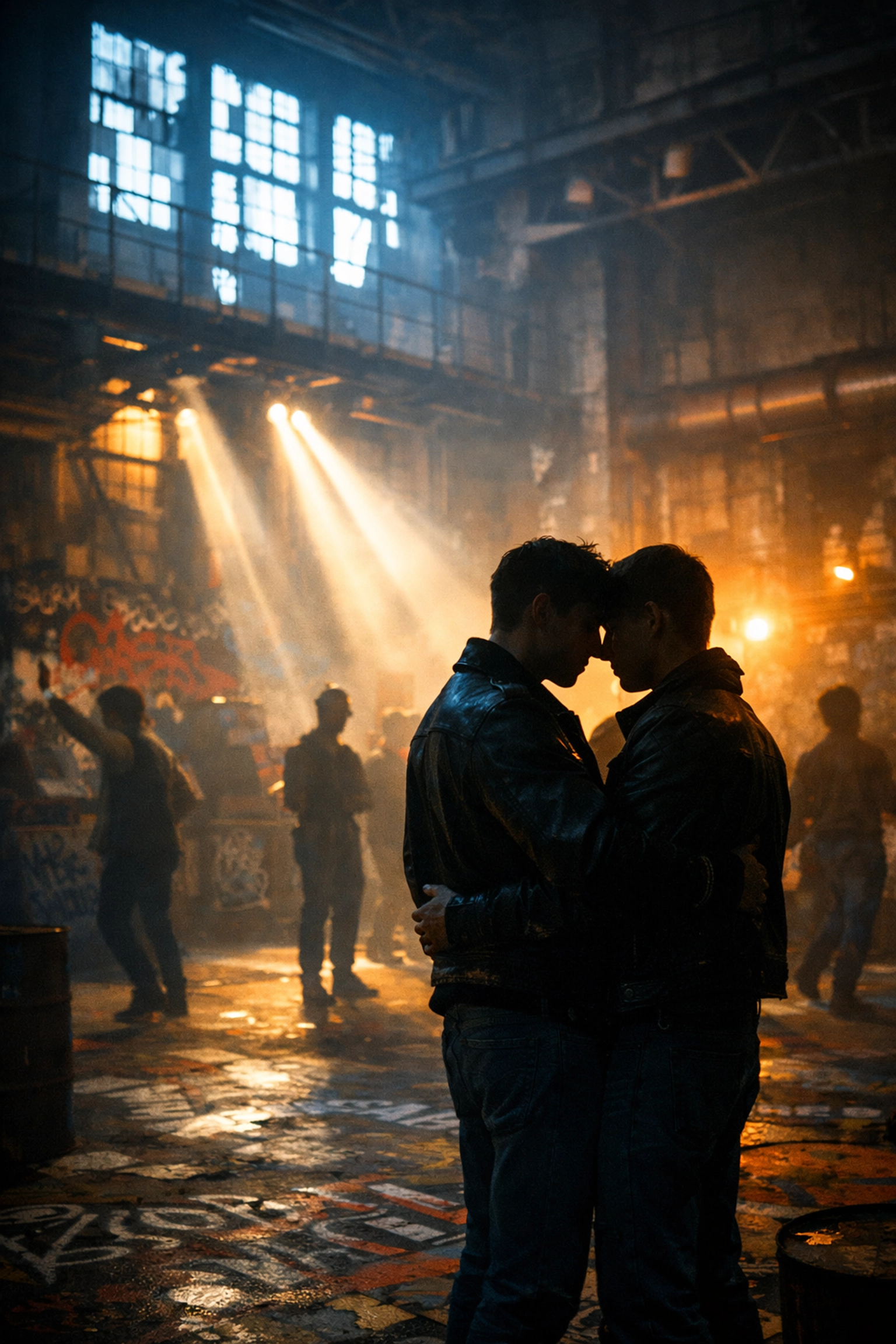
But here's where Berlin's story diverges from every other techno city in the world: from the very beginning, the scene was deeply, unapologetically queer.
The Queer Foundation of Berlin Techno
While other cities kept their gay clubs and techno venues separate, Berlin fused them from day one. The alliance between East German ravers, the gay community, and Berlin's vibrant creative underground shaped the DNA of the city's nightlife. And much of that influence came directly from New York's gay liberation movement of the 1970s and 80s, where clubs like the Paradise Garage weren't just places to dance: they were forums for the liberated body, spaces where sexual freedom and self-expression were sacred.
Pioneers like Norbert Thormann and Michael Teufele understood this connection instinctively. In 1994, they launched Snax Club, initially as a men-only space that brought together techno music and explicit sexual freedom. This wasn't accidental or coincidental: it was intentional. They saw what others didn't: that the liberation promised by techno's democratic, boundary-dissolving sound could only be fully realized in spaces that also liberated the body and sexuality.
Berlin's Mitte techno scene, while groundbreaking in many ways, initially kept gay culture at the margins. The queer pioneers changed that, insisting that sexual liberation and musical liberation were inseparable parts of the same movement.
The Legendary Venues
Tresor, founded in 1991 in an abandoned bank vault and power plant, became Berlin's first legendary techno institution. The space itself told Berlin's story: industrial, raw, scarred by history, but pulsing with new life. Tresor became synonymous with Berlin's revival, drawing international DJs and creating a template for what a post-wall Berlin club could be. The sound system was incredible, the vibe was intense, and the location: in the literal no-man's-land between East and West: felt symbolic of everything the scene represented.
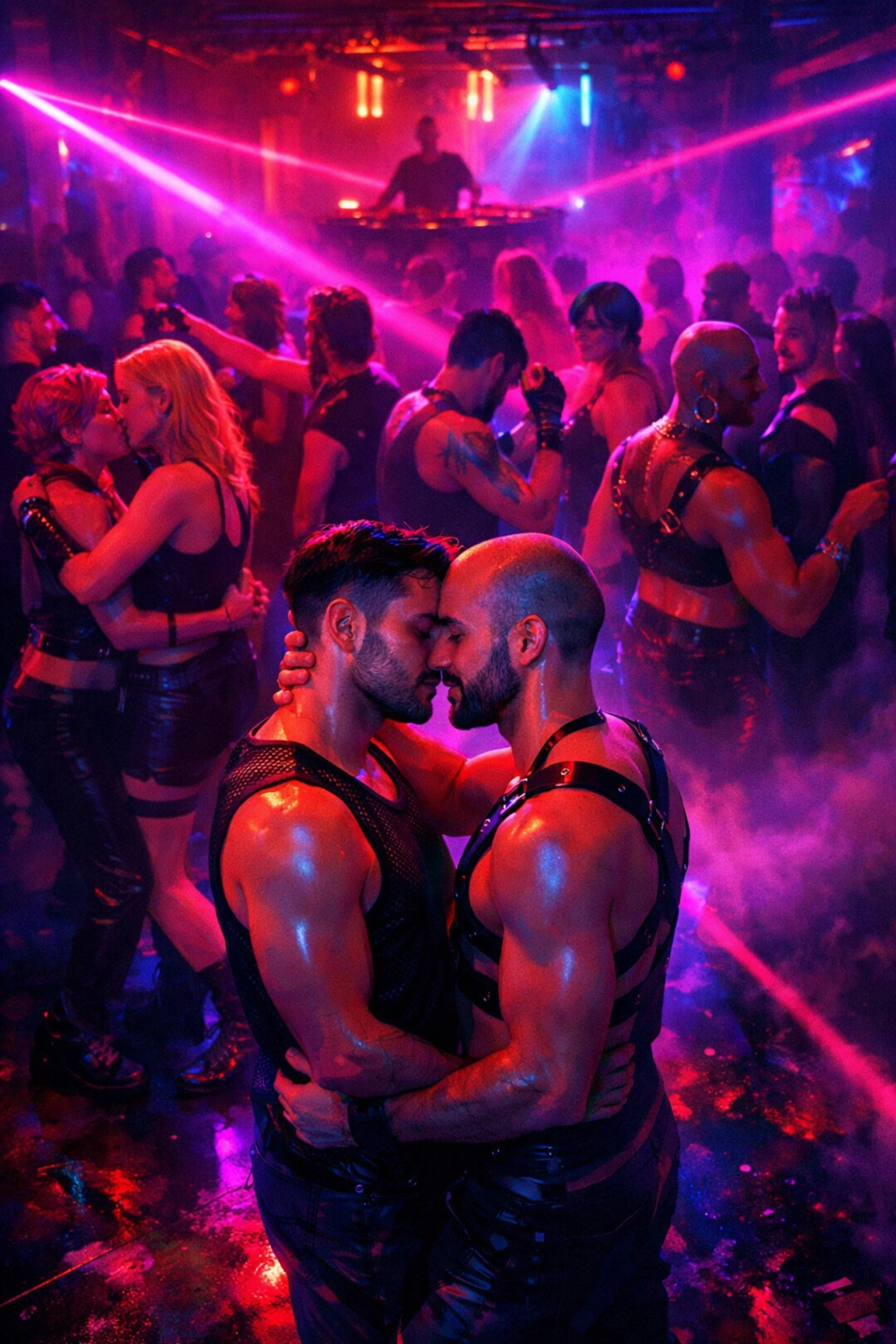
But it was Ostgut, opened in 1998 near Ostbahnhof, that truly integrated queer culture into Berlin's techno mainstream. As a predominantly gay club, Ostgut broke conventions by placing darkrooms directly within the dance floor space. This wasn't segregation or separation: it was integration. The message was clear: your sexuality, your body, your freedom of expression were all part of the same experience. Dance and desire, music and liberation, weren't separate pursuits but interconnected expressions of freedom.
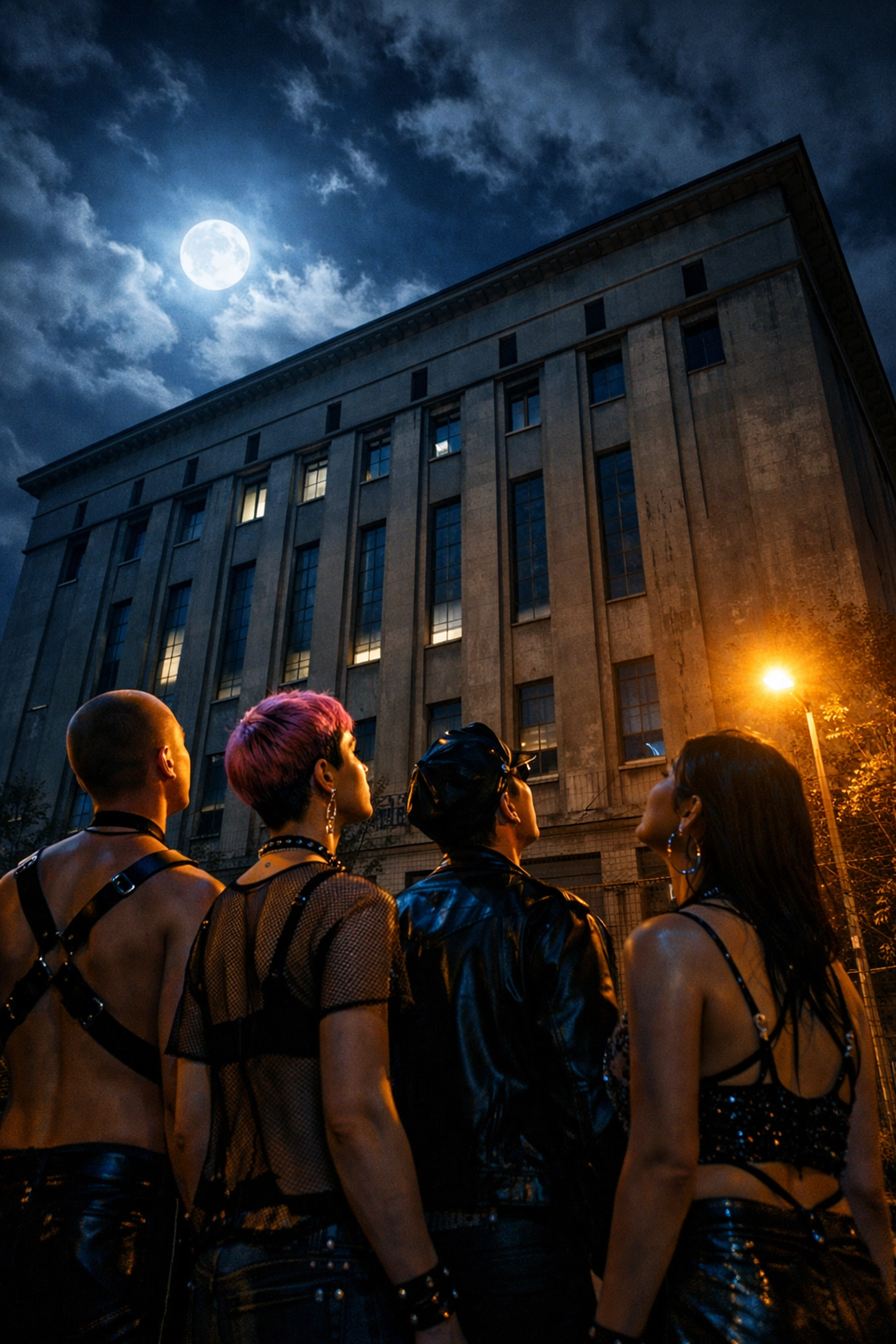
Ostgut operated until 2003, but its legacy was just beginning. When the founders opened Berghain in 2004 in a massive former power plant straddling the border between Kreuzberg and Friedrichshain, they took everything they'd learned and scaled it up. Berghain would eventually be called "the world capital of techno," a place with such legendary status that the door policy alone became the subject of countless articles, debates, and disappointed tourists.
More Than Just a Party
What made Berlin's queer techno scene globally significant wasn't just the music or even the legendary parties. It was the authentic representation of self-expression and communal dancing rooted in liberation movements. The clubs became spaces where gender norms dissolved, where sexual orientation was irrelevant, where your ability to lose yourself in the music mattered more than anything else.
The dress code (or lack thereof) reflected this philosophy. Leather, fetish wear, nakedness, haute couture, or just a simple black t-shirt: all were welcome as long as you brought the right energy. The notorious door policies weren't about exclusivity for exclusivity's sake; they were about protecting the vibe, maintaining the space as a sanctuary for people who didn't fit in anywhere else.
Berlin's techno scene became the first unified German pop-cultural movement since reunification. It drew four distinct groups: the East Berlin ravers hungry for Western culture, the West Berlin creatives seeking something new, the international LGBTQ+ community finding unprecedented freedom, and eventually, the tourists who wanted to glimpse this legendary underground.
The Global Impact
As word spread about Berlin's unique scene, the city became a pilgrimage site for queer people and techno fans worldwide. The clubs weren't just playing imported music: they were creating their own sound. Berghain's label, Ostgut Ton, ran from 2005 to 2021 and released music that defined Berlin techno: dark, industrial, hypnotic, and unapologetically intense.
The scene maintained its underground ethos even as it gained international fame. The "no photos" policy protected the space and the people in it. The marathon weekend sessions: Friday night to Monday morning: weren't just about partying; they were about creating an alternate reality where normal rules didn't apply.
For LGBTQ+ travelers, Berlin became what San Francisco and New York had been in earlier decades: a city where you could be completely yourself, where your queerness wasn't just tolerated but celebrated, where sexual liberation was woven into the fabric of the city's most important cultural export.
The Legacy Lives On
Today, Berlin's queer techno scene faces new challenges. Gentrification threatens the affordable spaces that made experimentation possible. Mainstream popularity risks diluting the underground ethos. The pandemic forced long closures that tested even the most established venues.
But the scene persists because it was never just about music or nightlife: it was about freedom. The same freedom that drove people to tear down the Berlin Wall in 1989 continues to drive people to Berlin's dance floors today. It's the freedom to reinvent yourself, to explore your sexuality, to lose yourself in collective experience, to exist without judgment in spaces that were built for exactly that purpose.
The story of post-wall Berlin's queer techno scene is a reminder that culture doesn't just fill voids: it creates new possibilities. When Detroit's Black musicians created techno and Berlin's queer pioneers transformed it into a liberation movement, they weren't just making music history. They were showing the world what happens when marginalized communities are given space to create on their own terms.
That legacy continues every weekend on Berlin's dance floors, in every person who finds freedom in the darkness of a club, in every moment of connection forged through music and movement. The beats go on.
Ready to explore more LGBTQ+ stories and culture? Check out our collection of gay romance books and MM fiction that celebrate queer history, love, and liberation.
Connect with us:
📘 Facebook
📸 Instagram
🐦 Twitter/X
#QueerHistory #BerlinTechno #LGBTQCulture #GayBerlin #TechnoScene #QueerLiberation #BerlinNightlife #Berghain #MMRomance #ReadWithPride #GayBooks #LGBTQBooks #QueerFiction #GayRomance #QueerCulture #BerlinWall #TechnoMusic #GayHistory #LGBTQHistory #QueerTechno

Leave a Reply
You must be logged in to post a comment.