

readwithpride.com
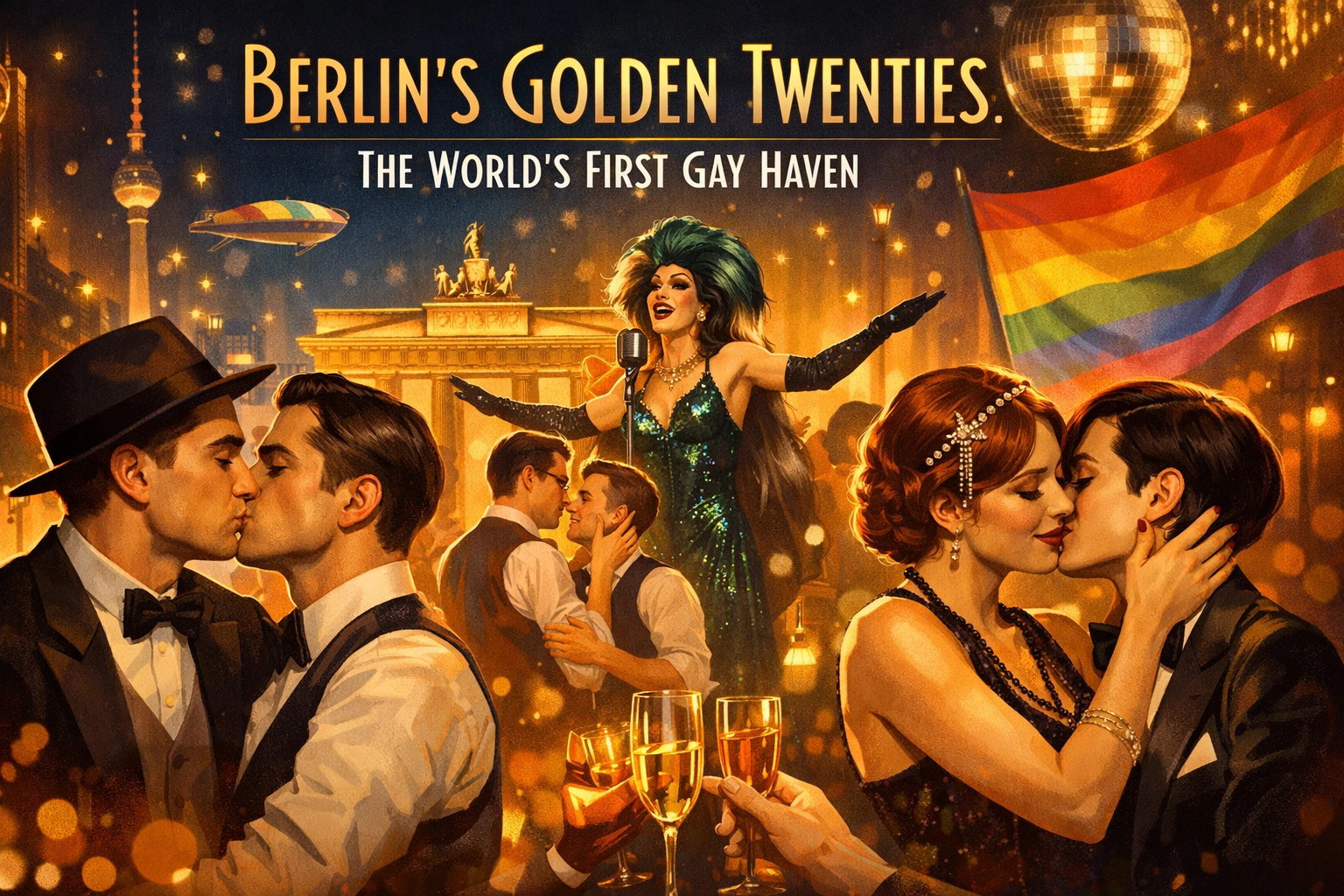
Picture this: It's 1925, and Berlin is absolutely alive. We're not just talking about the usual jazz clubs and speakeasies you'd find in most Western cities during the Roaring Twenties. No, Berlin took things to an entirely different level: it became the world's most vibrant, visible, and unapologetically queer city. Long before Pride parades and marriage equality, Berlin's Golden Twenties gave us a glimpse of what LGBTQ+ liberation could look like.
If you're a fan of queer historical romance or MM fiction that explores our community's rich past, understanding this era is essential. Berlin in the 1920s wasn't just a footnote in gay history: it was the main event.
The Scale Was Unprecedented
Let's talk numbers, because they're genuinely mind-blowing. By 1925, Berlin hosted around 80 venues specifically for gays and lesbians. Eighty! These weren't hidden backroom bars where you'd need a secret password. We're talking about beer halls, elegant restaurants, glittering dance palaces, and all-night bars where queer people could be themselves.
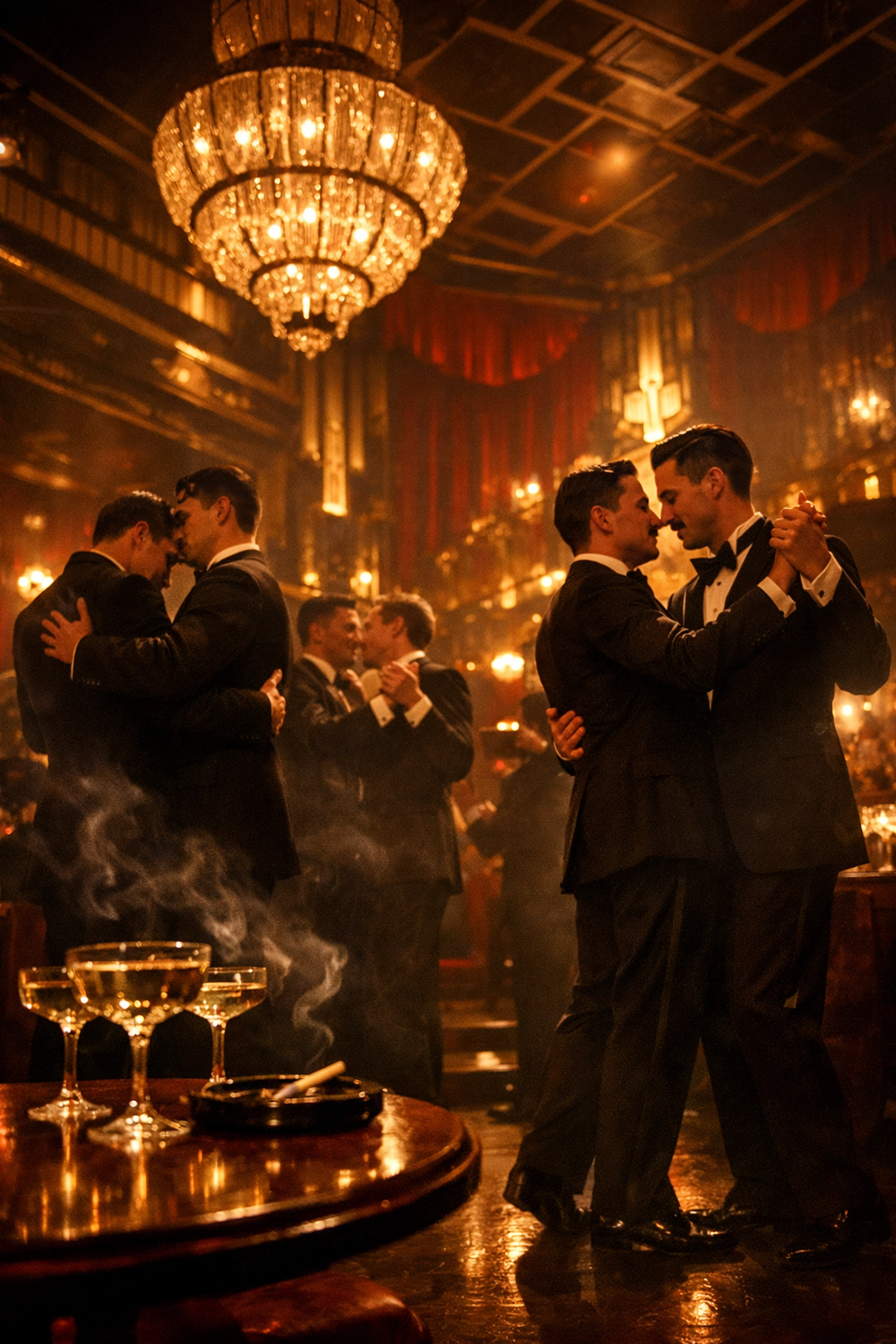
To put this in perspective, this was happening while most of the world still considered homosexuality a criminal offense or a mental illness. Berlin created an entire ecosystem where LGBTQ+ people could socialize, fall in love, debate politics, and build community: all in plain sight.
By the 1920s, nearly thirty different gay periodicals were sold openly on Berlin newsstands. Imagine walking past a newspaper stand and seeing magazines celebrating queer love and life right there next to the mainstream press. This level of visibility wouldn't be matched anywhere else in the world for decades.
The Legendary Eldorado
If Berlin's gay scene had a crown jewel, it was absolutely the Eldorado nightclub. This wasn't your typical club: it was a cultural phenomenon that attracted everyone from working-class Berliners to international celebrities.
The Eldorado became famous for its spectacular drag performances and the way it blurred every line society tried to draw. On any given night, you might find the soon-to-be-legendary Marlene Dietrich sharing the stage with drag queens and transvestite performers, all while a mixed crowd of gay, lesbian, straight, and everything-in-between patrons danced until dawn.
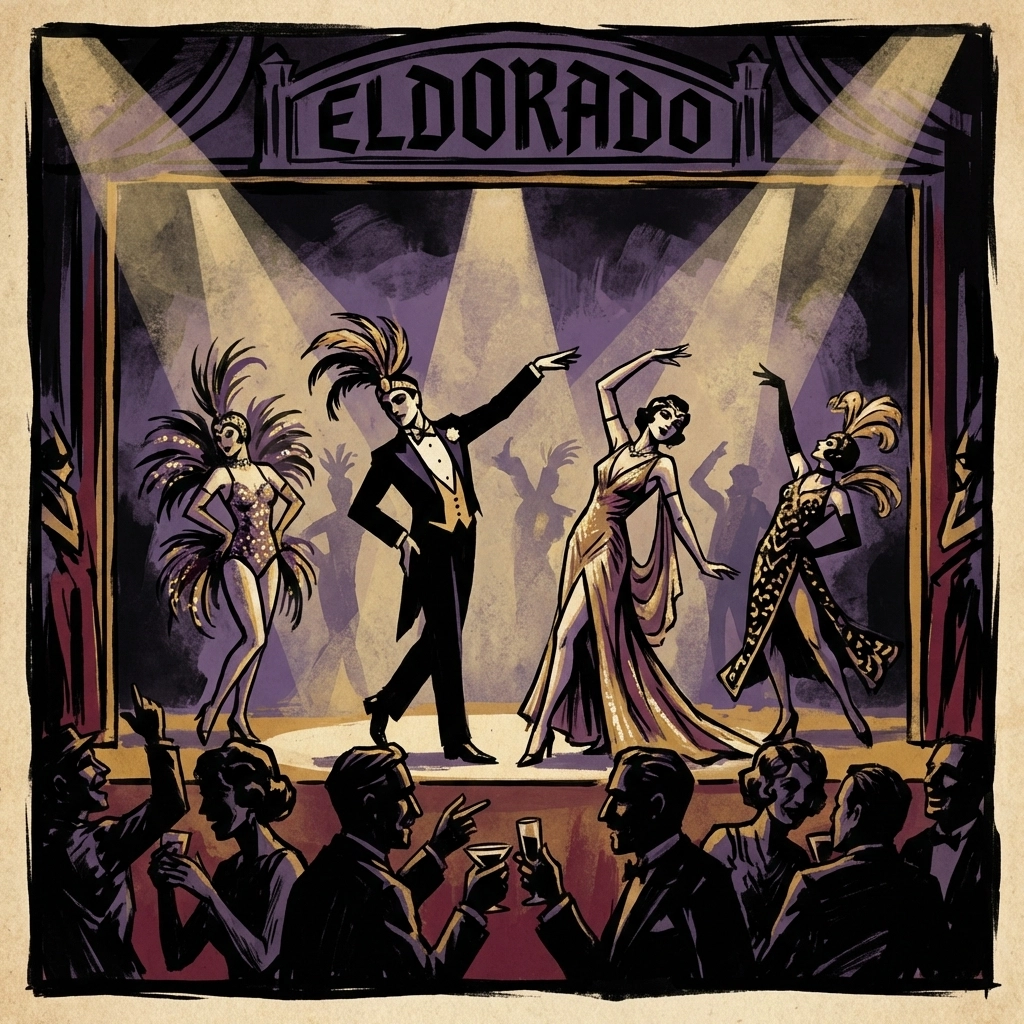
What made the Eldorado special wasn't just the performances: it was the atmosphere of radical acceptance. In a world obsessed with rigid categories and identities, this club said "come as you are" and meant it. It was the kind of place that would inspire countless gay romance novels and MM contemporary fiction set in this era.
Berlin: International Refuge for Queer People
Berlin didn't just serve its own LGBTQ+ residents: it became a beacon for queer people from all over the world. Klaus Mann, the gay son of famous writer Thomas Mann, famously described Berlin as "Sodom and Gomorrah in a Prussian tempo." That mix of sin and efficiency? Very Berlin.
British author Christopher Isherwood arrived in Berlin at the end of the 1920s specifically to experience its liberal gay nightlife. What he witnessed there became the basis for his Berlin Stories, which later inspired the musical Cabaret. Even today, that musical remains one of the most powerful artistic representations of Weimar Berlin's queer culture: though it only scratches the surface of what actually existed.
The city attracted artists, writers, performers, and everyday queer folks who'd heard whispers about this magical place where you could be yourself. For many, Berlin represented hope: proof that a different kind of world was possible.
Political Activism and Near-Victory
Here's something that doesn't get talked about enough: Berlin's queer community wasn't just about parties and nightlife. They were politically organized and fighting for real change.
In 1922, Berlin hosted the first-ever gay demonstration. Think about that date. We're talking about organized LGBTQ+ activism a full forty-seven years before Stonewall. This wasn't spontaneous resistance: it was a planned, public demand for rights and recognition.
Even more remarkably, the Reichstag (Germany's parliament) came incredibly close to decriminalizing homosexuality in 1929. The movement had built enough political power and public support to nearly overturn Paragraph 175, the law criminalizing male homosexuality. They came so close to victory that you can still feel the historical heartbreak of what might have been.
The police leadership under Superintendent Hüllessem adopted what we'd now call a "containment strategy": essentially creating zones where gay clubs could operate within certain boundaries. While not perfect, this approach effectively legitimized gay culture as a valid social identity rather than treating it purely as criminal behavior.
The Literary Scene
The explosion of gay periodicals and literature during this time deserves special attention, especially for those of us who love LGBTQ+ books and gay fiction today. These weren't just magazines with personal ads: they featured poetry, political essays, short stories, and serious discussions about queer identity and rights.
Writers were exploring themes that would become staples of modern MM romance books and queer fiction: forbidden love, the tension between public and private life, found family, and the search for authentic connection in a hostile world. The literary output from this era laid groundwork for everything that came after.
Why This Matters for MM Romance Readers
If you're deep into gay romance novels or MM historical romance, understanding Berlin's Golden Twenties is crucial. This era shows us that queer joy, community, and visibility aren't modern inventions: they're parts of our heritage that we fought for, achieved, and then tragically lost.
Many contemporary gay historical romance novels draw inspiration from this period because it offers something unique: a moment when the queer community wasn't just surviving but thriving. It gives us aspirational history rather than only trauma narratives.
The Tragic End
We have to talk about how it ended. The Golden Twenties came to a brutal halt with the Nazi rise to power in 1933. The vibrant clubs were forcibly shut down. The periodicals were banned. The Eldorado closed its doors forever. Community leaders were arrested, and many queer Berliners ended up in concentration camps.
The systematic destruction of Berlin's gay community wouldn't be reversed for decades. It took until after World War II: and really, not until the late 20th century: for LGBTQ+ communities anywhere to rebuild the kind of visible, organized presence Berlin had achieved in the 1920s.
Lessons for Today
Berlin's Golden Twenties teaches us several crucial things. First, progress isn't inevitable or permanent: it must be constantly defended. Second, queer community and culture flourish when we have space to be ourselves. Third, our history includes moments of incredible joy and achievement, not just oppression.
For those of us creating and consuming LGBTQ+ fiction, MM romance, and gay literature, this history reminds us why representation matters. Every gay love story we write or read is part of a legacy that includes those brave Berliners who danced at the Eldorado and demanded their rights in 1922.
At Read with Pride, we celebrate this history by promoting gay books that honor where we've been and imagine where we're going. Whether you're into steamy MM contemporary romance or thoughtful queer historical fiction, understanding our past enriches every story.
Berlin's Golden Twenties proved that another world is possible: and reminds us to fight for it.
Discover more LGBTQ+ stories and MM romance books at readwithpride.com. Follow us on Facebook, Instagram, and X for daily recommendations and queer literary history.
#BerlinGoldenTwenties #LGBTQHistory #QueerHistory #MMRomance #GayHistoricalRomance #ReadWithPride #GayBooks #LGBTQFiction #QueerLiterature #GayRomanceBooks #HistoricalMMRomance #LGBTQCommunity #QueerCulture #GayFiction #MMBooks #LGBTQReading #GayLoveStories #Readwithpride

Leave a Reply
You must be logged in to post a comment.