

readwithpride.com
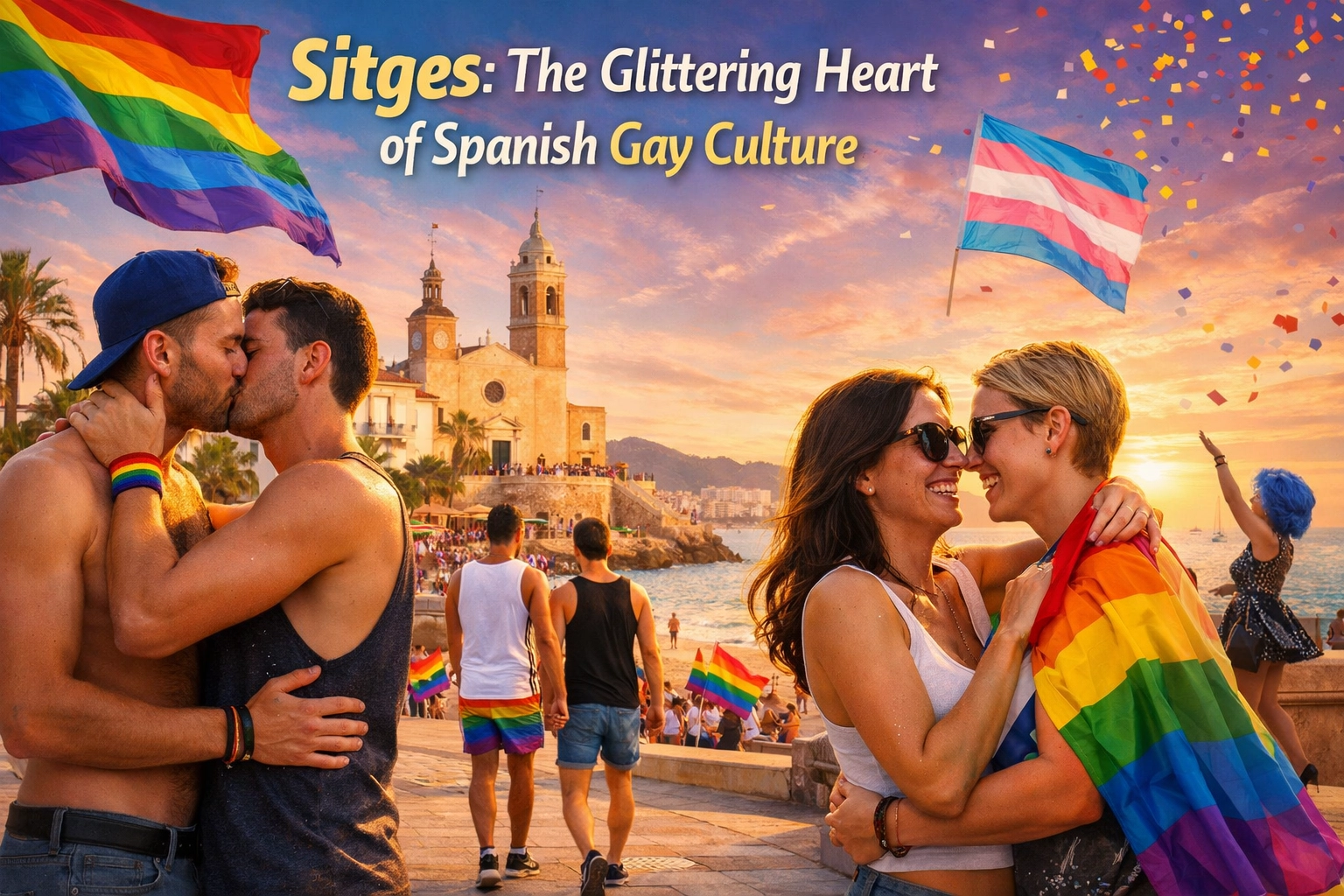
There's a small beach town about 40 miles south of Barcelona where rainbow flags fly year-round, where the streets pulse with pride and possibility, and where gay culture isn't just accepted: it's celebrated as the heartbeat of the community. This is Sitges, and its transformation from a sleepy fishing village to Europe's premier gay destination is a story of resilience, artistry, and the relentless pursuit of freedom.
When Artists Discovered Paradise
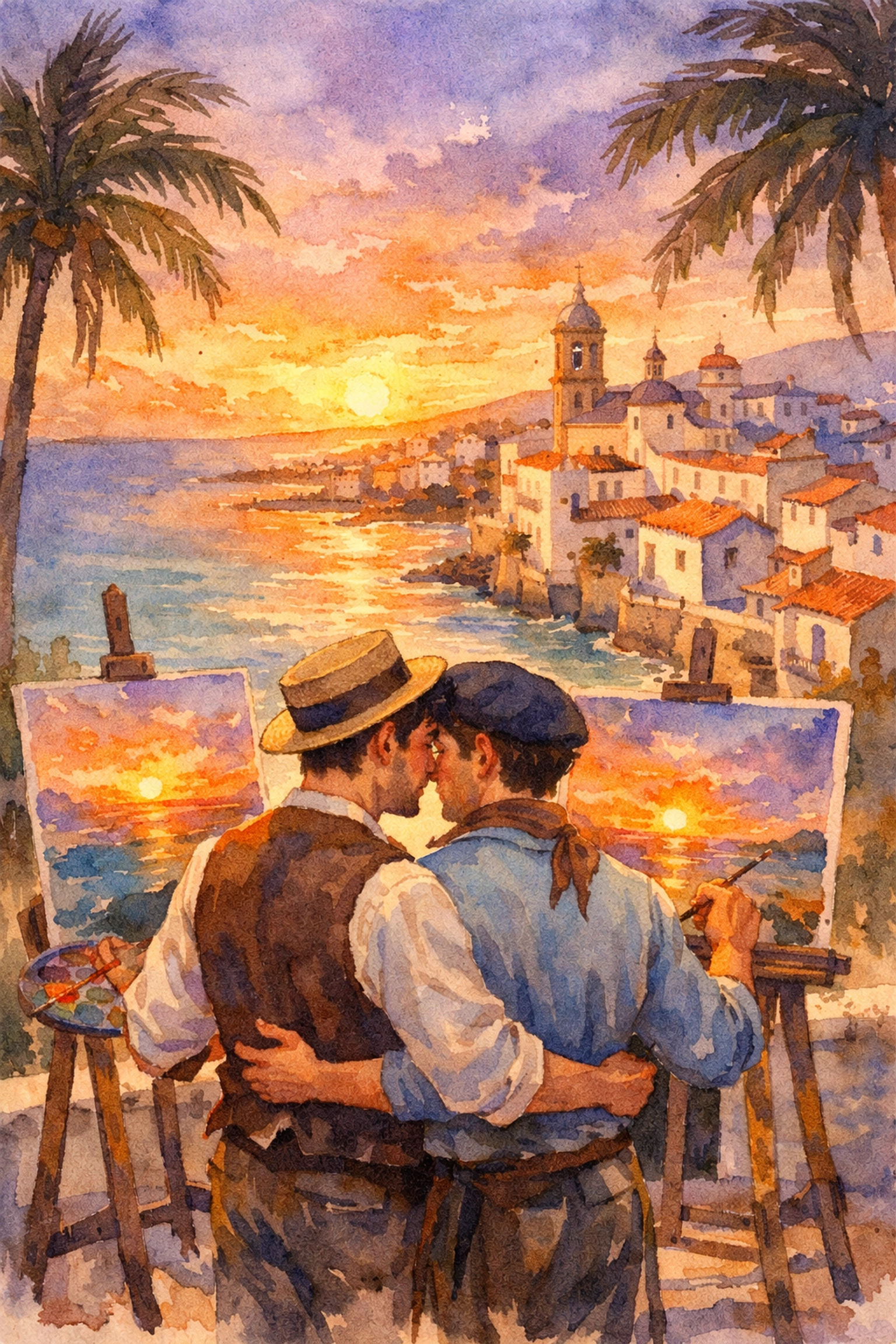
The story begins at the turn of the 19th century, long before Pride parades or legal protections existed. Painter Santiago Rusiñol stumbled upon this coastal gem and saw something beyond its whitewashed walls and Mediterranean sunsets. He saw possibility. Rusiñol turned Sitges into an artistic retreat, and word spread through Europe's creative circles like wildfire.
Soon, the town became a magnet for bohemian spirits and open-minded souls. Salvador Dalí wandered its streets. Federico García Lorca, whose own struggles with his sexuality would later inspire countless works of gay literature and queer fiction, found respite here. Even ballet impresario Sergei Diaghilev discovered the town's magnetic charm. These weren't just random visitors: they were pioneers creating a space where difference was an asset, not a liability.
Surviving the Dark Years
When Franco's dictatorship gripped Spain with an iron fist, homosexuality became a crime punishable by imprisonment in special facilities designed to "correct" LGBTQ+ individuals. It was a time when loving someone of the same gender could destroy your life, when gay romance existed only in whispers and shadows.
But Sitges had something special: distance and discretion. Its relative isolation from Barcelona, combined with that artistic heritage, created a protective bubble. While other parts of Spain enforced brutal crackdowns, Sitges maintained a quiet tolerance. It wasn't freedom: not yet: but it was survival. The town became a rare haven where queer people could breathe a bit easier, where they could exist without quite as much fear.
The Birth of Gay Tourism
The 1960s marked a turning point. Despite Franco still ruling Spain with homophobic laws firmly in place, something remarkable happened. Clandestine queer spaces began emerging in Barcelona, Ibiza, and especially Sitges. Cities that somehow maintained surprising pockets of tolerance even under authoritarian rule.
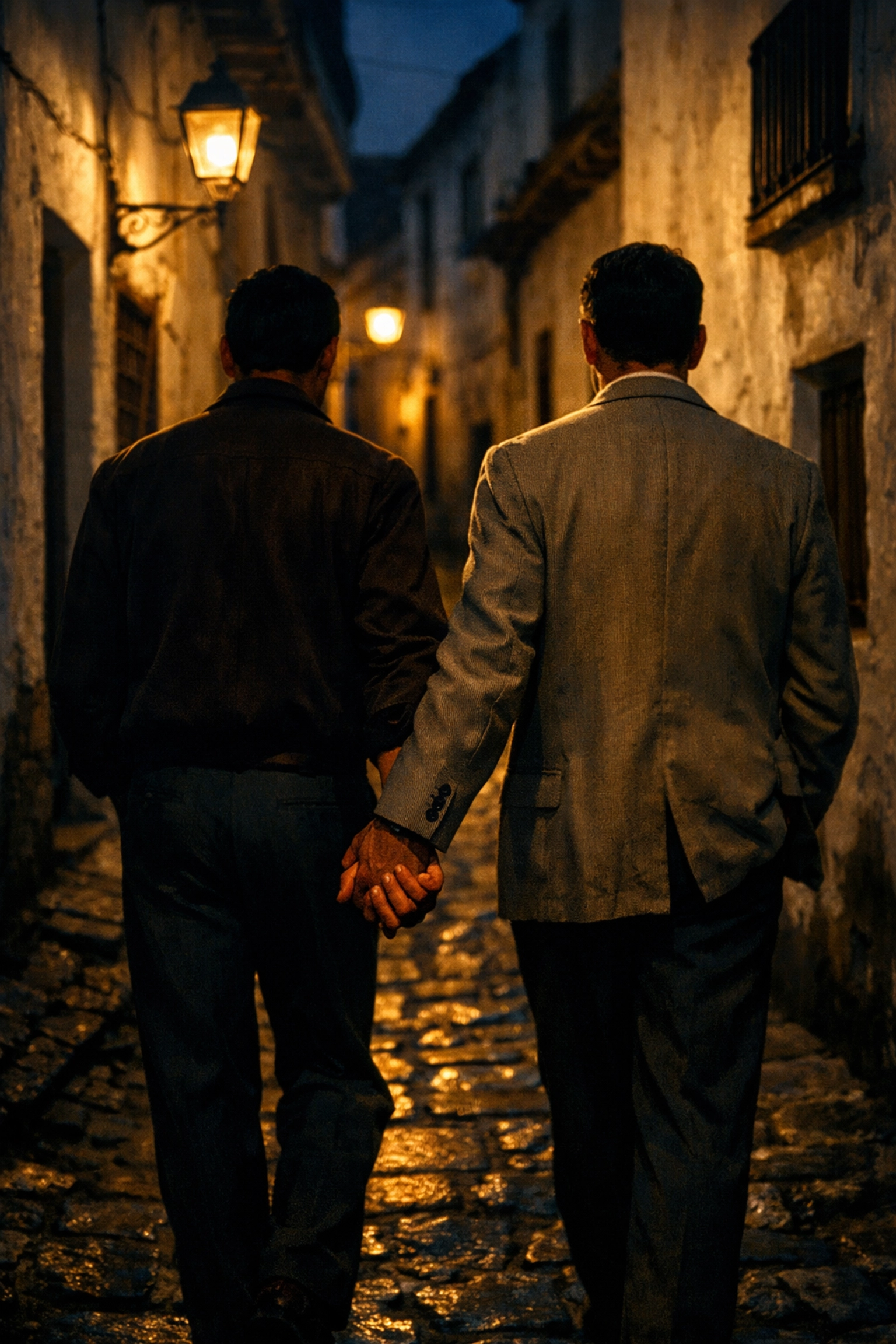
The Hotel Romàntic became legendary during this era. It wasn't just a place to sleep: it was a sanctuary. The hotel opened its doors to gay visitors from across Europe, hosting festivals, parties, and carnival events that would have been impossible elsewhere in Spain. Imagine traveling hundreds of miles, carrying the weight of societal rejection, only to arrive at a place where you could finally hold hands with your partner, dance freely, and experience something resembling normalcy. That's what Sitges offered.
This was the seed of modern gay tourism, planted in hostile soil but somehow blooming anyway. These early visitors became ambassadors, spreading word of this magical place where MM romance wasn't fiction but lived experience, where gay love stories unfolded under Spanish stars.
Freedom at Last
Franco's death in 1975 cracked open the door. Spain decriminalized homosexuality in 1979, and suddenly what had been whispered could be spoken. What had been hidden could be celebrated. Sitges was ready: it had been preparing for decades.
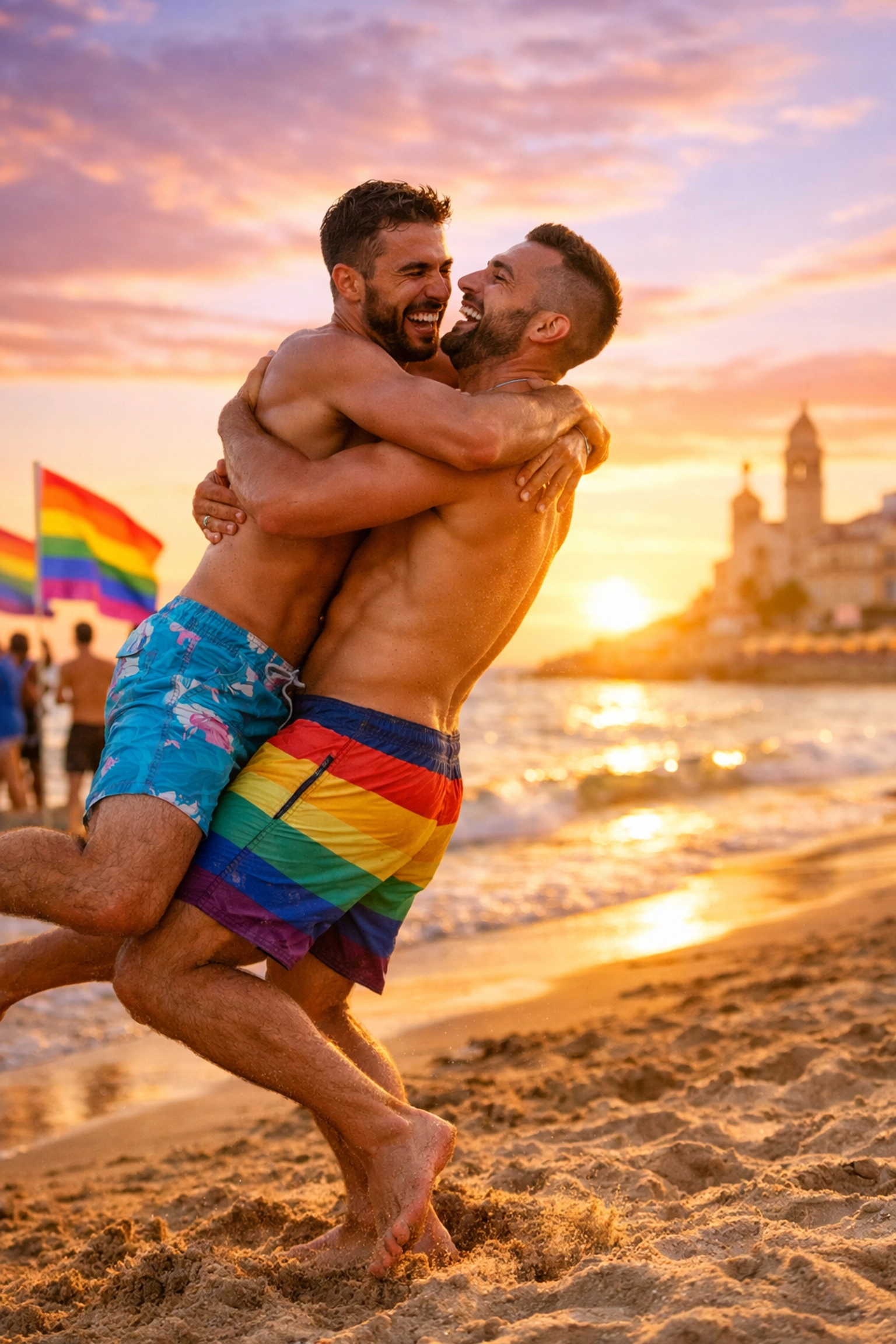
By 2005, when Spain legalized same-sex marriage (becoming only the third country in the world to do so), Sitges had already established itself as the epicenter of Spanish gay culture. The town didn't just accept LGBTQ+ people; it wove queer identity into its very fabric. That artistic, bohemian legacy from a century earlier had evolved into something unprecedented: a place where being gay wasn't just tolerated but was central to the community's identity and economy.
Sitges Today: A Year-Round Rainbow
Walk through modern Sitges and you'll find a town where 35% of residents are foreign-born, creating a genuinely multicultural atmosphere that amplifies its open-minded character. The LGBTQ+ community makes up about 15% of the population, but their cultural and economic impact far exceeds those numbers. They've shaped Sitges into what it is: Europe's premier gay beach destination and a place that welcomes queer visitors 365 days a year.
The annual calendar reads like a greatest hits of LGBTQ+ celebrations. Sitges Pride in June brings parades, concerts, and beach parties that rival anything you'll find in larger cities. Bears Week celebrates body positivity and brotherhood. The International Film Festival showcases queer cinema. And Carnaval? It's an explosion of sequins, feathers, and unapologetic fabulousness that would make those early artistic pioneers proud.
Two entire streets are dedicated to LGBTQ+ venues: bars, clubs, and gathering spaces where you can find your people any night of the week. The scene admittedly skews heavily toward gay men, with fewer spaces specifically for lesbians, but the overall atmosphere radiates welcome and belonging.
More Than a Party Town
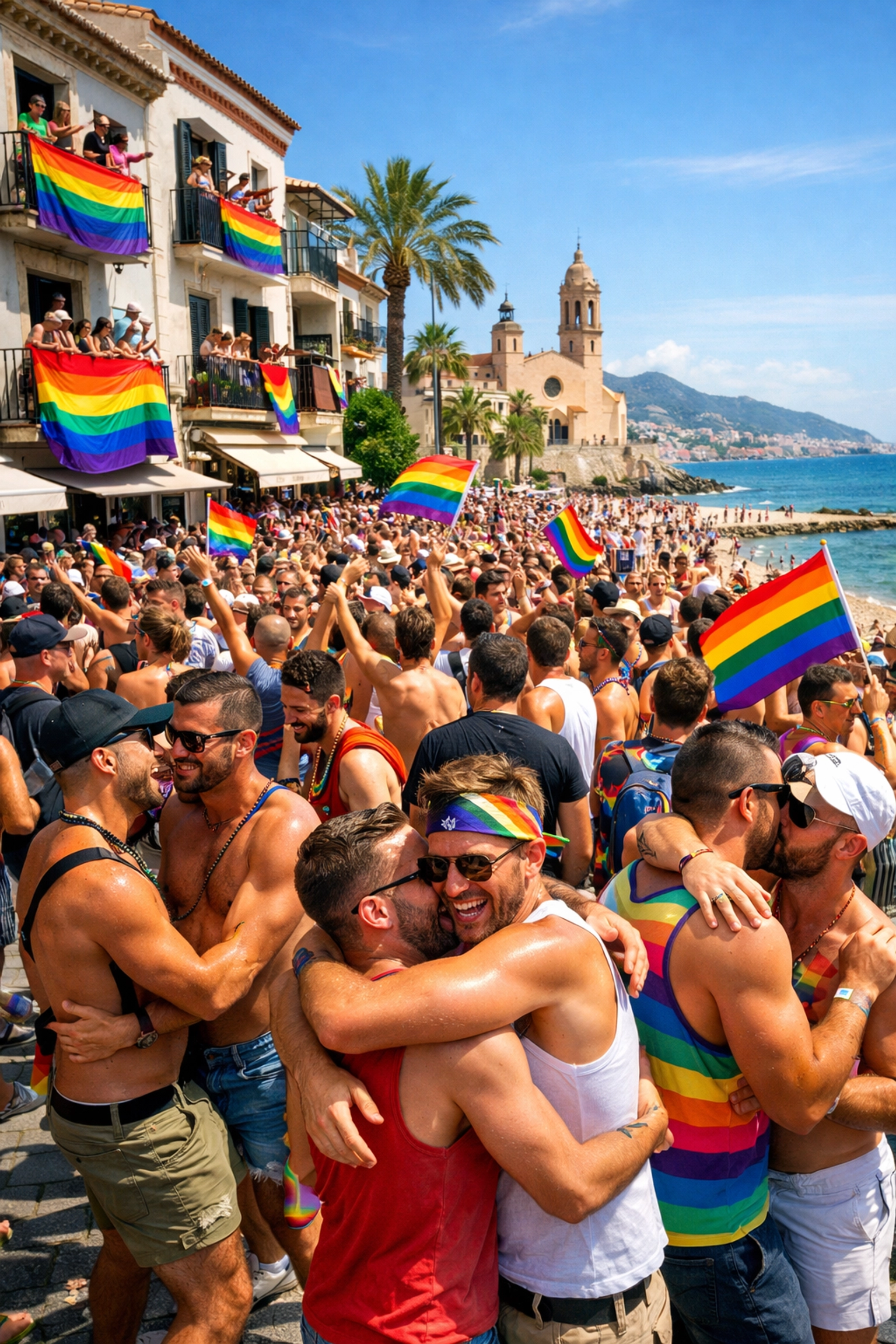
Here's what makes Sitges special: it's not just about the nightlife or the beaches (though both are spectacular). It's about the feeling of existing in a place built partially by and definitely for queer people. It's about walking hand-in-hand with your partner without that constant calculation of safety. It's about seeing your identity reflected in bookstores carrying gay romance books and MM romance novels, in cafes where gay couples are the norm rather than the exception, in art galleries celebrating queer artists.
For readers of LGBTQ+ fiction and gay literature, Sitges offers something profound: the living proof that the happy endings in MM novels and gay love stories aren't just fantasy. They're possible. They're happening every day in this small Spanish town where history and hope intertwine.
The evolution from Santiago Rusiñol's artistic refuge to today's glittering gay paradise spans over a century of struggle, survival, and eventual triumph. Those early artists created a foundation of tolerance. The brave souls who visited during Franco's dictatorship kept hope alive. The activists who fought for decriminalization and marriage equality secured the legal framework. And today's residents and visitors continue writing new chapters in this ongoing gay love story.
Your Own Sitges Story
Whether you're looking for inspiration for your next MM romance read, planning your first LGBTQ+ vacation, or simply dreaming of places where queer joy isn't just accepted but celebrated, Sitges stands as proof of what's possible. From persecution to pride, from hiding to celebration, this town embodies the resilience and beauty of LGBTQ+ culture.
The next time you pick up one of those heartfelt gay novels or steamy MM romance books from Read with Pride, remember that places like Sitges exist. They're not just settings in contemporary gay fiction: they're real destinations where the romantic possibilities in those pages come alive under Mediterranean sunshine.
Discover more LGBTQ+ stories and content at readwithpride.com
Follow us on Facebook, Instagram, and X/Twitter for daily queer inspiration and book recommendations.
#SitgesGayPride #LGBTQTravel #GaySpain #MMRomance #GayRomanceBooks #QueerFiction #LGBTQHistory #GayLiterature #ReadWithPride #GayTourism #SitgesPride #MMRomanceBooks #GayBooks #LGBTQEbooks #QueerTravel #GayBeachDestination #SpanishLGBTQHistory #GayEurope #PrideDestinations #GayLoveStories

Leave a Reply
You must be logged in to post a comment.