

readwithpride.com
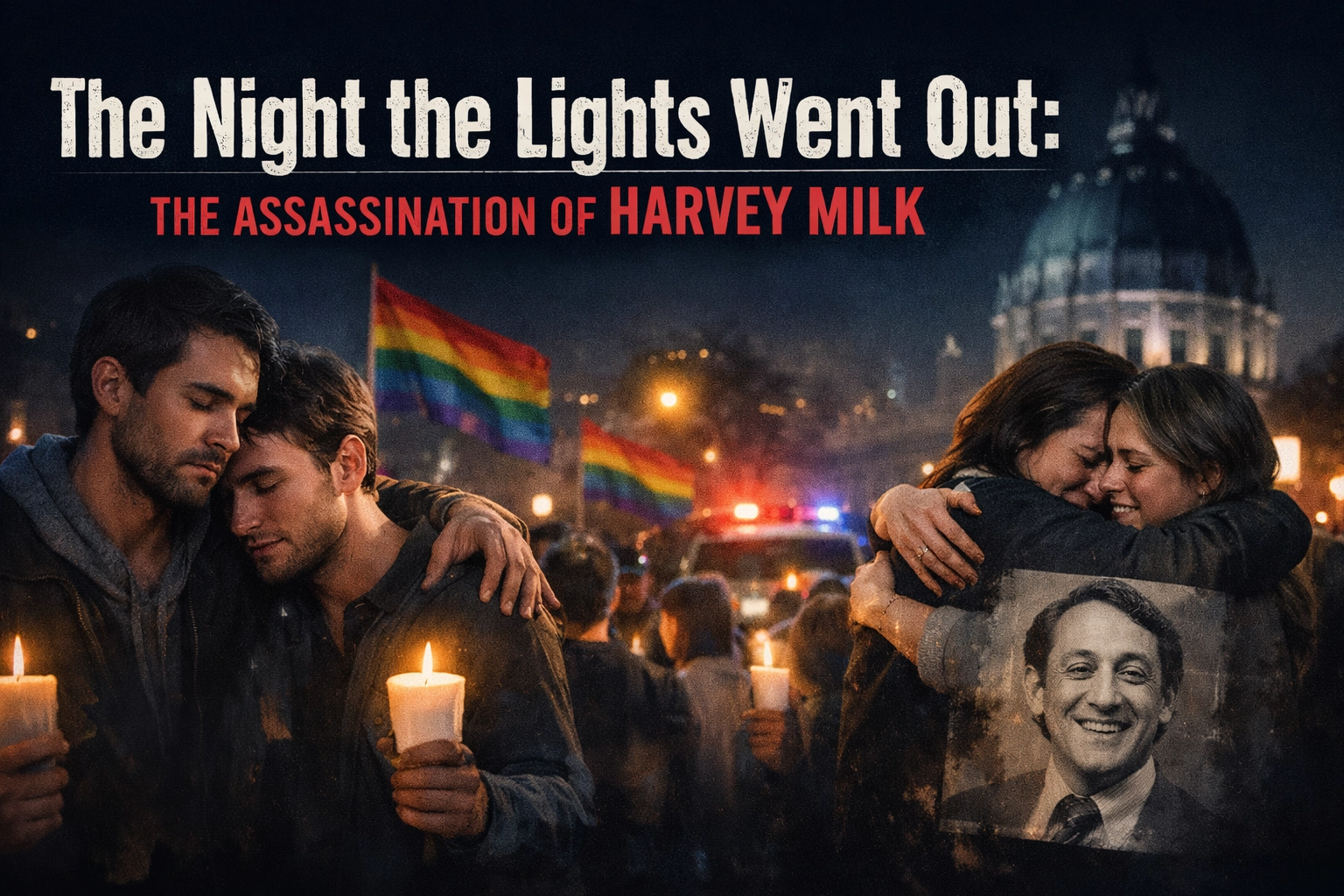
There are moments in history when everything changes. When a single act of violence sends shockwaves through a community so powerful that the reverberations are still felt decades later. November 27, 1978, was one of those days: the day San Francisco lost not just a politician, but a symbol of hope, courage, and the possibility that things could actually get better for LGBTQ+ people.
Harvey Milk's assassination wasn't just the murder of California's first openly gay elected official. It was an attempt to silence a movement, to extinguish a light that had been burning brighter with each passing day.
The Man Who Dared
Harvey Milk didn't start his journey as a political activist. He was a former Wall Street banker, a camera shop owner on Castro Street, and someone who understood that visibility mattered. In the 1970s, coming out wasn't just brave: it was revolutionary. And Milk didn't just come out; he ran for office. Multiple times. He lost. And he kept running.
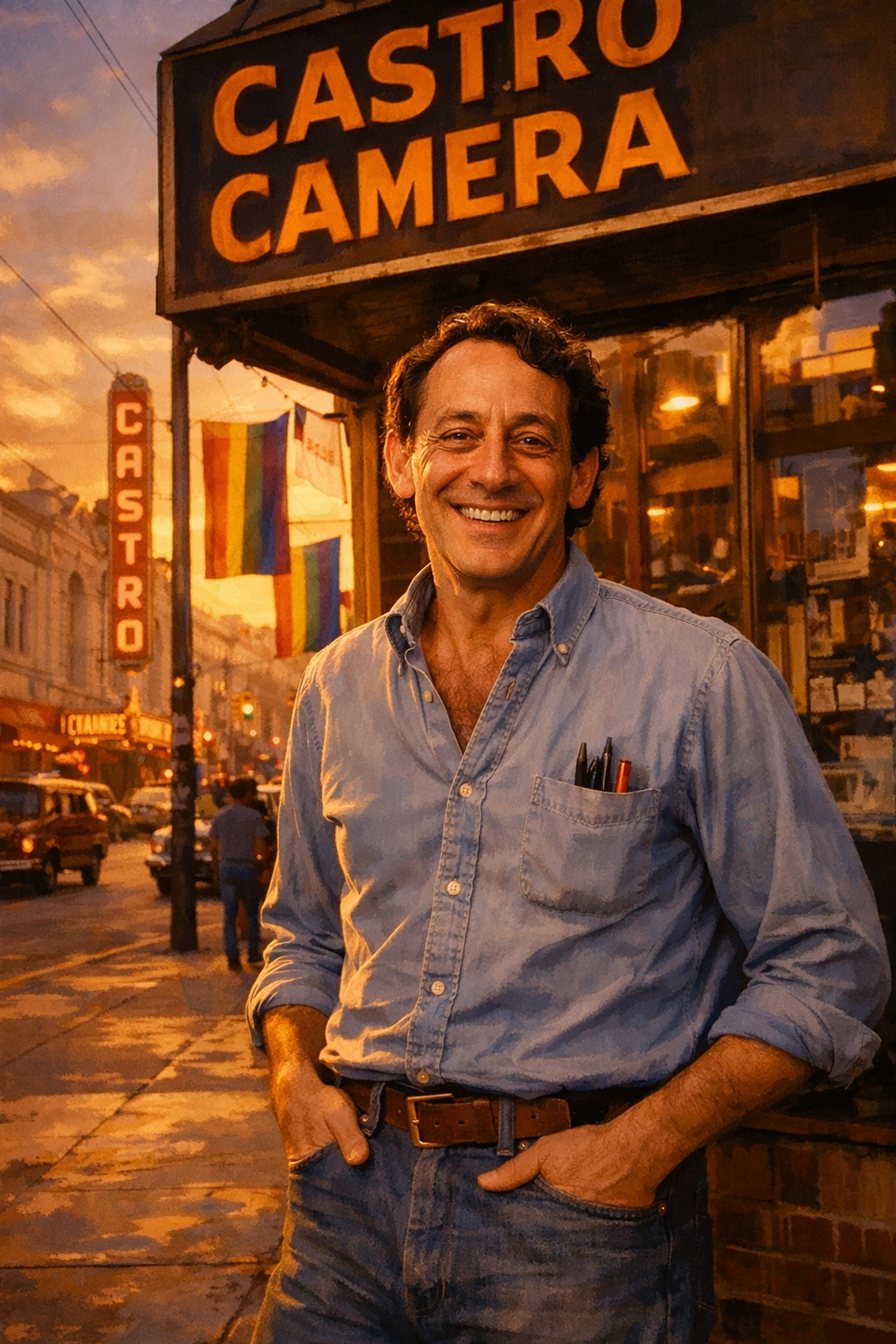
When he finally won a seat on the San Francisco Board of Supervisors in 1977, it wasn't just his victory. It was ours. He proved that an openly gay man could be elected to public office in America, that voters could see past prejudice and choose the best person for the job. He gave hope to countless LGBTQ+ people who'd been told their whole lives that they should hide, that they were less than, that they would never belong.
Milk used his platform fearlessly. He fought for gay rights ordinances, opposed discriminatory legislation, and famously urged LGBTQ+ people everywhere to come out. "Every gay person must come out," he said. "As difficult as it is, you must tell your immediate family. You must tell your relatives. You must tell your friends if indeed they are your friends."
A City Hall Betrayal
November 27, 1978, started like any other Monday morning at San Francisco City Hall. Mayor George Moscone was preparing to announce the replacement for Supervisor Dan White, who had resigned from his position just weeks earlier.
Dan White was a former police officer and firefighter: a conservative voice on the increasingly progressive board. He'd clashed repeatedly with Milk over LGBTQ+ rights and other issues. When he resigned, citing financial difficulties, he later changed his mind and asked to be reappointed. Mayor Moscone, influenced partly by Milk's counsel, decided against it.
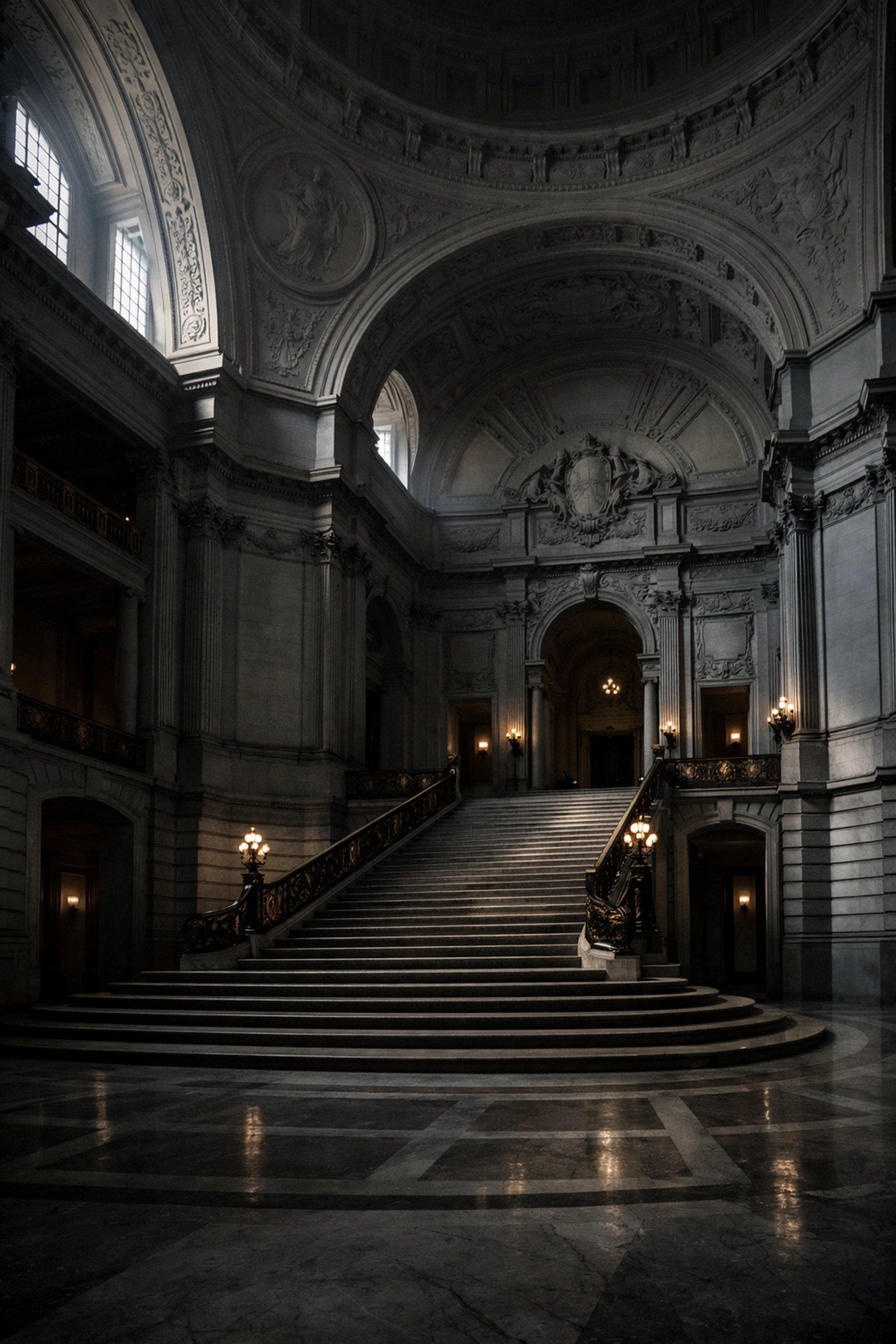
That morning, White learned he wouldn't be getting his job back. Enraged and feeling betrayed, he entered City Hall through a basement window: deliberately avoiding the metal detectors at the main entrance. He was carrying a .38 caliber revolver and extra ammunition.
White went first to Mayor Moscone's office. After a brief conversation, he pulled out his gun and shot the mayor in the shoulder and chest. As Moscone fell, White stood over him and fired two more shots into his head at point-blank range. Then he reloaded.
Harvey Milk was in his office down the hall, likely unaware of what had just happened. White found him there and asked him to step inside for a moment. Once the door closed, White opened fire. Milk raised his right wrist in a desperate attempt to protect himself: the first bullet tore through it. Four more shots followed, hitting his chest and head. Harvey Milk died at age 48, less than a year after taking office.
When the News Broke
Dianne Feinstein, president of the Board of Supervisors, heard the gunshots. She found Milk's body and checked for a pulse, getting blood on her hands and clothes. It was Feinstein who had to stand before the assembled media and announce the unthinkable: "As president of the Board of Supervisors, it's my duty to make this announcement. Both Mayor Moscone and Supervisor Harvey Milk have been shot and killed."
The reporters had been expecting an announcement about Dan White's replacement. Instead, they got news that would stun the city and the nation.
White fled City Hall and surrendered at his former police station about thirty minutes later. He confessed to the shootings but denied premeditation, claiming he felt betrayed. His defense attorney would later argue that White's judgment had been impaired by depression and junk food: the infamous "Twinkie defense": helping him avoid a first-degree murder conviction.
That Night on Castro Street
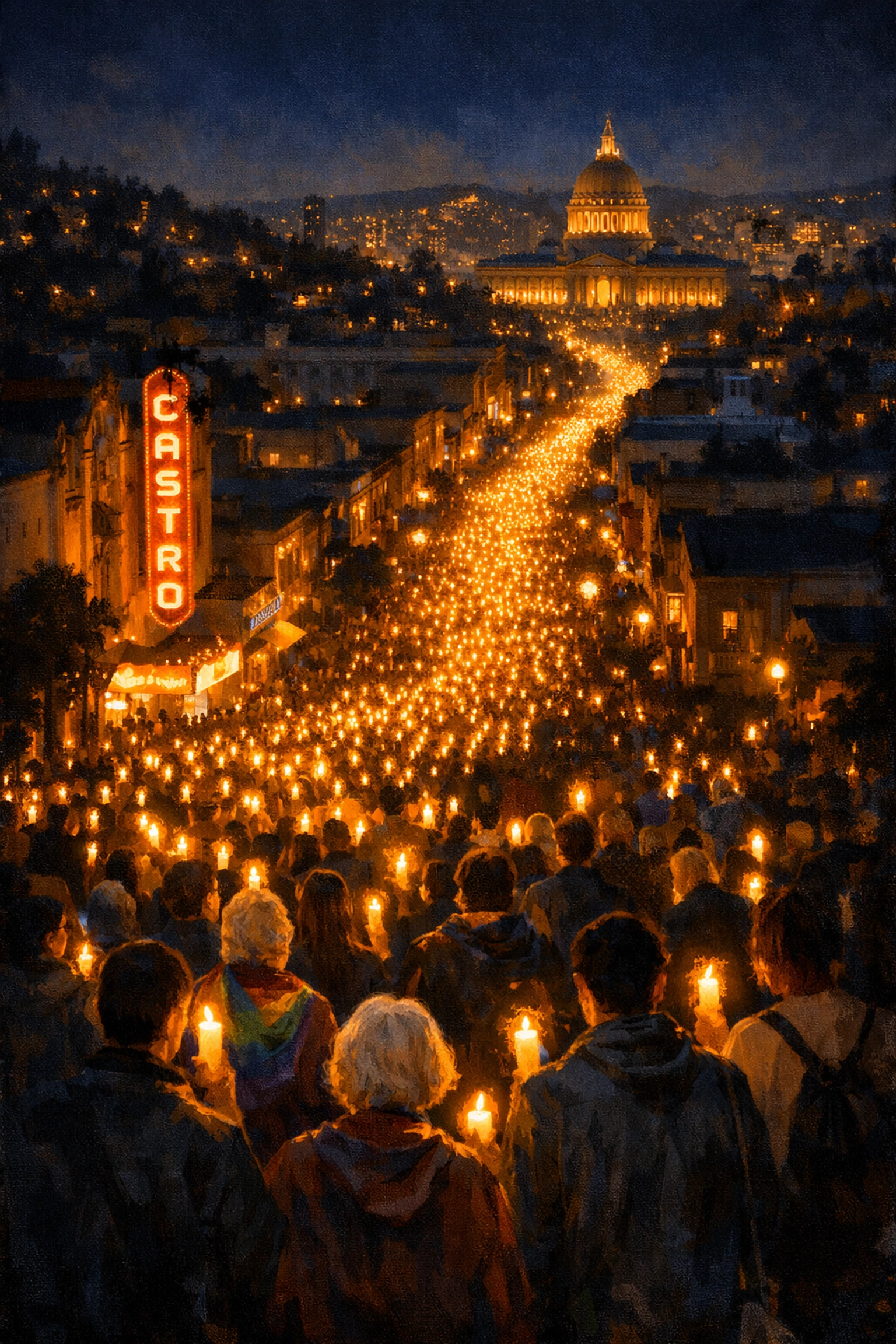
As darkness fell over San Francisco, something extraordinary happened. Without any organized planning, thousands of people began gathering on Castro Street. They brought candles. They stood in silence. And then they walked.
The candlelight march from Castro to City Hall became one of the most powerful expressions of collective grief in American history. Tens of thousands of people walking together, their candles creating a river of light through the city's dark streets. No speeches. No chants. Just silent testimony to what had been lost.
It was beautiful and heartbreaking in equal measure. The LGBTQ+ community had lost its most visible champion, and the city had lost a leader who represented San Francisco's promise of acceptance and progress.
The Aftermath That Shook Us
When Dan White was convicted of voluntary manslaughter instead of murder: serving just five years before his parole: the community's grief turned to rage. The White Night Riots erupted on May 21, 1979, as thousands of angry protesters descended on City Hall, setting police cars ablaze and clashing with officers. The violence that night reflected the community's fury at a justice system that seemed to value a gay man's life less than others.
Harvey Milk had predicted his own death. He'd recorded several versions of a political will, knowing that speaking out made him a target. "If a bullet should enter my brain," one recording stated, "let that bullet destroy every closet door."
A Legacy That Won't Dim
Harvey Milk's assassination became a turning point in LGBTQ+ history. His death showed the world the very real dangers that queer people faced for simply existing openly. But it also galvanized a movement. People who might have stayed silent found their voices. Activists who might have given up found renewed determination.
Today, Harvey Milk's legacy lives on in countless ways. In the Harvey Milk High School in New York City. In the annual Harvey Milk Day celebrated in California. In the Navy ship named in his honor: the first to be named for an openly gay person. In every LGBTQ+ person who runs for office, who comes out at work, who refuses to hide.
His story reminds us that progress isn't linear and that visibility comes with risks. But it also reminds us that those risks are worth taking, that representation matters, and that one person really can make a difference.
Why This Story Matters Now
Reading about these darkest moments in LGBTQ+ history isn't just about looking back: it's about understanding how we got here. At Read with Pride, we believe that knowing our history, even the painful parts, makes us stronger. It reminds us that the rights we have today were fought for, bled for, and died for by people like Harvey Milk.
When you pick up MM romance books or gay fiction that celebrates queer love and life, you're participating in a legacy that Harvey Milk helped build. Every story where LGBTQ+ characters live openly, love freely, and find happy endings is a small victory that he made possible.
The lights went out on November 27, 1978, but they didn't stay out. Milk's message of hope, visibility, and courage continues to illuminate the path forward. As he once said, "You gotta give them hope."
And we do. Every day. Through our stories, our visibility, and our refusal to go back into the darkness.
Follow Read with Pride:
- Facebook: facebook.com/profile.php?id=61586883027069
- Instagram: @read.withpride
- X/Twitter: @Read_With_Pride
- Website: readwithpride.com
#HarveyMilk #LGBTQHistory #GayHistory #ReadWithPride #MMRomance #QueerFiction #GayBooks #LGBTQBooks #NeverForget #Pride #GayRights #LGBTQRights #QueerHistory #SanFrancisco #CastroStreet #Representation #Visibility #GayLiterature #MMRomanceBooks #GayRomanceBooks #LGBTQ2026

Leave a Reply
You must be logged in to post a comment.