

readwithpride.com
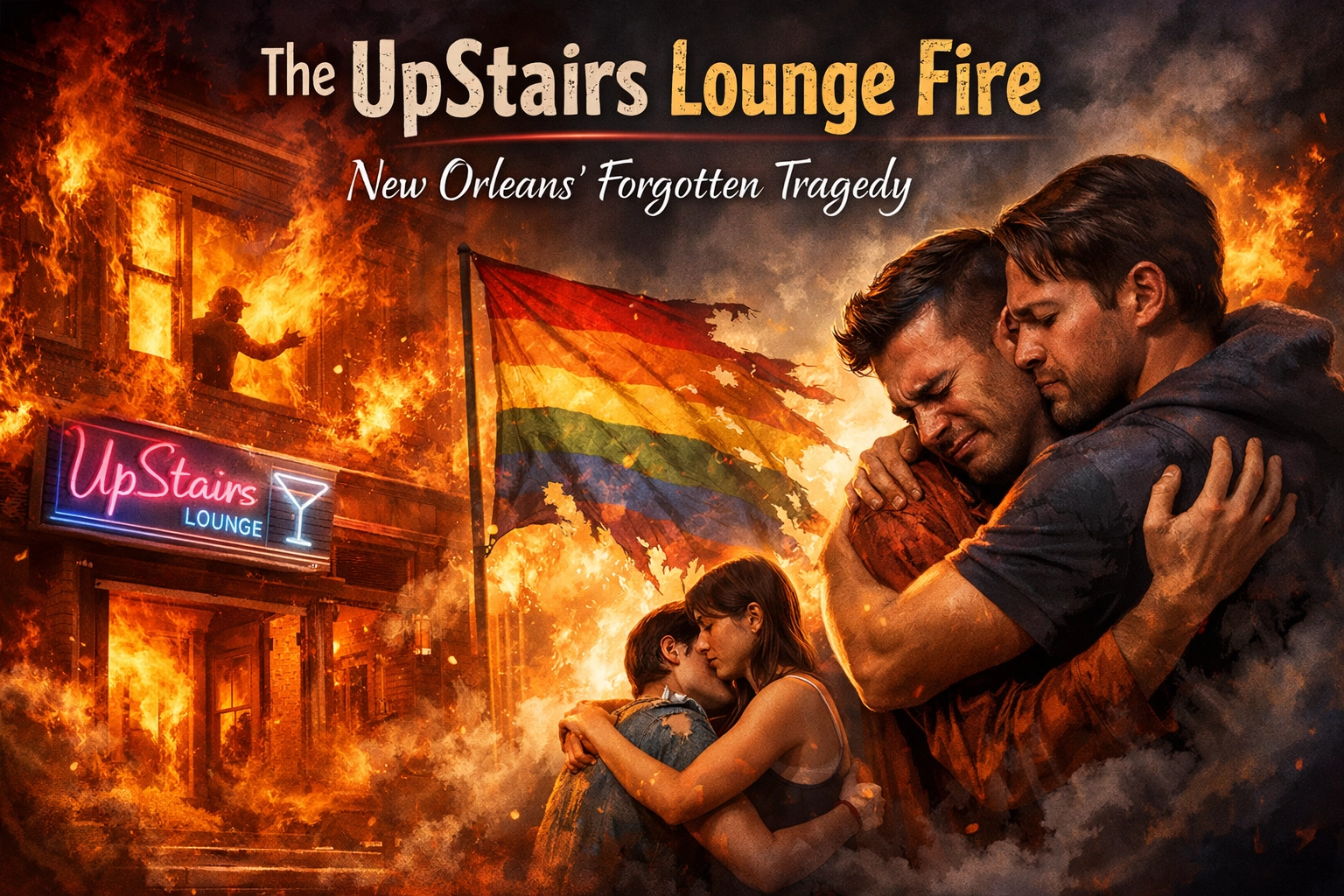
Some tragedies are too painful to remember. Others are deliberately forgotten. The UpStairs Lounge fire falls into both categories: a horror that should have shaken the nation but was instead buried under layers of homophobia, shame, and silence.
On June 24, 1973, thirty-two people burned to death in a gay bar in New Orleans. For decades, their story was erased from history. Let's finally tell it.
A Sunday Night in the French Quarter
It was just after 7:30 p.m. when the fun really got going at the UpStairs Lounge. Located on the second floor of a building at 604 Iberville Street in New Orleans' French Quarter, this cozy gay bar was hosting a "beer bust": a popular Sunday evening drink special where patrons could enjoy all the beer they wanted for a small cover charge.
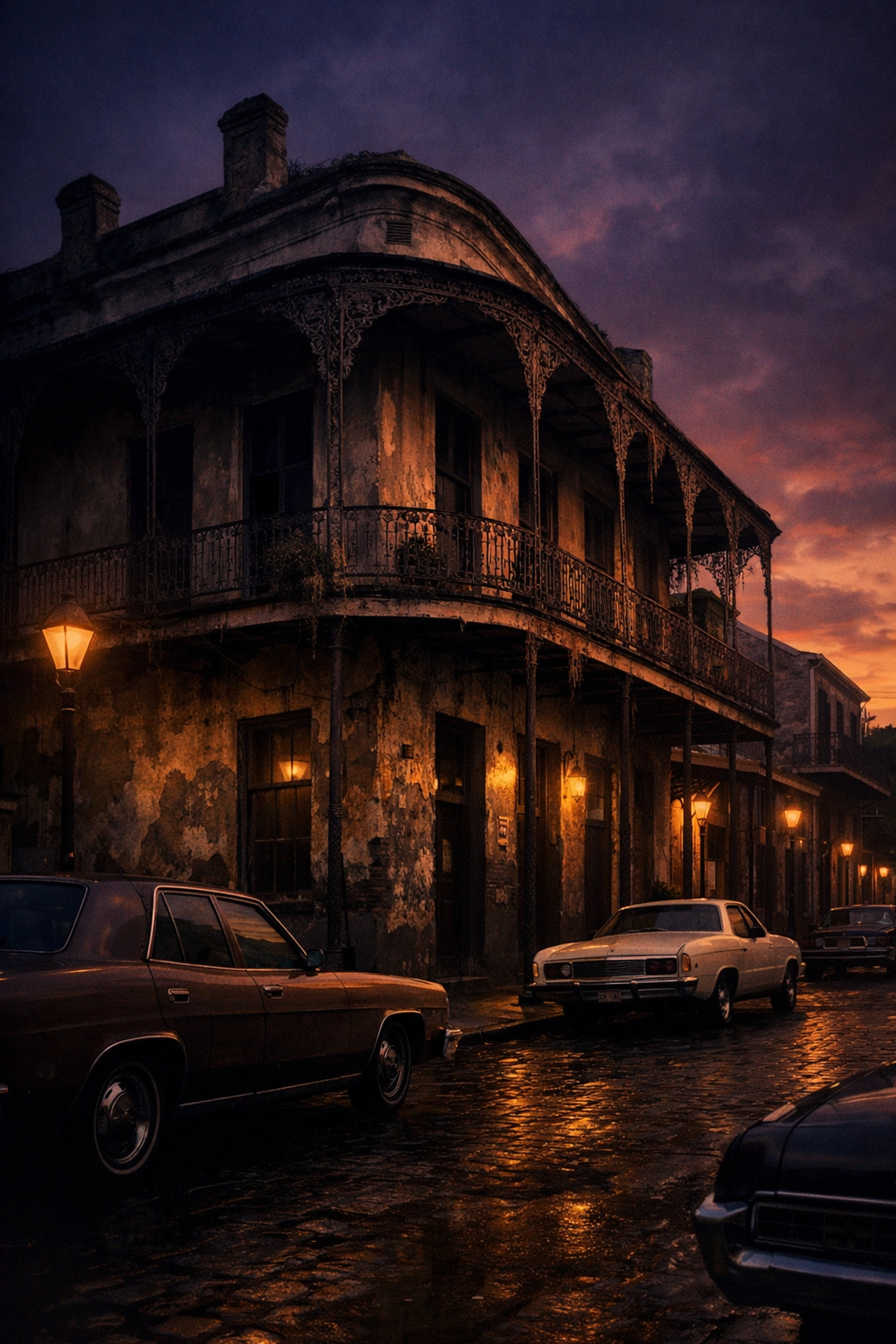
Between 60 and 90 people packed the space that evening. Many were members of the Metropolitan Community Church, a congregation specifically created to welcome LGBTQ+ individuals who'd been rejected by traditional churches. They'd just wrapped up their weekly service and were celebrating together, laughing, drinking, and enjoying a rare space where they could simply be themselves.
At 7:56 p.m., someone buzzed from downstairs. A patron opened the stairwell door expecting to see a taxi driver. Instead, they found the wooden staircase engulfed in flames, reeking of lighter fluid.
The fire tore through the building with terrifying speed.
Sixteen Minutes of Hell
What happened next can only be described as a nightmare. The arsonist had deliberately doused the only stairway exit with lighter fluid, creating an explosive fireball that raced up into the bar within seconds. Thick black smoke filled the second-floor space almost immediately, cutting visibility to zero and making it nearly impossible to breathe.
Bartender Buddy Rasmussen managed to lead about twenty people through a back exit onto the roof. But when the door slammed shut behind them, it automatically locked: trapping everyone still inside the burning bar.
Those who couldn't reach the roof exit tried desperately to escape through the windows. But this wasn't going to be easy. The windows were covered with decorative iron bars that had only 14-inch gaps between them. Some people became wedged in those narrow spaces, stuck halfway through as flames consumed them while horrified onlookers watched from the street below, unable to help.
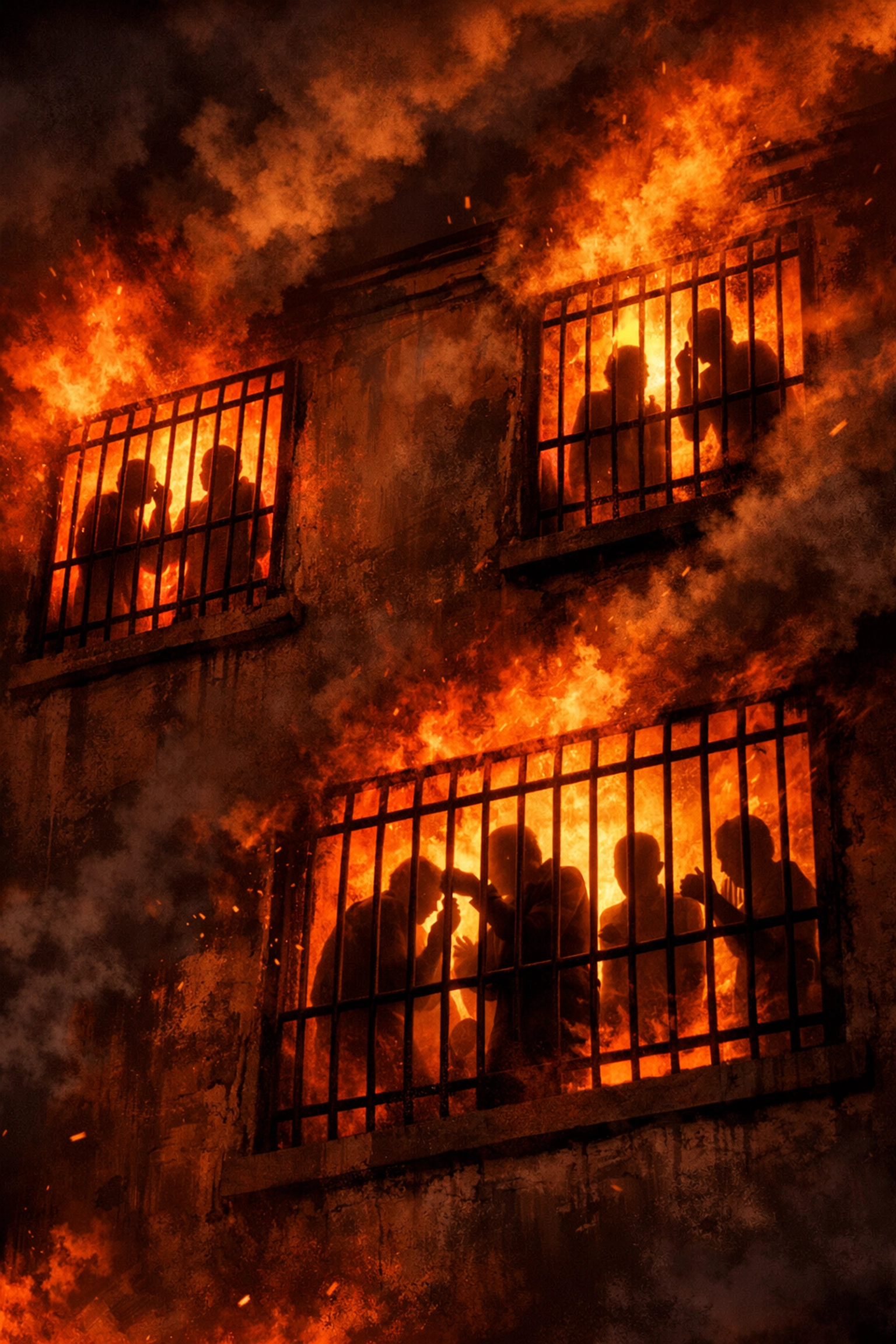
Reverend Bill Larson of the Metropolitan Community Church died this way: trapped in a window, visible to the crowd gathering outside. Luther Boggs, who'd first spotted the fire and tried to warn others, jumped from the building while his clothes were still aflame. He survived the fall but died sixteen agonizing days later from burns covering half his body.
By 8:12 p.m.: just sixteen minutes after the fire started: firefighters had extinguished the blaze. Thirty-two people were dead. Fifteen others were injured. It was the deadliest fire in New Orleans history.
The Suspect Who Was Never Charged
Within a week, investigators were certain this was arson. The evidence was overwhelming: the lighter fluid on the stairs, the deliberate ignition, the explosive nature of the fire's spread.
The primary suspect was Roger Dale Nunez, a regular patron who'd been physically thrown out of the bar earlier that same day after getting into a fight with another customer. Multiple witnesses later reported that Nunez had threatened to "burn the place down" after his ejection.
Nunez had a documented history of psychiatric illness and violent behavior. Everything pointed to him as the arsonist. Yet he was never arrested, never charged, never brought to trial. In November 1974: just seventeen months after the fire: Nunez died by suicide.
To this day, the official cause of the UpStairs Lounge fire remains listed as "undetermined origin," despite the mountain of evidence suggesting otherwise.
The Erasure That Followed
Here's where the tragedy becomes something even darker: the aftermath.
You'd think that the deadliest fire in New Orleans history: an event that killed thirty-two people in a matter of minutes: would be front-page news across the country. You'd be wrong.
Local and national media barely covered the story. When they did, many outlets deliberately omitted that this was a gay bar, or they used dehumanizing language to describe the victims and the scene. The message was clear: these lives didn't matter.
But the media silence was nothing compared to what came next. Families refused to claim the bodies of their loved ones. Churches: institutions supposedly built on compassion and love: declined to hold funerals or memorial services for the dead. One victim remained unidentified and unclaimed for weeks, finally buried in a pauper's grave.
The archbishop of New Orleans refused to allow a Catholic mass for the victims. When one local pastor, Reverend William Richardson, did agree to conduct a small memorial service, he received death threats and his car was vandalized.
This wasn't just a fire. It was a massacre followed by a second death: the deliberate erasure of the victims from history and memory.
Why This Story Matters Now
For those of us who love gay fiction, MM romance books, and LGBTQ+ literature, it's easy to get lost in the beauty of love stories with happy endings. And we should celebrate those stories: at Read with Pride, we're all about finding joy and representation in the pages of gay romance novels and queer fiction.
But we also need to remember the real stories. The dark chapters. The moments when our community faced unimaginable horror and received nothing but silence in return.
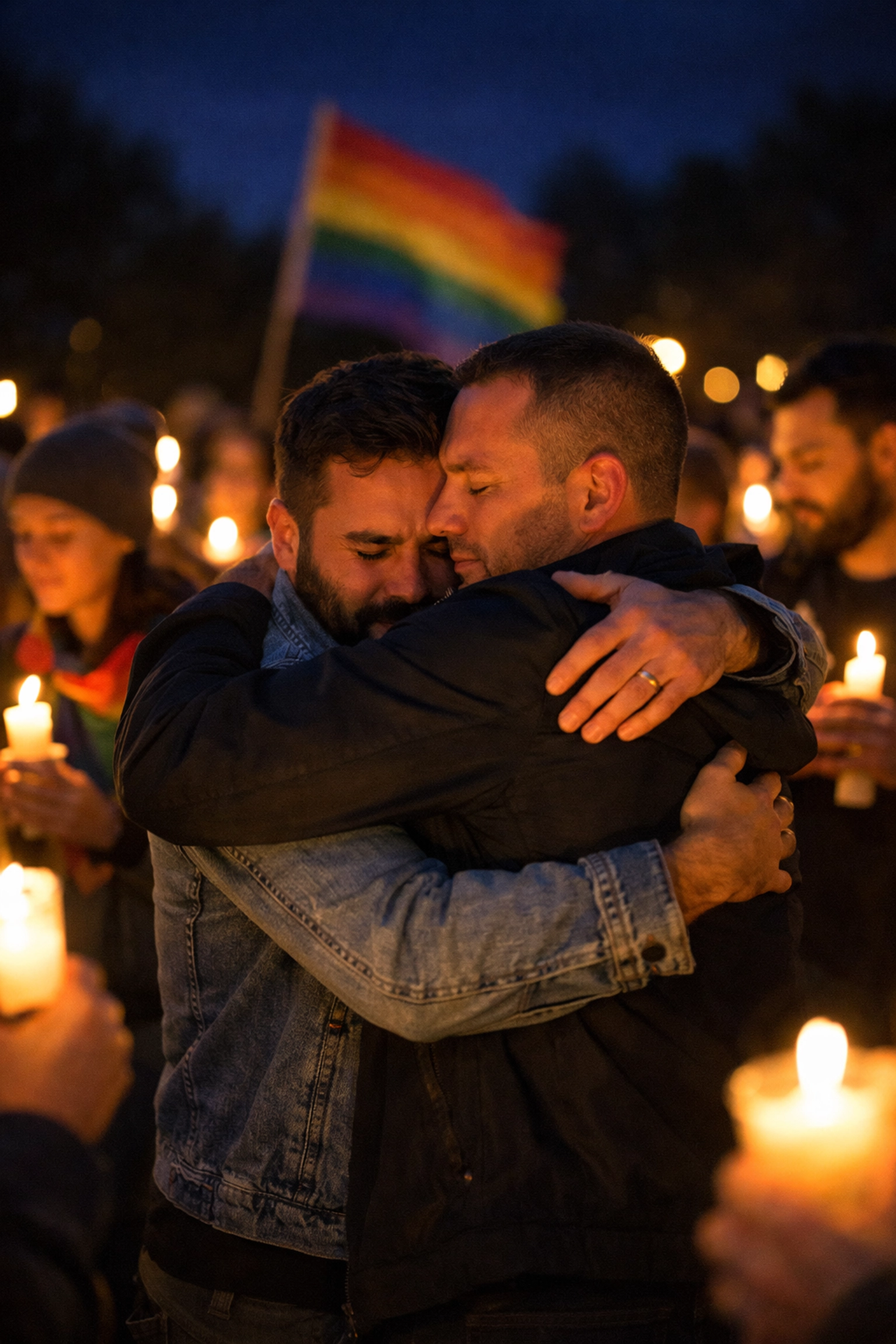
The UpStairs Lounge fire remained largely forgotten until the 2016 Pulse nightclub shooting in Orlando, which killed 49 people and became the deadliest attack on an LGBTQ+ venue in American history. Suddenly, people began drawing connections, researching, remembering. Documentaries were made. Books were written. Memorials were finally erected.
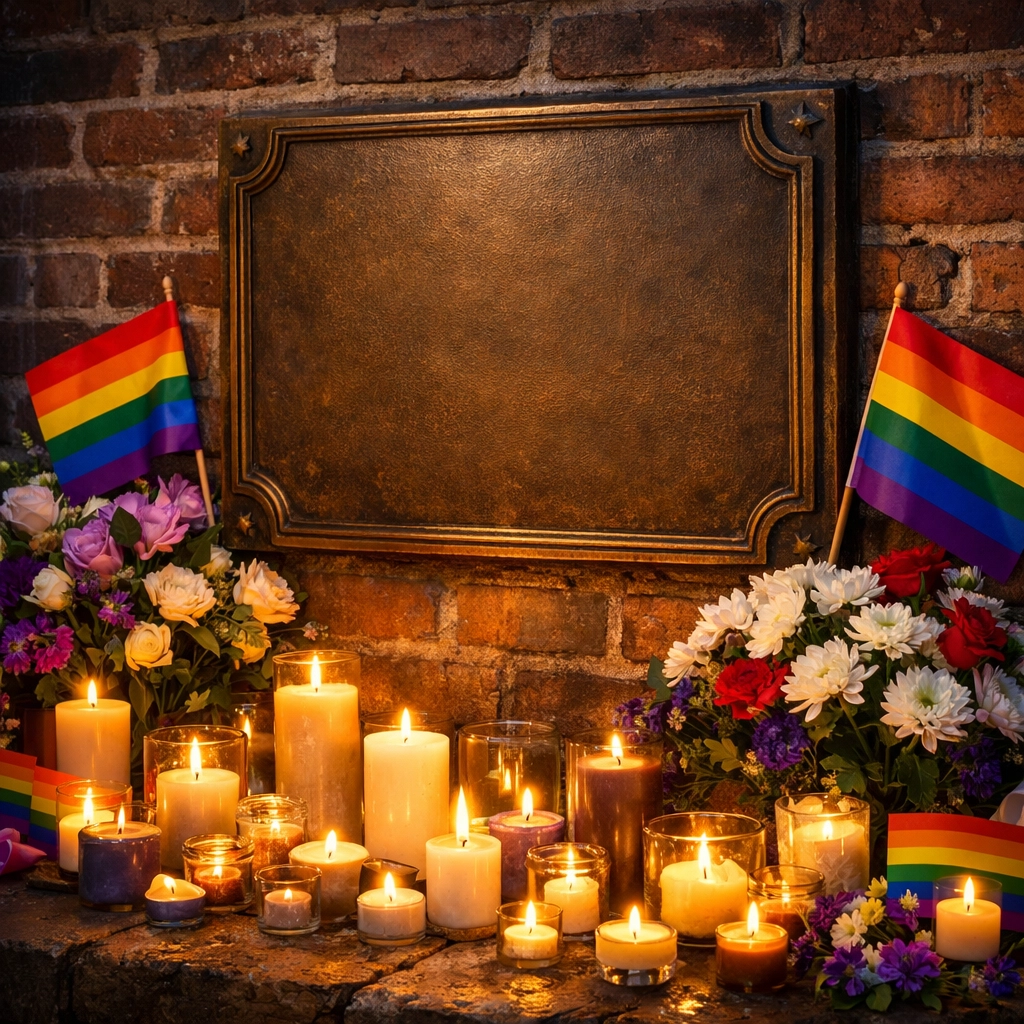
In 2013: forty years after the fire: the city of New Orleans dedicated a plaque at the site. In 2018, the Louisiana State Museum opened a permanent exhibit about the tragedy. The victims are finally being remembered, their names spoken aloud, their lives honored.
But it took decades. Decades of silence, shame, and deliberate forgetting before anyone cared enough to say their names.
Remembering Through Stories
This is why representation matters. This is why we need gay books, LGBTQ+ ebooks, and authentic queer fiction that doesn't shy away from our real history: the beautiful parts and the brutal parts.
When you pick up an MM romance or dive into gay historical fiction, you're not just reading a love story. You're participating in an act of resistance, of memory, of visibility. You're saying that queer lives and queer love deserve to be told, remembered, and celebrated.
The thirty-two people who died in the UpStairs Lounge weren't just victims of a fire. They were sons, brothers, friends, lovers, and community members who dared to gather in a space where they could be themselves. They deserve to be remembered.
Follow us for more LGBTQ+ history, book recommendations, and community stories:
📘 Read with Pride
📖 Facebook
🐦 Twitter/X
📷 Instagram
#UpStairsLoungeFire #LGBTQHistory #GayHistory #ReadWithPride #QueerHistory #NeverForget #LGBTQBooks #GayFiction #MMRomance #QueerLiterature #GayRomanceBooks #LGBTQCommunity #PrideHistory #GayLiterature #QueerStories #HistoricalTragedy #NewOrleansHistory #1973 #RememberTheirNames #LGBTQRights

Leave a Reply
You must be logged in to post a comment.