

readwithpride.com
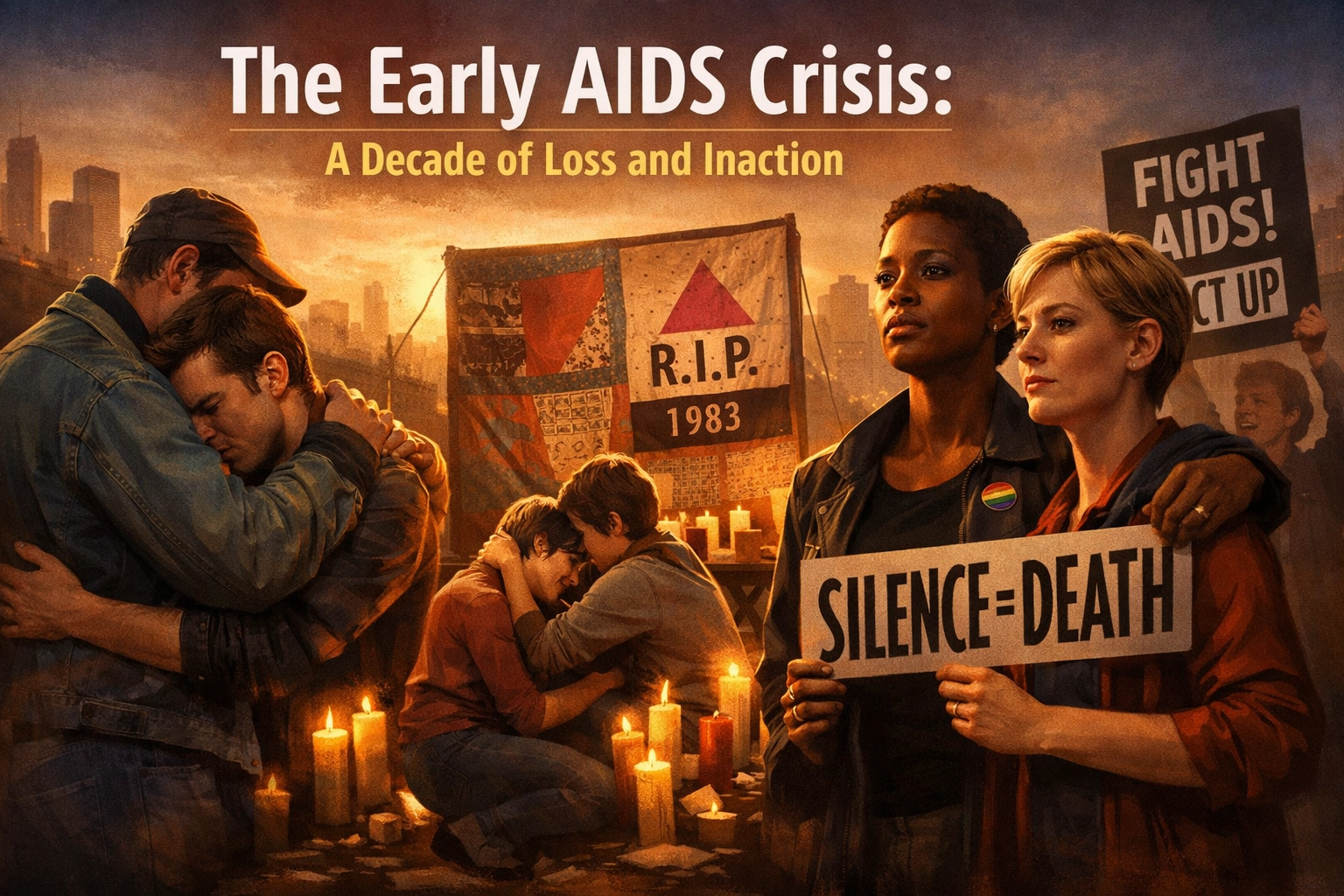
There are moments in LGBTQ+ history that changed everything. The early AIDS crisis of the 1980s wasn't just a moment: it was a decade of devastating loss, government silence, and a community forced to save itself while the world looked away.
When the Dying Began
June 1981. The CDC received an alert about five previously healthy young gay men in Los Angeles presenting with a rare form of pneumonia and Kaposi's sarcoma, a cancer almost never seen in young people. Within weeks, similar cases appeared in New York and San Francisco. Doctors were baffled. Gay men were terrified.
But here's the thing that still stings: by the time that first official alert went out, HIV had already infected between 100,000 to 300,000 people globally. The virus had been spreading silently since the late 1970s, maybe earlier. We were already years behind.
By summer 1981, the CDC formed a Task Force on Kaposi's Sarcoma and Opportunistic Infections. A year later, the disease had spread to at least 15 countries. And still, most people had never heard of it.
The Plague with a Name
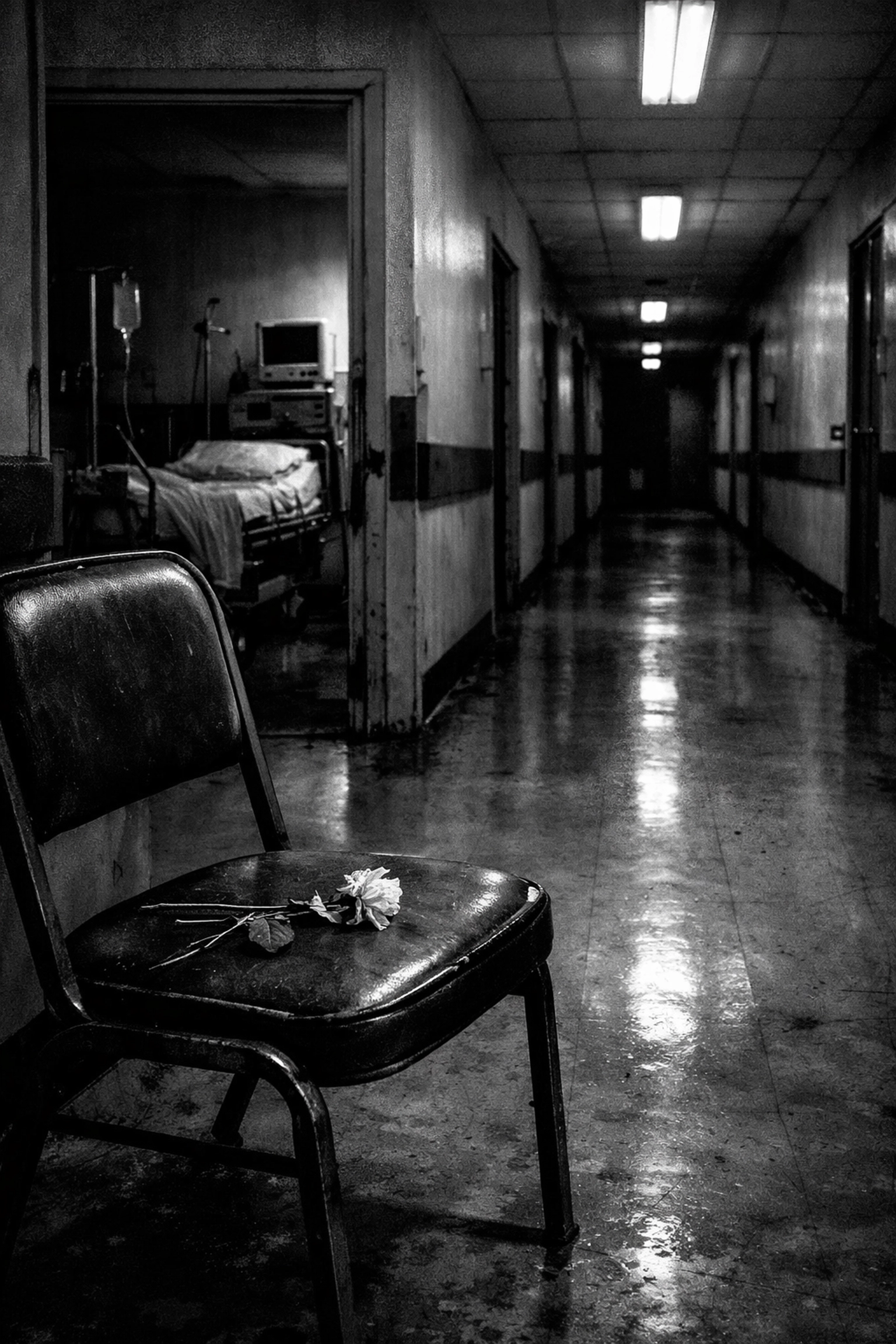
They called it GRID at first: Gay-Related Immune Deficiency. Can you imagine? The medical establishment looked at a deadly virus and named it after who they thought deserved it. "Gay plague." "Gay syndrome." "Gay cancer." The language wasn't just cruel; it was lethal.
This mischaracterization delayed everything. When you label something a "gay disease," the world shrugs. Politicians ignore it. Funding dries up. Research crawls. And people: our people: kept dying.
It took until March 1983 for the CDC to publicly announce that injection drug use was a major transmission route. The WHO didn't conduct its first global assessment recognizing blood transfusions, heterosexual contact, and mother-to-child transmission until 1983. Two full years of dying before the medical community would admit this wasn't just about gay men.
The Numbers That Haunt Us
In 1982, New York City alone saw 775 cumulative AIDS diagnoses and 273 deaths. Those aren't just statistics: they're partners, friends, artists, activists, brothers. They're empty chairs at dinner tables and silences where laughter used to be.
The epidemic "mercilessly swept across" the United States and the world throughout the 1980s and early 1990s. By the time anyone in power started paying real attention, more than 70 million people worldwide had contracted HIV. Approximately 35 million died from AIDS.
Read those numbers again. Thirty-five million people.
The Silence That Killed
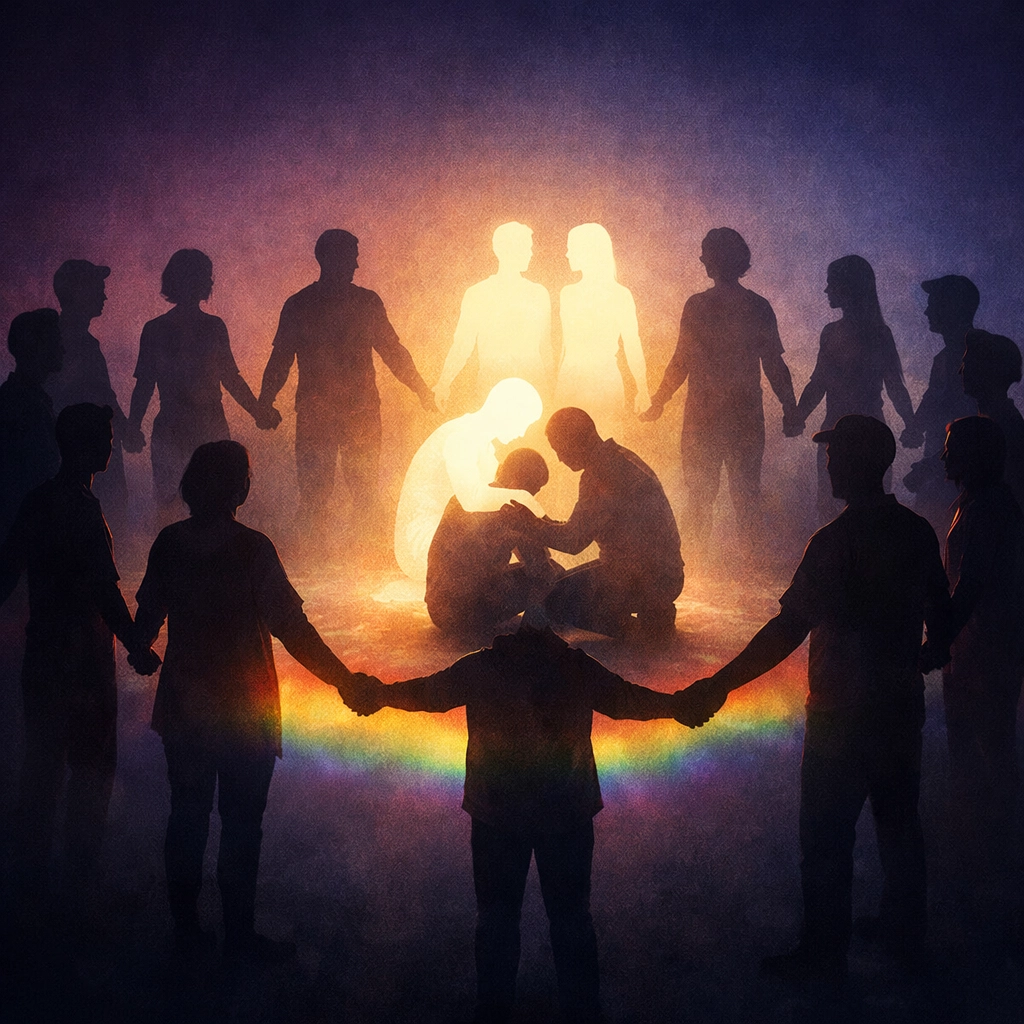
President Reagan didn't publicly mention AIDS until 1985: four years into the crisis. By then, thousands of Americans were already dead. His administration actively blocked funding for research and prevention. The NIH budget for AIDS research was a fraction of what it should have been.
Meanwhile, gay men were being evicted from their apartments, fired from jobs, and refused medical care. Families turned their backs on dying sons. Hospitals left patients to rot in isolation wards. Funeral homes refused to handle bodies.
The religious right called it God's punishment. Hateful preachers celebrated from their pulpits. Pat Buchanan, who would later work in the Reagan White House, wrote that AIDS was "nature's revenge on gay men."
This wasn't just neglect. It was calculated cruelty backed by homophobia at the highest levels of power.
When No One Else Would Help
Here's where the story shifts, though. Because while governments did nothing and society turned away, the LGBTQ+ community built its own lifeline.
January 1982: Six gay men gathered in a New York City apartment and founded Gay Men's Health Crisis (GMHC), the first community-based AIDS service provider. Their hotline received 100 calls the first night: 100 terrified voices seeking help that didn't exist anywhere else.
GMHC volunteers delivered meals to people too sick to cook. They held hands in hospital rooms when families wouldn't visit. They organized buddy systems so no one died alone. They became the medical system, the social services, the family that society refused to be.
In 1983, UCSF opened the country's first AIDS outpatient clinic. San Francisco's LGBTQ+ community mobilized like a wartime resistance movement: creating care networks, fundraising for research, documenting every case when the government wouldn't.
The Gaps That Remain
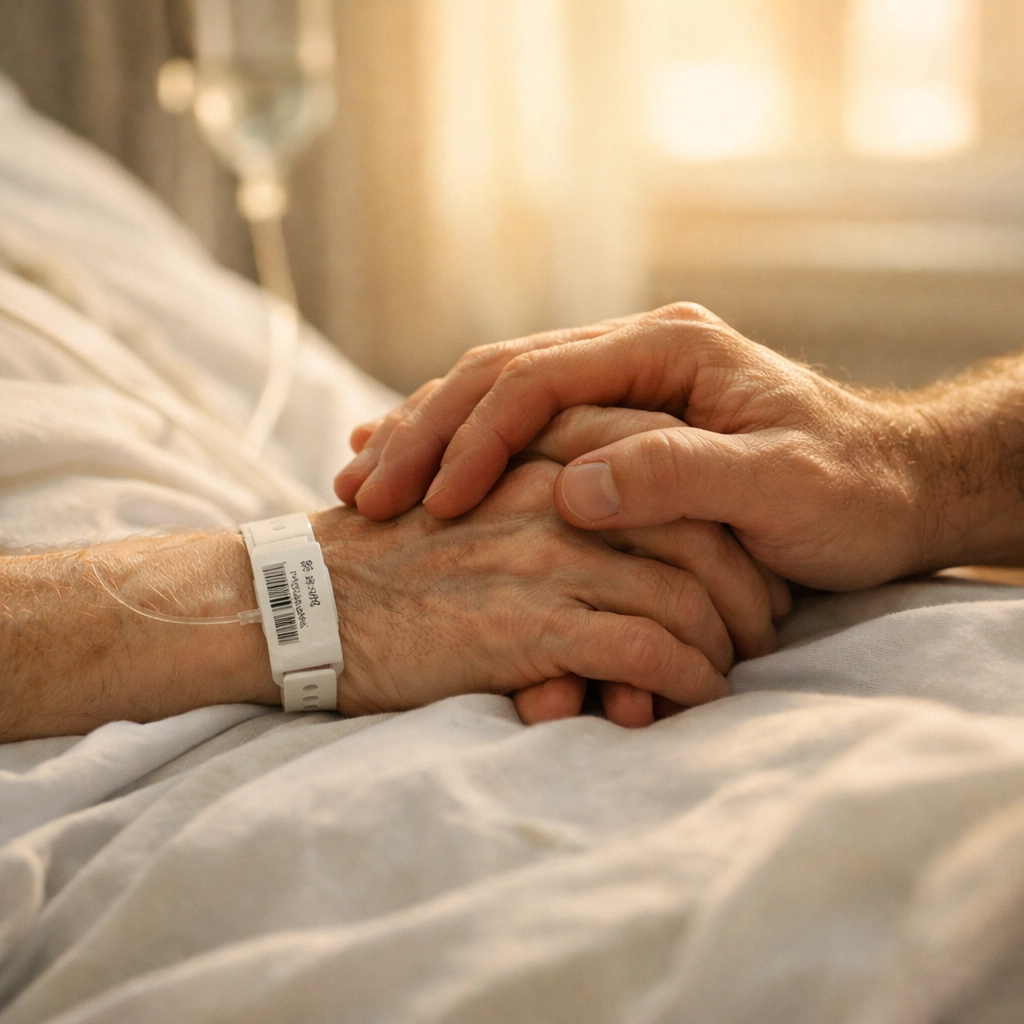
The early characterization of AIDS as a "white gay disease" created devastating health disparities that we're still fighting today. Ethnic minorities received inadequate outreach and limited access to early treatments. By the mid-1980s, the CDC finally recognized that African Americans faced disproportionately high AIDS diagnosis rates: but recognition without action is just another form of abandonment.
Communities of color, transgender people, and low-income populations were hit hardest and helped least. The intersection of racism, transphobia, and homophobia created death traps that activism alone couldn't escape.
Too Little, Too Late
Antibody blood tests weren't introduced until 1985: four years after the first cases. The Surgeon General's first coordinated national education campaign didn't launch until May 1988, nearly seven years after the epidemic's official recognition.
Seven years. Imagine waiting seven years for someone to tell you how to protect yourself from a plague killing everyone you know.
By the time AZT became available in 1987, it cost $10,000 per year: far beyond what most people could afford. By the time protease inhibitors arrived in the mid-1990s, transforming HIV from a death sentence to a manageable condition, we'd already lost an entire generation.
Why This Matters Today
The early AIDS crisis taught the LGBTQ+ community brutal lessons: Don't wait for permission to save ourselves. Don't trust that those in power will protect us. Build our own networks, tell our own stories, and fight like our lives depend on it: because they do.
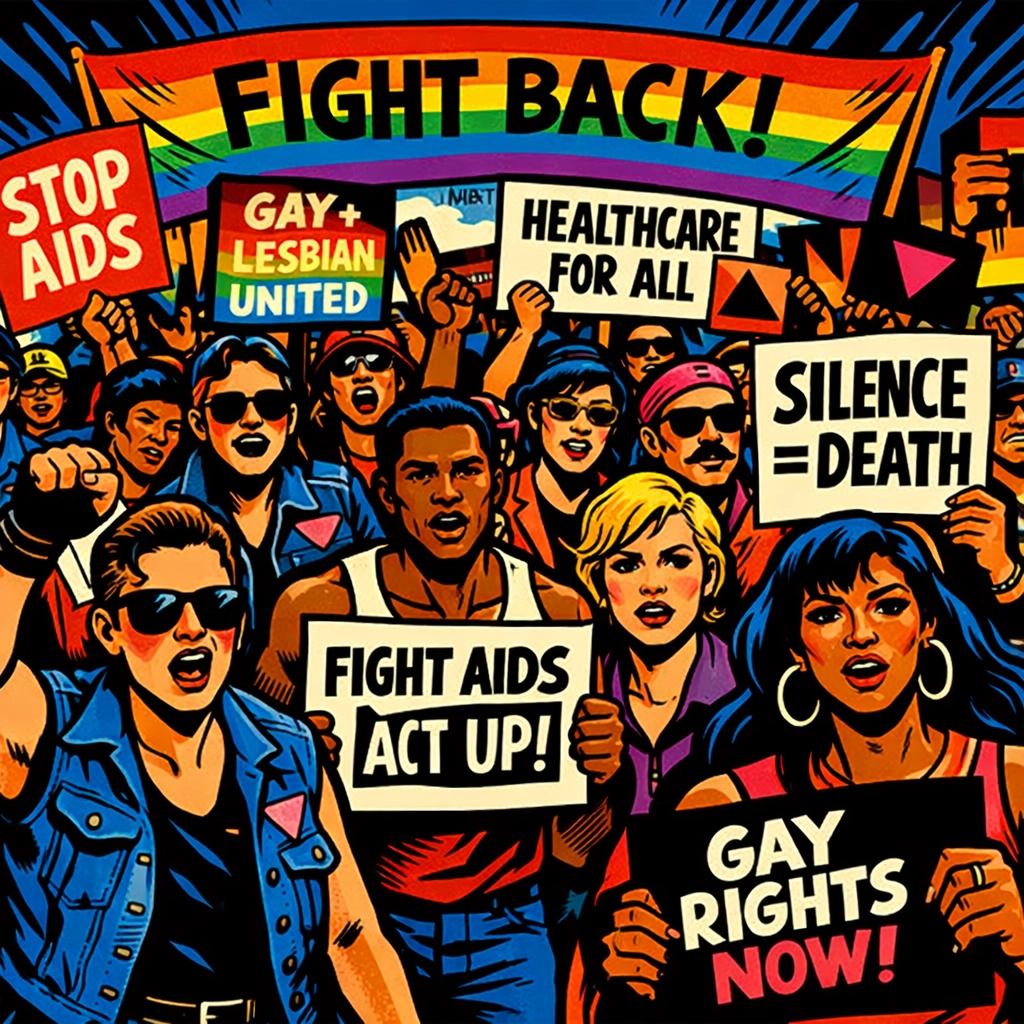
These stories live in the pages of LGBTQ+ fiction and memoirs we read today. They're in the MM romance books that celebrate love surviving impossible odds. They're in the historical novels that refuse to let us forget.
At Read with Pride, we believe that reading LGBTQ+ literature isn't just entertainment: it's remembrance. It's honoring those we lost and celebrating those who fought when fighting seemed impossible.
The early AIDS crisis remains one of the darkest chapters in gay history, a decade when silence equaled death and survival meant becoming warriors whether we wanted to or not. We remember not just the tragedy, but the extraordinary courage, compassion, and community that emerged from unimaginable loss.
Because that's what they taught us: Even in the darkest moments, we show up for each other. Always.
Explore more LGBTQ+ stories and history at readwithpride.com
Follow us for more LGBTQ+ content and community:
📘 Facebook
📷 Instagram
🐦 Twitter/X
#ReadWithPride #LGBTQHistory #AIDSCrisis #QueerHistory #GayHistory #NeverForget #MMRomance #LGBTQBooks #QueerLiterature #GayRomanceBooks #LGBTQFiction #PrideReading #HistoricalLGBTQ #CommunityStrength #LGBTQCommunity #GayLiterature #QueerStories #LGBTQReading #MMBooks #GayBooks2026

Leave a Reply
You must be logged in to post a comment.