

readwithpride.com
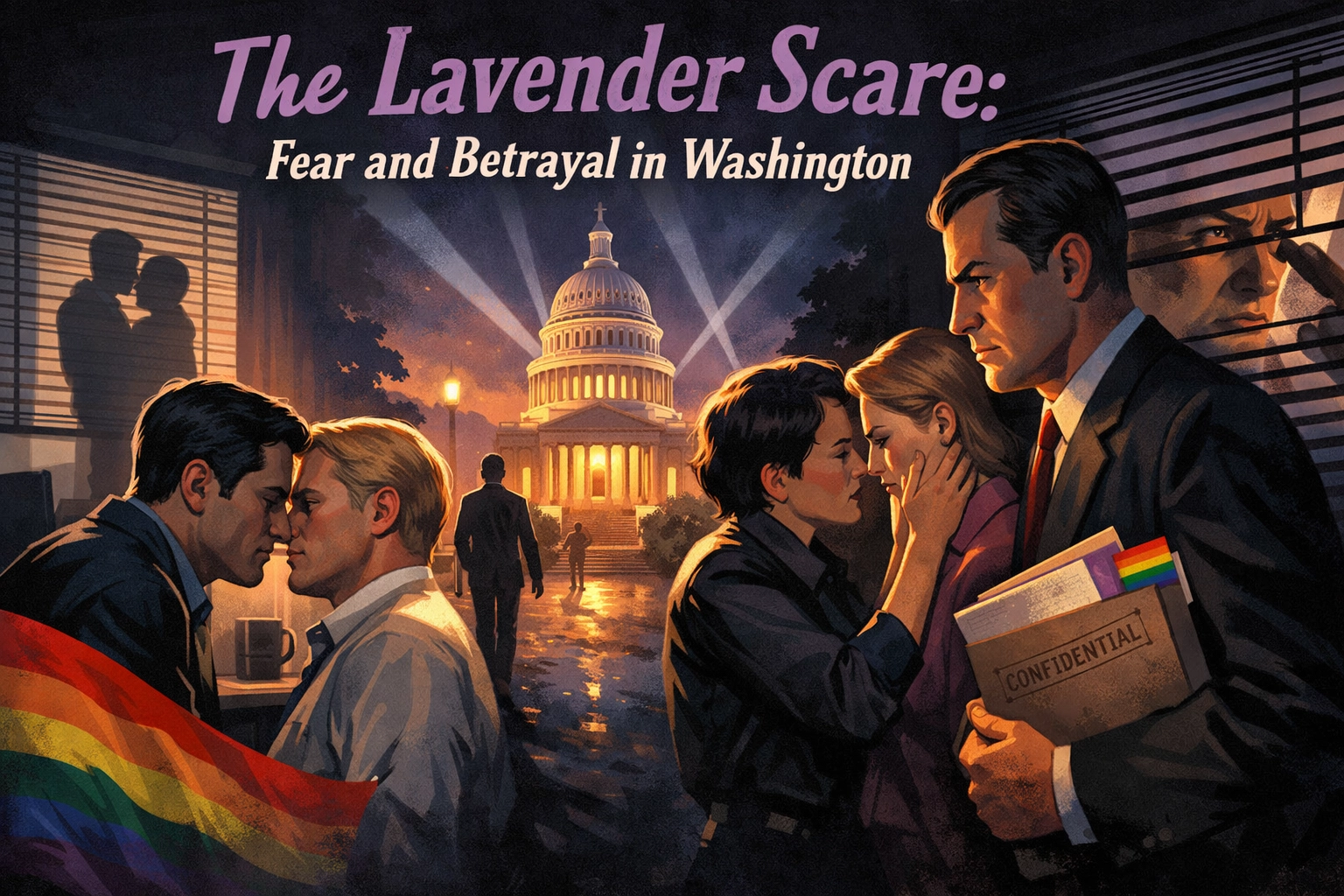
While most people have heard of McCarthyism and the Red Scare, there's a parallel chapter of American history that's been quietly swept under the rug for decades. It's called the Lavender Scare, and it destroyed thousands of lives in the name of "national security." This wasn't just discrimination: it was a systematic, government-sanctioned witch hunt that lasted nearly three decades and left scars that still haven't fully healed.
When Fear Became Policy
Picture this: It's the late 1940s, and America is terrified of communists. But there's another group that officials decided posed an equally dangerous threat to national security: gay and lesbian Americans. The logic? Absolutely none. But that didn't stop the U.S. government from launching one of the most devastating campaigns of persecution against LGBTQ+ people in modern history.
The Lavender Scare ran roughly from 1947 to 1975, though discrimination against queer government employees continued well into the 1990s. During this dark period, being gay wasn't just grounds for social stigma: it was considered a legitimate threat to national security. The government conflated homosexuality with communism, claiming that gay men and lesbians couldn't be trusted with state secrets and were vulnerable to Soviet blackmail.
The Bureaucracy of Bigotry
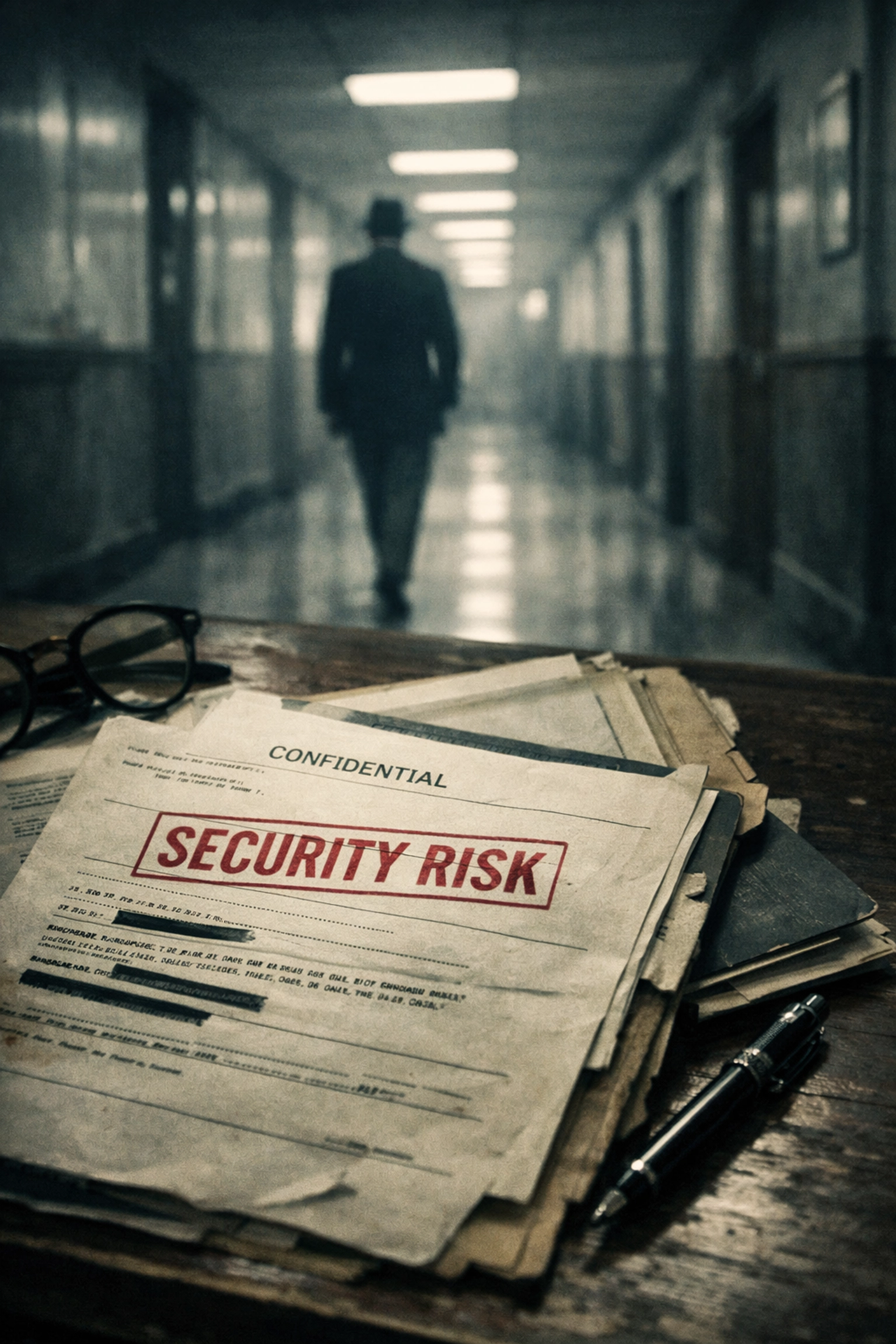
In 1947, President Truman signed an executive order establishing a loyalty program for federal employees that targeted anyone displaying "immoral or disgraceful conduct." Translation: if you were gay, you were out. The State Department began systematically removing both communists and homosexuals from their ranks, treating them as equally dangerous threats to America.
But things got even worse in 1953 when President Eisenhower signed Executive Order 10450. This formalized the discrimination by explicitly barring homosexuals from federal employment. The result? Approximately 5,000 gay people were forcibly removed from federal positions, including State Department employees, military personnel, and even private contractors working with the government.
What's particularly insidious is the language officials used. They rarely said "homosexual" outright. Instead, they hid behind euphemisms like "moral weaklings," "sexual misfits," "moral risks," or "security risks." This coded language allowed them to destroy lives while maintaining plausible deniability about their true targets.
The Human Cost
The statistics are chilling, but they don't capture the full horror of what happened. Beyond losing their jobs, victims of the Lavender Scare were forcibly outed at a time when being gay could cost you everything. They lost their reputations, their careers, their dignity. Many faced severe psychological trauma from the interrogations, humiliation, and sudden unemployment.
And here's the part that should haunt us: an unknown number of people took their own lives. Stripped of their livelihoods, facing public disgrace and an uncertain future, some saw no way forward. We'll never know exactly how many, because their deaths were swept under the same rug as the rest of this shameful chapter.
The persecution wasn't based on any evidence whatsoever. There was never a single documented case of a gay or lesbian federal employee being successfully blackmailed by the Soviets. The entire campaign was built on prejudice, fear, and the convenient scapegoating of an already marginalized community.
Seeds of Resistance
But here's where the story takes a turn toward hope. Even in the darkest times, resistance blooms. The Lavender Scare inadvertently sparked some of the earliest LGBTQ+ activism in America. When the government attacks you, you either disappear or you organize: and many chose to organize.
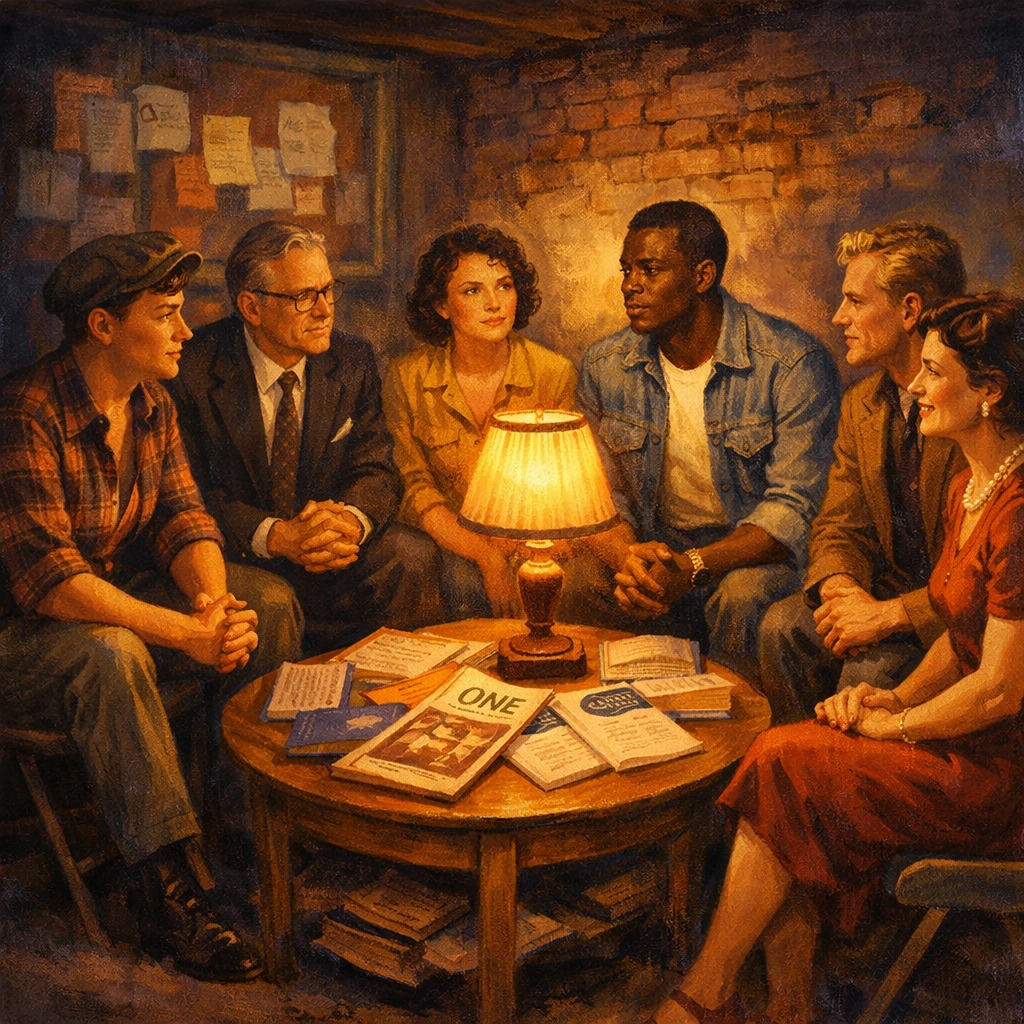
In 1955, early homophile organizations like the Mattachine Society and Daughters of Bilitis were formed. These groups created safe spaces where gay men and lesbians could gather without fear. More importantly, they began the slow, dangerous work of challenging the laws that criminalized homosexuality.
Then came a small but significant victory in 1958. The Supreme Court extended free speech protections to the gay press: the first LGBTQ+ rights victory in the highest court of the land. It wasn't much, but it was a crack in the wall. These early movements laid the groundwork for the lesbian and gay liberation movement that would explode in the late 1960s and early 1970s.
Why This History Matters
The Lavender Scare isn't just a historical curiosity: it's a warning. It shows how quickly fear can be weaponized against marginalized communities, how easily "national security" can become a cover for discrimination, and how devastating the consequences can be when the full power of the state is turned against its own citizens.
At Read with Pride, we believe that knowing our history: especially the darkest chapters: is essential. Reading LGBTQ+ literature and gay romance novels isn't just about entertainment; it's about understanding the struggles that came before us and honoring those who fought so we could love openly.
The stories we share, from MM romance books to queer fiction that explores historical struggles, help keep these memories alive. Every gay love story we celebrate today exists because people survived the Lavender Scare and continued fighting for the right to exist authentically.
This history reminds us why representation matters. Why we need LGBTQ+ fiction that tells our stories: the painful ones and the joyful ones. Why spaces like Read with Pride are more than just places to find your next MM romance or gay thriller: they're part of a larger tradition of queer resilience and visibility.
The Lavender Scare may have ended officially, but its echoes continue. Every time someone suggests that LGBTQ+ people are threats to children, national security, or traditional values, we're hearing the same old song with slightly different lyrics. Remembering what happened in Washington during those dark decades helps us recognize and resist those patterns today.
We owe it to the thousands who lost everything: and to those who didn't survive: to remember, to speak their truth, and to ensure it never happens again.
Discover more LGBTQ+ stories and history at readwithpride.com
Follow us on Facebook | Instagram | Twitter/X
#LavenderScare #LGBTQHistory #GayHistory #QueerHistory #ReadWithPride #LGBTQBooks #MMRomance #GayRomanceBooks #QueerFiction #LGBTQLiterature #GayFiction #PrideReading #LGBTQCommunity #QueerBooks #GayNovels #LGBTQRights #ColdWar #AmericanHistory #NeverForget #QueerResistance

Leave a Reply
You must be logged in to post a comment.