

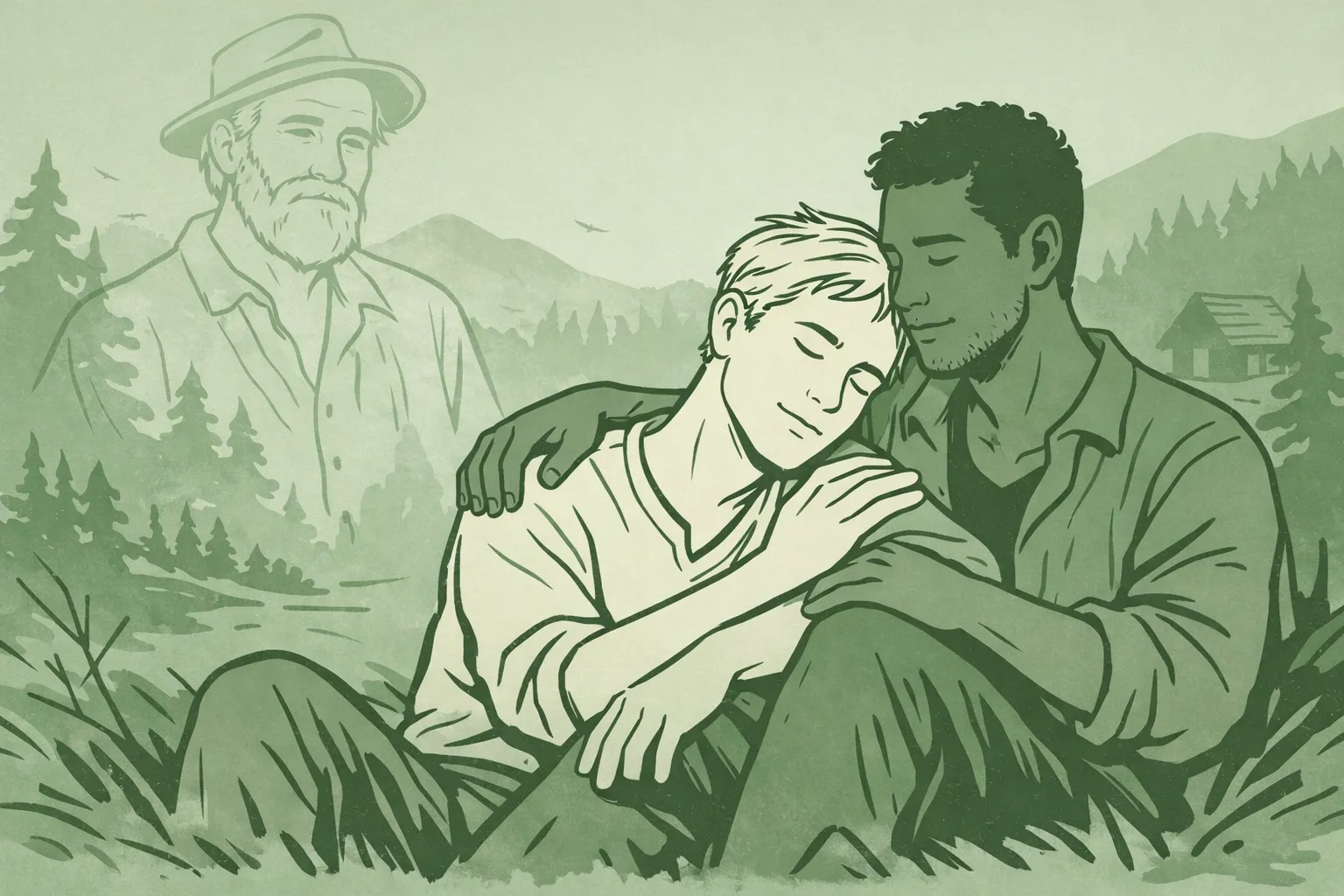
Discovering Hidden Histories: When the Past Speaks to the Present
SPECIAL OFFER: Explore our collection of historical gay romance and LGBTQ+ fiction at Read with Pride – where every story connects generations of queer voices.
The weight of history sits differently when you discover your own reflection staring back from centuries past. For readers seeking MM romance with emotional depth and authentic queer representation, the intersection of historical struggle and modern identity creates powerful narratives that resonate across time.
The Discovery: Unearthing Forbidden Love in Feudal Japan
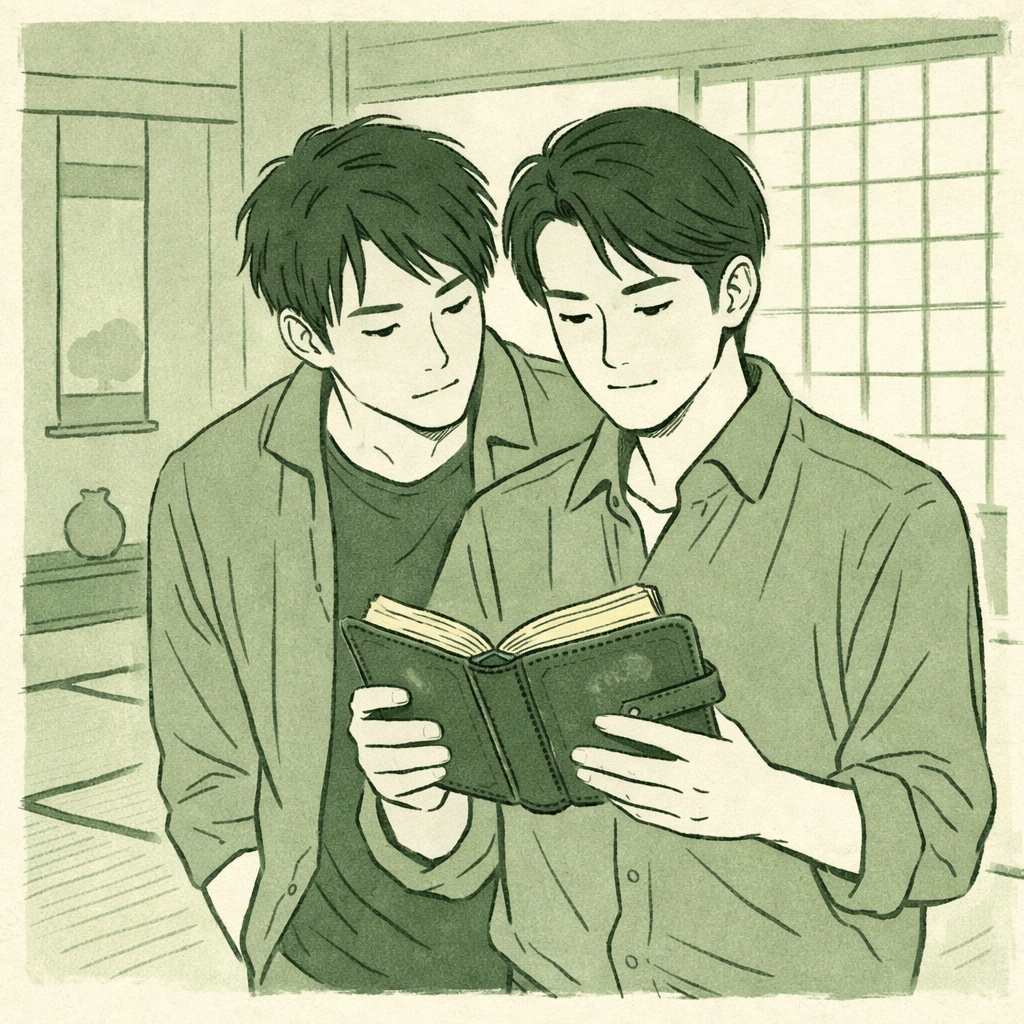
When Kenji Tanaka, a 28-year-old graphic designer in modern Tokyo, inherited his grandmother's estate in rural Yamagata Prefecture, he expected dusty furniture and family photographs. What he found instead was a carefully preserved diary written in classical Japanese: the private confessions of Matsudaira Takeshi, a samurai who served during the late Edo period.
The diary, hidden within a false bottom of an antique tansu chest, revealed intimate details of Takeshi's relationship with another samurai, Hayashi Yoshiro. Written in coded language that only someone familiar with both historical Japanese culture and queer subtext could decipher, the journal documented a love that could never be openly acknowledged.
VALUE PROPOSITION: Historical gay romance books like this narrative offer readers authentic representation of LGBTQ+ lives across centuries. Browse our MM historical romance collection for stories that honor queer history.
Parallel Lives: Then and Now
The Samurai's Burden (1850s)
Takeshi's entries reveal the crushing weight of giri (duty) versus ninjō (human emotion): a conflict central to Japanese cultural philosophy. As the second son of a minor noble family, he served his lord with unwavering loyalty while maintaining the public facade of a proper samurai. His private writings expose the anguish:
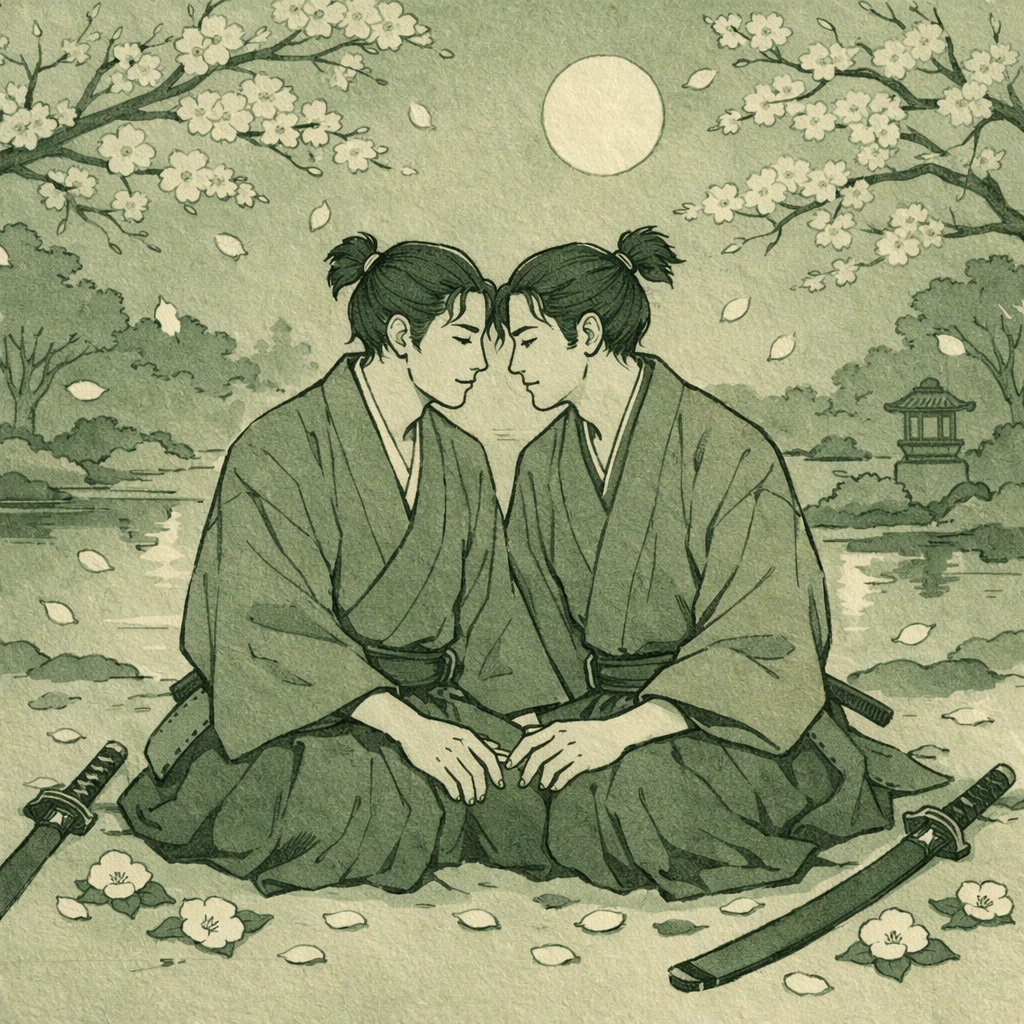
"In the practice yard, our swords meet as they should. But in the garden after twilight, when the camellia blossoms fall, our hands find what our mouths can never speak."
The historical context matters. While wakashudō (the way of youth) was an accepted practice in certain samurai contexts, long-term romantic partnerships between adult men existed in society's shadows. Takeshi and Yoshiro's relationship transcended the traditional mentor-student dynamic, venturing into forbidden territory.
The Designer's Reality (2026)
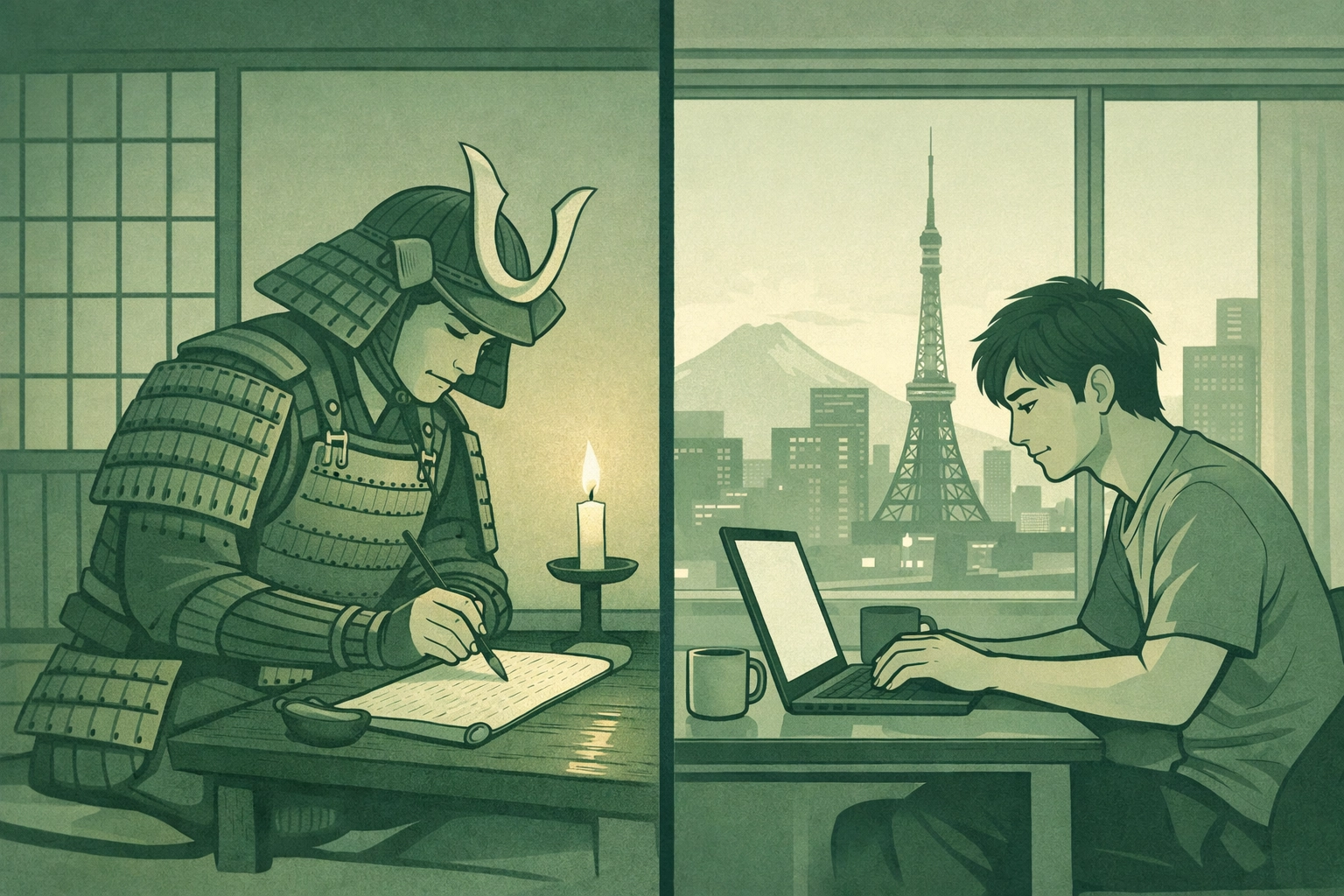
Reading these entries, Kenji recognizes his own struggle. Despite living in contemporary Japan where legal protections exist for LGBTQ+ individuals, the cultural pressure of tatemae (public facade) versus honne (true feelings) remains. His parents still expect him to marry a woman and produce an heir. His workplace remains rigidly heteronormative despite Tokyo's visible gay districts.
The parallel becomes clear: 170 years separate these two men, yet the fundamental tension between authentic self and social expectation persists.
CONVERSION FOCUS: Discover more stories exploring the intersection of tradition and queer identity. 15% off your first order at Read with Pride with code ANCESTOR15.
Cultural Continuity: Understanding Japanese Queer History
The diary illuminates aspects of queer Japanese history often erased from mainstream narratives:
Historical Acceptance and Modern Repression
Pre-Meiji Japan demonstrated more fluid attitudes toward same-sex relationships. Buddhist monasteries, kabuki theater, and samurai culture all contained spaces for male-male intimacy. The introduction of Western morality during the Meiji Restoration (1868-1912) imposed new stigmas.
Takeshi's diary entries from the 1850s show awareness of this shifting landscape. He writes of older samurai who spoke freely of their youthful attachments, contrasted with younger retainers who had begun adopting Western notions of "propriety."
The Language of Concealment
Both Takeshi and Kenji employ coded language: one in classical euphemisms, the other in carefully managed social media presence. Takeshi wrote of "viewing the moon together" and "sharing sake in private gardens." Kenji posts photos with his partner, captioned as his "roommate" for his family's benefit.
The Ghost's Guidance: Finding Strength in Ancestral Struggle
As Kenji translates more entries, Takeshi's voice becomes a guide through his own coming-out process. The samurai's courage: maintaining his relationship despite enormous risk, documenting his truth for posterity: inspires Kenji to reconsider his own compromises.
One entry proves particularly transformative:
"Yoshiro asks if I fear death more than this half-life we lead. I told him I fear neither death nor dishonor, but I fear the extinction of what we are. Someone must remember that we existed, that we loved truly."
This passage crystallizes the importance of authentic bisexual and gay romance books that honor queer history. Literature preserves what official records erase.
PROMOTIONAL ELEMENT: For readers drawn to historical MM fiction with emotional resonance, explore The Berlin Companions and other titles examining queer lives across history.
Breaking the Silence: Modern Implications
Kenji's discovery extends beyond personal revelation. He begins researching queer Japanese history, connecting with academics and activists. The diary becomes part of a museum exhibition documenting LGBTQ+ experiences in rural Japan: regions often overlooked in favor of urban narratives.
The project attracts attention from other families who discover similar hidden histories: love letters, photographs with coded meanings, journal entries encrypted in literary references.
Generational Bridge
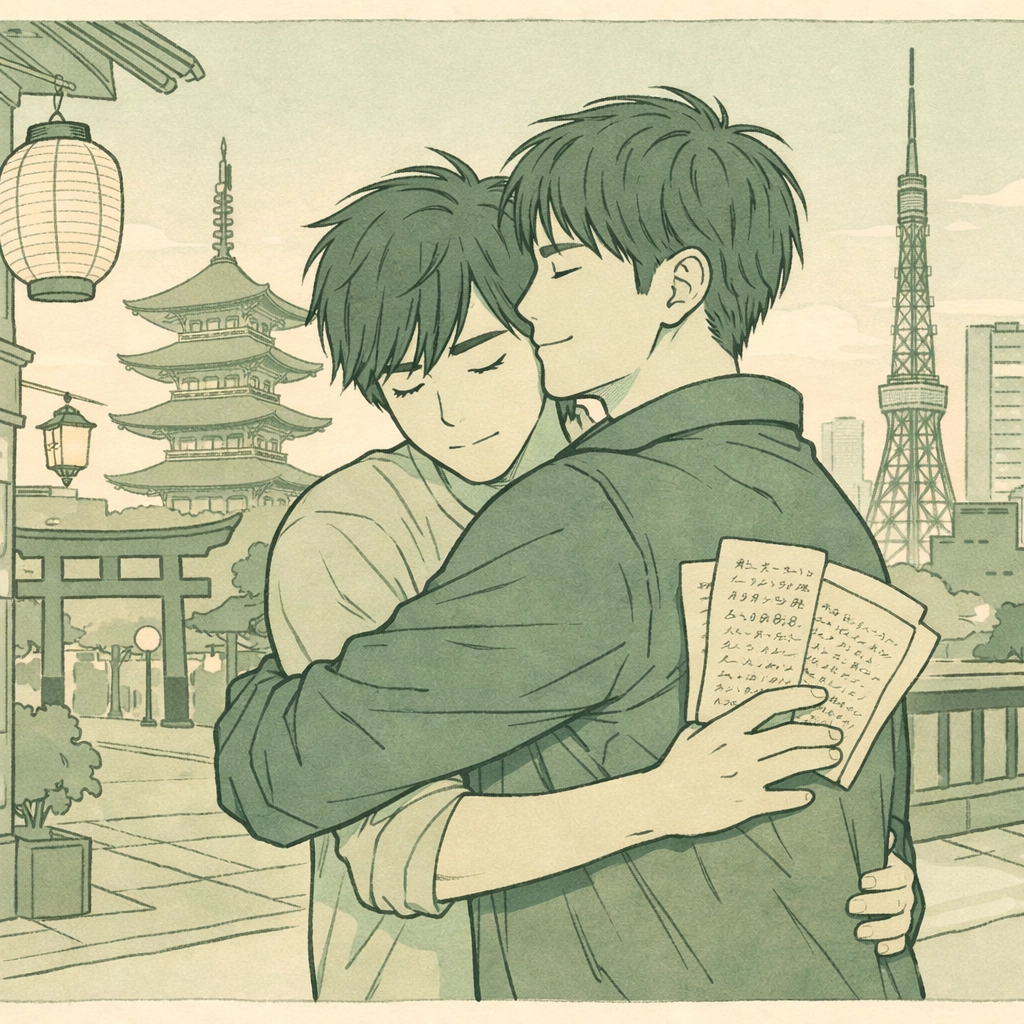
Most powerfully, Kenji's grandmother: before her death: had known about the diary. She'd preserved it deliberately, hoping future generations would understand and value what it represented. Her own gay brother had taken his life in the 1970s. She'd wanted Kenji to know his family history included both tragedy and transcendent love.
Literary Resonance: Why These Stories Matter
The narrative of discovering queer ancestry speaks to fundamental questions facing LGBTQ+ readers in 2026:
- Continuity: We are not unprecedented or alone
- Validation: Our relationships have always existed, always mattered
- Courage: Previous generations survived worse and still loved authentically
- Responsibility: Documenting our lives for future generations
BOOK RECOMMENDATIONS: For readers seeking MM novels with emotional depth and historical awareness, our curated collection at Read with Pride features titles exploring queer lives across cultures and centuries.
The Legacy Lives: Conclusion and Call to Action
Takeshi's diary ends abruptly in 1858. Historical records show he died in a skirmish during the political upheaval preceding the Meiji Restoration. No record exists of what became of Yoshiro.
But their story survives through Kenji's discovery and preservation. In documenting his own journey alongside his ancestor's, Kenji creates a continuous thread of queer Japanese existence spanning nearly two centuries.
SIGN UP TODAY: Join our newsletter at readwithpride.com for exclusive content about LGBTQ+ literature, historical queer narratives, and 20% off your next purchase.
For readers passionate about gay historical romance, MM fiction with cultural authenticity, and stories that connect generational struggles, literature provides both mirror and map. Each story preserved ensures future generations inherit a complete history: not one sanitized of queer presence.
Explore our full catalog at dickfergusonwriter.com for more narratives examining the intersection of tradition, identity, and love.
Follow us on social media:
Instagram: @dickfergusonwriter
X/Twitter: @DickFergus94902
Facebook: Dick Ferguson Writer
Visit www.readwithpride.com for our complete collection of LGBTQ+ ebooks, gay romance, MM romance books, and queer fiction.
#MMRomance #GayRomance #LGBTQBooks #HistoricalRomance #QueerFiction #GayBooks #JapaneseCulture #SamuraiRomance #MMHistoricalRomance #ReadWithPride #GayLiterature #QueerHistory #MMFiction #GayRomanceBooks #LGBTQFiction #AuthenticRepresentation #ReadingWithPride #2026GayBooks

Leave a Reply
You must be logged in to post a comment.