


The Weight of Tradition on One Man's Shoulders
In Japanese culture, the eldest son carries a burden that Western readers may struggle to fully comprehend. This isn't merely about inheritance or family name: it's about chonan, the firstborn son who becomes the keeper of ancestral duty, the bridge between generations, and the designated protector of family honor. For gay men born into this role, the weight becomes unbearable.
Explore authentic LGBTQ+ narratives that don't shy away from cultural complexity at Read with Pride: your destination for MM romance, gay fiction, and queer literature that challenges and moves you.
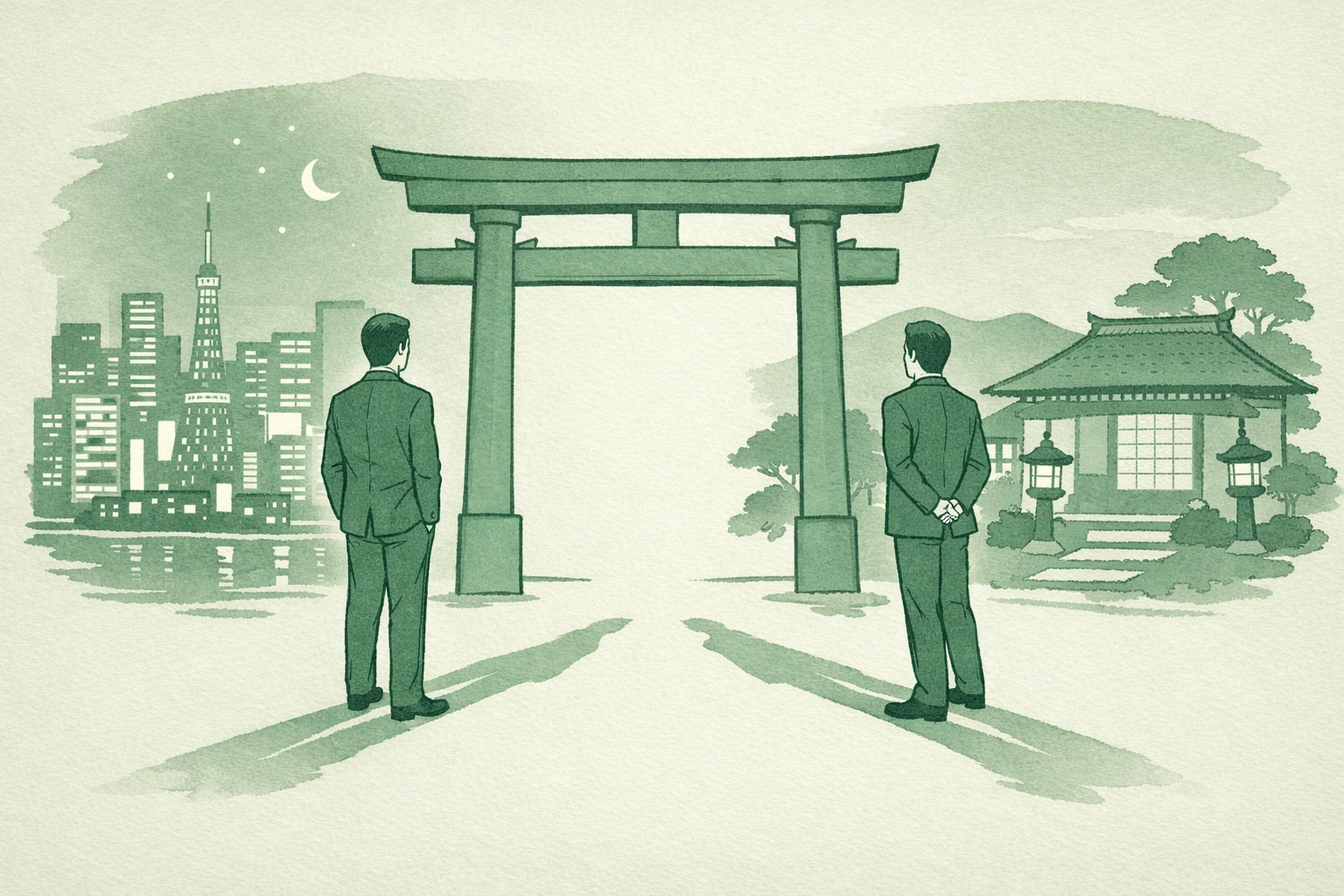
The Architecture of Filial Piety
Japanese kōkō (filial piety) operates on principles that extend far beyond respect for parents. The eldest son traditionally assumes responsibility for:
- Continuing the family registry (koseki)
- Maintaining the family grave and Buddhist altar
- Caring for aging parents until death
- Providing for unmarried siblings
- Preserving family business or property
- Producing the next generation of heirs
This system creates what anthropologists call "structural obligation": duties so deeply embedded in social fabric that to refuse them isn't rebellion, it's erasure. The firstborn doesn't simply disappoint his family by being gay; he threatens the entire ancestral line.
Biblical traditions echo this burden. The firstborn son served as spiritual leader, received a double portion of inheritance, and bore responsibility for the family's moral compass. But that double portion came with doubled obligation: to protect, provide, and perpetuate. In Japan, these ancient patterns persist with particular intensity.
The Geography of Concealment
Tokyo's Shinjuku Ni-chōme district represents one reality: narrow streets lit by rainbow flags, tiny bars where two dozen men squeeze into spaces the size of a bedroom, where being gay isn't whispered but celebrated. This is the honne: the true feelings.
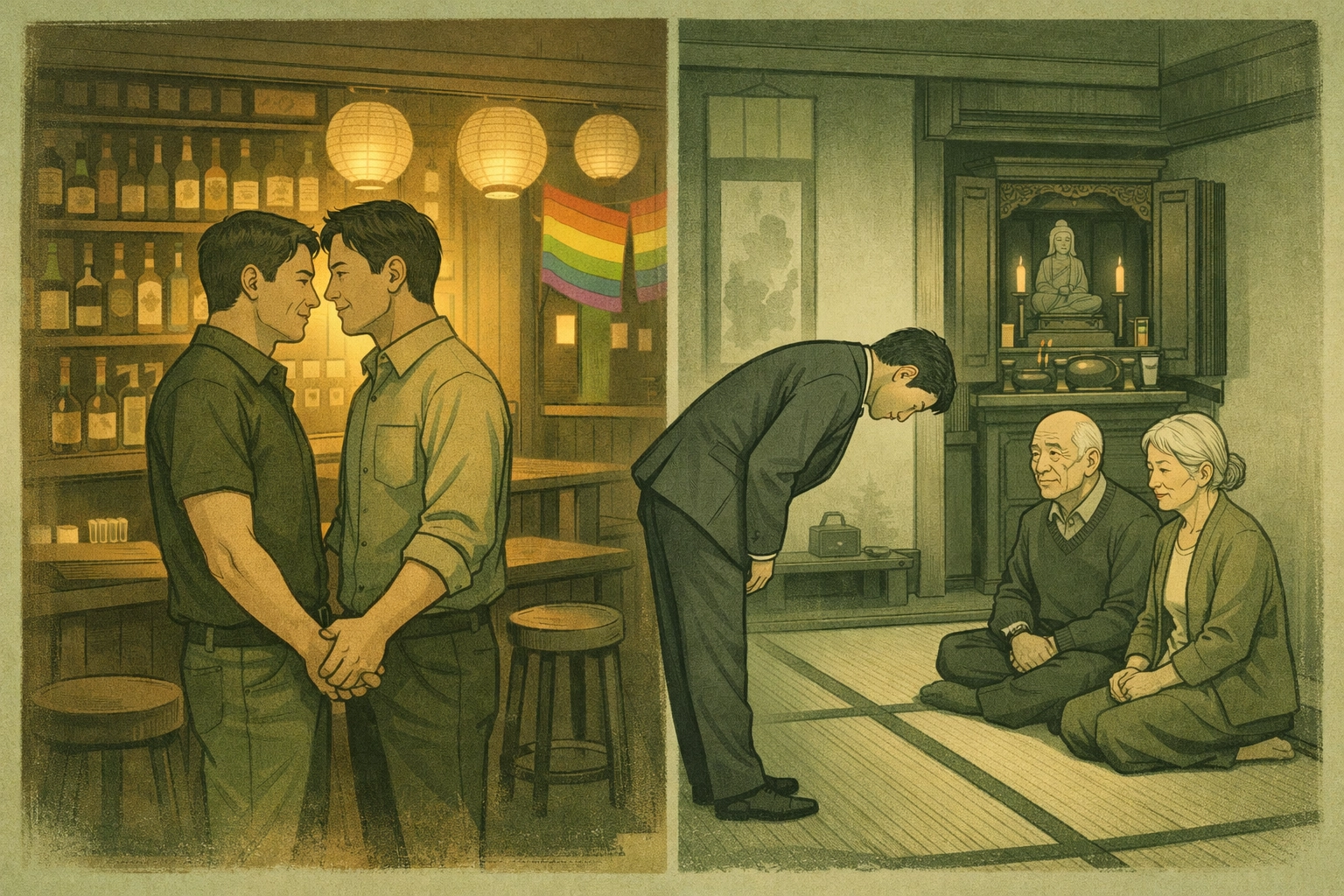
But step onto the morning train in a grey suit, return to the family home in Saitama or Osaka, bow to aging parents, and the tatemae descends: the public face, the acceptable mask. The eldest son who will marry appropriately. Eventually. When work permits. When the right woman appears.
Discover MM fiction that captures this duality: gay romance books that explore cultural pressure and authentic bisexual representation. Visit readwithpride.com/store/dickfergusonwriter for stories that reflect real struggles.
The emotional cost of this double life isn't dramatic: it's erosive. It's the small deaths: declining an invitation to introduce your partner at a work function. Referring to the man you've loved for seven years as your "roommate." Watching your younger siblings marry while your mother's eyes ask silent questions you cannot answer.
The Mathematics of Obligation
Consider Takeshi, a composite drawn from documented experiences in Japanese LGBTQ+ communities. At thirty-five, he manages his late father's printing business, lives with his mother, visits the family grave every Sunday. His boyfriend of nine years, Kenji, occupies a studio apartment in Shibuya. They see each other Tuesday and Thursday evenings, and Sunday afternoons when Takeshi claims business obligations.
Takeshi's siblings: a married sister in Kyoto, a younger brother studying in Australia: have been released from primary duty by accident of birth order. They express sympathy but cannot truly share the weight. The ancestral tablet sits in Takeshi's home. The family name will die with him.
Or he can marry. Produce an heir. Relegate Kenji to the shadows permanently.
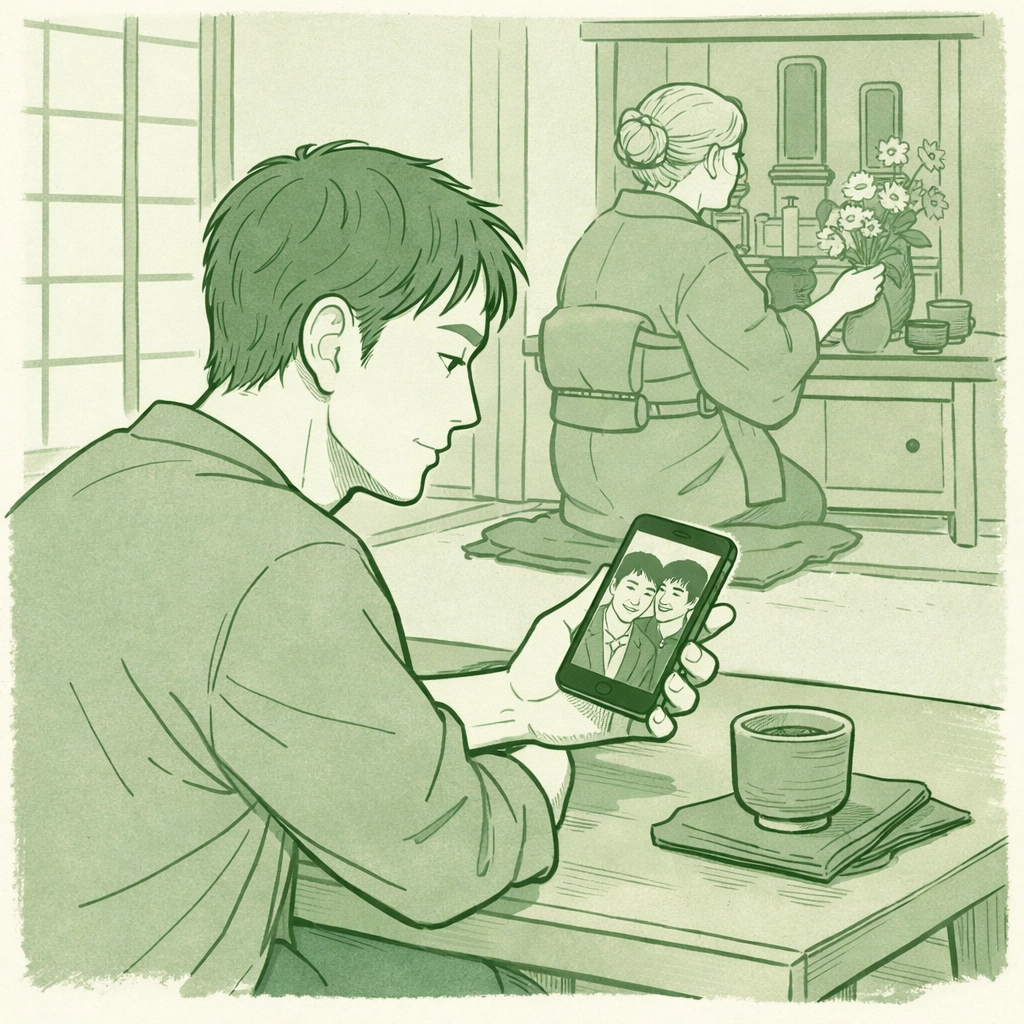
This isn't melodrama: it's statistical reality. Japan's marriage equality movement faces unique challenges precisely because of family registry systems. A same-sex partnership cannot be registered in the koseki. Gay sons cannot fulfill traditional duty while living authentic lives.
The Language of Invisibility
Japanese lacks easy vocabulary for discussing homosexuality within family contexts. The English word "gay" (gei) carries different connotations than indigenous terms like okama (often pejorative) or clinical phrases like dōseiaisha (same-sex lover). Many families simply avoid the conversation entirely.
This linguistic gap enables a peculiar form of denial. Parents "know" without acknowledging. Sons "show" without speaking. The relationship exists in perpetual ambiguity: Schrödinger's sexuality, neither confirmed nor denied, allowing everyone to maintain face while suffering privately.
Research from Tokyo's Nijiiro Diversity organization indicates that 67% of Japanese LGBTQ+ individuals remain closeted to their parents, with eldest sons showing even higher rates of concealment. The duty to family unity overrides personal truth.
Breaking Points and Bridge Building
Yet stories of reconciliation exist. Some eldest sons find courage to speak: not defiantly, but through persistent, patient education. Some parents eventually choose their son's happiness over abstract duty to ancestors they never met.
These transformations take years, not moments. They require what the Japanese call gaman: enduring patience: applied not to suffering in silence but to the gradual work of changing hearts.
For MM romance and gay fiction that explores these journeys with authenticity and emotional depth, explore our collection at Read with Pride. Literary LGBTQ+ fiction that honors cultural complexity while centering queer love stories.
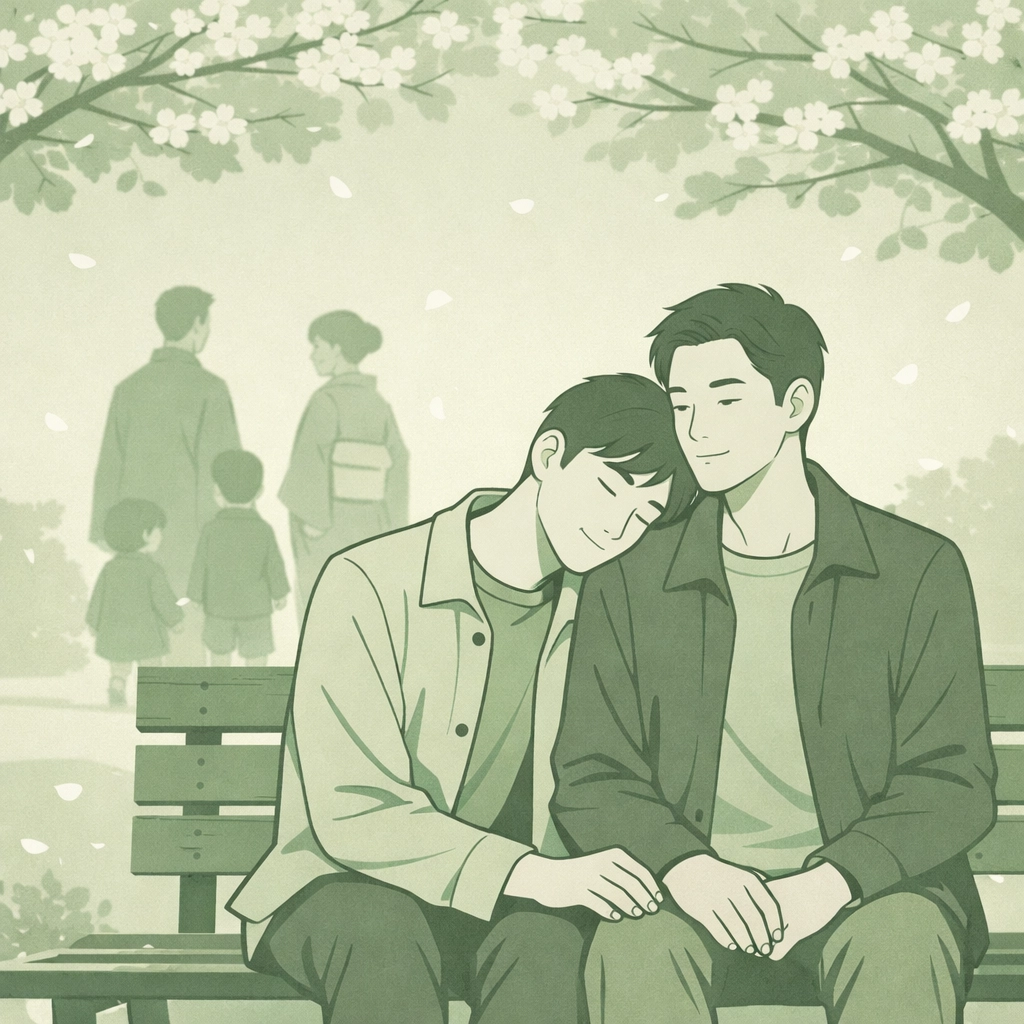
Contemporary Japanese gay literature: from Yukio Mishima's coded classics to Gengoroh Tagame's graphic novels: increasingly addresses these tensions. International MM romance authors are also discovering this rich territory, though sensitivity to cultural nuance remains essential.
The Future of Duty
Japan's demographics are shifting. With declining birth rates and changing family structures, the rigid firstborn system shows cracks. Younger generations question inherited obligations. Some families skip generations, allowing grandchildren rather than sons to maintain family registries.
But for the current generation of eldest sons: men now in their thirties, forties, fifties: the conflict remains acute. They stand between tradition and transformation, bearing burdens their younger siblings will never carry while paving roads they may never walk freely.
Their stories deserve telling. Not as tragedy, necessarily, but as complex human reality: the intersection of love and duty, individual truth and collective obligation, modern identity and ancient expectation.
Read Stories That Reflect These Realities
Gay romance books and MM fiction increasingly explore cultural conflicts beyond Western coming-out narratives. These stories: whether set in Japan, other Asian cultures, or immigrant communities navigating multiple identities: offer recognition to readers who've lived these tensions.
Find your next read at dickfergusonwriter.com and readwithpride.com: where LGBTQ+ ebooks center authentic queer experiences, emotional MM novels, and gay love stories that respect cultural complexity.
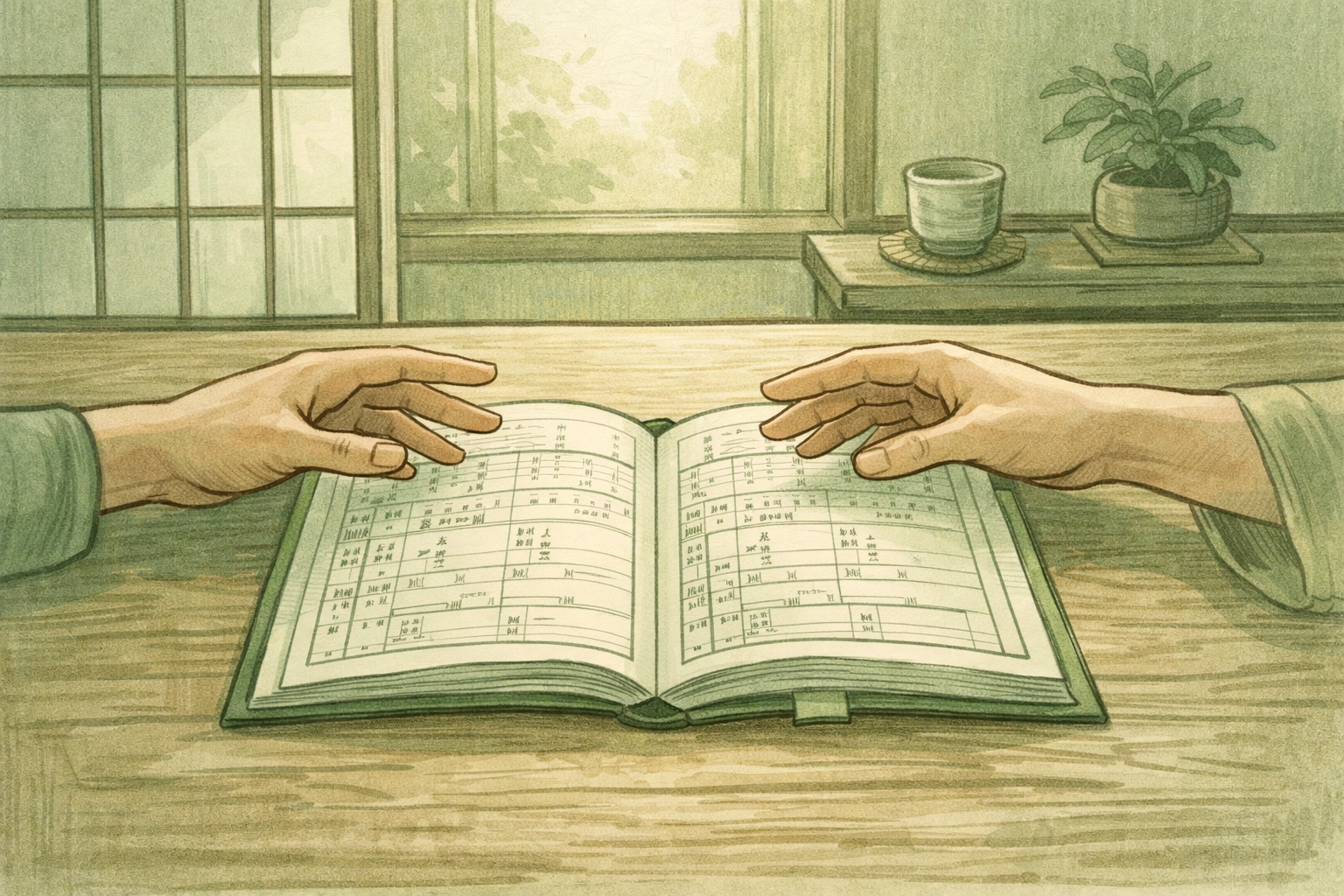
The duty of the first son may be ancient, but the need for authentic representation is urgent and contemporary. Every story told, every narrative honored, creates space for the next eldest son to breathe a little more freely.
Follow us on social media for daily LGBTQ+ book recommendations, MM romance releases, and queer fiction insights:
�Instagram: @dickfergusonwriter
🐦 X/Twitter: @DickFergus94902
📘 Facebook: Dick Ferguson Writer
🏳️🌈 Website: www.readwithpride.com
#ReadWithPride #ReadingWithPride #MMRomance #GayRomance #LGBTQBooks #QueerFiction #GayFiction #MMNovels #GayLoveStories #JapaneseCulture #CulturalIdentity #FilialPiety #GayLiterature #AuthenticRepresentation #MMContemporary #EmotionalMMBooks #GayRomanceBooks #2026GayBooks #LiteraryMMRomance #HeartfeltGayFiction #GayBookRecommendations #QueerAuthors #LGBTQReading #NewGayReleases

Leave a Reply
You must be logged in to post a comment.