

readwithpride.com
When you think about the 1970s disco scene, what comes to mind? Glitter balls? Platform shoes? Donna Summer's voice soaring over a pulsing bassline? Sure, all of that. But for the gay community, the disco dance floor was something far more profound: it was sanctuary, liberation, and home all rolled into one sweaty, spectacular package.
The Birth of Something Beautiful
It all started on Valentine's Day 1970 when David Mancuso opened The Loft in New York City. While that might sound romantic in a conventional sense, what Mancuso created was a different kind of love story: one where marginalized people could finally dance freely, express themselves authentically, and find community in the most electric way possible.
The Loft wasn't just a club. It was a private, membership-only space that cleverly bypassed New York's restrictive cabaret licensing laws. This meant marathon dance sessions could stretch from sunset to sunrise without interference. Other venues quickly followed: the Tenth Floor, the Gallery, the legendary Paradise Garage. Each one became a refuge where the rules of the outside world didn't apply.
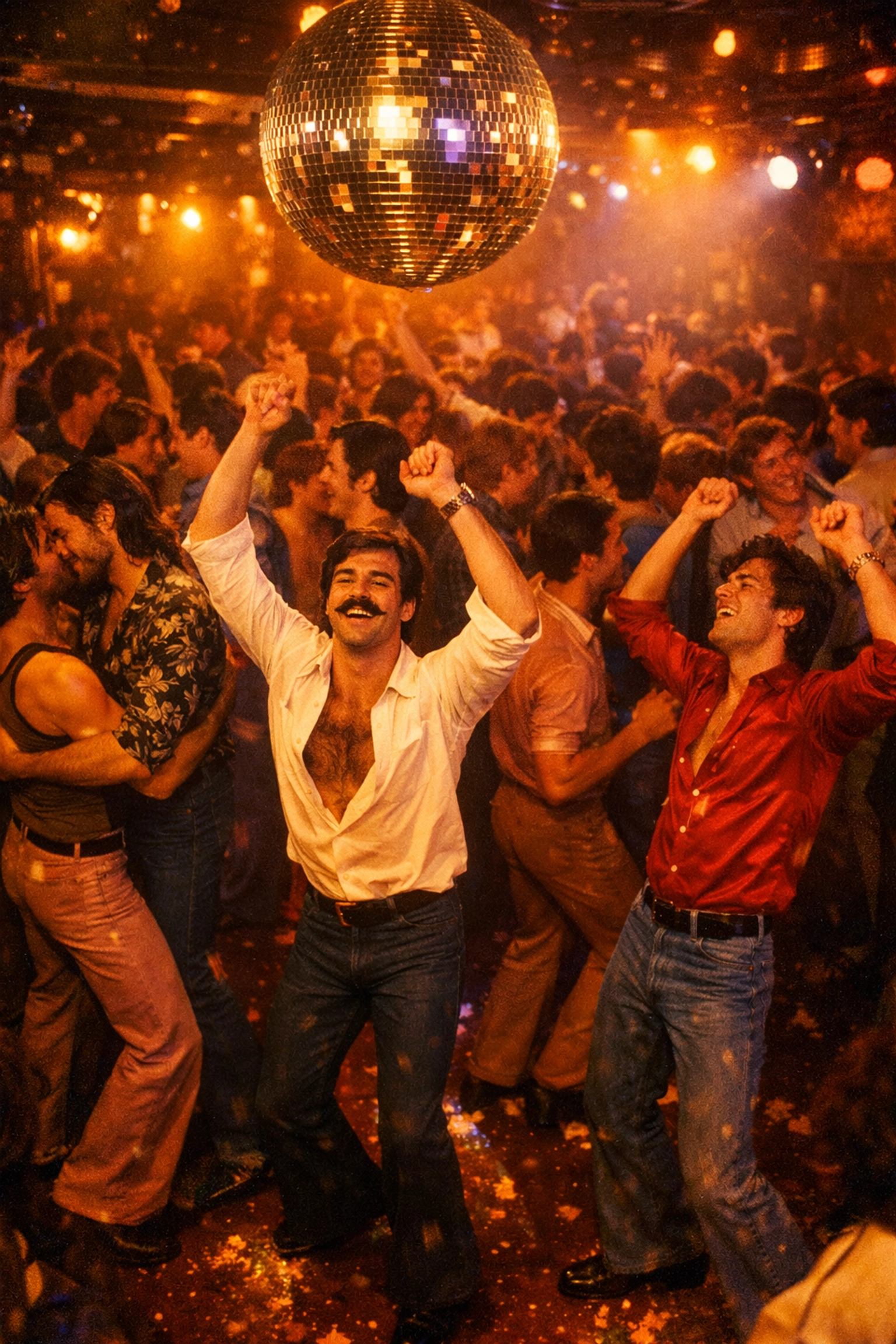
These early disco spaces emerged from a powerful fusion: the gay urban party scene, Latino partnered dancing traditions, and African-American soul, funk, and music. This wasn't cultural appropriation: it was cultural celebration, a beautiful collision of communities that mainstream America had pushed to the margins.
Dancing Alone, Together
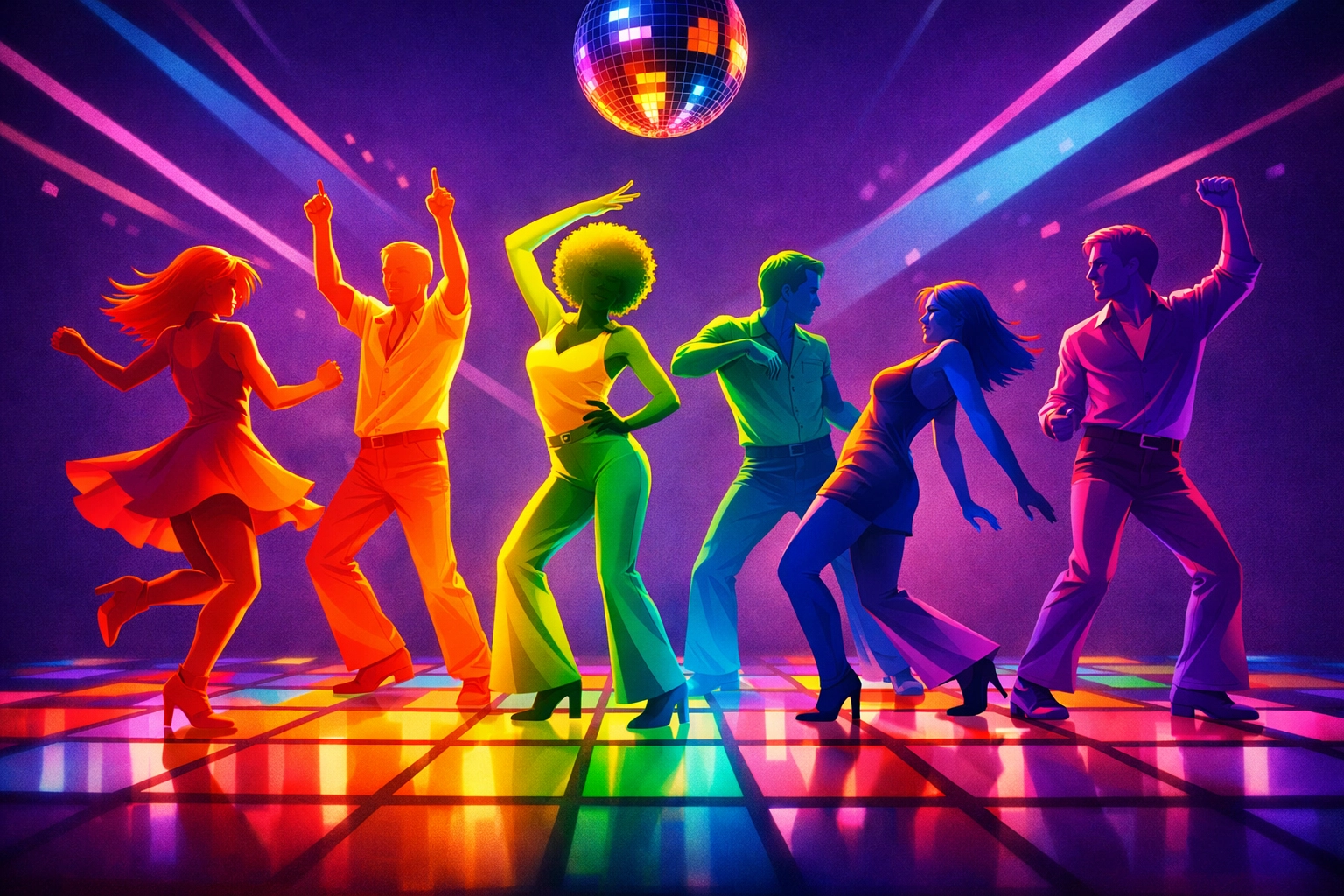
Here's where disco revolutionized nightlife: it shifted from traditional couples dancing to individual free-form movement. You might think that sounds isolating, but it was actually the opposite. When everyone danced individually yet collectively, something magical happened. You'd groove with multiple "partners" simultaneously, your movement responding to the person in front of you, beside you, behind you.
Frankie Knuckles, who would later become the godfather of house music, was a regular at the Loft. He remembered: "You could be on the dance floor and the most beautiful woman that you had ever seen in your life would come and dance right on top of you." That closeness, that intimacy within crowds packed to sardine-like proportions, created an atmosphere of connection that transcended traditional social barriers.
The beauty was in the freedom. There were few rules governing movement on the disco floor. Knee flexes, hip lifts, swinging arms, spinning, dipping: whatever your body wanted to do was valid. This wasn't choreographed perfection; it was personal expression within a shared rhythm. For gay men who'd spent their lives policing their gestures and mannerisms to avoid harassment, this freedom was revolutionary.
A Haven for the Double-Marginalized
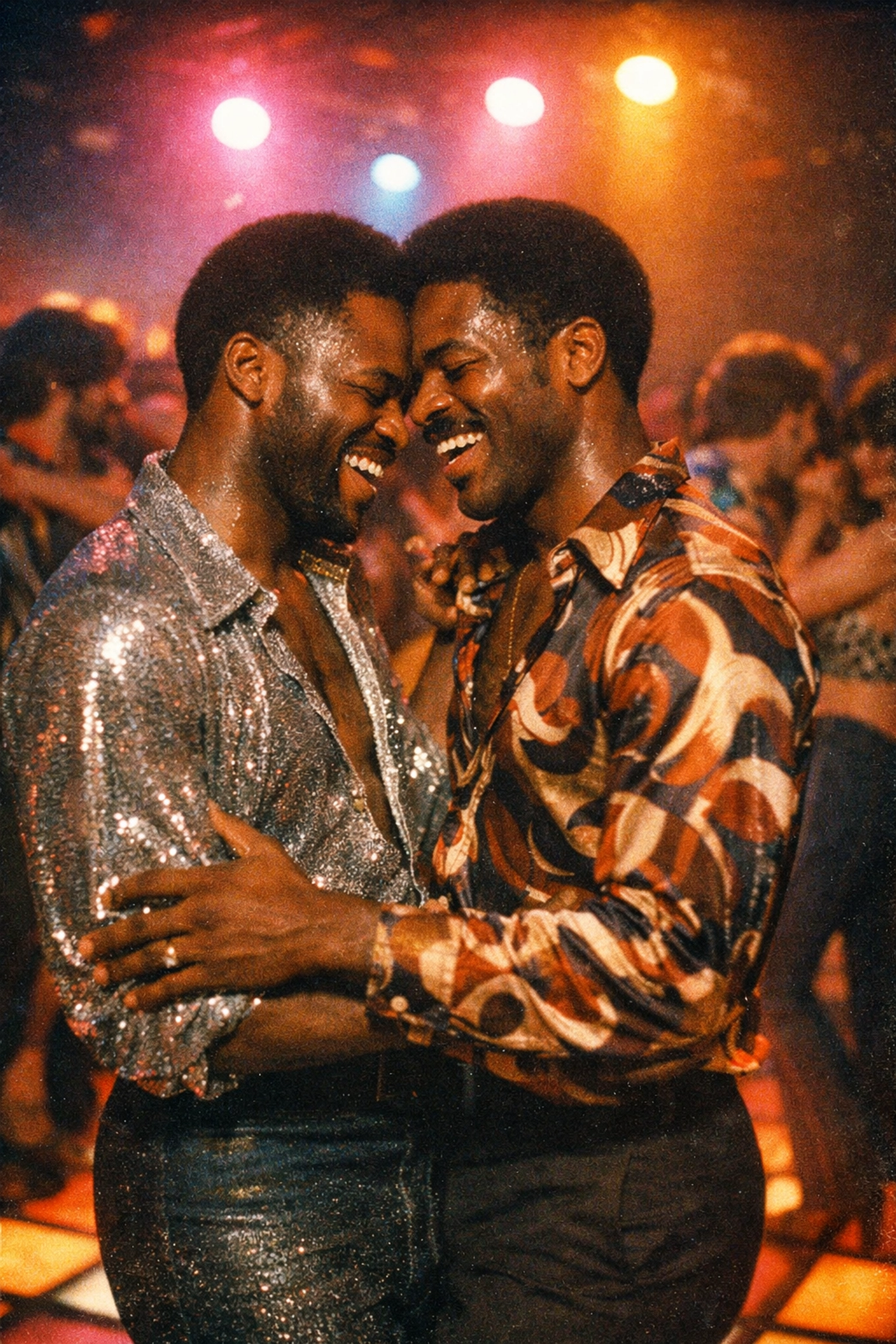
For Black and gay dancers facing double marginalization in society, the disco floor represented unprecedented acceptance. Think about what that meant in the 1970s: a time when being gay was still classified as a mental illness in some circles, when interracial relationships were still frowned upon in many communities, when simply existing authentically could cost you your job, your family, or your safety.
On the disco floor, none of that mattered. What mattered was how you moved, how you felt the music, how you contributed to the collective energy. The era was characterized by an acceptance of otherness that, sadly, wouldn't be replicated in the decades that followed as disco became commercialized and co-opted by mainstream culture.
The new freedoms were expressed in everything: self-expression through fashion that would've been deemed too flamboyant anywhere else, sexual liberation represented through dance and connection, and perhaps most importantly, the simple dignity of being celebrated rather than merely tolerated.
The DJ as Spiritual Guide
If the dance floor was a sanctuary, then the DJ was its priest. These weren't just people playing records: they were reading the crowd's energy through every scream, every raised hand, every shift in the collective movement. They'd respond by selecting tracks that matched and elevated the mood, creating a feedback loop between music and movement that made each night unique and unrepeatable.
The DJ booth at venues like the Paradise Garage was positioned to give the DJ a perfect view of the entire floor. This wasn't about ego: it was about connection. The DJ needed to see the dancers to understand them, to know when to build tension, when to release it, when to take everyone on a journey through sound.
This relationship between DJ and dancers was intimate, almost telepathic. A great DJ could sense when the crowd needed to be lifted higher or when they needed a moment to breathe. The music wasn't background noise: it was the heartbeat of a living, breathing community.
Studio 54 and the Spotlight Shift
When Studio 54 opened its doors in 1977, it became the most famous embodiment of disco culture: though arguably not the most authentic. With its extravagant décor, pulsating lights, and atmosphere of unbridled exuberance, Studio 54 attracted celebrities, socialites, and people from all walks of life who wanted to touch that disco magic.
But here's what made disco fundamentally different from other music cultures: it put the audience in the spotlight. Unlike rock concerts where performers commanded attention from elevated stages while audiences remained in darkness, disco reversed this power dynamic. You weren't there to watch someone else: you were the show. Your outfit, your moves, your presence mattered.
For a community so used to hiding, to performing heterosexuality for survival, this reversal was transformative. Finally, gay men and other queer folks could be seen, celebrated, and centered in a cultural space that valued their contributions.
The Legacy of Liberation
The 1970s disco era was relatively brief: by the early 1980s, the "Disco Sucks" backlash (which many historians note had homophobic and racist undertones) had largely pushed disco underground. But what happened on those dance floors didn't disappear. It evolved into house music in Chicago, techno in Detroit, and the global electronic dance music culture we know today.
More importantly, the disco sanctuary created a template for how queer spaces could function: as places of joy, acceptance, and celebration rather than merely tolerance. The clubs we dance in today, the Pride events we celebrate, the freedom to express ourselves through movement and fashion: all of these carry the DNA of those 1970s disco floors.
When we talk about gay romance books and MM fiction at Read with Pride, we're continuing that tradition of creating sanctuaries: spaces where LGBTQ+ stories can be told authentically, celebrated openly, and consumed proudly. Just as the disco floor gave our community a place to be seen and valued, LGBTQ+ literature gives us stories that reflect our experiences, our love, and our joy.
The disco sanctuary of the 1970s reminds us that sometimes the most radical act is simply to dance, to love, to exist loudly and joyfully in spaces that were never meant to include us. And then to create our own spaces where everyone is welcome on the dance floor.
Explore more LGBTQ+ history and discover authentic gay romance novels and MM fiction at Read with Pride.
Follow us on Facebook, Twitter/X, and Instagram for more queer stories and book recommendations.
#DiscoHistory #LGBTQHistory #GayHistory #QueerCulture #DiscoSanctuary #1970sGayHistory #ReadWithPride #LGBTQBooks #GayRomance #MMRomance #QueerFiction #GayLiterature #LGBTQPride #QueerJoy #DanceFloorLiberation #Studio54 #ParadiseGarage #GayIcon #QueerHistory #PrideHistory

Leave a Reply
You must be logged in to post a comment.