

readwithpride.com
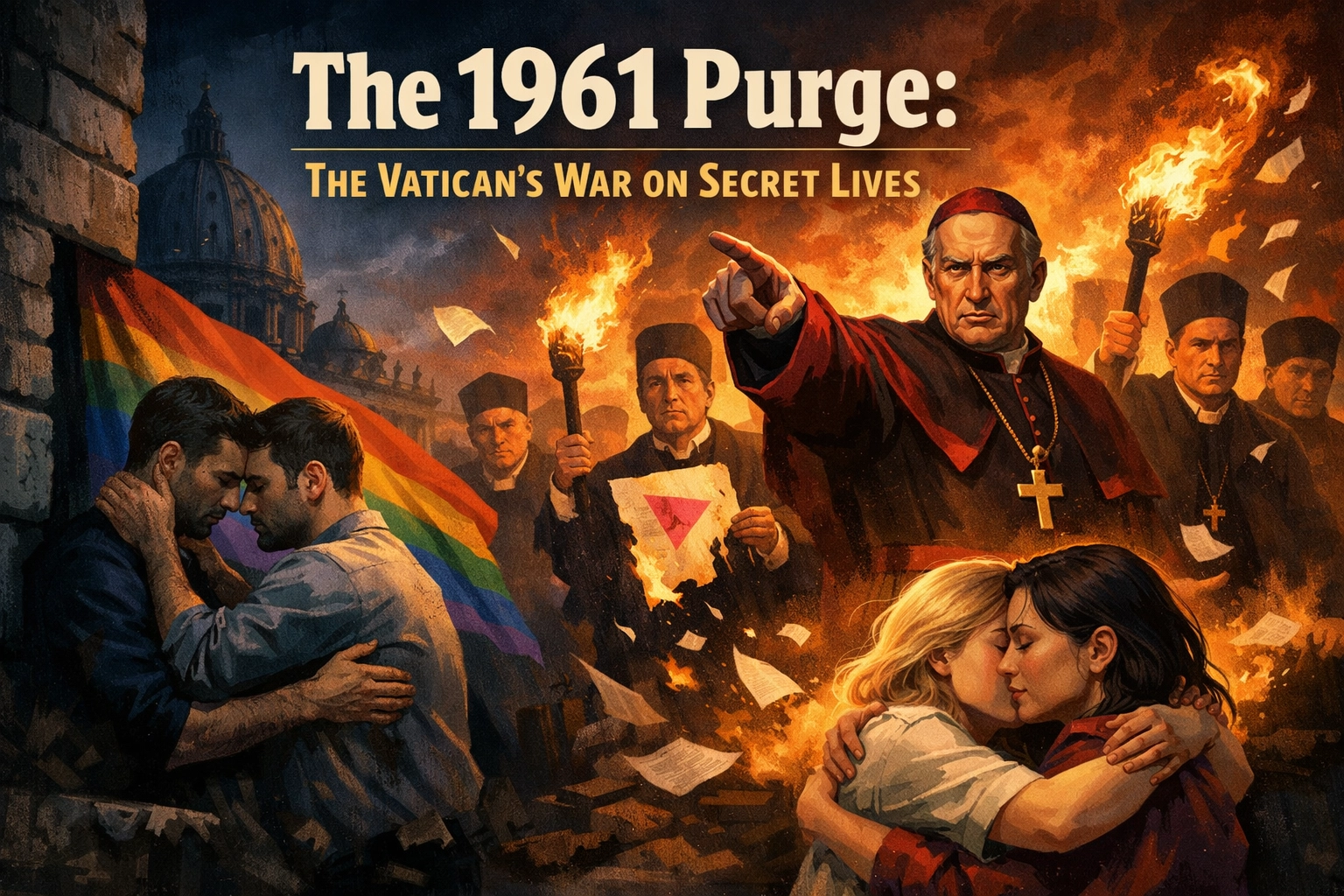
Behind the gilded doors of the Vatican, beneath centuries of sacred vows and whispered prayers, a secret thrived. For as long as the Catholic Church has existed, gay men have walked its marble halls, celebrated its masses, and shaped its theology. But in 1961, the institution decided it had seen enough.
What unfolded was not just a policy shift: it was an inquisition in modern dress. The directive that year aimed to systematically identify and remove gay priests from the clergy, exposing just how deeply the church feared what it could not control: the private lives of the men who had devoted themselves to its service.
The Hidden Community
By the mid-20th century, the priesthood had become something of an unspoken refuge. For gay men living in an era where same-sex attraction was criminalized in most of the world, the celibate life offered a socially acceptable explanation for remaining unmarried. It was a sanctuary from the relentless pressure to conform to heterosexual marriage, disguised as religious devotion.
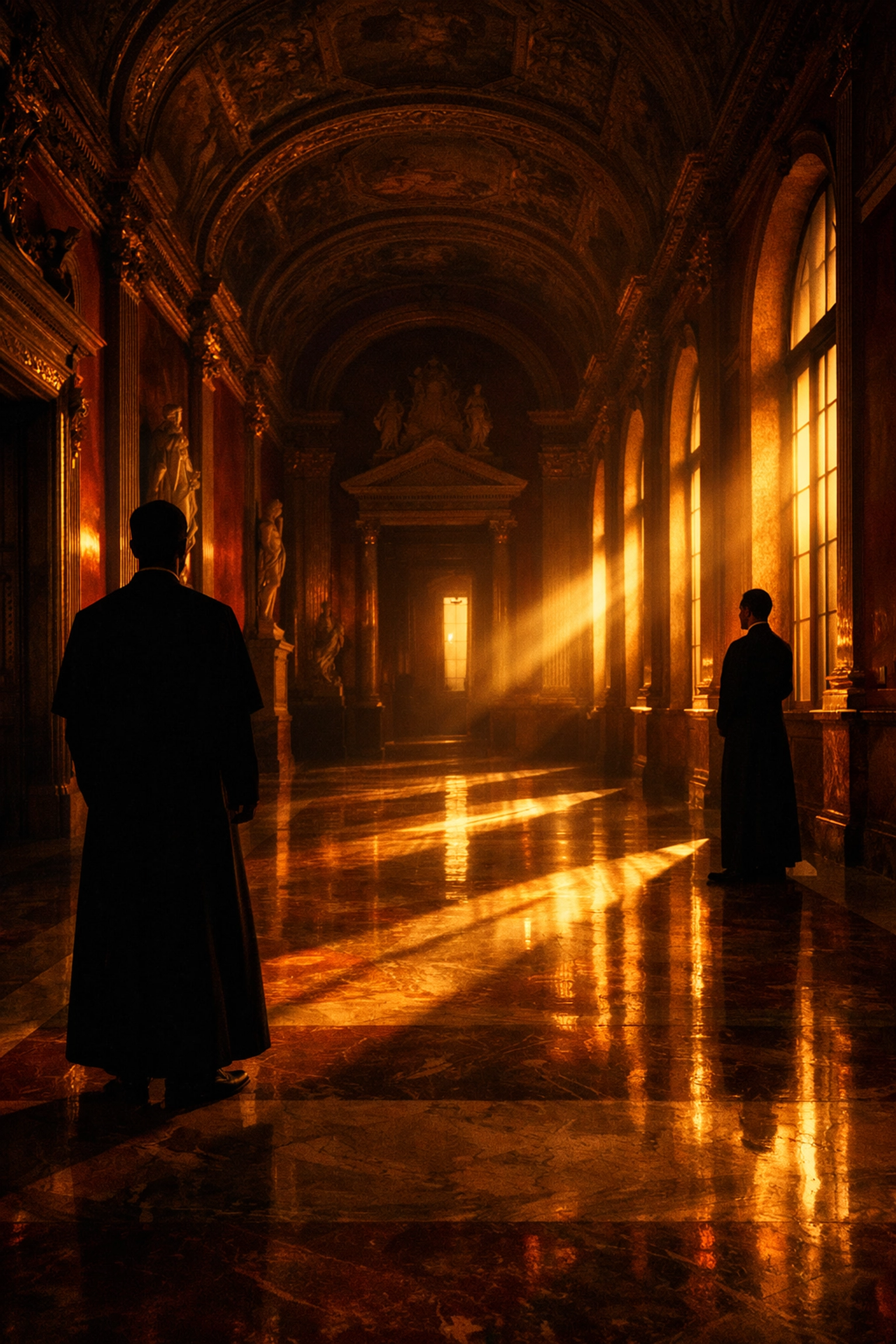
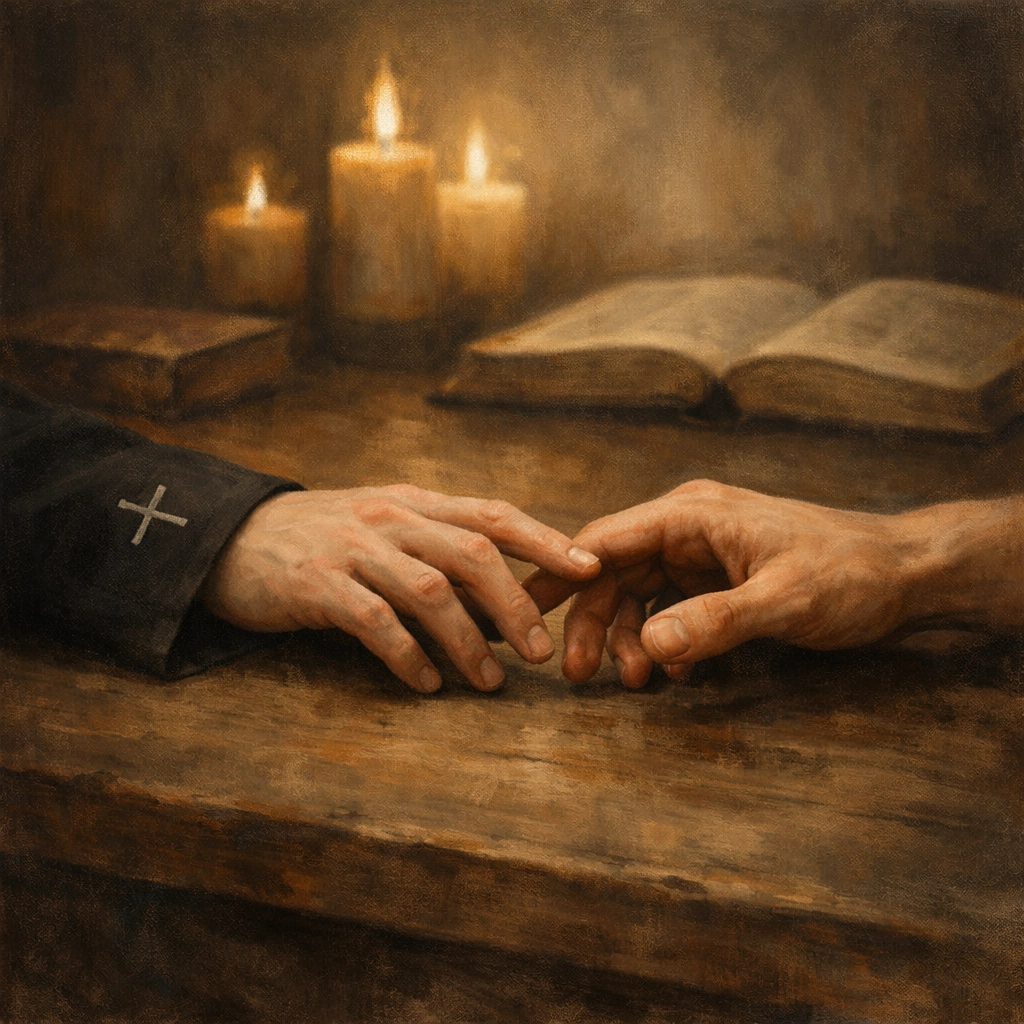
The irony wasn't lost on those within the system. Seminary dormitories buzzed with unspoken understanding. Friendships deepened into something more profound, though never openly acknowledged. Love letters were written in code, using the language of spiritual devotion to mask earthly desire. In cities like Rome, Florence, and Madrid, certain churches became known: quietly, carefully: as places where gay clergy could find community.
This wasn't a small phenomenon. Estimates vary, but historians and Vatican insiders have suggested that by the 1960s, somewhere between 20-40% of priests may have been gay or bisexual. The church had built itself on the foundation of men it simultaneously embraced and condemned.
The Directive That Changed Everything
The 1961 directive didn't arrive with fanfare. There were no press releases, no official announcements. Instead, it moved through the Vatican bureaucracy like a virus: quiet, insidious, and devastating. Bishops received instructions. Seminaries tightened their screening processes. And priests already ordained found themselves under sudden, intense scrutiny.
The criteria were vague enough to be weaponized. "Moral unsuitability" became code for suspected homosexuality. "Inappropriate friendships" meant any bond that seemed too close. Even the way a priest spoke, dressed, or decorated his quarters could become evidence against him.
What made the purge particularly cruel was its reliance on paranoia and betrayal. Priests were encouraged to report on each other. Anonymous letters flooded diocesan offices, some genuine concerns, many settling old scores. The Vatican had created an environment where suspicion flourished and trust died.
Men who had served faithfully for decades found themselves summoned to meetings with superiors. The conversations were clinical, humiliating. Some were given the option to "voluntarily" leave the priesthood. Others were simply reassigned to remote parishes, their careers effectively ended. A few were defrocked entirely, cast out from the only life they'd known.
The Cost of Silence
For those who remained, the directive created a new reality. Fear became the daily currency. Gay priests learned to police themselves with brutal efficiency: watching their words, their gestures, their friendships. Some married their housekeepers to deflect suspicion. Others developed elaborate double lives, meeting partners in distant cities where they wouldn't be recognized.
The psychological toll was immense. Depression, anxiety, and substance abuse rates among clergy climbed. Some priests left quietly, unable to reconcile their identity with the institution's demands. Others stayed and suffered in silence, convinced their vocation required the sacrifice of their authentic selves.
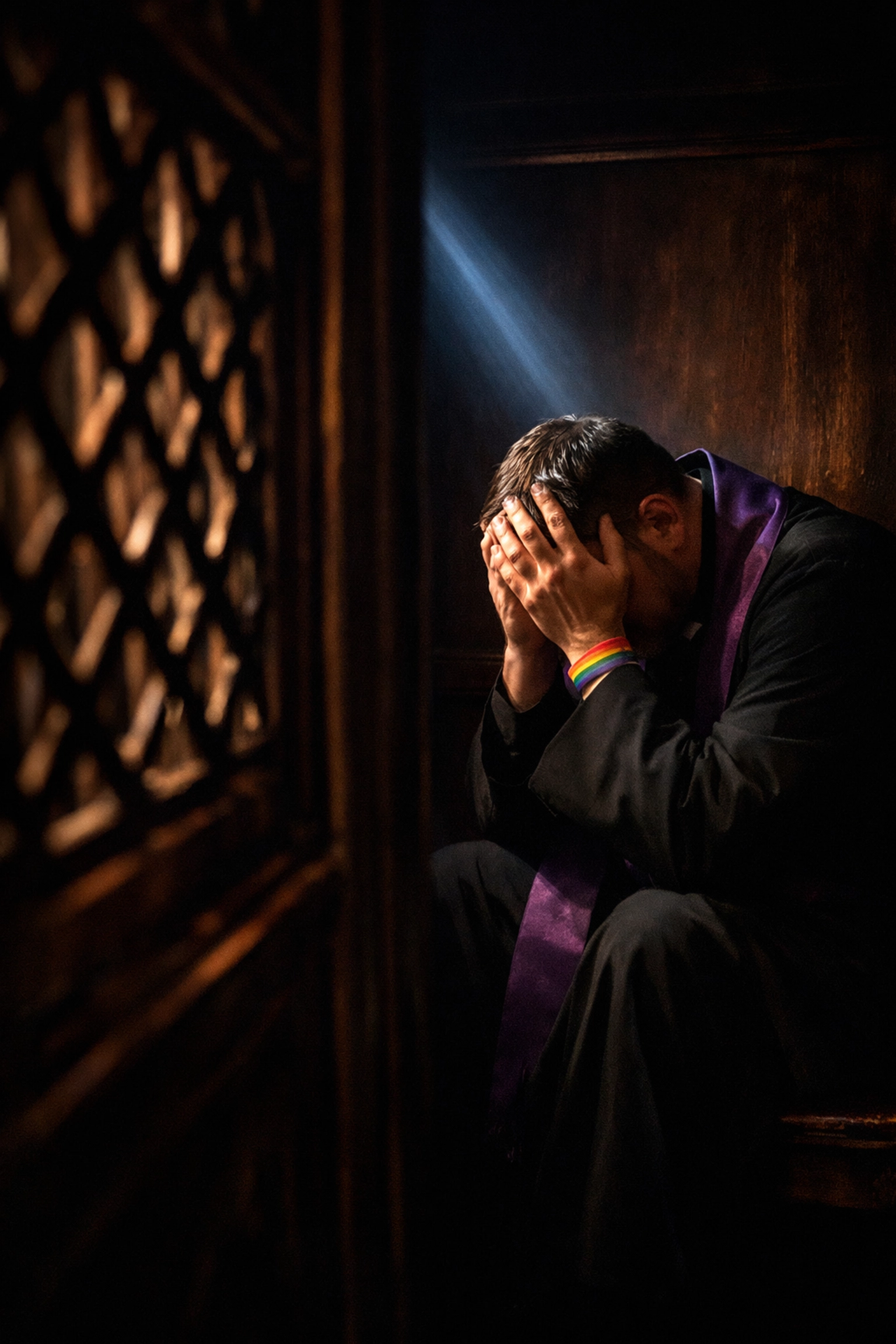
But silence has never been the friend of truth. While the Vatican waged its war on "secret lives," those secrets persisted. They had to. Being gay wasn't a choice that could be prayed away or legislated out of existence. The men the church targeted were still gay after the directive. They were just more afraid.
The Vatican's Worst-Kept Secret
Here's what the 1961 purge revealed: the Vatican knew. They had always known. The existence of gay clergy wasn't a surprise that suddenly needed addressing: it was a reality the institution had tolerated, even benefited from, for centuries. The directive was less about discovery and more about control.
Because as long as gay priests remained closeted, they were compliant. Fear kept them in line. The threat of exposure became a tool of institutional power. A priest who might question church doctrine, who might advocate for reform, could be neutralized with a simple whisper campaign about his "tendencies."
The purge also exposed the church's fundamental hypocrisy. While condemning homosexuality from the pulpit, it had built itself on the backs of gay men. They were its artists, its scholars, its administrators. They composed its music, designed its vestments, and preserved its manuscripts. The church needed them, even as it sought to destroy them.
Legacy of the Purge
The 1961 directive didn't end the presence of gay men in the priesthood: that would have been impossible. What it did was drive them deeper underground. It institutionalized shame and made paranoia a virtue. It taught a generation of clergy that survival meant lying, not just to the world, but to themselves.
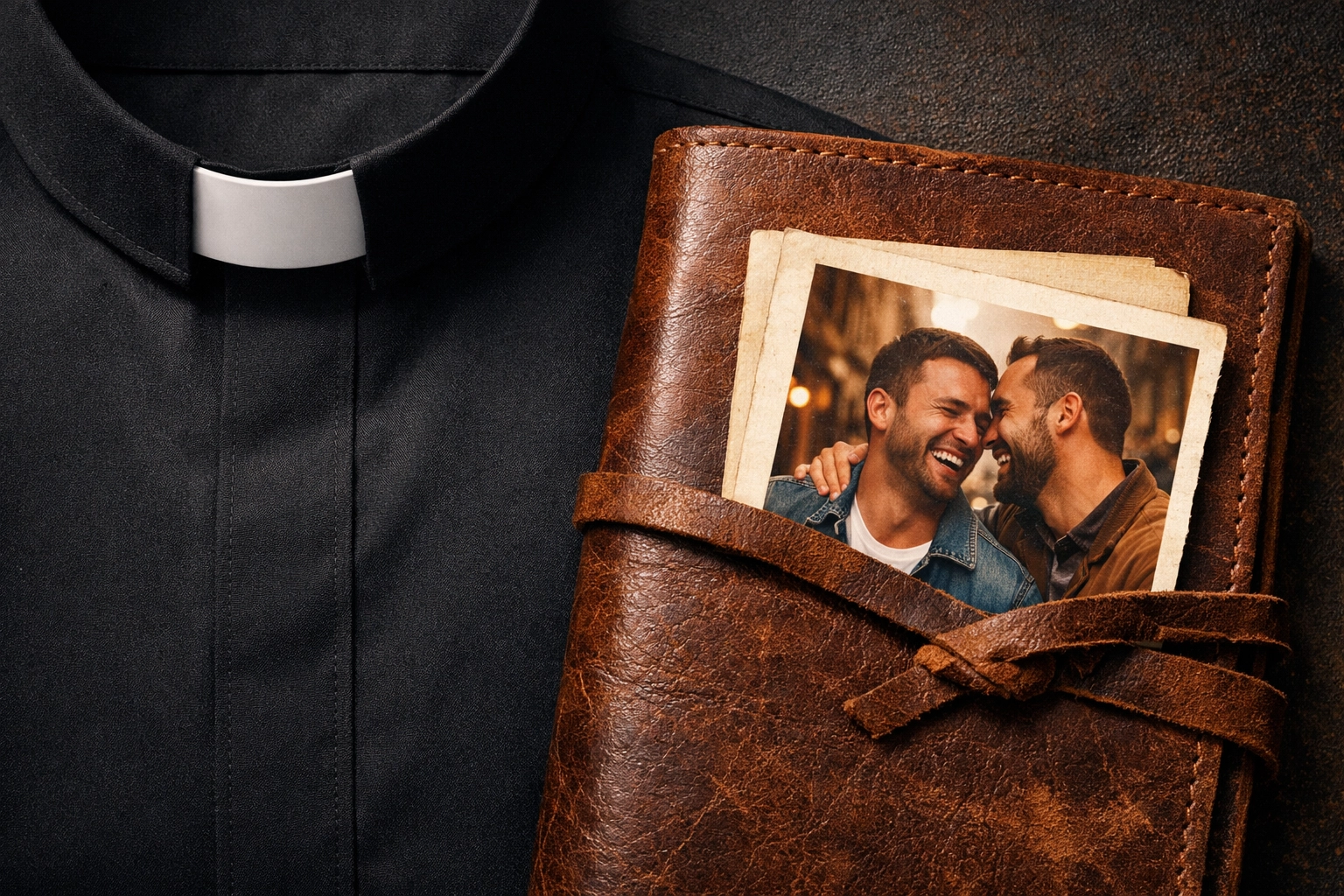
Decades later, we're still living with the consequences. The Catholic Church continues to grapple with questions of sexuality and identity, issuing new directives, walking back old ones, and generally tying itself in knots trying to reconcile its doctrine with reality. Recent popes have attempted more inclusive language, but the fundamental contradiction remains: How can an institution condemn homosexuality while relying on gay men to sustain it?
For the priests caught in the 1961 purge, there would be no apologies, no acknowledgment of the harm done. Many carried their secrets to the grave, taking with them stories of love and loss that will never be fully told. Their lives became cautionary tales whispered among younger clergy: Be careful. Trust no one. Hide yourself so well that even you forget who you are.
Finding Pride in the Ruins
But here's what the Vatican couldn't purge: resilience. Despite everything, gay priests have continued to serve, to find community, to live and love. They've created networks of support, underground and online. They've counseled LGBTQ+ youth with compassion born from their own struggles. They've quietly pushed for change from within, even when the cost was high.
The story of the 1961 purge isn't just about institutional cruelty: it's about survival. It's about men who refused to let the church's fear define them, who found ways to be both faithful and true to themselves. Their courage, exercised in secret for so long, is finally being recognized.
Today, as society evolves and acceptance grows, some priests are cautiously coming out. They're writing memoirs, giving interviews, and reclaiming their stories. The Vatican may never officially acknowledge what it did in 1961 and the decades that followed, but the truth is emerging anyway.
Because that's the thing about secret lives: eventually, someone opens the door and lets the light in. The 1961 purge tried to enforce darkness, but it couldn't stop the dawn.
At Read with Pride, we believe every story deserves to be told, especially those that have been suppressed for too long. Explore our collection of LGBTQ+ books and MM romance novels that celebrate authentic lives and diverse experiences.
Connect with our community:
- Facebook: Read with Pride
- Instagram: @read.withpride
- Twitter: @Read_With_Pride
#ReadWithPride #LGBTQHistory #GayHistory #QueerFiction #MMRomance #GayRomanceBooks #LGBTQLiterature #QueerStories #GayBooks #HistoricalLGBTQ #VaticanHistory #HiddenHistory #LGBTQCommunity #GayRomance #AuthenticStories #2026Books

Leave a Reply
You must be logged in to post a comment.