

readwithpride.com
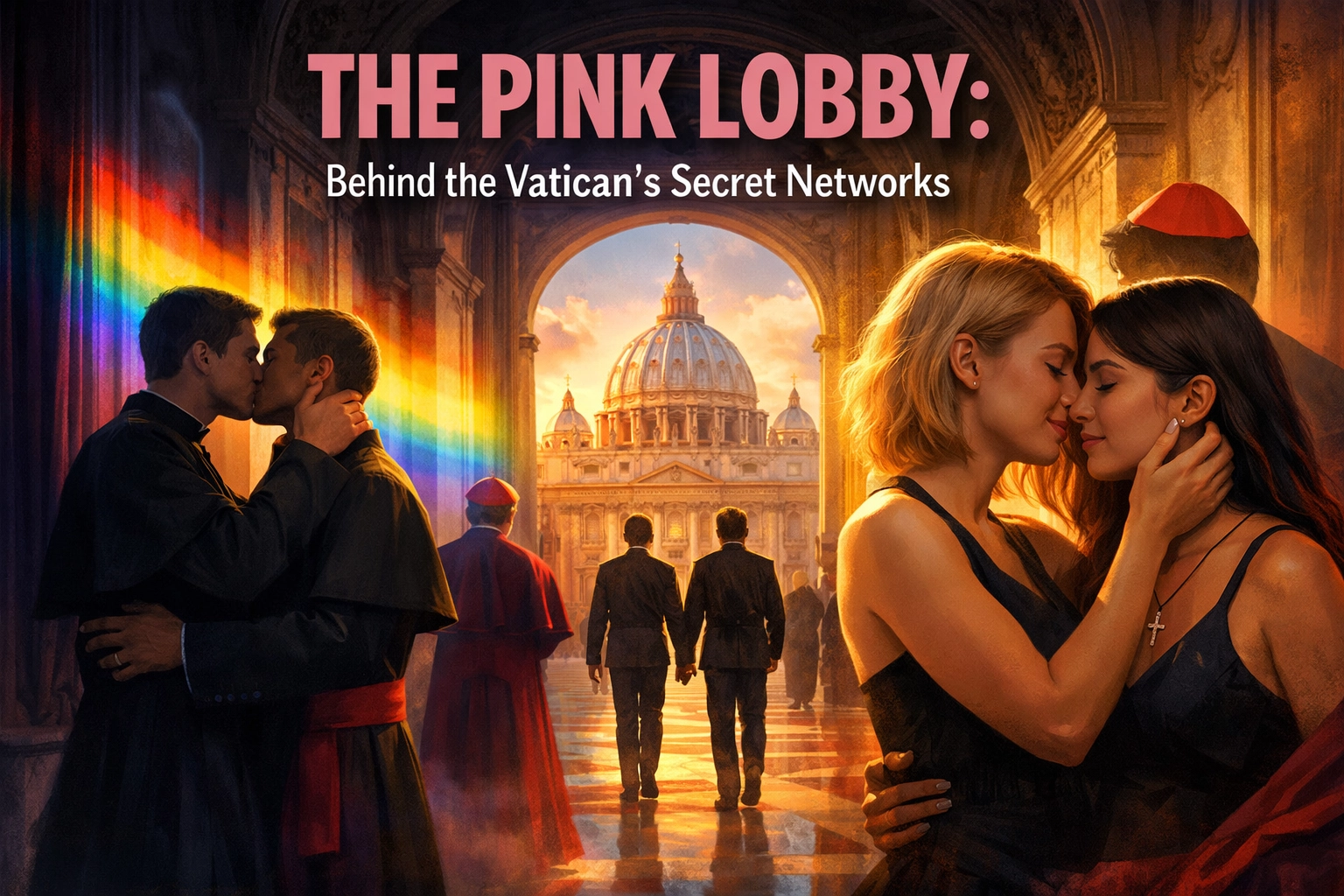
The Vatican has always been a place of whispers. Stone corridors, candlelit chapels, and centuries of secrets kept behind ornate doors. But among the most persistent whispers throughout the 20th century was talk of something the Italian press dubbed "la lobby gay" or the "Pink Lobby": an alleged network of gay clergy operating within the highest echelons of the Catholic Church.
It sounds like something out of a spy thriller or a scandal-drenched MM romance novel, but the truth is far more complex and profoundly human. Behind the rumors and revelations are real people navigating an impossible tension: serving a church that condemns their very identity while living authentically within its walls.
The Vatican's Worst-Kept Secret
For centuries, the Catholic Church has maintained strict doctrines on sexuality, condemning homosexual acts as "intrinsically disordered." Yet anyone who's paid attention to church history knows there's always been a significant gay presence within the priesthood. Some estimates suggest that anywhere from 30-50% of Catholic priests might be gay, though exact numbers are impossible to verify given the culture of secrecy.
The term "Pink Lobby" gained particular traction in the late 20th and early 21st centuries, referring not just to gay priests in general, but to an organized network of gay clergy who allegedly protected one another, influenced Vatican politics, and sometimes used their positions to arrange clandestine meetings and relationships. Italian journalists and Vatican insiders began documenting patterns of behavior, coded language, and networks of protection that suggested something more organized than individual priests quietly living double lives.
The 1960s Through the 1980s: A Culture of Silence
The post-Vatican II era brought sweeping changes to the Catholic Church, but it did little to address the contradiction at its heart. As the gay liberation movement exploded outside the Vatican walls, inside them, gay clergy continued navigating a world of cognitive dissonance. They preached the church's teachings by day while seeking connection and intimacy in the shadows.
Rome became known for its underground gay scene that included priests, seminarians, and even higher-ranking church officials. Certain bars, bathhouses, and gathering spots near the Vatican became open secrets. Former priests and Vatican insiders would later describe elaborate systems of discretion: coded conversations, trusted intermediaries, and unspoken rules about where one could be seen and with whom.
The hypocrisy was staggering. Men who publicly condemned homosexuality would seek out gay saunas after evening prayers. Cardinals who voted on restrictive policies about sexuality maintained long-term relationships with male partners. The disconnect between doctrine and reality created a toxic culture of secrecy, shame, and sometimes blackmail.
The Great Scandals Begin to Surface
By the 1990s and into the 2000s, the silence started cracking. Investigative journalists began publishing exposés that named names and detailed networks. In 2010, an Italian news crew recorded priests and seminarians visiting gay clubs and saunas in Rome, causing an international scandal. The footage was grainy, the figures sometimes obscured, but the message was clear: the Vatican had a significant gay presence that it refused to acknowledge.
One of the most explosive revelations came in 2013 when Pope Benedict XVI resigned: the first pope to do so in nearly 600 years. Reports soon emerged suggesting that he'd been presented with a dossier detailing corruption and secret networks within the Vatican, including allegations of a "gay lobby" that could potentially be vulnerable to blackmail. While the Vatican denied these specific claims, the fact that such reports existed and were taken seriously spoke volumes.
The Human Cost of Secrecy
Beyond the political intrigue and scandal, it's crucial to remember that we're talking about real people. Gay men who felt called to serve their faith but were forced to hide their authentic selves. Some maintained long-term, committed relationships while publicly pretending to be celibate. Others engaged in risky encounters driven by loneliness and the impossibility of finding connection within approved channels.
The psychological toll of this double life was immense. Depression, anxiety, substance abuse, and self-loathing plagued many gay clergy members. Some channeled their internal conflict into genuine pastoral work, becoming surprisingly progressive voices on LGBTQ+ issues despite the church's stance. Others internalized their shame so deeply that they became the most vicious persecutors of gay rights, projecting their self-hatred outward.
The tragedy is that many of these men genuinely loved the church and their vocation. They weren't necessarily hypocrites by choice: they were trapped in an impossible system that demanded they deny a fundamental part of themselves to serve God.
The Francis Era and Ongoing Questions
When Pope Francis took over in 2013, many hoped for significant change. His famous "Who am I to judge?" comment regarding gay priests seemed to signal a new openness. But progress has been frustratingly slow. While Francis has softened some rhetoric, the church's fundamental positions on homosexuality remain unchanged.
Reports of the "Pink Lobby" haven't disappeared either. In 2019, a book by Italian journalist Frédéric Martel called "In the Closet of the Vatican" claimed to document a vast gay subculture within the Vatican, estimating that 80% of clergy working there are gay. The book caused another media firestorm, though the Vatican dismissed it as sensationalist.
What This Means for LGBTQ+ Catholics Today
The story of the Pink Lobby matters because it highlights the devastating impact of institutional homophobia. When an organization condemns homosexuality while simultaneously housing large numbers of gay people within its ranks, it creates a toxic culture of secrecy, shame, and hypocrisy that hurts everyone.
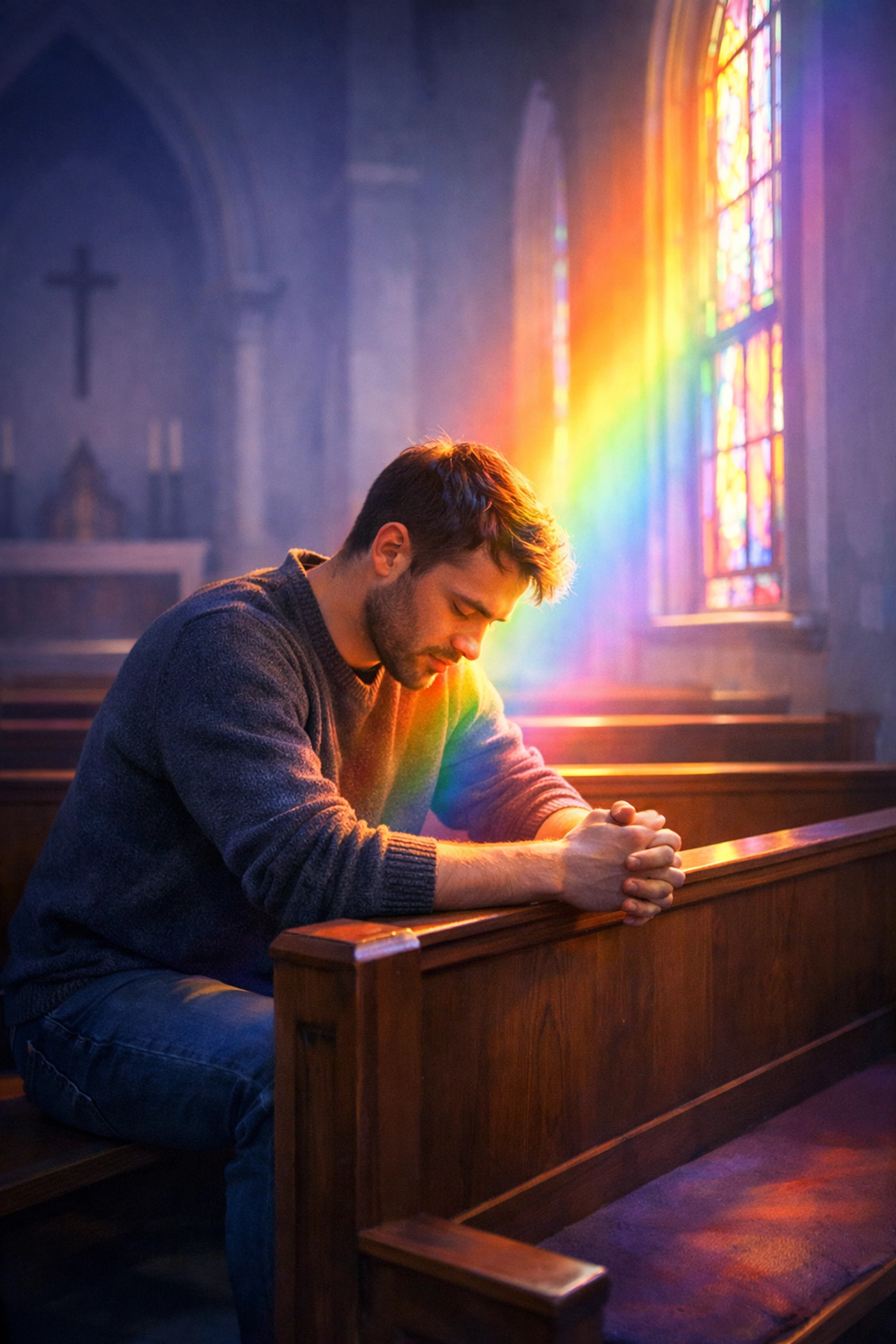
For LGBTQ+ Catholics and former Catholics, these revelations can be both validating and infuriating. They confirm what many suspected: that the church's harsh doctrines on homosexuality come from an institution that doesn't practice what it preaches. But they also represent real human suffering, generations of gay men forced to choose between their faith and their identity, or to live in painful secrecy.
Moving Forward
The conversation around gay clergy and the Vatican continues to evolve. Some argue for allowing priests to marry and be openly gay, pointing out that Orthodox and Protestant traditions manage this successfully. Others call for the church to finally reckon with its own hypocrisy and revise its teachings on sexuality entirely.
What's clear is that secrecy and denial haven't served anyone well. The "Pink Lobby," whether it existed as an organized network or simply as clusters of gay men supporting each other in impossible circumstances, emerged because the church created conditions where honesty was impossible.
For those of us reading gay romance books and MM fiction that celebrate authentic queer love and identity, the Vatican's struggles serve as a stark reminder of why representation and honesty matter. The real-life stories of gay clergy navigating impossible circumstances might not have the happy endings we find in our favorite MM romance novels, but they're part of our community's history: complex, messy, and deeply human.
The whispers in those ancient corridors continue. But increasingly, they're being met with demands for transparency, authenticity, and justice: for the gay clergy who served in silence, for the LGBTQ+ Catholics who were taught to hate themselves, and for everyone harmed by an institution that refused to acknowledge its own truth.
Discover more stories about LGBTQ+ history, culture, and the power of living authentically at readwithpride.com. Follow us on Facebook, X/Twitter, and Instagram for daily doses of queer content and community.
#ReadWithPride #LGBTQHistory #VaticanSecrets #QueerHistory #GayClergy #PinkLobby #CatholicChurch #LGBTQBooks #GayRomance #MMRomance #QueerFiction #AuthenticLiving #LGBTQCommunity #ChurchHistory #ComingOut #LGBTQRights #GayLiterature #PrideReading #QueerStories

Leave a Reply
You must be logged in to post a comment.