

readwithpride.com
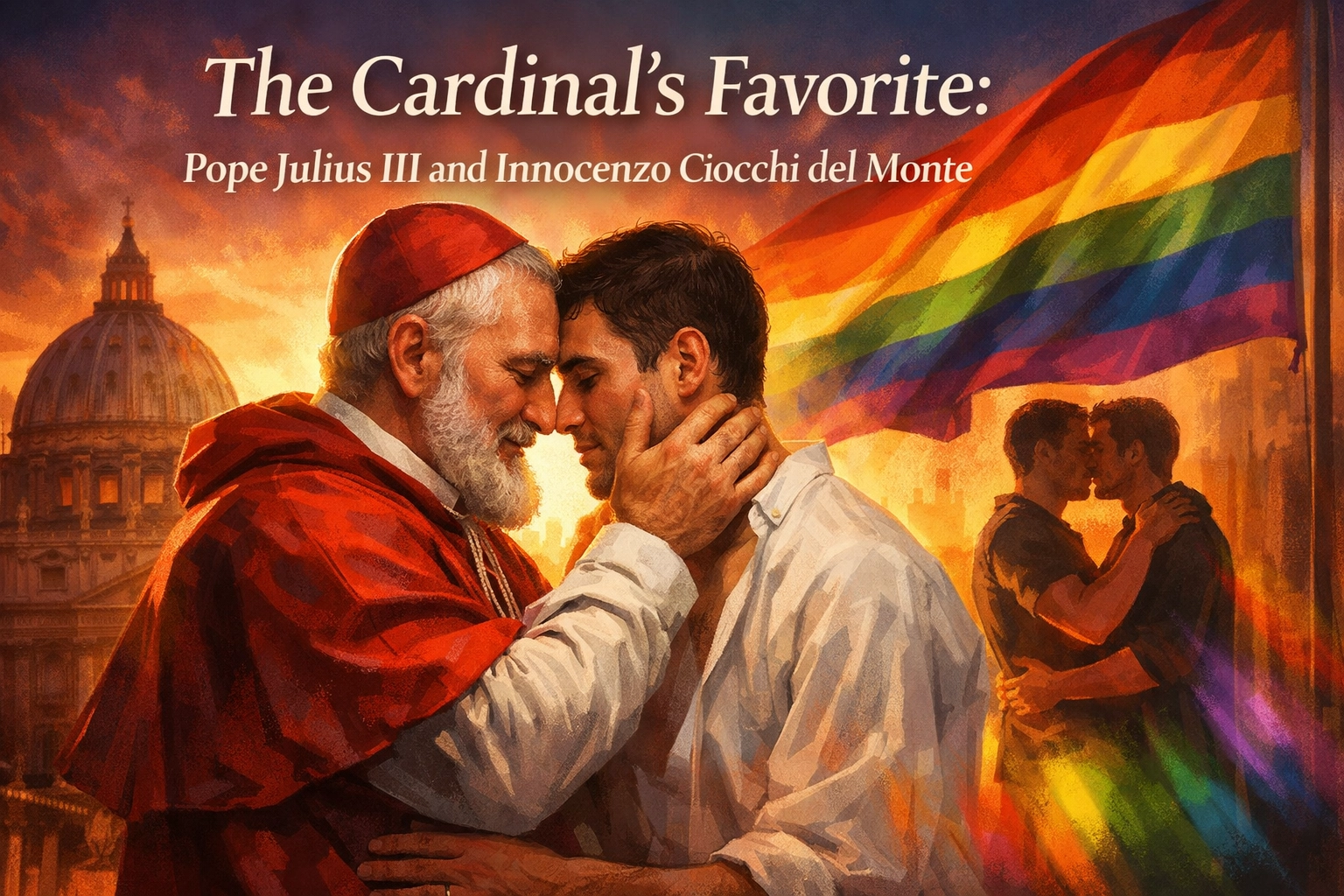
If you think modern scandals are wild, buckle up for one of the most jaw-dropping stories from Vatican history. We're talking about Pope Julius III, a 16th-century pontiff who decided that the best use of his papal power was to make his teenage companion a Cardinal. Yes, you read that right. A Cardinal. The international fallout was… well, exactly what you'd expect.
This isn't just another tale of hypocrisy behind gilded doors, it's a glimpse into how queer relationships have always existed, even in the most unlikely (and heavily closeted) places. Let's dive into the scandal that rocked Renaissance Rome and left historians clutching their pearls for centuries.
The Pope Who Lived for Pleasure
Pope Julius III, born Giovanni Maria Ciocchi del Monte, ascended to the papal throne in 1550. From the start, his pontificate was less about spiritual leadership and more about… well, having a good time. While the Catholic Church was supposedly gearing up for reform (the Council of Trent was happening, after all), Julius had other priorities. Lavish banquets, artistic patronage, and a decidedly un-celibate lifestyle topped his list.
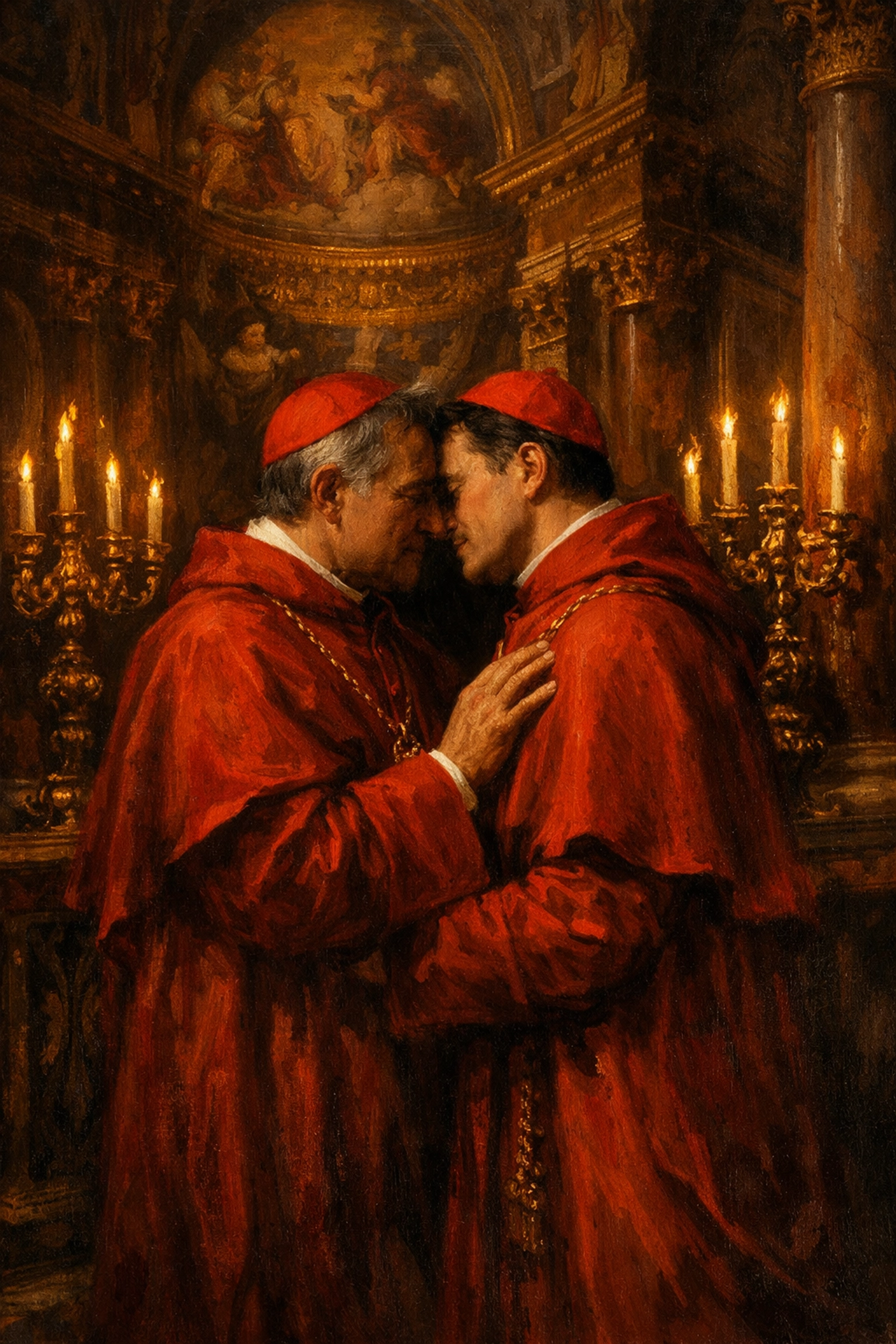
Unlike some popes who at least tried to hide their indiscretions, Julius seemed almost brazen in his disregard for propriety. He transformed the Villa Giulia in Rome into his personal pleasure palace, complete with gardens, fountains, and enough Renaissance art to make the Medici jealous. But the most controversial aspect of his personal life wasn't his love of luxury, it was his relationship with a young man named Innocenzo.
Enter Innocenzo: The Teenage Favorite
Here's where things get messy. Innocenzo Ciocchi del Monte first caught Julius's attention when the future pope was still a cardinal. The circumstances of their meeting vary depending on which historical account you read, but most agree that Innocenzo was around 15 years old at the time, a street kid from Parma who somehow found his way into Cardinal del Monte's household.
Julius became so attached to the boy that he formally adopted him, giving him his family name. In Renaissance Italy, adoption wasn't uncommon among the nobility, especially for securing lineages or cementing alliances. But this? This was different. Everyone could see it was different.
When Julius became pope in 1550, one of his first acts was to make Innocenzo, still a teenager and with zero theological training, a Cardinal. Let that sink in. A Cardinal. One of the most powerful positions in the Catholic Church, handed to someone barely old enough to grow facial hair.
The Scandal That Shook Europe
The reaction was immediate and brutal. Diplomats wrote shocked dispatches to their home countries. Fellow Cardinals were appalled (publicly, at least, who knows what some of them were up to privately). Protestant reformers had a field day, using Julius's behavior as proof of Catholic corruption. Martin Luther and his crew were probably doing victory laps.
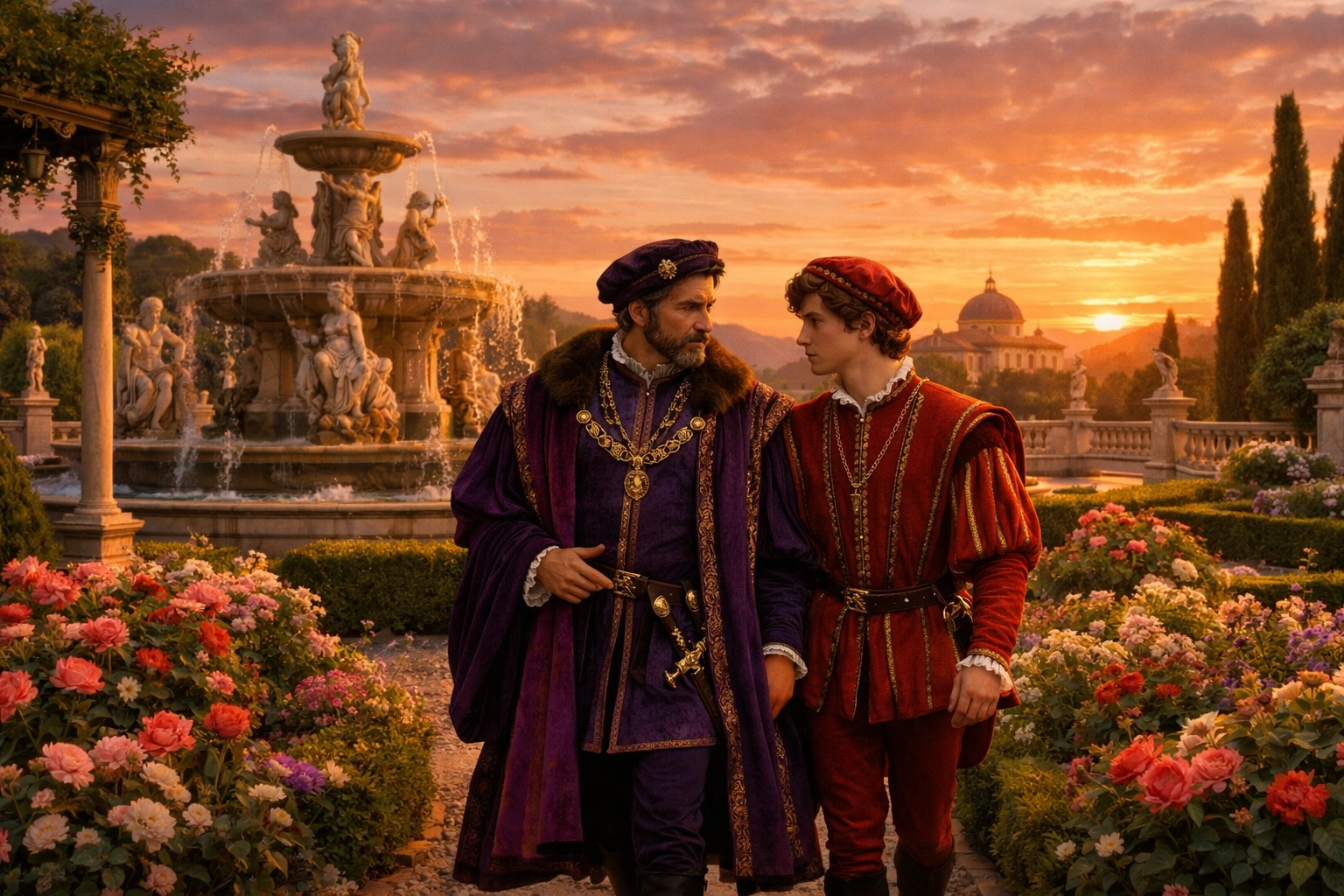
French ambassador Jean de Fraisse described the situation with barely concealed disgust, noting that the relationship between the pope and Innocenzo was "the talk of Rome." Venetian envoys sent similar reports home, documenting the scandal in careful diplomatic language that still managed to convey their horror.
What made it worse was that Innocenzo wasn't just some quiet companion kept in the background. He was everywhere Julius was, enjoying all the privileges of his position despite having done nothing to earn them. He attended papal functions, influenced decisions, and basically acted like he ran the place. Because, in many ways, he did.
The Catholic Church was already under fire from the Protestant Reformation. This was supposed to be a time of moral renewal, of getting back to spiritual basics, of proving that the Church deserved its position as Christianity's moral authority. Instead, here was the pope, flaunting a relationship that everyone knew was inappropriate, if not outright scandalous.
Behind Closed Doors at the Vatican
While we can't know every detail of Julius and Innocenzo's relationship (this was the 1550s, not the age of Instagram confessions), contemporary sources leave little doubt that this was more than just a charitable adoption. The intensity of Julius's favoritism, the speed with which he elevated Innocenzo, and the way courtiers described their interactions all point to a romantic and likely sexual relationship.
This wasn't uncommon in Renaissance Italy, where same-sex relationships were an open secret among the upper classes. Florence was famous (or infamous) for its culture of male-male relationships. The difference was that most people had the sense not to make their teenage lover a Cardinal.
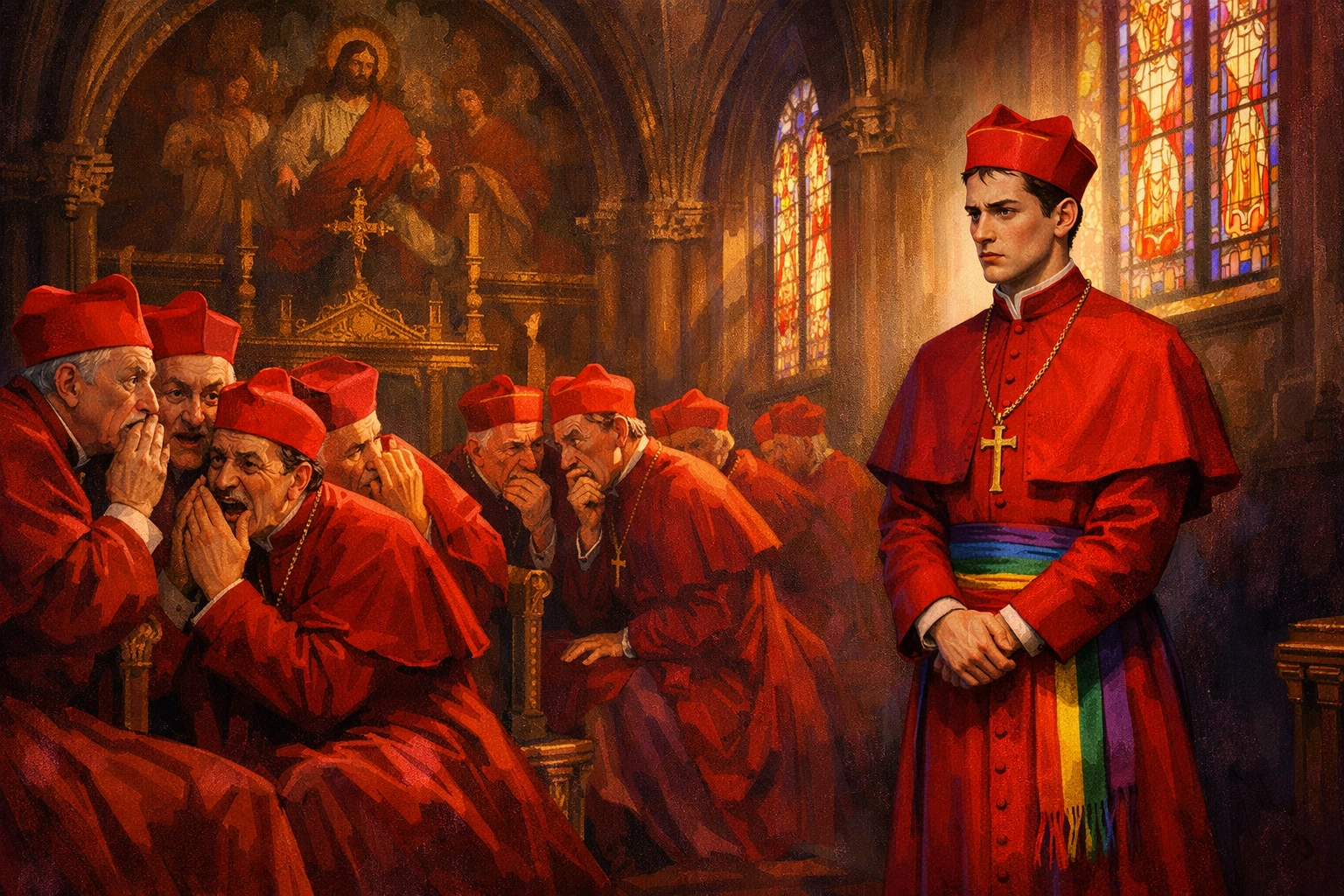
Julius's defenders, and yes, he had some, tried to frame the relationship as purely paternal. Just a generous pope helping out a disadvantaged youth, nothing to see here. But nobody was buying it. The evidence was too obvious, the favoritism too extreme, the age gap too uncomfortable.
The Fallout and Legacy
Julius III's pontificate lasted until 1555, and while he did accomplish some things (he supported the Jesuits, attempted to reconvene the Council of Trent, and commissioned some beautiful art), his legacy is forever tied to the Innocenzo scandal. It overshadowed everything else he did.
The damage to the Church's reputation was significant. At a time when Catholics needed to present a united, morally upright front against Protestant criticism, here was their leader doing exactly what the reformers accused the Church of, corruption, nepotism, and sexual impropriety. It was a PR disaster that would haunt the papacy for decades.
Innocenzo himself? He didn't handle his newfound power well. Multiple sources describe him as cruel, vindictive, and utterly unqualified for his position. He used his influence to settle scores and enrich himself, making the whole situation even more scandalous. When Julius died in 1555, Innocenzo's influence evaporated overnight. He was stripped of most of his power and spent the rest of his life as a largely forgotten figure.
What This Tells Us About Queer History
The story of Julius III and Innocenzo is complicated. On one hand, it's evidence that same-sex relationships existed at every level of society, even within the supposedly celibate priesthood. On the other hand, this wasn't exactly a healthy or appropriate relationship, we're talking about a powerful older man and a teenage boy, with all the problematic power dynamics that implies.
This is part of why queer history can be so frustrating to uncover. Yes, same-sex relationships have always existed. Yes, they happened in places we might not expect. But not all of these relationships were positive examples. Some were exploitative. Some were abusive. Some, like this one, involved minors and massive power imbalances.
What we can say is this: the Vatican has never been as straight as it pretended to be. For all the Church's condemnation of homosexuality over the centuries, its own history is full of popes, cardinals, and priests who were definitely not following their own rules. The hypocrisy is almost impressive in its scale.
The Church's Long Memory
The Catholic Church has a complicated relationship with this part of its history. Modern Catholic historians tend to downplay the sexual nature of Julius and Innocenzo's relationship, framing it as exaggerated Protestant propaganda or misunderstood patronage. But the contemporary sources: including Catholic ones: tell a different story.
This wasn't made up by enemies of the Church. This was documented by papal diplomats, Roman citizens, and Catholic officials who were horrified by what they were witnessing. The scandal was real, and it was exactly as bad as it looked.
Today, as we continue to uncover and discuss LGBTQ+ history, stories like this remind us that queer people have always existed, in every culture, in every institution, in every era. Sometimes they were celebrated. Sometimes they were condemned. Sometimes, like Julius III, they wielded tremendous power while living in a complicated closet of their own making.
The cardinal's favorite might have been one of history's most controversial relationships, but it was undeniably, authentically queer: for better or worse.
Discover more untold stories from LGBTQ+ history at Read with Pride. For the latest updates on gay romance, MM fiction, and queer literature, follow us on Instagram, Facebook, and X.
#ReadWithPride #LGBTQHistory #QueerHistory #VaticanSecrets #GayHistory #MMRomance #QueerFiction #LGBTQLiterature #GayBooks #HistoricalLGBTQ #CatholicChurch #RenaissanceHistory #PapalScandals #HiddenHistory #LGBTQCommunity #GayRomanceBooks #QueerAuthors #PrideReading

Leave a Reply
You must be logged in to post a comment.