

readwithpride.com
When we think about LGBTQ+ history, medieval saints probably aren't the first thing that comes to mind. But hidden in the archives of ecclesiastical correspondence lies some of the most passionate, intimate writing ever penned between men, and it's all perfectly preserved in the official records of the Catholic Church.
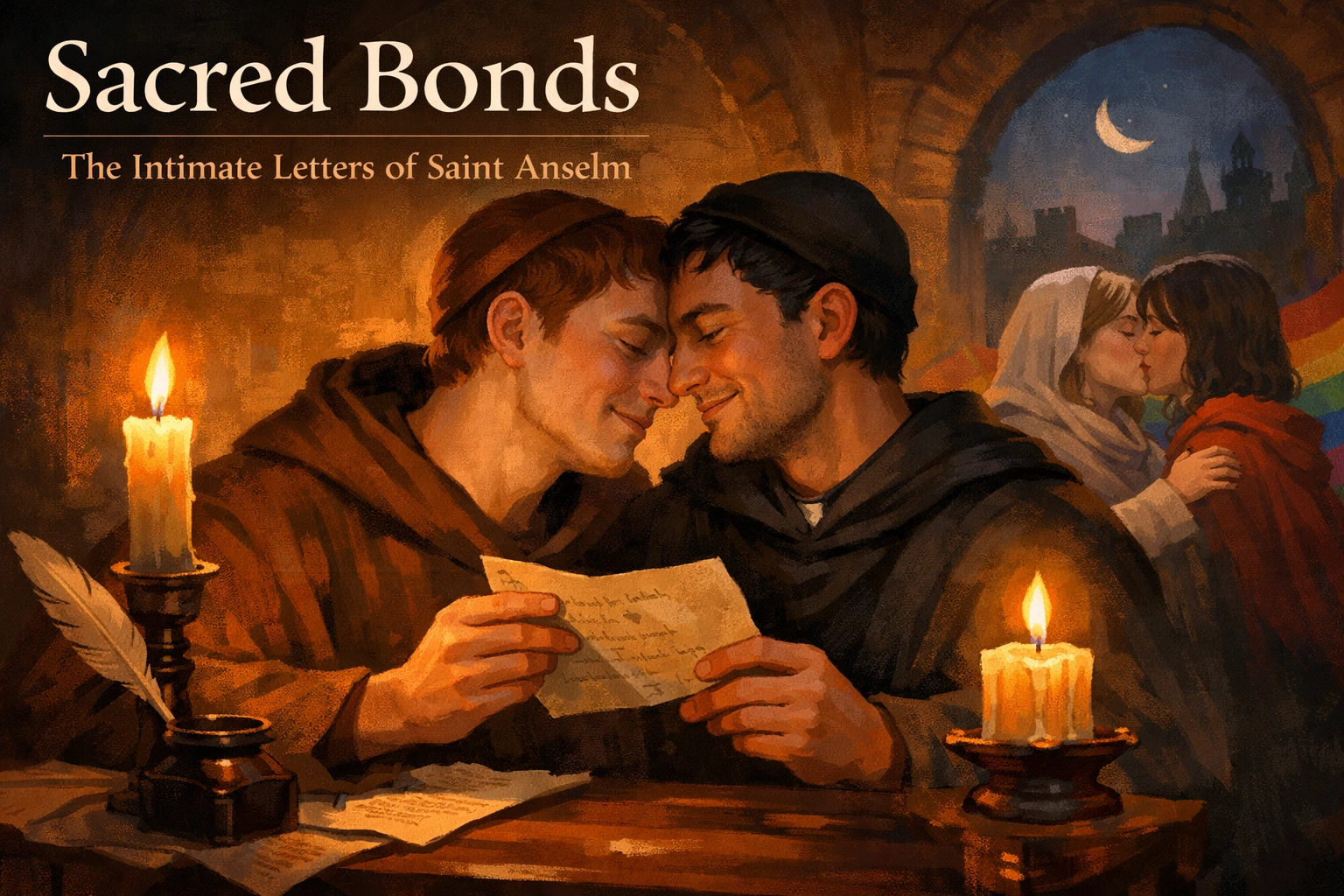
Meet Saint Anselm of Canterbury, an 11th-century Archbishop whose letters to his young monks read less like spiritual guidance and more like love letters that would make even the steamiest MM romance novels blush.
The Saint Who Wrote Like a Romance Author
Anselm of Canterbury died in 1109, leaving behind a legacy as one of medieval Christianity's greatest theologians. He's known for his philosophical proofs of God's existence and his role as Archbishop of Canterbury. But what the history books often gloss over are his letters, dozens upon dozens of them, written to young monks and pupils in language so achingly tender it makes you wonder what exactly was happening in those monastery cells.
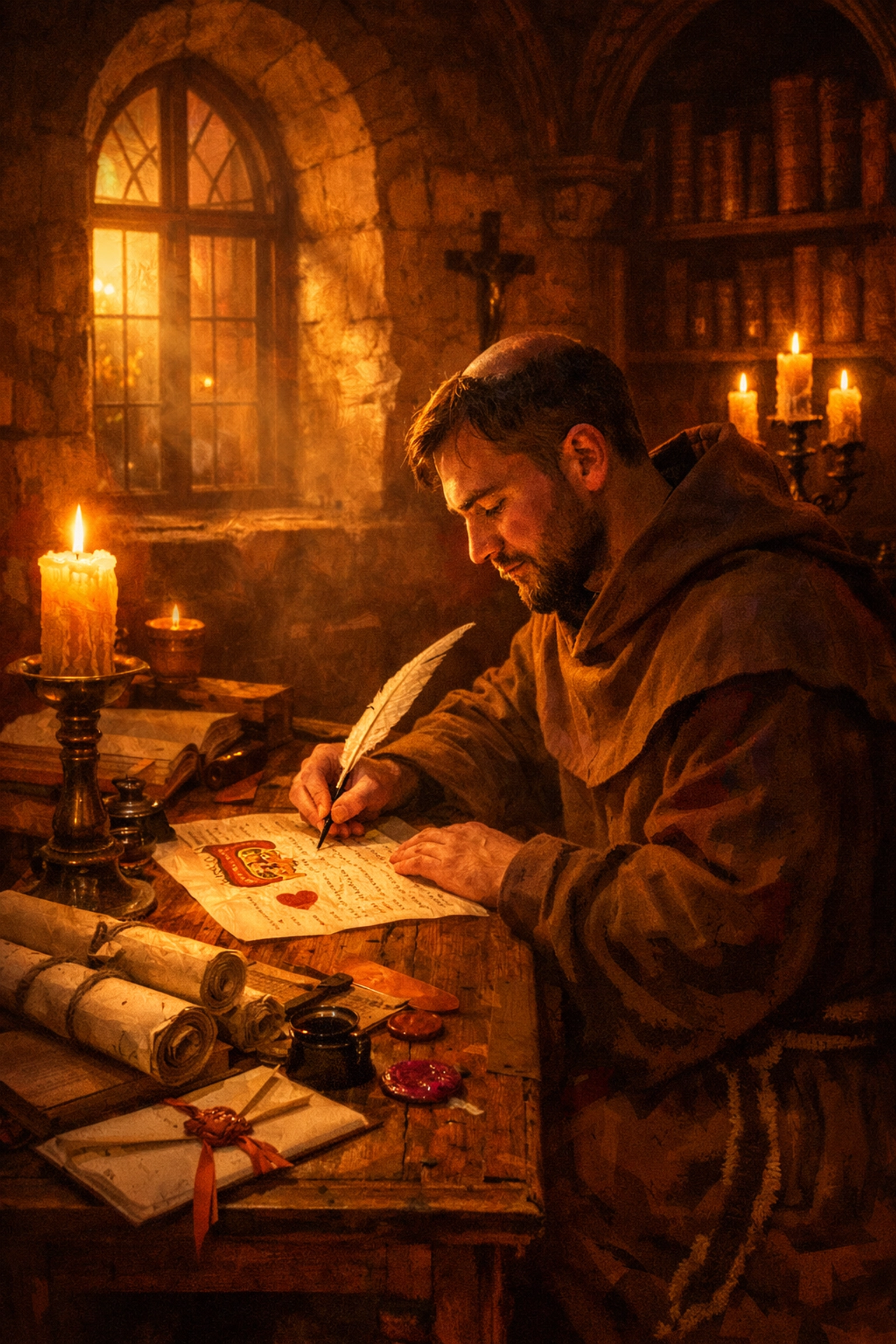
These weren't your standard "Dear Brother in Christ" formalities. Anselm poured his heart onto parchment with an intensity that's hard to dismiss as purely platonic. He wrote of longing, of sleepless nights thinking of his beloved, of souls so intertwined they could never truly be apart.
And here's the wildest part: nobody tried to hide these letters. They were copied, preserved, and passed down through centuries as examples of spiritual devotion. The Church essentially archived what might be some of history's most beautiful queer love letters without ever acknowledging what they were really reading.
"Impressed Upon My Heart as a Seal Upon Wax"
Let's talk about the actual words Anselm used, because they're absolutely breathtaking.
To one recipient, he wrote: "You are the soul most beloved of my soul." Not "brother in Christ." Not "fellow servant of God." But beloved of my soul, language that would be perfectly at home in any contemporary gay romance book.
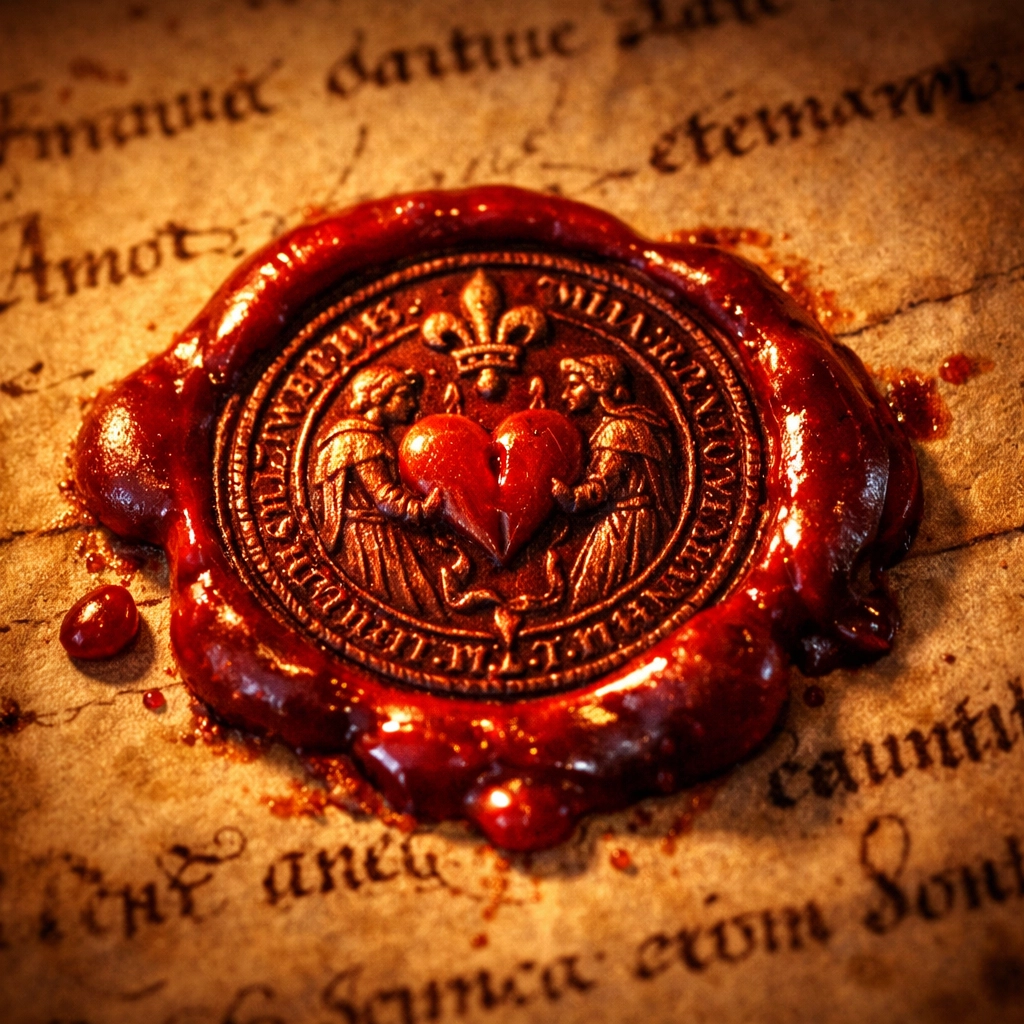
He told another correspondent that they were "impressed upon my heart as is a seal upon wax," explaining that he could never forget them. The metaphor is visceral, permanent, physical. A seal pressed into wax doesn't just leave a mark, it becomes part of the material itself, inseparable and defining.
In another letter, Anselm describes how his love "follows" the recipient wherever they go. He writes of an interconnection so profound that their "spirits can never bear to be absent from each other, but unceasingly are intertwined."
Read that again. Unceasingly intertwined.
This is the language of obsession, of deep romantic attachment, of two people whose lives and hearts have become fundamentally entangled. And Anselm wasn't hiding it, he was celebrating it, preserving it, making sure everyone knew exactly how he felt.
The Tension Between Spirit and Flesh
Here's where it gets complicated and fascinating. Anselm himself seemed aware that these relationships existed in a liminal space between spiritual devotion and romantic love. In his letters, he acknowledges this tension directly.
He writes that while their spirits are "unceasingly intertwined," they "mutually need nothing from each other, save that we are not together in bodily presence." It's a curious phrase, acknowledging the absence of physical intimacy while simultaneously highlighting that this absence causes suffering. They don't need each other's bodies, but oh, how they want to be together.

Anselm frames his affection through the lens of divine love. He tells one young monk that God has "filled my soul with love of thee" and that this love "compelleth mine" to care for the recipient's salvation. It's a spiritual justification for emotional intensity that might otherwise raise eyebrows: then or now.
Were these relationships celibate? Almost certainly. Medieval monastic vows were taken seriously, and there's no evidence Anselm broke them. But were they purely spiritual? That's a much harder question to answer.
A Window Into a Lost World
What makes Anselm's letters so extraordinary isn't just their passionate content: it's their timing. These correspondences emerged during what historians have called the "last flowering of homosexual love before fanatical anti-gay prejudice swept across Europe in the twelfth century."
When Anselm was writing these letters in the late 1000s and early 1100s, the medieval world hadn't yet developed the virulent homophobia that would define later centuries. Same-sex affection between men, particularly within religious contexts, could be expressed openly and celebrated as a form of spiritual elevation.
Within a generation or two of Anselm's death, that would change dramatically. The Church would begin aggressively prosecuting same-sex relationships, and the kind of passionate male intimacy Anselm documented would become dangerous, even deadly, to express.

His letters survive as a time capsule from a brief window when queer love: or something very much like it: could be written down, copied, and preserved without fear. They're proof that before the persecution, before the closets, before the shame, there were men who loved men and wrote about it beautifully.
What This Means for LGBTQ+ History
Reading Anselm's letters today, through a contemporary queer lens, feels like discovering hidden treasure. Here's a saint: an actual, canonized, pray-to-him-for-intercession saint: writing love letters to other men in language that would fit perfectly into any MM romance novel on Read with Pride.
Some historians argue these were purely spiritual relationships, that we're projecting modern concepts of sexuality onto medieval religious devotion. And sure, maybe. But at what point does the distinction stop mattering? When someone writes that you're "impressed upon their heart like a seal upon wax," when they describe your souls as "unceasingly intertwined," when they confess they think of you constantly: does it really matter whether they also desire you physically?
The line between spiritual and romantic love has always been blurry. Anselm's letters exist in that beautiful, complicated space where devotion, affection, longing, and love all blend together into something that transcends easy categorization.
For LGBTQ+ readers exploring gay historical romance and queer literature, these letters are remarkable. They show us that same-sex love has always existed, that it's been expressed beautifully and preserved even within institutions that would later persecute it, and that the human heart has always found ways to connect across barriers.
The Legacy of Sacred Love
Saint Anselm died over 900 years ago, but his words remain achingly relevant. In a world where LGBTQ+ people still fight for the right to love openly, where religious institutions continue to debate whether queer love is valid, where MM romance books and gay fiction still face censorship: Anselm's letters are a reminder that none of this is new.
We've always been here. We've always loved. And even when the world around us tried to erase or explain away that love, evidence survived.
Whether you read Anselm's letters as spiritual devotion, romantic love, or some beautiful combination of both, one thing is clear: these were relationships of profound intimacy, expressed through some of the most gorgeous love language ever written. They deserve to be read, celebrated, and understood as part of our shared queer history.
Because at the end of the day, love is love: whether expressed in a medieval monastery or celebrated in contemporary MM romance novels. And nobody expressed it quite like Saint Anselm of Canterbury.
Explore more LGBTQ+ stories and discover your next favorite read at Read with Pride.
Follow us: Facebook | Instagram | Twitter
#ReadWithPride #LGBTQHistory #GayHistory #MMRomance #QueerHistory #HistoricalLGBTQ #SaintAnselm #MedievalQueerHistory #GayLiterature #QueerFiction #LGBTQBooks #GayRomanceBooks #PrideReading #QueerStories #LGBTQCommunity #GayHistoricalRomance #LoveIsLove

Leave a Reply
You must be logged in to post a comment.