

readwithpride.com
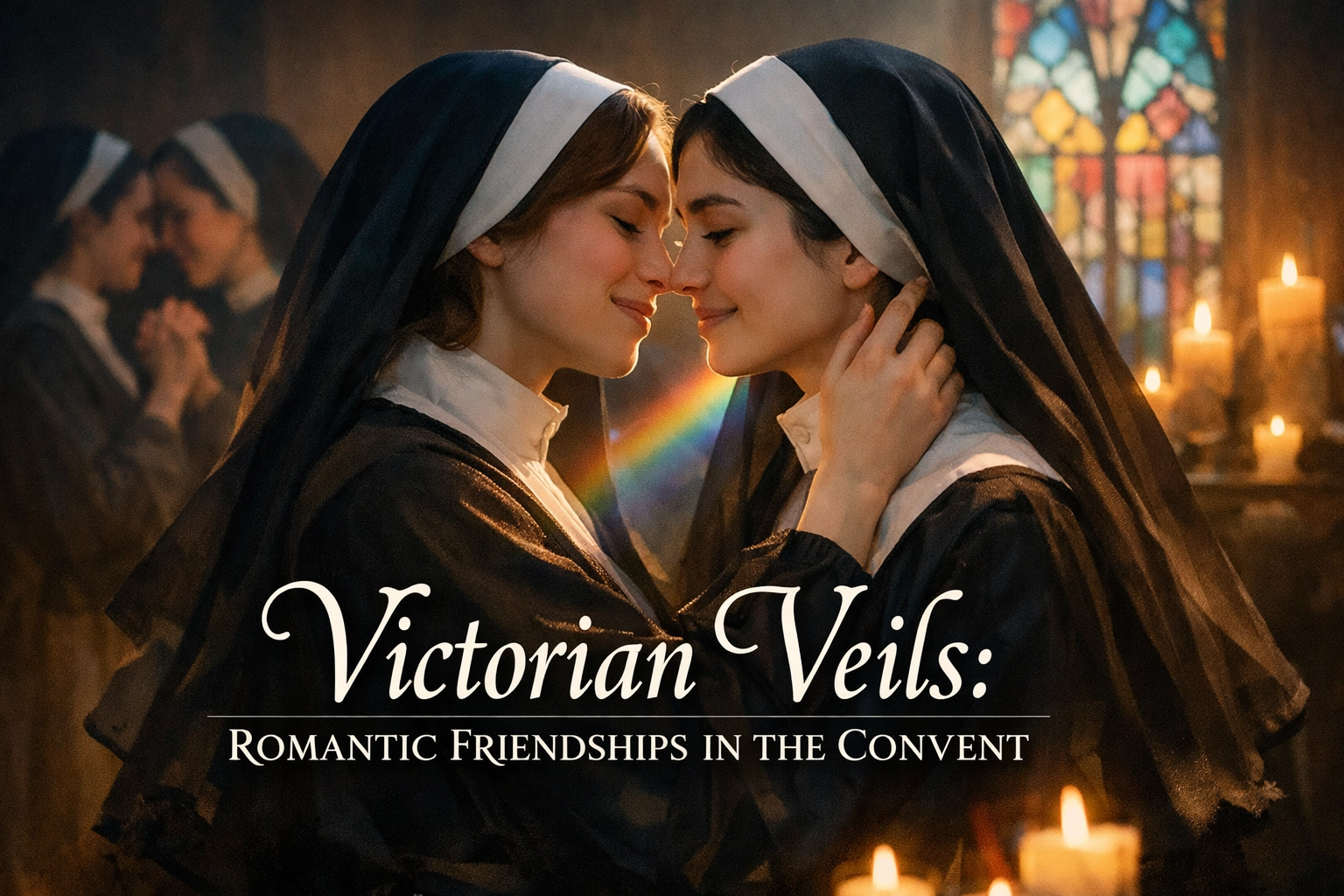
Behind the stone walls and stained glass windows of Victorian convents, something fascinating was happening. While society outside obsessed over propriety and scandal, nuns were forming deep, emotionally charged bonds that today we'd recognize as intensely romantic: yet at the time were simply called "particular friendships." These relationships existed in a fascinating gray area where passionate devotion between women was both celebrated and condemned, depending on who was looking.
The Language of Love Behind Sacred Walls
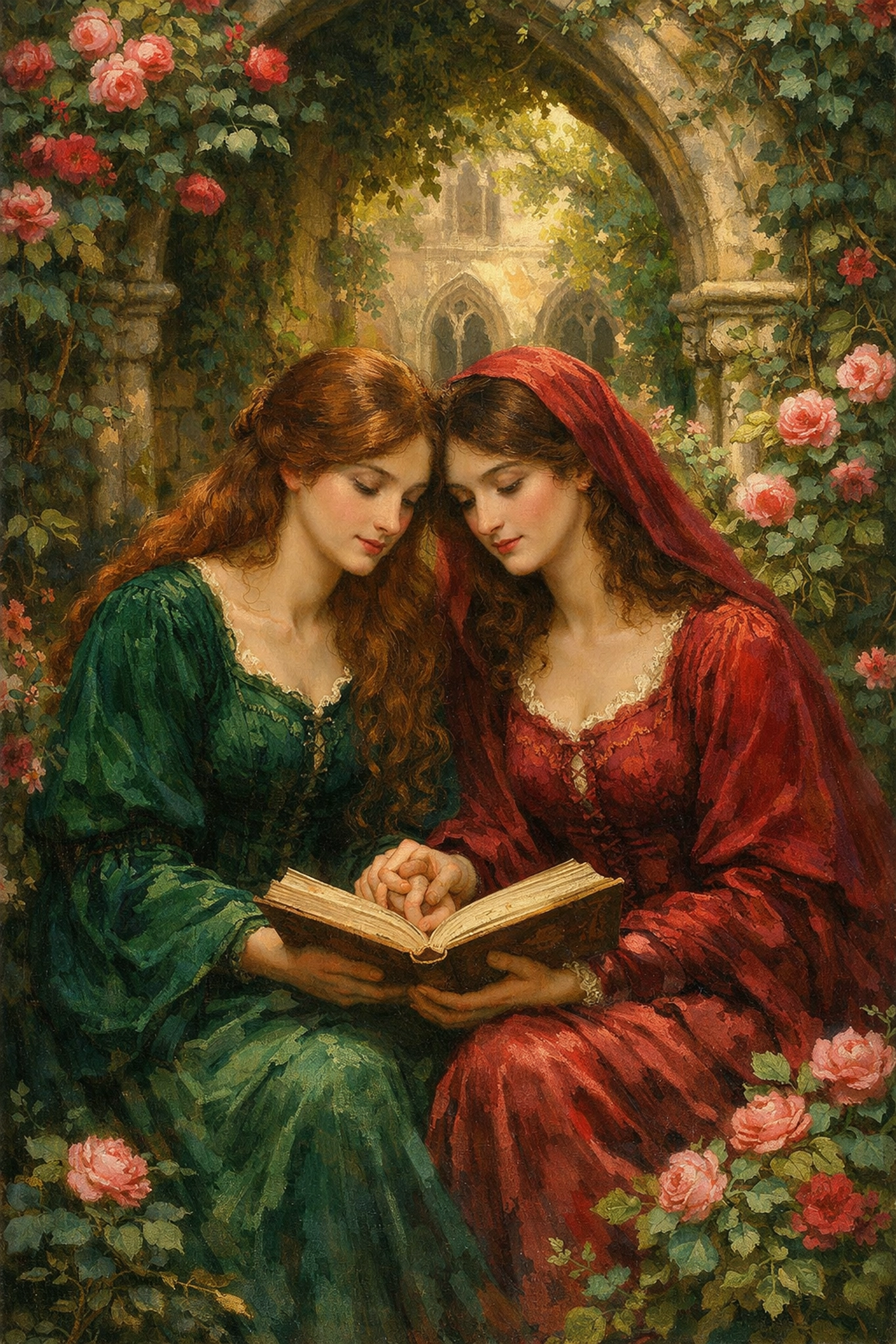
Victorian convents were peculiar spaces. They removed women from the heteronormative pressures of marriage and motherhood, creating communities where same-sex bonds could flourish without the constant surveillance of men. Within these cloistered walls, nuns wrote letters dripping with affection, shared beds, exchanged tokens of devotion, and spoke of their love in terms so passionate they'd make modern romance novels blush.
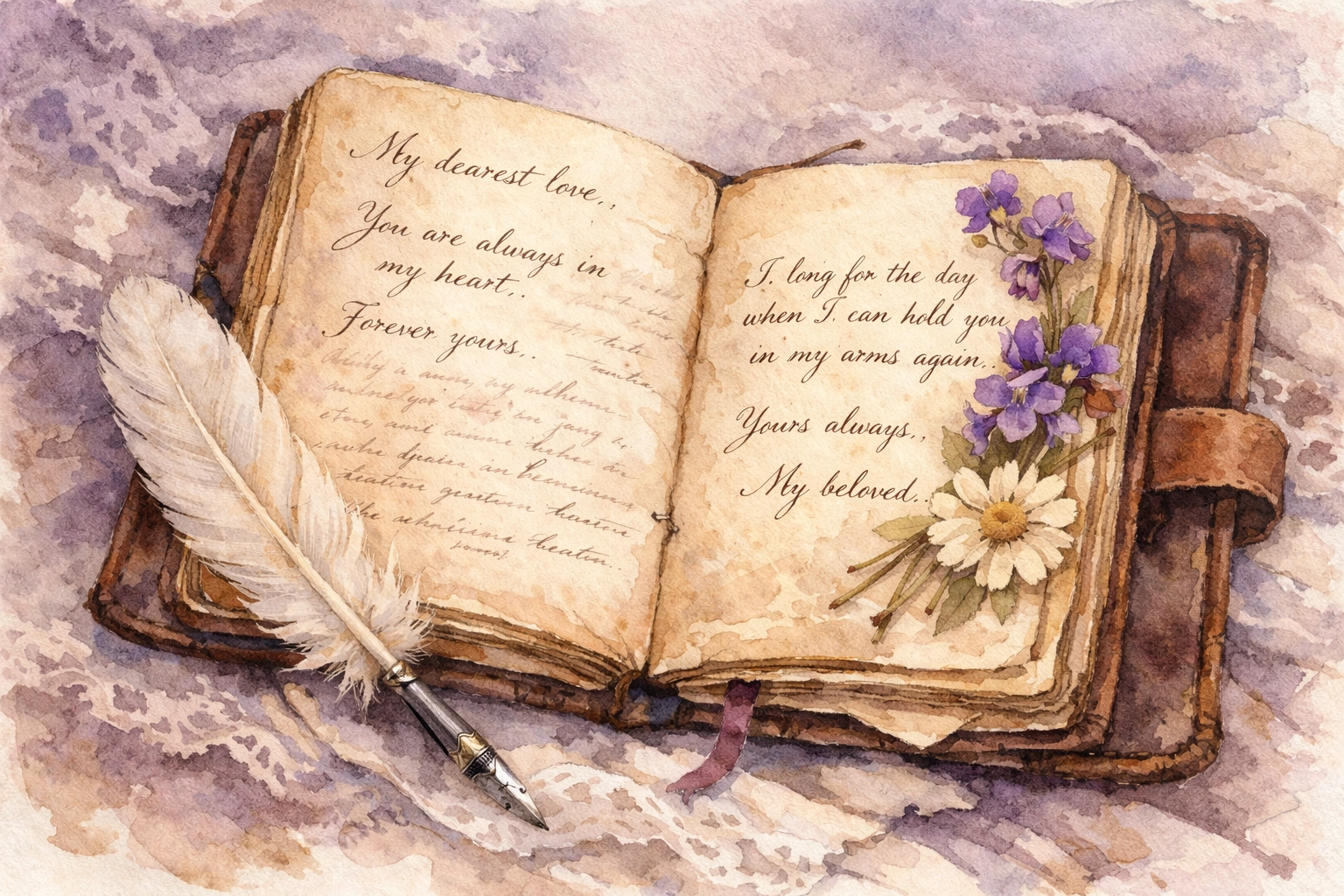
These weren't casual friendships. We're talking about relationships where nuns would weep for days when separated, write poetry comparing their beloved to divine beauty, and describe their connections in terms that mirrored medieval courtly love. One nun might call another her "dearest treasure" or "soul's companion." They'd sign letters with phrases like "I am forever yours" and describe physical longing in spiritual terms.
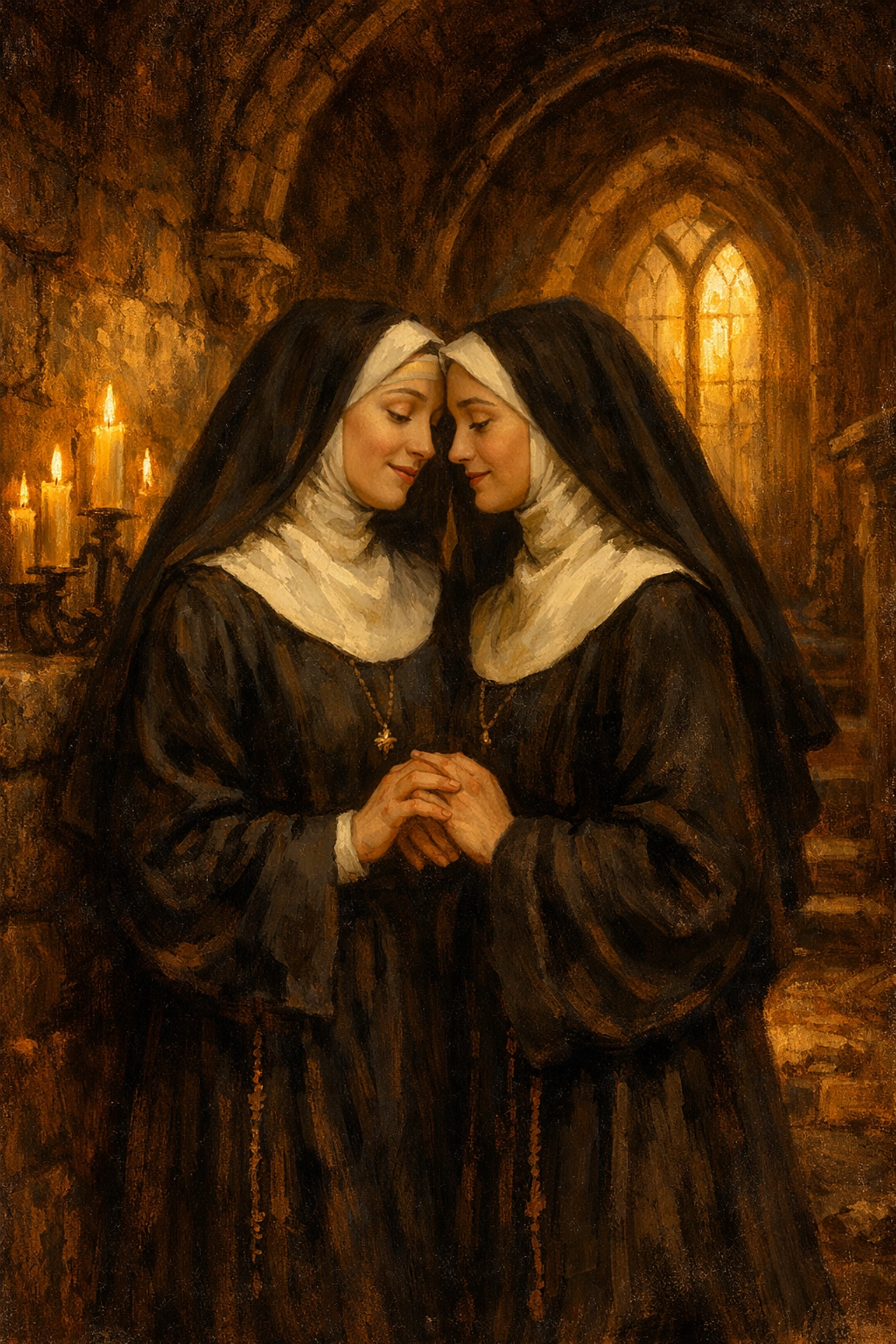
The church had a complicated relationship with these bonds. On one hand, female devotion and emotional intensity were seen as natural expressions of women's "sensitive nature." On the other, the concept of "particular friendships" was officially discouraged because it supposedly distracted from communal life and devotion to God. Yet the reality was far messier than the rules suggested.
A Legacy from Medieval Sisters
This wasn't a Victorian invention. Medieval nuns had been forming these intense bonds for centuries. Hildegard of Bingen, the famous 12th-century abbess, wrote letters to other women that were so passionate they've sparked centuries of scholarly debate. She described her relationships using mother-daughter symbolism, but also language that was undeniably erotic and romantic by any measure.
Medieval convents offered something revolutionary: spaces where women could form primary emotional and physical bonds with other women completely outside patriarchal family structures. Without husbands, fathers, or brothers controlling their lives, nuns created their own networks of love, support, and intimacy. They had their own hierarchies, their own languages of affection, and their own ways of being together.
By the Victorian era, this tradition had evolved but remained fundamentally similar. The language had shifted to fit Victorian sensibilities: more coded, more "spiritual": but the emotional reality underneath was just as intense.
Romantic Friendships in Victorian Society
To understand convent friendships, we need context from the wider Victorian world. "Romantic friendships" between women were actually quite common and socially acceptable in Victorian society, particularly among educated women. These relationships included physical affection like hand-holding, kissing, cuddling, and sleeping in the same bed. Women wrote love letters, gave each other jewelry, and spoke of being "united" or "married" to each other.
The famous Ladies of Llangollen: Eleanor Butler and Sarah Ponsonby: eloped together and lived as a couple for fifty years, becoming celebrities of their era. Anne Lister, whose diaries were written in code, documented her sexual relationships with women and even held what she considered a marriage ceremony with her partner. These women weren't hiding in shadows; they were often celebrated for their devotion to each other.
Why was this acceptable? Partly because Victorian society didn't really have a framework for understanding female homosexuality. The concept of lesbianism as an identity didn't fully exist in mainstream consciousness. Women's love for each other was seen as pure, spiritual, and inherently non-sexual because women themselves were considered non-sexual beings (which, of course, is absurd, but Victorian logic rarely made sense).
Behind the Convent Gates
Within convents, these dynamics intensified. Nuns often came from educated, upper-class backgrounds: exactly the demographic most likely to form romantic friendships in secular society. But in convents, these women lived together 24/7, prayed together, worked together, and shared every aspect of life.
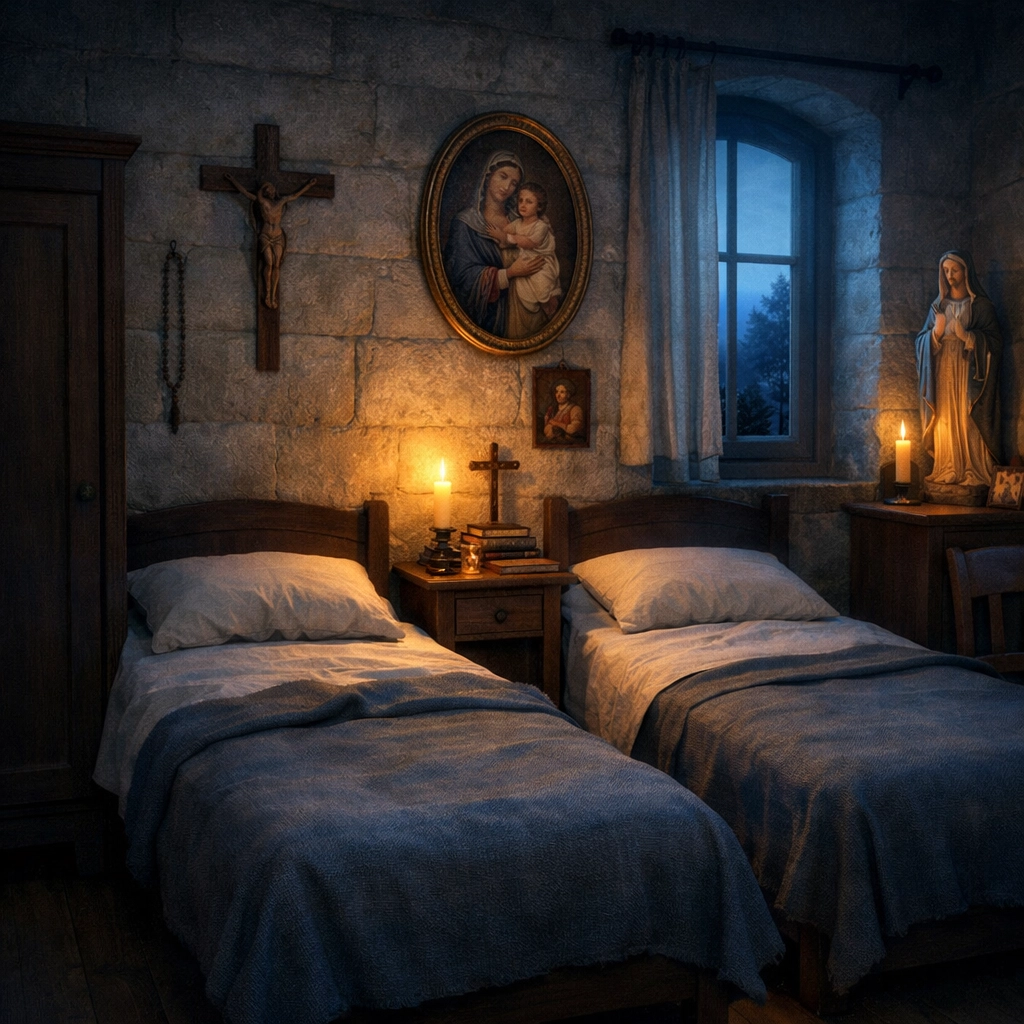
Letters between Victorian nuns reveal relationships that were deeply emotional and physically affectionate. They'd describe lying in each other's arms during moments of spiritual ecstasy, braiding each other's hair before it was cut in religious ceremonies, and experiencing what they called "divine love" that happened to be focused entirely on one particular sister.
The church's official position was contradictory. "Particular friendships" were technically prohibited because they could lead to jealousy, exclusivity, and distraction from communal religious life. Mother Superiors would sometimes separate nuns who became too attached, reassigning them to different convents or different duties within the same community.
Yet the same church praised intense female devotion when it was properly directed. Saints were celebrated for their passionate love of each other. Spiritual texts used erotic language to describe the soul's relationship with God. The line between acceptable spiritual passion and problematic particular friendship was blurry at best.
The Coded Language of Devotion
Victorian nuns became experts at coding their feelings in acceptable religious language. A letter describing "burning with desire to see you again" could reference either God or a specific sister, depending on how you read it. Descriptions of "lying together in divine communion" had plausible spiritual deniability while also being quite literally true.
This wasn't necessarily deception. Many of these women genuinely experienced their love as spiritual. The Victorian framework didn't separate romantic love from spiritual love the way we might today. Their relationships existed in a space where passionate devotion to another woman and passionate devotion to God could be the same thing, or at least deeply intertwined.
Some scholars argue these relationships were entirely chaste and we're imposing modern interpretations on innocent friendships. Others point out that the physical and emotional components of these bonds were identical to romantic partnerships in every way except labels. The truth probably varies by individual relationship: some were certainly sexual, others weren't, and many existed in the complicated in-between where Victorian people lived most of their lives.
Modern Echoes
Looking back at these Victorian veils and hidden romances reminds us that queer love has always existed, even when society couldn't or wouldn't name it. These nuns created spaces for female intimacy within institutions designed to control women's sexuality. They wrote love letters disguised as spiritual correspondence. They held each other through the night and called it prayer.
Were they lesbians? Were they bisexual? Were they experiencing what we'd now call romantic orientation or just the natural human need for connection in a woman-only environment? Honestly, they probably didn't know either, and they certainly didn't have our language to describe it. What we do know is that they loved fiercely, wrote passionately, and created lives centered on other women in ways that both celebrated and complicated Victorian gender norms.
Their stories deserve to be part of LGBTQ+ history, not as definitive proof of historical queerness, but as examples of how love between women has always found ways to exist, even in the most unlikely places. Behind every veil was a human heart, and some of those hearts beat in rhythm with each other in ways that transcended any religious rule or social expectation.
At Read with Pride, we celebrate these hidden histories and the resilience of queer love throughout time. These stories of romantic friendships, coded language, and passionate devotion remind us that our community's history is rich, complex, and far older than most people realize.
#VictorianHistory #LGBTQHistory #QueerHistory #ReadWithPride #LesbianHistory #RomanticFriendships #ConventLife #HiddenHistory #WLWHistory #MMRomance #GayRomanceBooks #LGBTQFiction #QueerLiterature #SapphicHistory #HistoricalLGBTQ #ReadWithPrideBooks
Follow us for more LGBTQ+ stories and history:
📘 Facebook
🐦 Twitter/X
📸 Instagram
🌐 ReadWithPride.com

Leave a Reply
You must be logged in to post a comment.