

readwithpride.com
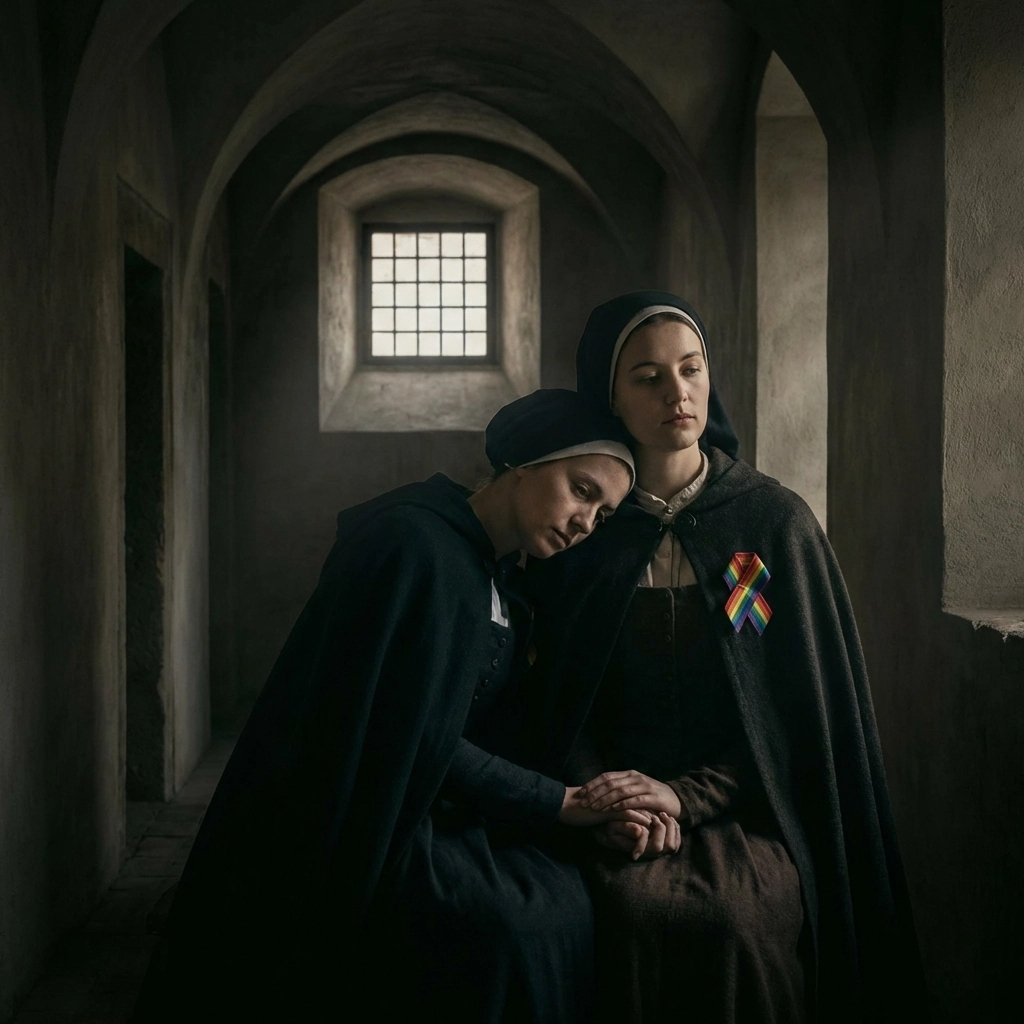
Behind the thick stone walls of 17th-century Spanish convents, where silence was golden and obedience was law, women found ways to love each other. These weren't just friendships: they were intense, passionate bonds that the Church nervously called "particular friendships." And when Sister Feliciana de San Jose's relationships with her fellow nuns caught the attention of the Spanish Inquisition, her story became one of the most revealing glimpses into queer women's lives in religious institutions.
The Dangerous Art of "Particular Friendship"
In the 1600s, convents were fascinating spaces. They were some of the few places where women could live independently from men, pursue education, and form deep emotional bonds with each other. But the Church was always watching, always suspicious of relationships that seemed too close, too exclusive, too physical.
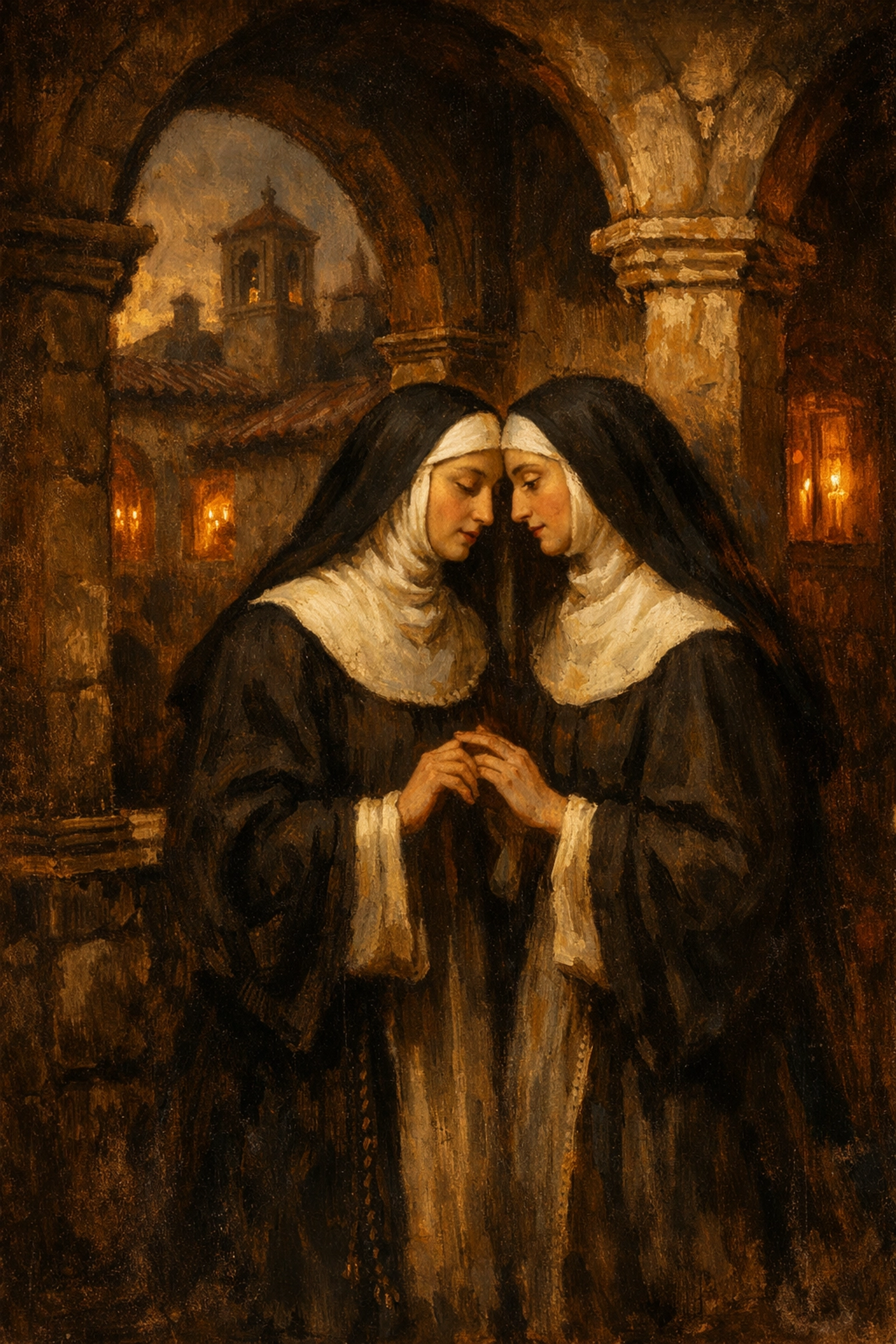
The term "particular friendship" sounds innocent enough, right? It was ecclesiastical code for relationships between nuns that went beyond appropriate sisterly affection. These friendships worried Church authorities because they threatened the collective harmony of convent life: and, more honestly, because they often had romantic and sexual dimensions that the patriarchal Church found deeply uncomfortable.
Sister Feliciana wasn't trying to start a revolution. She was just a woman living in a convent in Seville, finding connection and perhaps love with other women in one of the only spaces where that was even possible. But in doing so, she became part of a hidden history of queer fiction playing out in real life within monastery walls.
Who Was Sister Feliciana de San Jose?
Sister Feliciana entered the Convent of Santa Clara in Seville during the early 1600s. Historical records suggest she was educated, articulate, and charismatic: qualities that both endeared her to some sisters and made her dangerous in the eyes of Church authorities. In a world where women's voices were systematically silenced, nuns who could speak persuasively and form strong alliances were considered potential troublemakers.
What we know about Feliciana comes primarily from Inquisition documents: which means we're seeing her through the hostile lens of her accusers. But even filtered through that distorted view, a portrait emerges of a woman who formed deep emotional and physical bonds with at least two other nuns in her community.
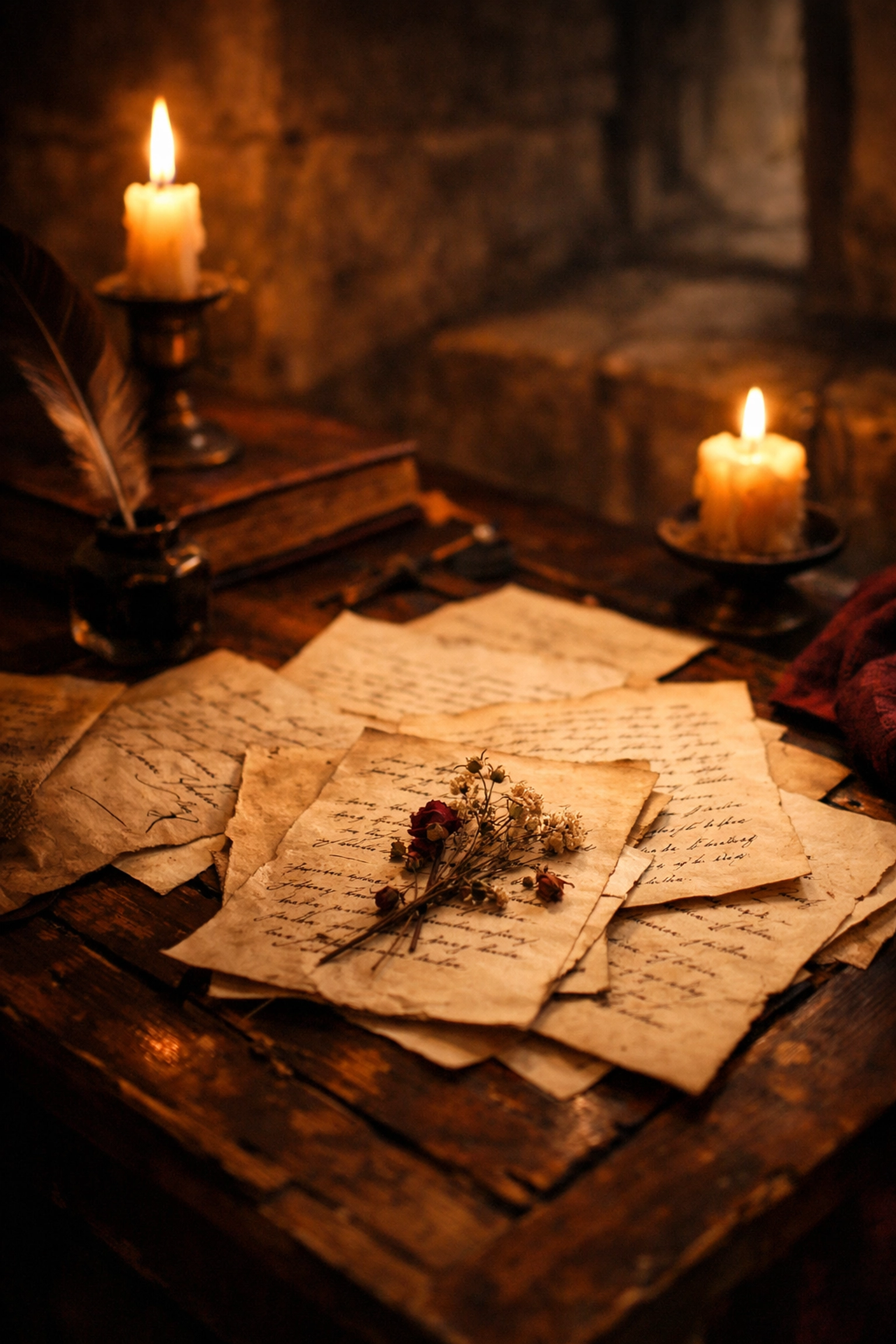
The accusations against her weren't vague. Witnesses testified that Feliciana spent excessive time alone with certain sisters, that she gave them special gifts and wrote them affectionate letters, and that she was observed in compromising physical positions with them. In other words, she was falling in love and expressing it, which in a 17th-century convent was basically a crime.
The Inquisition Comes Knocking
When the Spanish Inquisition investigated religious communities, it wasn't gentle about it. The proceedings against Sister Feliciana were thorough, invasive, and designed to extract confessions through fear and isolation. She was questioned repeatedly about the nature of her relationships, forced to describe intimate moments, and confronted with testimonies from other nuns: some who genuinely believed she was leading sisters astray, others who may have been coerced or jealous.
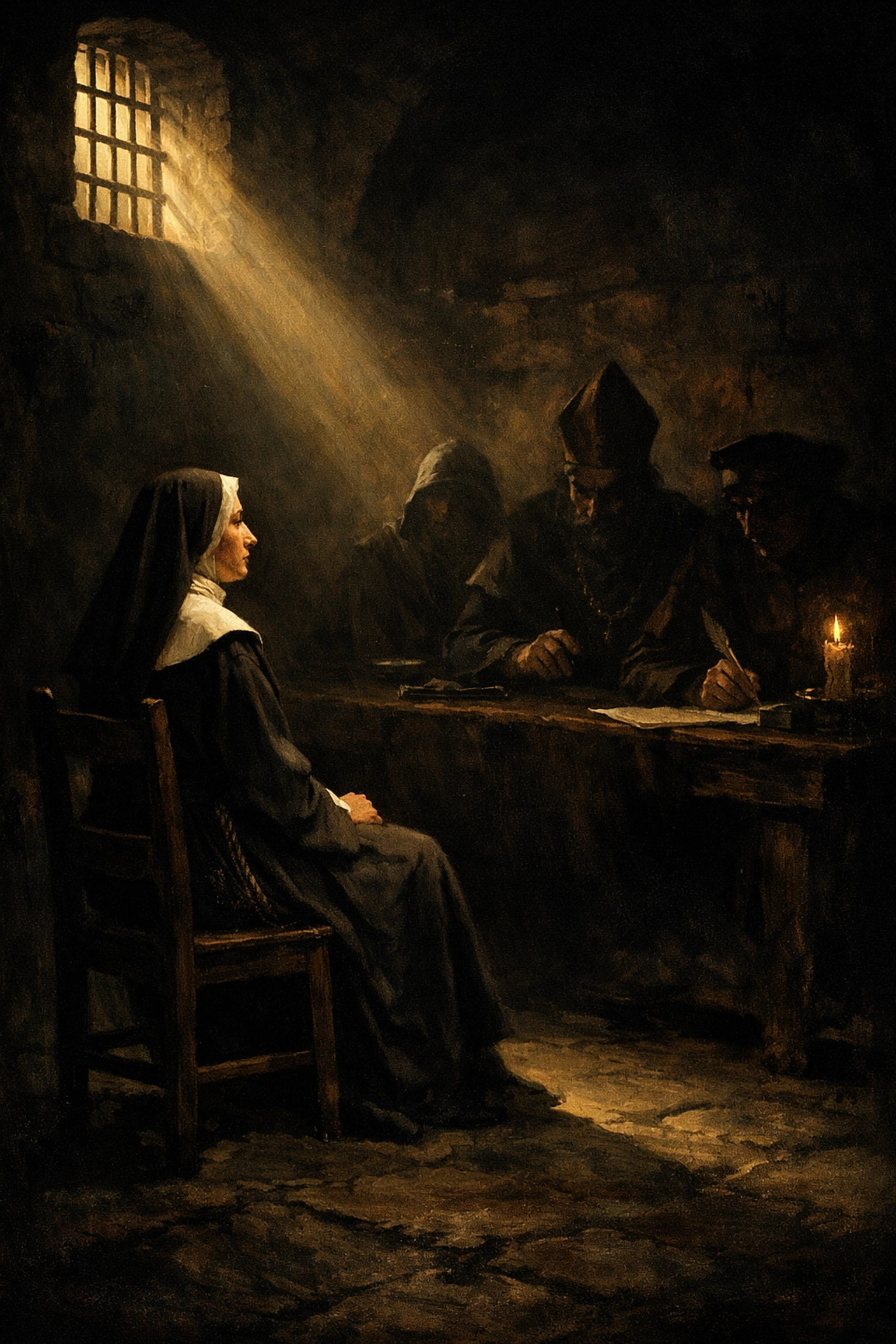
The Inquisition's documents reveal their obsession with determining exactly what happened physically between Feliciana and her companions. Did they kiss? How? Did they share a bed? What did they do there? The interrogators wanted explicit details, ostensibly to determine the severity of her sin, but the pruriency of their questioning reveals something else: their own fascination with women's desire for each other.
Feliciana's responses, as recorded, were careful. She admitted to feeling deep affection for certain sisters but framed it within acceptable spiritual language. She spoke of her love as pure, as a reflection of divine love, as sisterly devotion that may have been misunderstood. Whether she genuinely believed this or was strategically protecting herself: probably both: her testimony shows the impossible position queer women faced in religious life.
What the Church Really Feared
Here's what makes Feliciana's story so significant: the Church wasn't just worried about sex between women (though they were certainly worried about that). They were afraid of emotional autonomy, of women choosing each other over the institutional structure, of bonds that existed outside male authority and control.
Convents were supposed to channel women's emotional energy toward God, under the mediation of male priests. When nuns formed intense pairs or small groups, they created alternative centers of loyalty and affection. This was seen as spiritually dangerous and institutionally destabilizing, regardless of whether those relationships were sexual.
The concept of gay romance wasn't formulated the way we understand it today, but that doesn't mean the feelings weren't real or the relationships weren't recognized as different from ordinary friendship. Everyone involved knew these "particular friendships" were something more: they just lacked the language and framework to name them as we do now.
The Verdict and Its Aftermath
Sister Feliciana's case ended ambiguously, as many Inquisition cases did. She was likely subjected to public penance, isolation, and enhanced surveillance. Some women in similar situations were transferred to other convents, separated permanently from their companions. The most severe cases resulted in imprisonment or worse, though women were generally treated less harshly than men accused of sodomy.
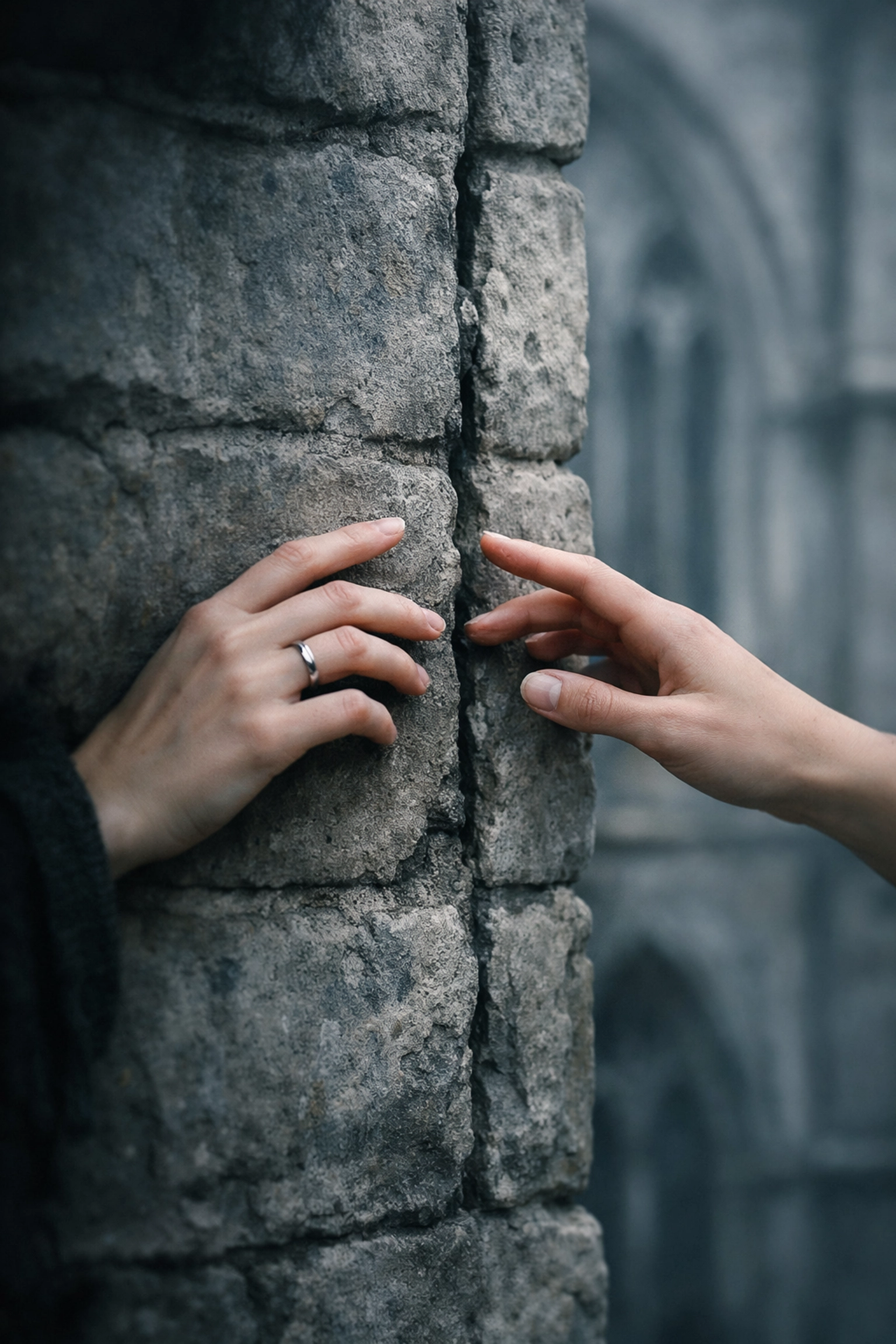
What happened to the nuns she loved? The records don't tell us. They were probably questioned, possibly punished, certainly traumatized by having their private feelings exposed and condemned. The real tragedy isn't just in whatever formal punishment was imposed: it's in the destruction of relationships, the forced separation of women who cared for each other in a world that gave them few opportunities for connection.
Why Sister Feliciana's Story Matters Now
When we read LGBTQ+ fiction or MM romance books today, we're participating in a tradition of storytelling about queer love that has always existed, even when it had to be hidden or coded. Sister Feliciana's story isn't fiction: it's history. But it tells us something true about all those historical MM novels and gay romance novels that imagine queer lives in the past: these stories aren't fantasies. People have always loved across gender lines. People have always formed same-sex relationships.
The difference now is that we can name it, celebrate it, and build communities around it. When you read with pride, you're honoring all the Sister Felicianas throughout history who loved despite persecution, who found connection despite isolation, who survived despite the forces arrayed against them.
Feliciana's trial documents, meant to condemn her, have instead preserved her memory. They've given us a window into the emotional lives of cloistered women in Counter-Reformation Spain. They've proven that queer women's desire and relationships didn't start with modern LGBTQ+ movements: they've existed throughout history, including in the most unlikely and surveilled spaces.
The Hidden History in Monastery Walls
Sister Feliciana wasn't alone. Throughout the 2,000 years of Christian monasticism, countless nuns have formed intense same-sex relationships. Some remained hidden. Some were celebrated as spiritual friendships. Some were investigated and punished. But they all existed, proving that wherever you put women together for extended periods, some will fall in love with each other.
This isn't about imposing modern identity categories on historical people. Feliciana might not have understood herself as lesbian or queer in contemporary terms. But she understood that her feelings for certain sisters were different, special, potentially dangerous. She understood that what she shared with them mattered enough to risk investigation and punishment.
Her story enriches our understanding of queer fiction rooted in history, reminding us that the gay love stories we read and write today have deep roots in real lives courageously lived against the odds.
For those of us who love gay romance books and MM fiction, there's something powerful about knowing that our stories connect to actual historical experiences. Sister Feliciana de San Jose, facing down the Spanish Inquisition for loving other women, is part of our collective heritage: proof that we've always existed, always loved, always found each other.
Discover more untold stories of LGBTQ+ history and explore our collection of gay romance novels, MM romance books, and queer fiction at readwithpride.com. Because every love story deserves to be told.
Follow us on Facebook, Instagram, and X for more LGBTQ+ content and book recommendations.
#ReadWithPride #LGBTQHistory #QueerHistory #GayRomance #MMRomance #LesbianHistory #QueerFiction #LGBTQBooks #GayRomanceBooks #HistoricalLGBTQ #NunHistory #SpanishInquisition #QueerNuns #LGBTQLiterature #GayFiction #MMBooks #GayLoveStories #LGBTQReading #QueerAuthors #GayBookClub

Leave a Reply
You must be logged in to post a comment.