


readwithpride.com
Picture this: It's 1760, and Denis Diderot just penned one of the most scandalous novels about convent life that would make even modern readers blush. The Nun (La Religieuse) wasn't just another tale of religious devotion gone wrong, it was a full-blown exposé of forbidden lesbian desires, psychological torture, and the hypocrisy festering behind monastery walls. And honestly? The real story behind this book is just as wild as the fiction itself.
The Hoax That Started It All
Before we dive into the steamy convent drama, let's talk about how this masterpiece came to be. Diderot didn't just wake up one day and decide to write about nuns falling for each other. No, this started as an elaborate prank, and I'm not even kidding.
Diderot and his buddy Grimm decided to play a cruel joke on the Marquis de Croismare, a wealthy patron. They fabricated a series of letters supposedly written by a desperate nun named Suzanne Simonin, begging for help to escape convent life. The Marquis fell for it hook, line, and sinker, genuinely trying to assist this fictional woman.

But here's where it gets interesting: beneath the deception lay a very real issue. Women were being forced into convents against their will throughout 18th-century France. These weren't spiritual callings, they were family decisions made to preserve inheritances, hide "shameful" daughters, or simply get rid of inconvenient women. The hoax tapped into something authentic, and eventually, Diderot transformed those fake letters into a devastating novel that exposed the truth.
Behind Closed Doors: What Really Happened in Convents
Let's be real, convents weren't exactly the peaceful sanctuaries the Church wanted everyone to believe. Diderot's novel pulls back the curtain on what actually went down when you locked dozens of women together, many of whom never wanted to be there in the first place.
The protagonist, Suzanne, describes her journey through three different convents, each more disturbing than the last. At first, she encounters a kind Mother Superior who shows her affection and tenderness, perhaps a bit too much tenderness. But when that superior dies, all hell breaks loose under the new leadership.
The systematic cruelty is chilling. Suzanne endures solitary confinement, starvation, physical abuse, and psychological warfare designed to break her spirit. Her fellow nuns, trapped in the same suffocating system, turn on each other. Some go mad. Others develop obsessive, unhealthy attachments to their superiors. And through it all, the Church maintains its facade of purity and holiness.
The Forbidden Desires No One Wanted to Talk About
Here's where The Nun gets really interesting for us at Read with Pride. Diderot didn't shy away from depicting the lesbian relationships that developed within convent walls. In fact, he made them central to understanding how repression creates the very desires institutions try to eliminate.
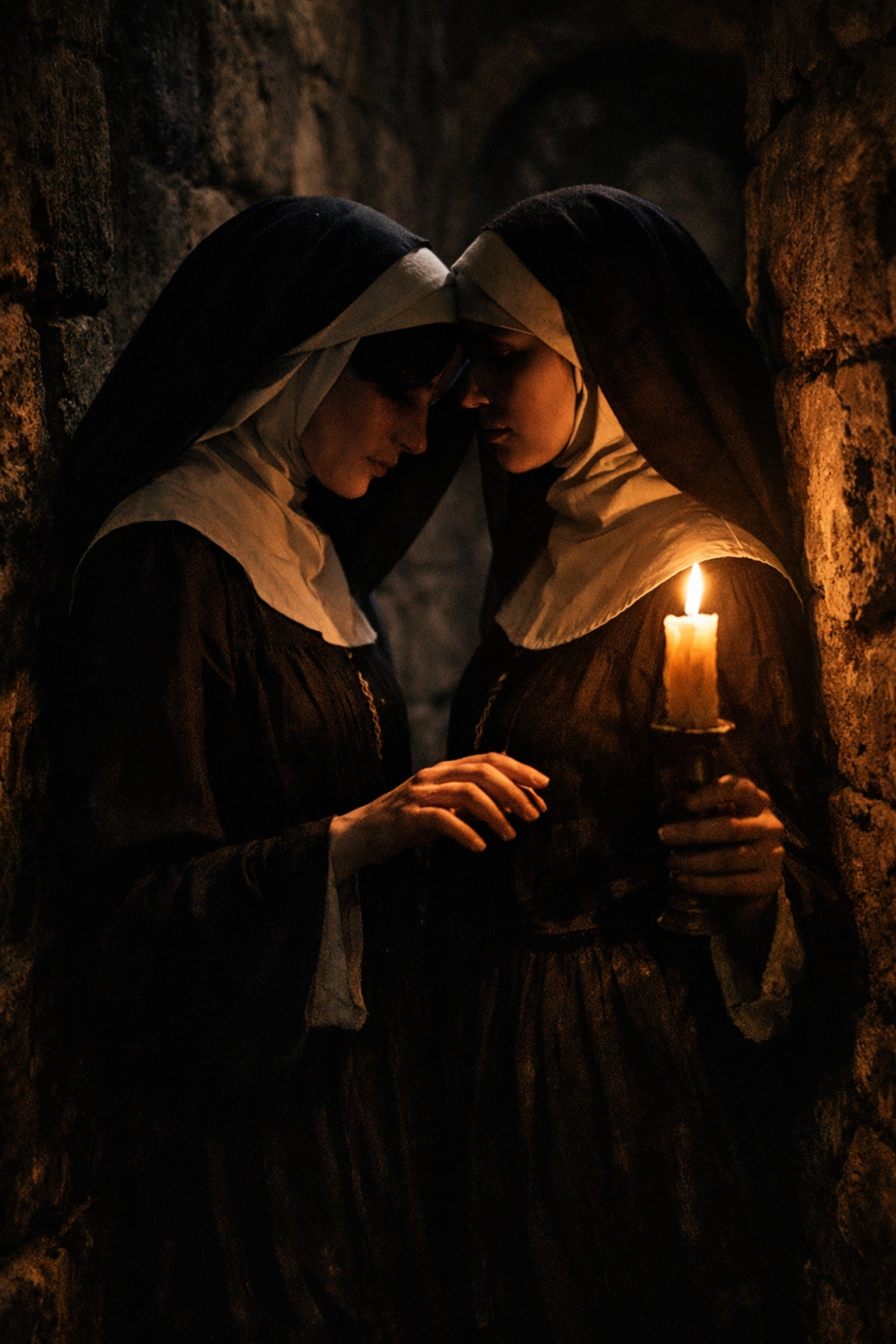
The second Mother Superior in the novel becomes obsessed with Suzanne, showing her intense physical affection and jealousy. These scenes were considered so scandalous that the book was banned for decades. But Diderot's point was clear: when you deny people natural human connection and sexuality, those desires don't disappear, they twist into something more intense, more desperate, and often more destructive.
The novel describes what 18th-century society would have called "particular friendships", the coded language for lesbian relationships in convents. These relationships ranged from genuine emotional bonds to exploitative power dynamics, from innocent companionship to what Diderot called "febrile sexual depravity."
Was Diderot being sensationalist? Maybe a little. But historical records confirm that these relationships existed. Church officials regularly warned against "particular friendships" and implemented rules to prevent nuns from spending too much time alone together. The paranoia tells you everything you need to know.
The Psychology of Repression
What makes The Nun so powerful, and so relevant today, is how it explores what happens to the human psyche under extreme repression. Diderot understood something that modern psychology has confirmed: you can't simply eliminate desire through willpower or religious doctrine.
Suzanne's first-person narration draws us into her mental deterioration. She contemplates suicide multiple times. She experiences what we'd now recognize as severe depression, anxiety, and PTSD. The convent, meant to be a place of spiritual refuge, becomes a prison that manufactures madness.
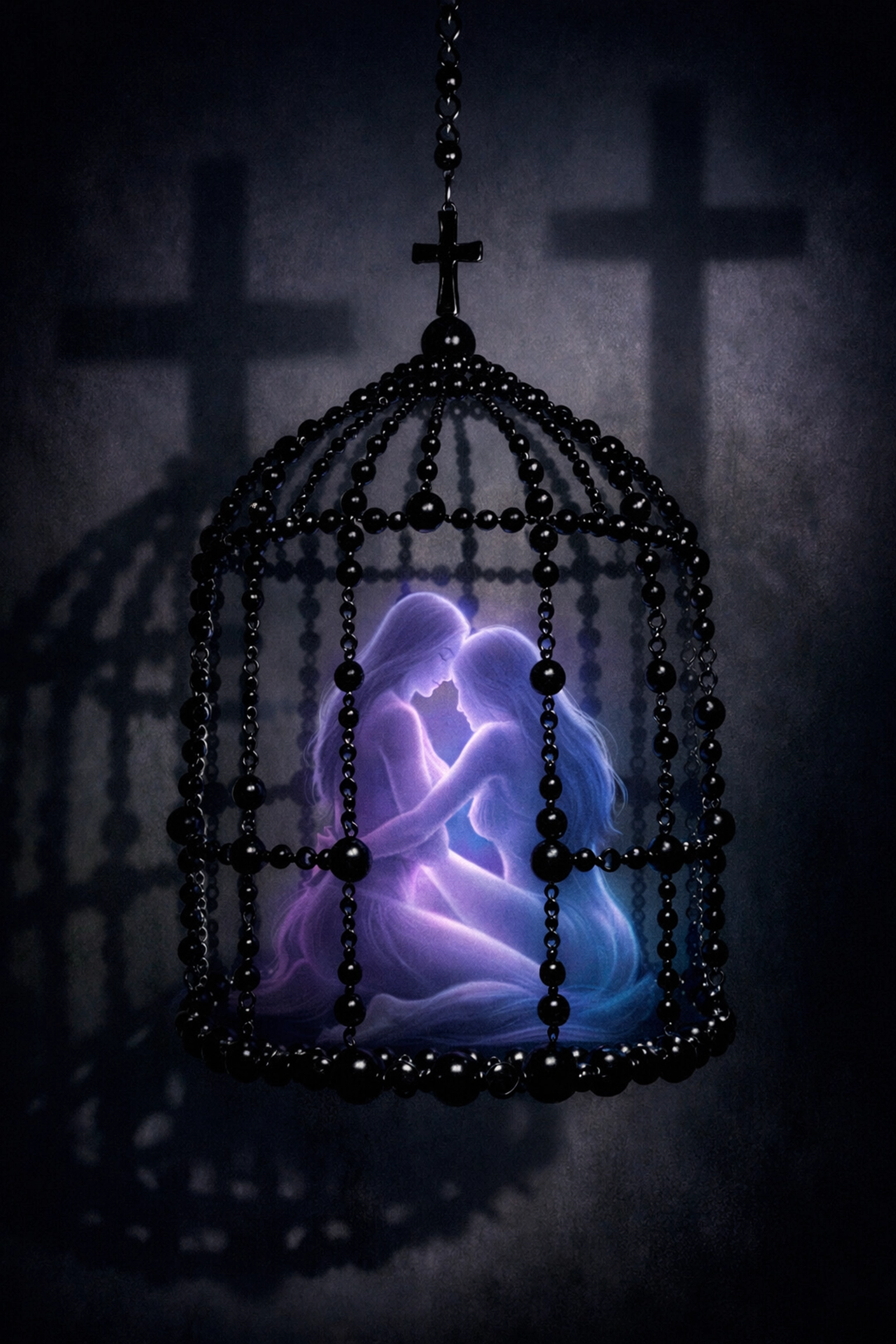
The novel shows how repressive systems don't just fail to control desire, they pervert it. The Mother Superior's obsession with Suzanne isn't portrayed as pure or loving; it's suffocating, manipulative, and ultimately destructive for both women. Neither can be their authentic selves. Neither can express genuine affection without it being warped by the institution they're trapped within.
Sound familiar? This pattern has played out throughout LGBTQ+ history, from conversion therapy camps to families that force their queer children into hiding. The locations change, but the psychological damage remains eerily similar.
Why This 260-Year-Old Novel Still Matters
You might be wondering why we're talking about an 18th-century French novel at Read with Pride. Fair question. But here's the thing: The Nun represents one of the earliest mainstream literary works to openly depict lesbian desire, even if it was wrapped in a critique of religious institutions.
For centuries, stories about women loving women were either completely erased or portrayed as deviant and dangerous. Diderot's novel at least acknowledged that these desires existed, that when you put women together in intimate quarters for years, emotional and physical relationships naturally developed.
Yes, the novel's perspective is limited by its era. Yes, it's written by a man who was more interested in critiquing the Church than celebrating queer love. But it's still part of our history. It's evidence that even 260 years ago, people knew the truth: you can't legislate away human desire, and trying to do so only causes suffering.
The Real Women Behind the Fiction
While researching for this piece, I kept thinking about the actual women who lived through what Diderot fictionalized. The ones who were forced into convents at thirteen or fourteen, who never got to choose their own paths, who fell in love with their fellow nuns and had to hide it or face severe punishment.

Some found genuine companionship and love behind those walls. Others went mad from loneliness and repression. Many never had their stories told at all: they lived and died in obscurity, their desires labeled as sin, their suffering dismissed as God's will.
The Nun gives voice to at least some of that hidden history. It's imperfect, filtered through a male philosopher's lens, but it's something. It's a crack in the wall of silence that surrounded women's sexuality for so long.
Reading Queer History Between the Lines
At Read with Pride, we're all about uncovering LGBTQ+ stories that have been hidden, suppressed, or intentionally misinterpreted throughout history. The Nun is a perfect example of why this work matters. For decades, scholars treated this novel purely as anti-clerical propaganda, ignoring or downplaying its depiction of lesbian desire.
But queer readers have always known how to read between the lines. We're experts at finding ourselves in stories that weren't explicitly written for us, at recognizing coded language and hidden meanings. When we read about "particular friendships" or women showing "excessive affection" to each other, we know what that really means.
This skill: reading queer subtext: isn't just about finding representation where we can. It's about reclaiming our history, about refusing to let our stories be erased or sanitized. Every mention of forbidden convent relationships, every warning against nuns spending too much time together, every scandal hushed up by Church officials: these are pieces of our history.
Moving Forward While Looking Back
So what do we do with stories like The Nun? We read them critically. We acknowledge their limitations while recognizing their importance. We use them as stepping stones to understanding where we've come from and how far we still have to go.
The world Diderot wrote about: where women had no control over their own lives, where expressing same-sex desire could mean exile or worse: isn't as distant as we'd like to think. Even today, LGBTQ+ people around the world face forced conversion, religious persecution, and families who'd rather hide them away than accept who they are.
But we also have something those convent women didn't: community, visibility, and the freedom (at least in many places) to tell our own stories. At Read with Pride, we celebrate gay romance novels, MM romance books, and queer fiction written by and for LGBTQ+ people. We don't have to read between the lines anymore: we can write our own damn lines.
That doesn't mean we forget the past. The Nun reminds us that our history is longer and more complicated than we sometimes remember. It reminds us that women have been loving women, and fighting for the freedom to do so, for centuries.
The forbidden desires Diderot wrote about in 1760 aren't forbidden anymore: at least, they shouldn't be. That's progress worth celebrating. But we get there by remembering where we've been, by honoring the women who loved each other in secret, who suffered in silence, who paved the way for us to love openly.
Ready to explore more LGBTQ+ history and discover amazing queer stories? Follow us on Facebook, Instagram, and X (Twitter) for daily recommendations, historical deep dives, and the best in gay romance novels and MM fiction.
#ReadWithPride #LGBTQHistory #QueerHistory #LesbianHistory #MMRomance #GayRomance #QueerFiction #LGBTQBooks #GayBooks #ConventSecrets #ForbiddenLove #HistoricalLGBTQ #QueerLiterature #WLWHistory #LGBTQReading #GayRomanceBooks #2026Reading #AuthenticLGBTQ #PrideReading #QueerStories

Leave a Reply
You must be logged in to post a comment.