

readwithpride.com
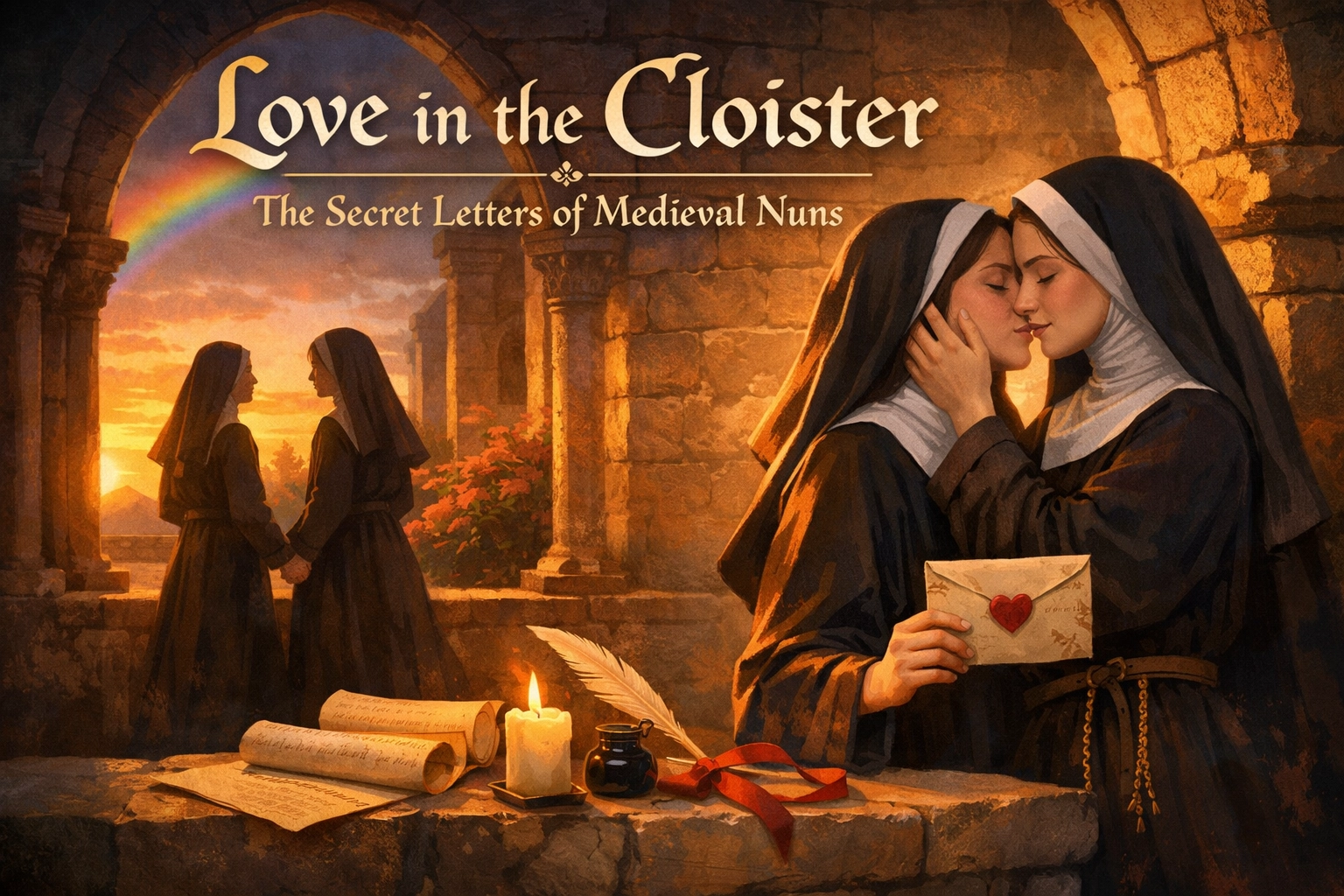
History has a funny way of trying to hide the queer stories, doesn't it? We're told that medieval convents were these austere, silent places where women dedicated their lives solely to God. But tucked away in dusty manuscripts and hidden in the margins of ancient texts, there's a different story, one filled with longing, passion, and love letters that would make any contemporary romance novel blush.
Let's talk about the secret love lives of medieval nuns, because honestly, it's about time someone did.
When Prayer Wasn't Enough
Imagine being locked away behind monastery walls in the 12th century. Your days are structured around prayer, work, and silence. You're supposed to dedicate your entire being to spiritual devotion. But what happens when your heart has other ideas? What happens when you look across the chapel and feel something that has nothing to do with divine reverence and everything to do with very human desire?
For many nuns, the answer was simple: they wrote letters. Secret, passionate, achingly beautiful letters that somehow survived centuries of suppression and erasure.
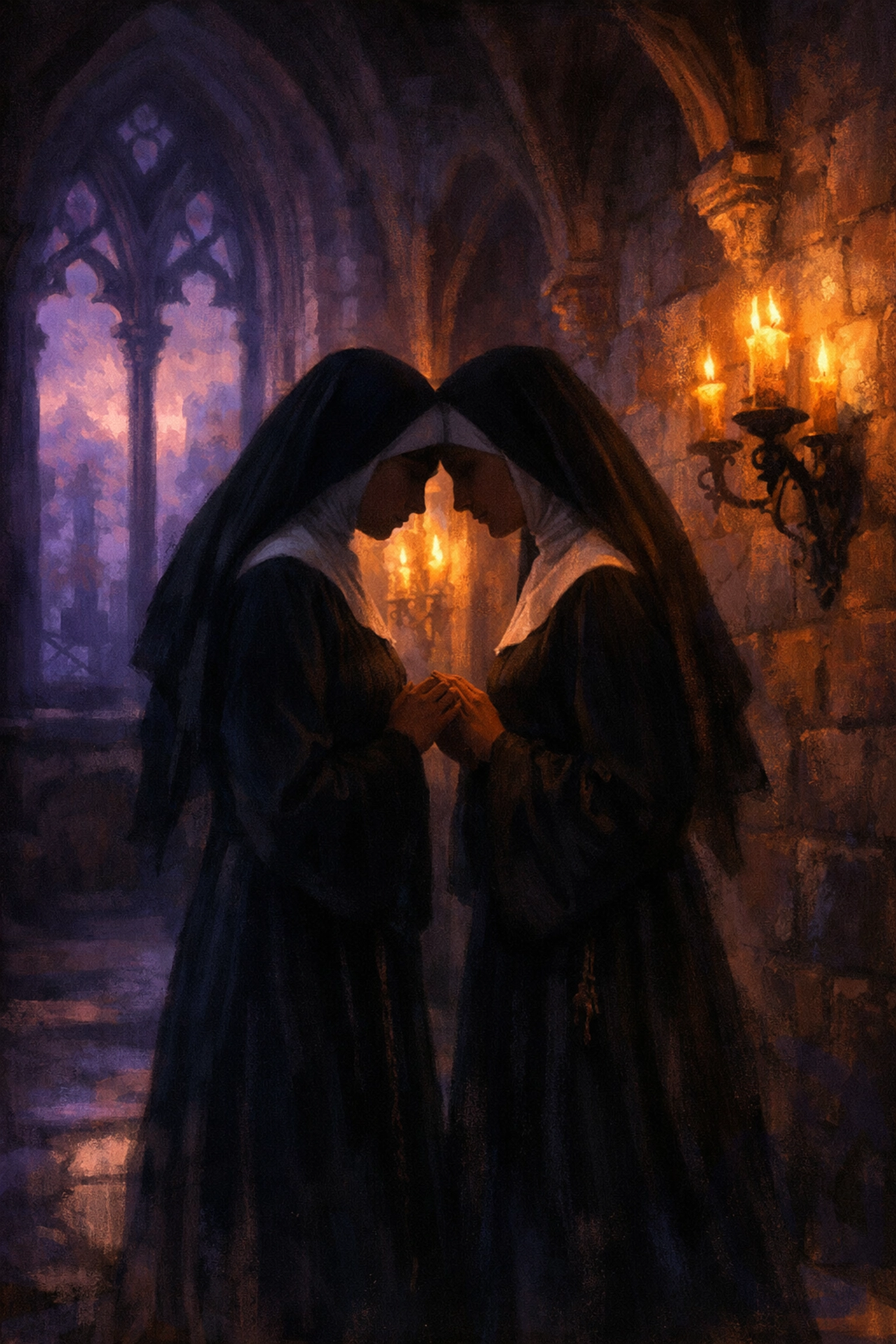
One of the most stunning examples comes from a 12th-century love letter between two nuns. The language is so tender, so unmistakably romantic, that there's no way to misinterpret it: "In God's name, with amorous love and insatiable longing for the sweetest and most beloved of all my much-desired honeyed girlfriend. I send you greetings through this letter… When I lie down, you are in my mind. And when I sleep I always dream of you."
Read that again. "My much-desired honeyed girlfriend." This isn't the language of sisterly affection or spiritual companionship. This is love, raw and real and desperate.
The Little Key Is Lost
Another preserved letter contains what might be one of the most romantic lines ever written: "You are locked within my heart, the little key is lost, and there within you must forever rest."
Can we just take a moment to appreciate the poetry here? Medieval nuns were apparently writing better love confessions than most modern dating app conversations. They understood longing. They understood the ache of loving someone you couldn't openly be with. They understood what it meant to carry someone in your heart like a secret treasure.
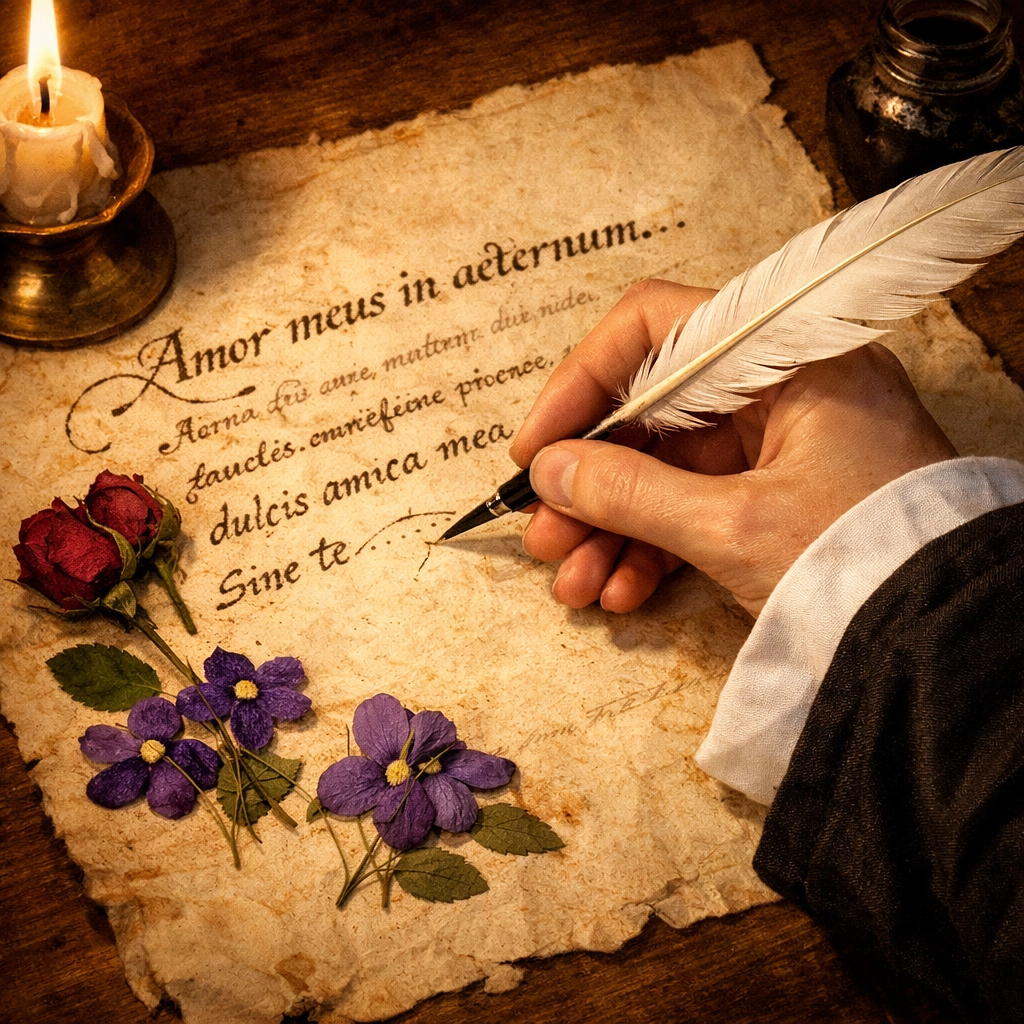
These weren't casual notes passed between friends. These were declarations of eternal devotion, promises of lifelong commitment, pleas to be reunited before death. One nun wrote: "May he who reigns in heaven and provides for all things, deliver you into my arms before I die."
The desperation in that line hits different when you remember these women were bound by vows of celibacy and separated by the strict rules of monastic life. They couldn't just slide into each other's DMs or plan a coffee date. Their love existed in stolen glances, secret letters, and the dreams they had when they finally fell asleep in their narrow beds.
Hidden in Plain Sight
What's fascinating is that these letters survived at all. They were deliberately concealed: tucked into manuscript margins, hidden within monastery walls, preserved in places where no one was supposed to look. The nuns who wrote them knew they were breaking rules. They knew their feelings contradicted everything the Church told them about who they should be and how they should love.
But they wrote anyway. They loved anyway.
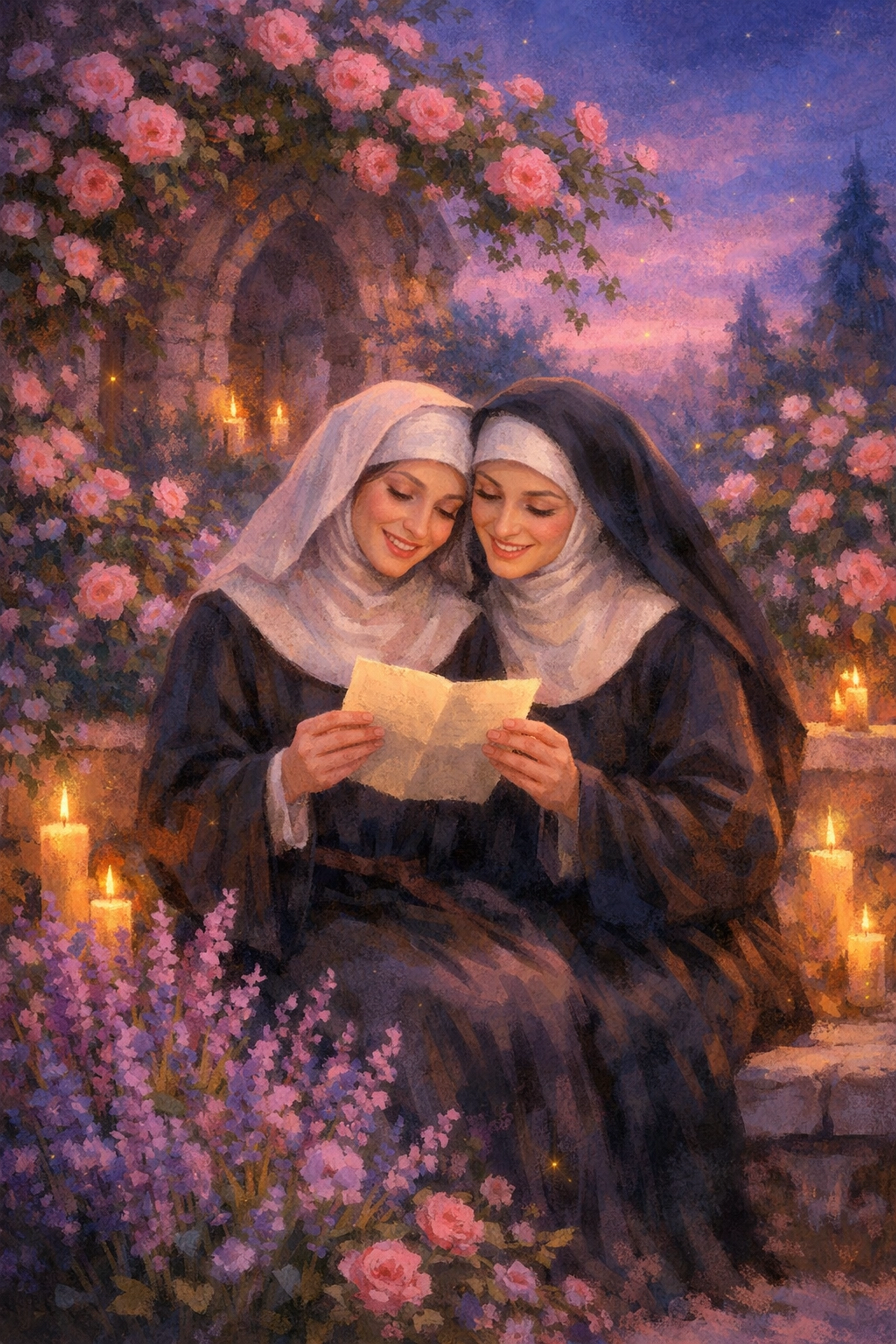
This speaks to something essential about queer love throughout history: it has always existed, even when it was forbidden. Even when the punishment for being discovered could be severe. Even when the entire structure of society told people their love was wrong or impossible or sinful.
Medieval convents, ironically, created the perfect environment for these relationships to flourish. Women lived together in close quarters, shared their lives, formed deep emotional bonds. The Church intended these bonds to be purely spiritual, but human hearts don't follow institutional rules.
What This Means for LGBTQ+ History
When we talk about queer fiction and LGBTQ+ stories today, we often act like representation is a modern invention. But the truth is, our stories have always existed. They've just been hidden, suppressed, or deliberately misinterpreted by historians who couldn't imagine: or didn't want to acknowledge: that same-sex love has been part of human experience since forever.
These medieval love letters matter because they prove that lesbian relationships aren't a 21st-century concept. They're not a "modern lifestyle choice" or a "phase of Western decadence." They're part of the human story, woven into our history even when powerful institutions tried to erase them.
The nuns who wrote these letters were brave. They were risking everything: their safety, their place in the community, their souls according to the teachings of their time: for love. That's the kind of courage that deserves to be remembered and celebrated.
Reading Between the Sacred Lines
What's particularly clever about some of these letters is how they wove together religious language with romantic devotion. A nun could write about her "beloved" or her "longing" and, if discovered, potentially claim she was talking about Christ or the Virgin Mary. It was coded language, a secret vocabulary that only the intended recipient would fully understand.
This tradition of coding queer love in acceptable religious or platonic language continued for centuries. It's why we have to read historical documents carefully, looking for the subtext, the passion that exceeds normal friendship, the intensity that can't be explained away.
Scholars have spent years trying to "no homo" these relationships, insisting they were just "romantic friendships" or examples of medieval women's spiritual intensity. But come on. When someone writes that you're locked in their heart and the key is lost, when they dream of you every night and call you their "honeyed girlfriend," we know what's happening here.
The Power of Hidden Stories
At Read with Pride, we believe in uncovering and celebrating LGBTQ+ stories from every era. These medieval love letters remind us why representation matters. When young queer people can see themselves reflected in history: not just in contemporary fiction but in actual historical documents: it changes something fundamental.
It says: you've always existed. Your love has always been real. Your story has always mattered.
The best MM romance novels and gay romance books we publish today are part of a continuum that stretches back centuries. The longing, the secrecy, the desperate need to be seen and loved for who you really are: these themes aren't new. They're echoes of every medieval nun who ever wrote a love letter by candlelight, knowing she might be the only person who would ever read it besides her beloved.
Why These Stories Survive
The fact that these letters survived at all is something of a miracle. Paper and parchment decay. Fires destroy libraries. Wars scatter archives. And countless documents have been deliberately destroyed by people who found their contents threatening or immoral.
But somehow, these love letters endured. Maybe someone recognized their beauty and couldn't bear to destroy them. Maybe they were hidden so well that censors never found them. Maybe the universe has a way of preserving what's truly important.
Whatever the reason, we have them now. We can read these words written nearly a thousand years ago and recognize ourselves in them. We can honor the women who loved each other when everything in their world told them not to.
Connect with us: Follow @Read_With_Pride on X, find us on Instagram, and join our community on Facebook for more LGBTQ+ stories and recommendations.
#LGBTQHistory #LesbianHistory #MedievalHistory #QueerHistory #ReadWithPride #LGBTQBooks #QueerFiction #GayRomance #MMRomance #LGBTQLiterature #HistoricalLGBTQ #QueerLoveStories #LesbianLoveLetters #MedievalNuns #HiddenHistory #LGBTQRepresentation #2026Books #QueerAuthors #GayBooks #PrideReading

Leave a Reply
You must be logged in to post a comment.