

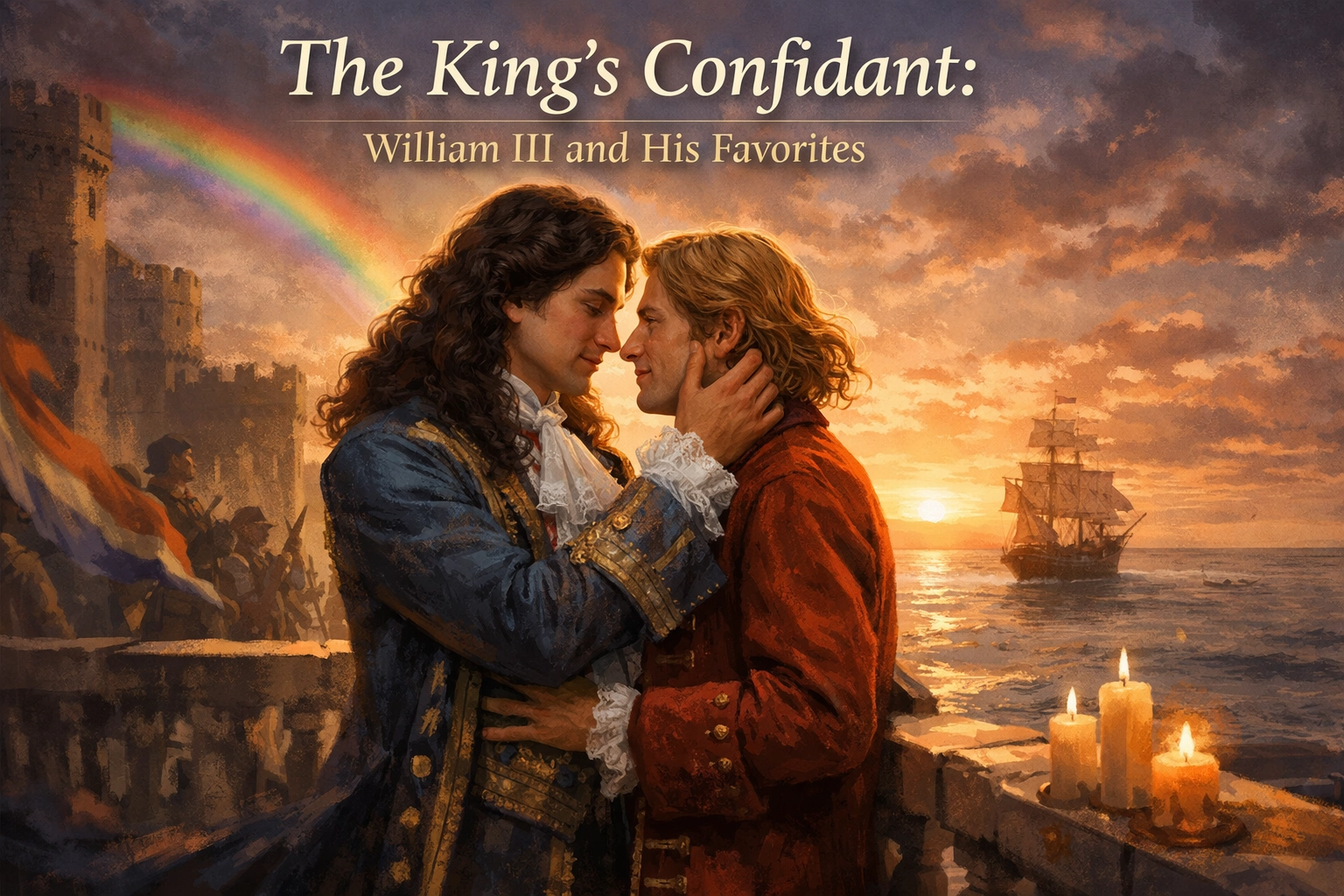
readwithpride.com
When the King Had Two Favorites
History loves to play it straight, literally. Royal biographies are full of convenient omissions, strategic silences, and the erasure of anything that doesn't fit the heteronormative narrative. But every once in a while, the truth is so obvious that even centuries of whitewashing can't completely hide it. Enter William III of England, the Dutch king who brought more than just political revolution to Britain in 1688.
William III wasn't your typical monarch. Sure, he was married to Queen Mary II (his cousin, because royals gonna royal), but he spent considerably more time in the company of two very handsome, very devoted men who slept in adjoining rooms, attended every private meeting, and received titles, estates, and wealth that made the rest of the court seethe with jealousy.
This is the story of a king and his favorites, a tale as old as monarchy itself, and one that resonates with anyone who's ever had to navigate love and relationships under the scrutinizing eyes of a judgmental society.

Hans Willem Bentinck: The Ride-or-Die Companion
Before William ever set foot on English soil, he had Hans Willem Bentinck. For approximately 20 years before the Glorious Revolution of 1688, Bentinck was William's shadow, his confidant, his everything. This wasn't your standard royal advisor situation. Bentinck knew "every thought in William's complicated head," slept in the room next door, and was present at every single private meeting.
The depth of their connection became crystal clear during William's bout with smallpox in 1675, a disease with a terrifying 30% mortality rate. While others might have fled the sickroom, Bentinck stayed. He nursed William through the illness with a devotion that went far beyond professional duty. Some historians try to frame this as just "male friendship," but let's be real: how many of your bros are sleeping in the next room and nursing you through potentially fatal diseases?
William rewarded Bentinck's loyalty with estates, titles, mountains of money, and access to royal power that absolutely infuriated other nobles. When Bentinck arrived in England with William, he wasn't just along for the ride, he was the ride. The two were inseparable in a way that made courtiers whisper and tongues wag.
Enter Arnold Joost van Keppel: The Pretty Young Thing
Every long-term relationship faces challenges, and for William and Bentinck, that challenge arrived in the early 1690s in the form of Arnold Joost van Keppel. Young, handsome, and charming, Keppel became a Gentleman of the Bedchamber (yes, that was an actual title, and yes, the irony is delicious) and quickly caught William's eye.
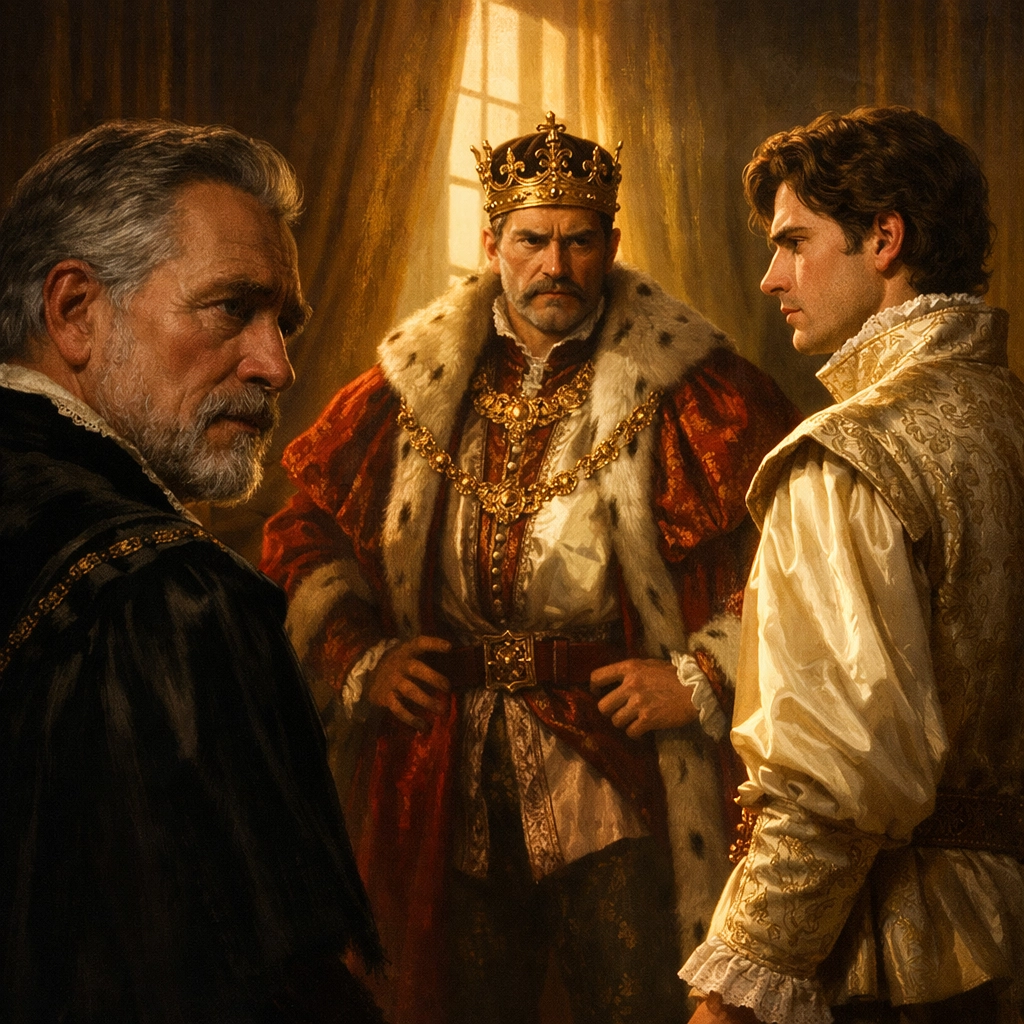
The shift in William's affections was rapid and obvious. Keppel received Dutch titles in 1692 and was created Earl of Albemarle in 1697. The turning point? A hunting accident at Het Loo Palace in 1691. When Keppel showed impressive stoicism during the incident, William was smitten. From that moment on, Keppel's star rose while Bentinck's began to dim.
It wasn't that Bentinck had fallen out of favor completely: William still relied on him for governmental duties. But when it came to companionship and, let's be honest, intimacy, William increasingly preferred Keppel's company. Partly this was because Bentinck was busy running the kingdom, but partly it was just good old-fashioned attraction to someone new and exciting.
The Love Triangle That Scandalized a Court
By 1695, the tension between Bentinck and Keppel had reached a breaking point. Bentinck, who'd devoted two decades to William, essentially issued an ultimatum: choose between us. William's response? Nope. He insisted he valued both men and refused to pick sides.
This is where the story gets really juicy for anyone who's navigated polyamorous dynamics or just complicated relationship situations. William wanted to keep both of his favorites, and he did: though not without considerable drama.
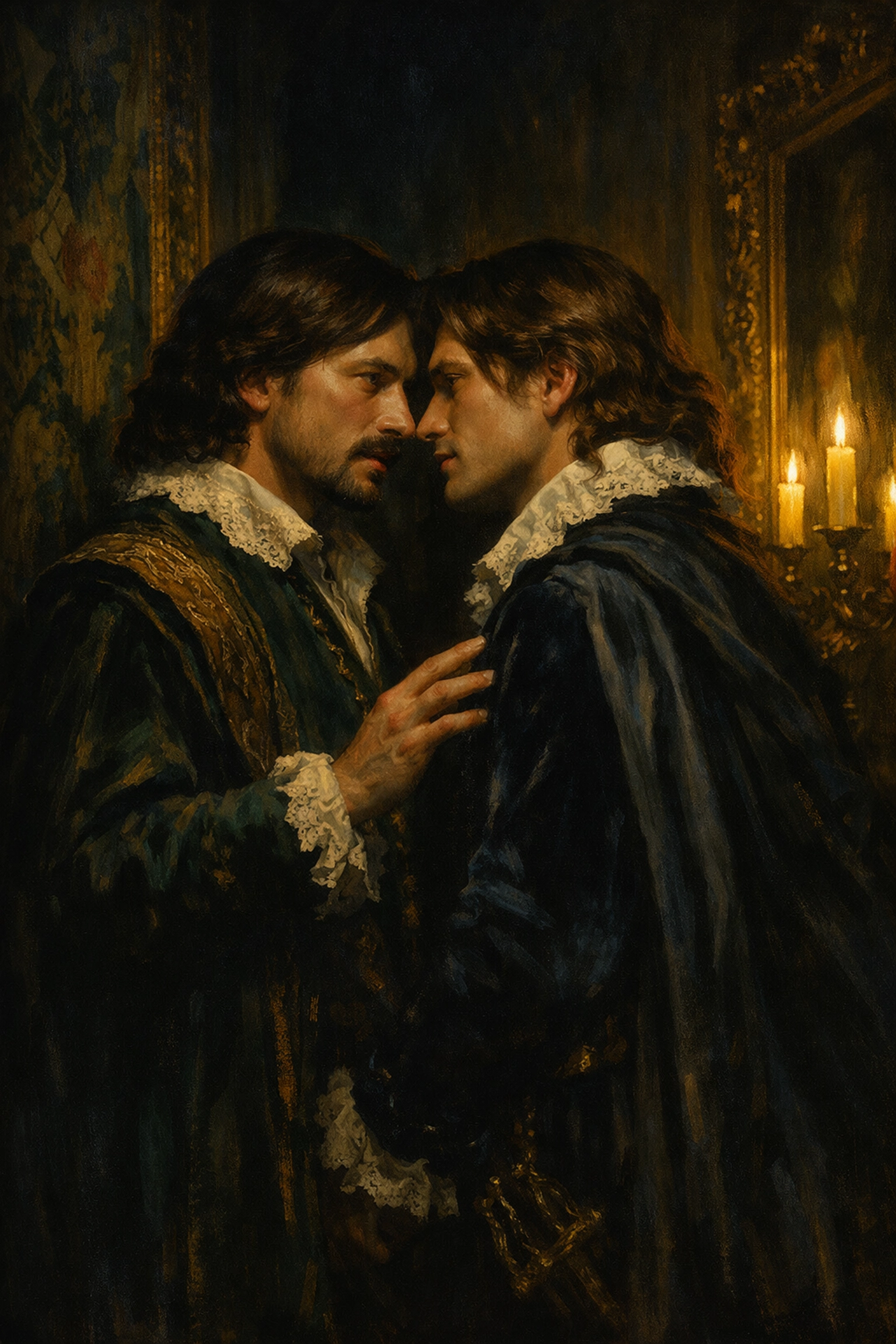
Contemporary observers weren't subtle about what they thought was happening. One noted that William had "Dutch tastes and preferring the company of certain gentlemen to his wife." Another suggested that Keppel's meteoric rise had less to do with his administrative skills "and more to do with his evening duties." Ouch. The shade was real.
The most damning detail? William spent far more time with Bentinck and Keppel than with his own wife. When he traveled to war, he left Queen Mary behind in the Netherlands but brought Bentinck along. That tells you everything you need to know about where his true affections lay.
The Final Act: A King's Last Gesture
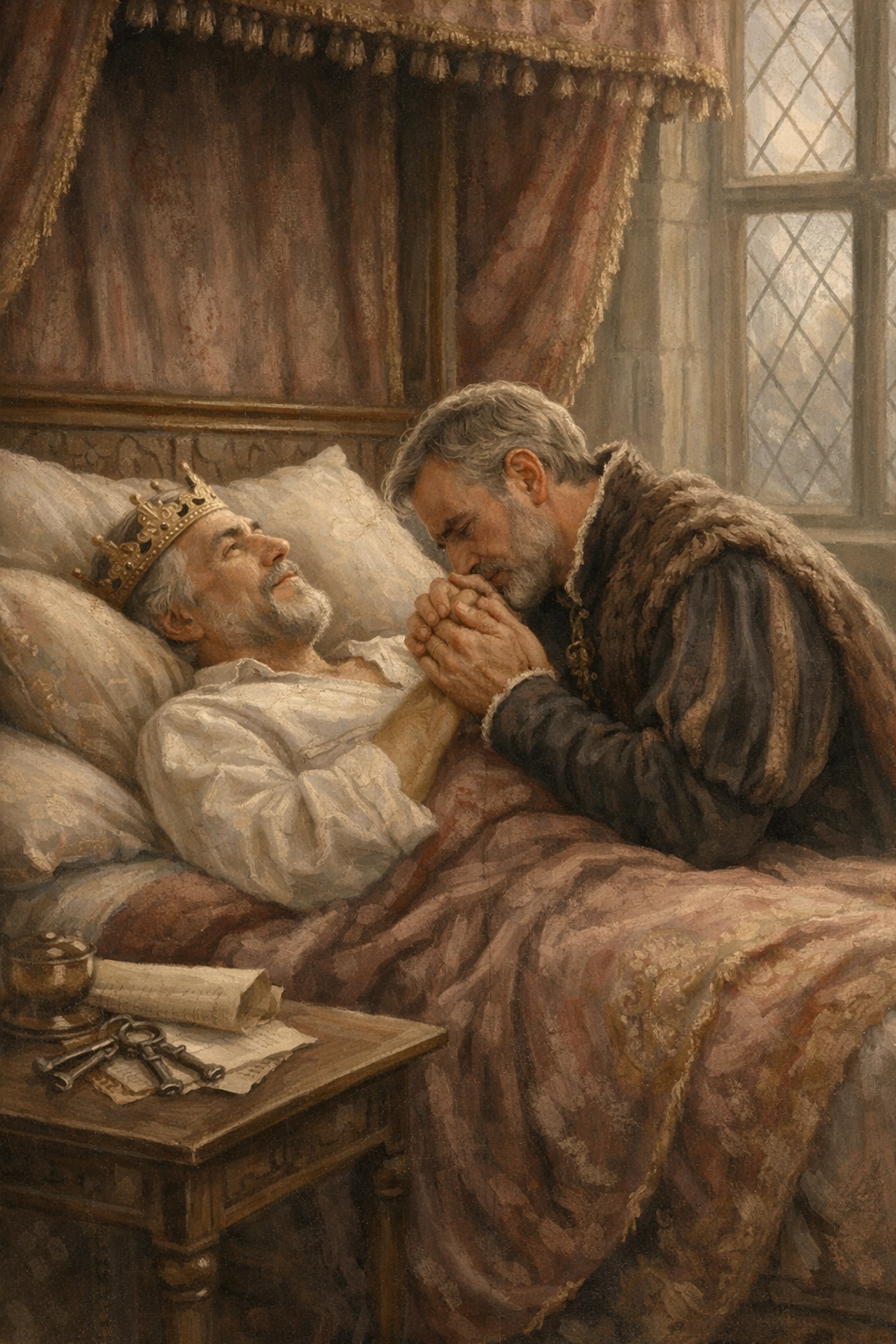
When William III died in 1702, the enduring complexity of his relationships played out one last time. It was Bentinck: the devoted companion of more than 30 years: who held William as he took his final breath. After everything, after being partially displaced by Keppel, Bentinck was there at the end.
But William's final act of favor went to Keppel. He gave the younger man the keys to his private cabinet and drawers, along with a whopping 200,000 guilders and the Dutch Lordship of Breevorst. It was a gesture that honored both the passion of his later years and the man who'd held his heart in those final days.
When History Tries to Straightwash Everything
For centuries after William's death, historians worked overtime to present him as a devoted husband and great Protestant king. The relationships with Bentinck and Keppel were dismissed as "male friendship" or "unfounded rumors." This is classic erasure: the same pattern we see throughout queer history where intimate same-sex relationships are reframed as anything but romantic or sexual.
But the evidence is overwhelming. The sleeping arrangements, the wealth transfers, the time spent together, the contemporary gossip, the obvious jealousy and competition: all of it points to relationships that were far more than platonic. William III may have been married to a woman for political reasons, but his heart belonged to his male favorites.
What This Means for LGBTQ+ History
Stories like William III's matter because they remind us that queer people have always existed, even in the highest echelons of power. We've loved, formed partnerships, navigated complicated relationships, and dealt with jealousy and heartbreak just like everyone else. The difference is that our stories have been systematically erased or rewritten to fit a heteronormative narrative.
Reading about William III and his favorites isn't just historical voyeurism: it's reclaiming our heritage. It's saying that LGBTQ+ romance, love, and relationships have always been part of the human story, even when they were hidden in plain sight behind titles like "Gentleman of the Bedchamber" and dismissed as "close friendships."
If you're hungry for more stories like this: both historical and contemporary: Read with Pride is your destination for LGBTQ+ books, MM romance novels, and gay fiction that celebrates queer love in all its forms. From gay historical romance that explores these hidden histories to contemporary MM books that reflect modern queer life, there's a whole world of gay romance books waiting to be discovered.
The king had his confidants. We have our stories. And unlike William III, we don't have to hide ours anymore.
Follow us for more LGBTQ+ history and the best MM romance:
📘 Facebook
🐦 Twitter/X
📸 Instagram
🌐 ReadWithPride.com
#ReadWithPride #LGBTQHistory #MMRomance #GayRomance #QueerHistory #WilliamIII #RoyalSecrets #GayHistoricalRomance #LGBTQBooks #GayFiction #MMRomanceBooks #QueerLove #HistoricalMMRomance #GayRomanceNovels #LGBTQFiction #GayLoveStories #2026LGBTQBooks #BestMMRomance #ReadWithPrideCommunity

Leave a Reply
You must be logged in to post a comment.