


readwithpride.com
Behind the towering walls of Topkapi Palace, where the Ottoman sultans ruled an empire stretching across three continents, lay a world few outsiders ever glimpsed. The sprawling courtyards and lush gardens weren't just about architectural grandeur, they were stages for secret encounters, forbidden desires, and relationships that defied the rigid rules of the imperial court.
Let's be real: when you pack hundreds of people into a secluded palace complex with strict gender segregation and even stricter social hierarchies, human nature doesn't just shut off. Love, lust, and longing found ways to bloom even in the most controlled environments. And those legendary Ottoman gardens? They witnessed more than just diplomatic meetings and leisurely strolls.
The Architecture of Secrecy
Topkapi Palace was designed like a series of Russian nesting dolls, each courtyard more exclusive than the last. The outer courtyards were relatively accessible, but as you moved deeper into the complex, access became increasingly restricted. This layout created natural pockets of privacy, shadowy corners where glances could be exchanged, notes passed, and whispered conversations held away from prying eyes.
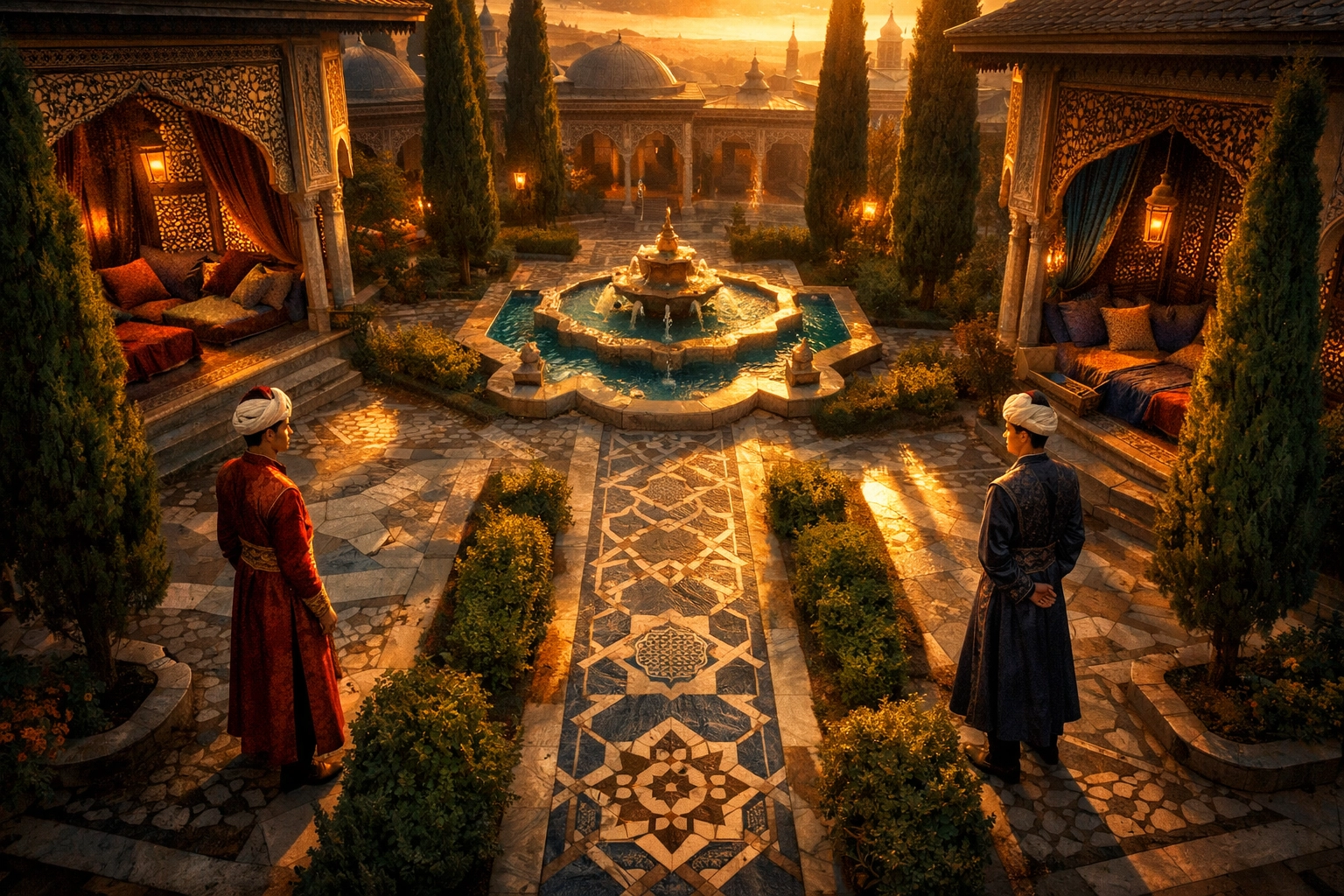
The Courtyard of the Favorites was particularly strategic. With its empty reflecting pool and views over the palace gardens, it served as a boundary between the more public Harem spaces and the Sultan's private quarters. But boundaries, as we know, were made to be tested. The architectural design, with its interconnected chambers, narrow passageways, and hidden alcoves, practically invited secret meetings.
The famous Golden Road, that narrow passage the Sultan used to traverse the Harem, became legendary not just for the coins supposedly tossed to concubines, but for the encounters that happened in its shadowy recesses. When you're dealing with a corridor that only the most powerful person in the empire uses regularly, you can bet others found creative ways to be "accidentally" present.
The Garden as Sanctuary
Ottoman palace gardens weren't your average backyard. They were elaborate landscapes with cypress groves, rose gardens, fountains, and pavilions designed for rest and contemplation. They were also surprisingly private for such grand spaces. The tall hedges, winding paths, and strategically placed fountains created natural barriers, perfect for discreet conversations that needed to stay hidden.
Young pages and palace guards spent significant time in these gardens, ostensibly maintaining them or standing watch. But when you station attractive young men in secluded spots for hours at a time, connections form. The historical records might not spell it out explicitly, but the poetry of the era sure does. Ottoman poets wrote extensively about the beauty of young men, using garden imagery as thinly veiled metaphors for desire.
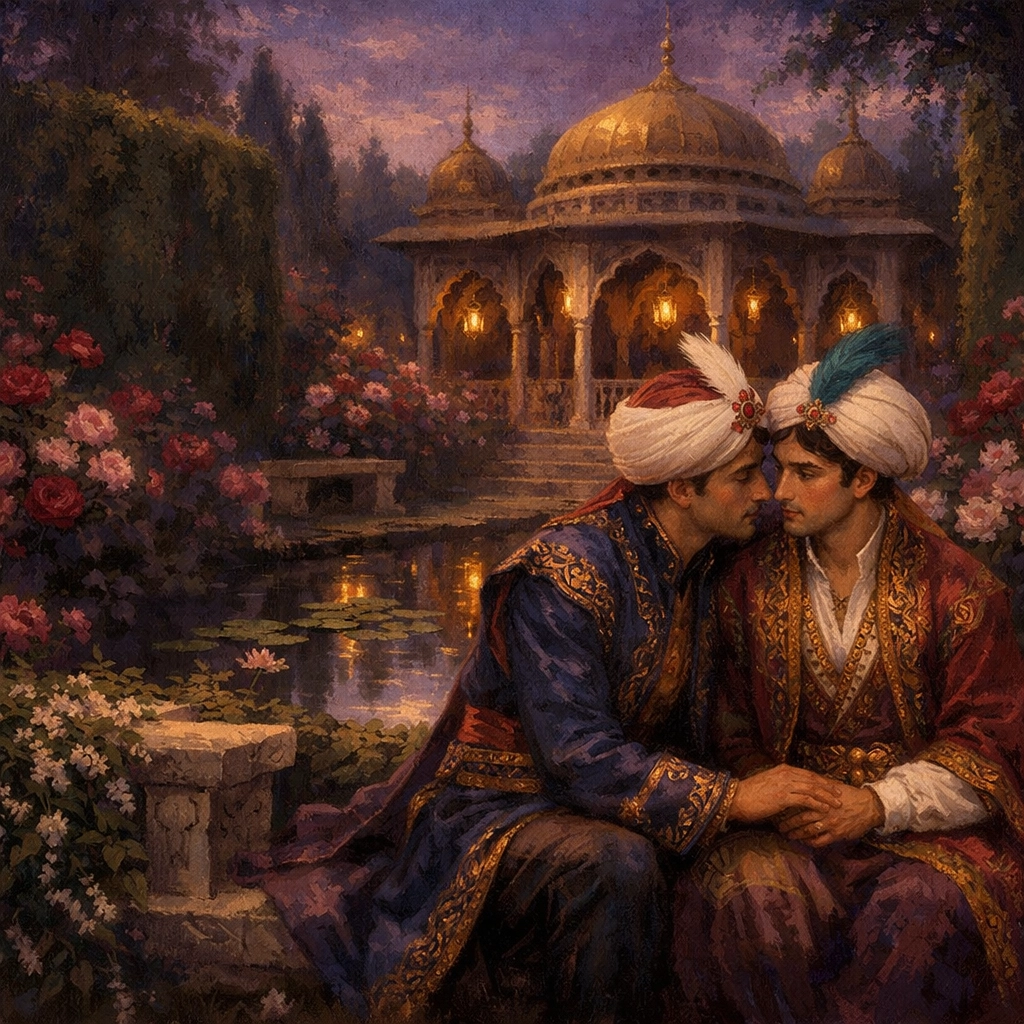
The Courtyard of the Black Eunuchs controlled access to the Harem, but even the guardians sometimes became participants in the palace's secret life. Eunuchs weren't immune to forming deep emotional bonds, and their unique position, trusted by all, suspected by none, made them perfect facilitators for forbidden meetings. Some historical accounts suggest that certain eunuchs wielded enormous soft power precisely because they knew everyone's secrets.
The Sultan's Favorites
History loves to focus on sultans and their harems of women, but the complete picture is more complex. Many Ottoman sultans had what were delicately termed "special favorites" among their pages and attendants. These weren't just servants, they were often educated young men from noble families, chosen for their intelligence, beauty, and refinement.
The relationship between a sultan and his favorites existed in a gray area. Officially, these young men were being trained for administrative positions. Unofficially? Well, the sultans weren't exactly subtle about their preferences. Some favorites rose to positions of tremendous power, far beyond what their official roles would suggest. When a young page suddenly finds himself granted estates, titles, and the Sultan's ear at all hours, people notice.
Love in the Kafes
Perhaps the most heartbreaking stories come from the kafes: the "cage" where royal princes were imprisoned to prevent succession disputes. These were tiny, dark rooms where potential heirs to the throne lived in complete isolation, sometimes for decades. They were allowed minimal contact with the outside world, and their companions were carefully selected.
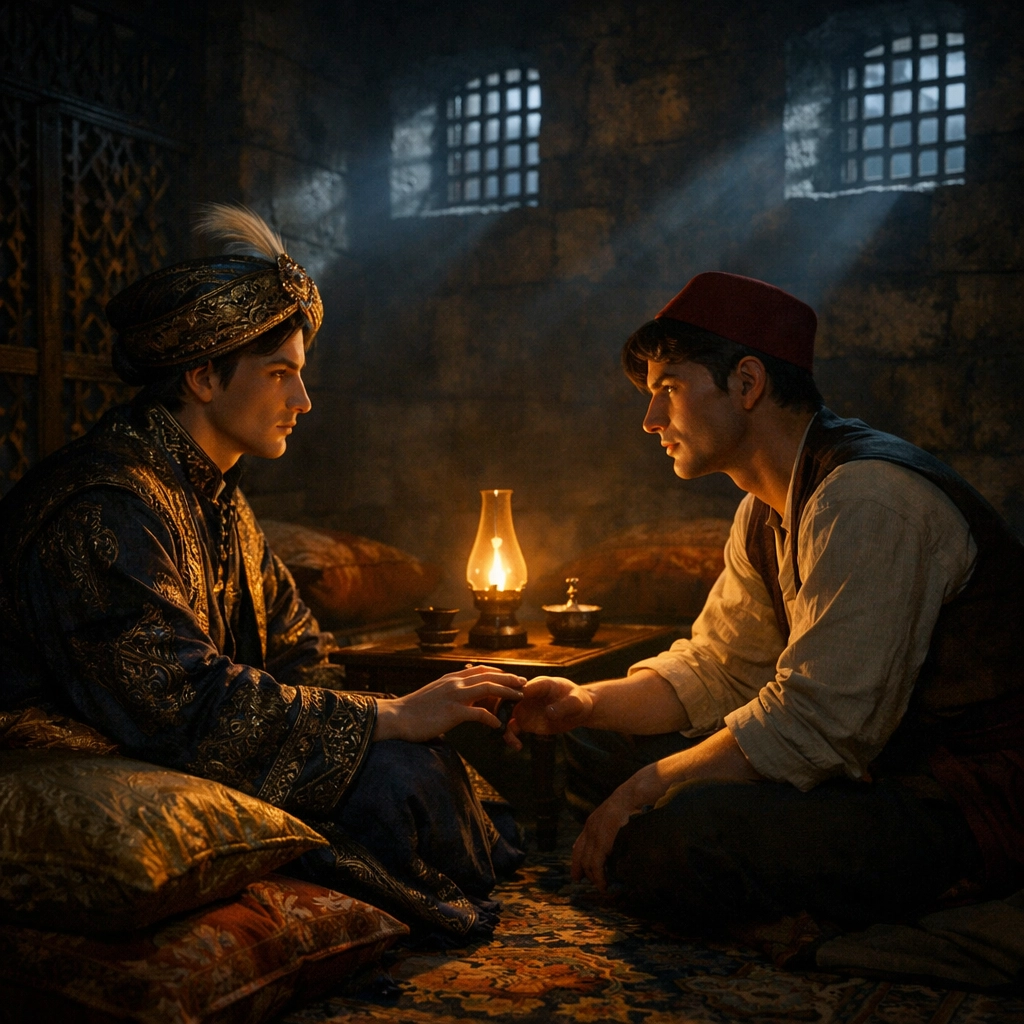
But even in these prison chambers, human connection found a way. The guards, the servants, the few individuals granted access: they became lifelines. Some princes formed intense emotional bonds with their attendants, relationships that were part companionship, part survival mechanism, and sometimes openly romantic. When you're trapped in a gilded cage with only a handful of people for company, the lines between different types of love blur considerably.
Historical accounts mention princes who refused to leave their quarters even after being freed, choosing to remain with the companions they'd grown close to. Others brought their favorite attendants with them when they finally ascended to the throne, granting them positions of honor that raised eyebrows throughout the court.
The Language of Flowers and Poetry
Ottoman courtiers couldn't exactly post thirst traps on Instagram, but they had their own coded language. Flower arrangements carried specific meanings. The type of rose, its color, how it was presented: all conveyed messages that the court's elite could read like texts. A particular bloom left on a garden bench, a specific fountain where one "happened" to appear at the same time each day: these were the Grindr of the Ottoman era.
Poetry was even more direct. Sultans and their courtiers wrote endless verses about the beauty of young men, often using garden imagery. The "rose-cheeked youth," the "cypress-tall beloved," the "moonface" who walks through the garden: these weren't just literary flourishes. They were open secrets, desire expressed through socially acceptable channels.
Modern Echoes
Reading about these secret garden encounters, it's impossible not to draw parallels to queer history everywhere. Whenever society creates rigid boxes for how people should love, humans find creative ways to step outside those boxes. Public parks, bathhouses, certain street corners: every era and culture has its "forbidden gardens" where people seek connection.
The stories from Topkapi remind us that gay romance and LGBTQ+ love stories aren't modern inventions. They've always existed, even in empires that officially denied them. The courage it took for those palace residents to pursue their desires, knowing the risks, deserves recognition.
Finding These Stories Today
If you're fascinated by historical MM romance and want to explore more stories of forbidden love across centuries and cultures, Read with Pride offers a curated collection of gay romance books that bring these hidden histories to life. From gay historical romance set in Ottoman courts to contemporary stories that echo these timeless themes of desire and secrecy, there's a whole world of queer fiction waiting to be discovered.
The beauty of MM romance books is how they can transport us to different times and places while exploring universal themes: the thrill of stolen glances, the risk of forbidden meetings, the courage it takes to love outside society's rules. The gardens of Topkapi may be silent now, but their stories live on in the gay novels and gay love stories that honor these hidden histories.
Follow us for more untold LGBTQ+ stories:
Discover more historical gay fiction and MM romance at Readwithpride.com
#ReadWithPride #MMRomance #GayRomance #LGBTQBooks #QueerHistory #OttomanHistory #HistoricalRomance #GayHistoricalRomance #MMBooks #GayLoveStories #QueerFiction #LGBTQFiction #GayNovels #PrideLiterature #MMRomanceBooks #GayBookClub #QueerReads #HistoricalFiction #TopkapiPalace #OttomanEmpire #HiddenHistory #ForbiddenLove #2026GayBooks #BestMMRomance

Leave a Reply
You must be logged in to post a comment.