

readwithpride.com
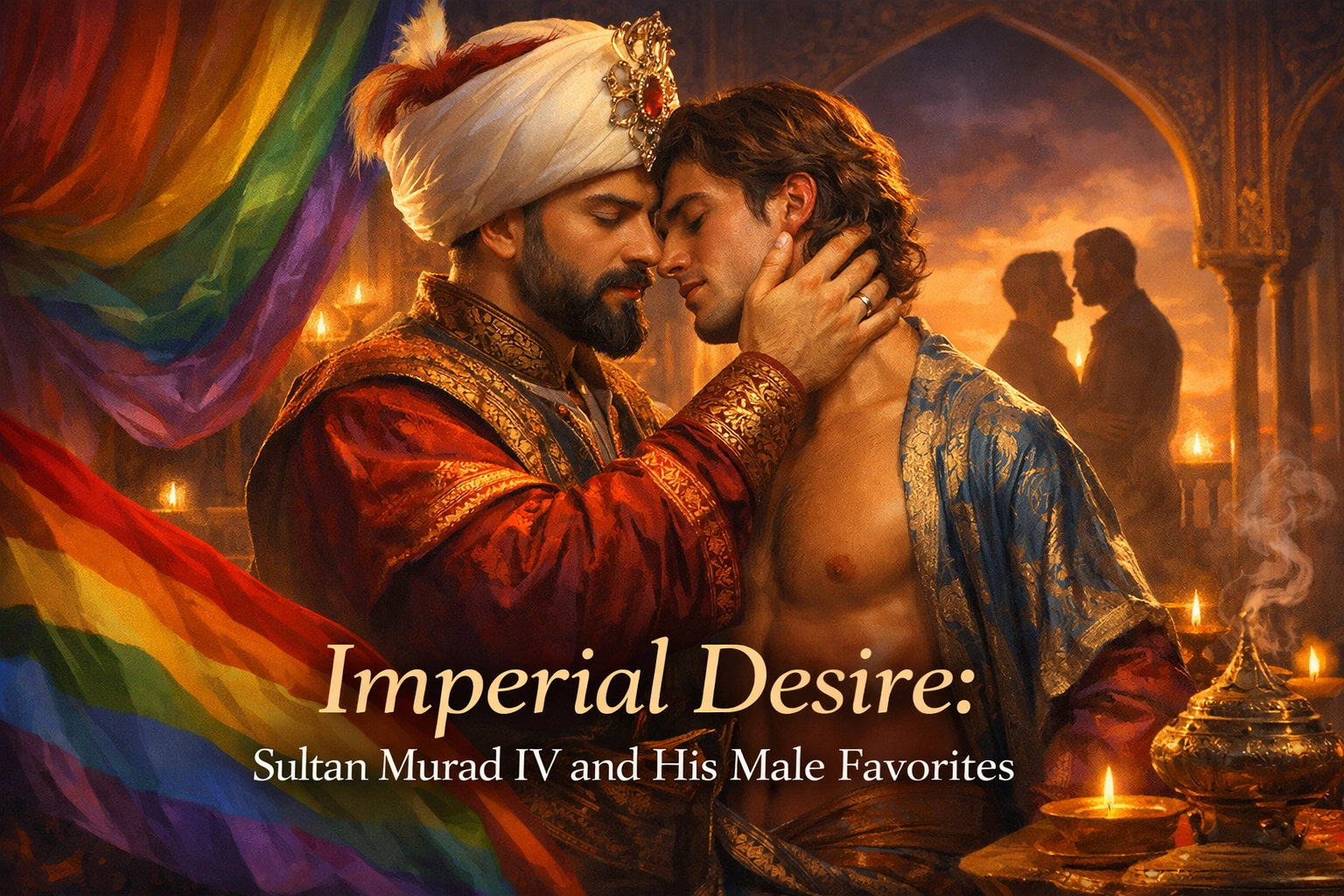
Behind the towering walls of Topkapi Palace in 17th century Istanbul, Sultan Murad IV ruled with an iron fist: but within those same marble corridors, a world of intimate relationships, jealous rivalries, and passionate attachments played out far from public view. The Ottoman court was a place where power, beauty, and desire intertwined in ways that would scandalize some and fascinate others.
The Sultan Who Loved Control
Murad IV ascended to the throne in 1623 at just eleven years old, but by the time he reached manhood, he had become one of the most feared and formidable rulers in Ottoman history. Known for his brutal enforcement of laws: he personally executed subjects for drinking coffee and wine: Murad was obsessed with absolute control over every aspect of his empire and his court.
But control takes many forms, and within the palace walls, the young sultan surrounded himself with beautiful male companions who served not just as advisors and soldiers, but as intimate favorites who shared his private chambers and his bed.
The Culture of Male Favorites
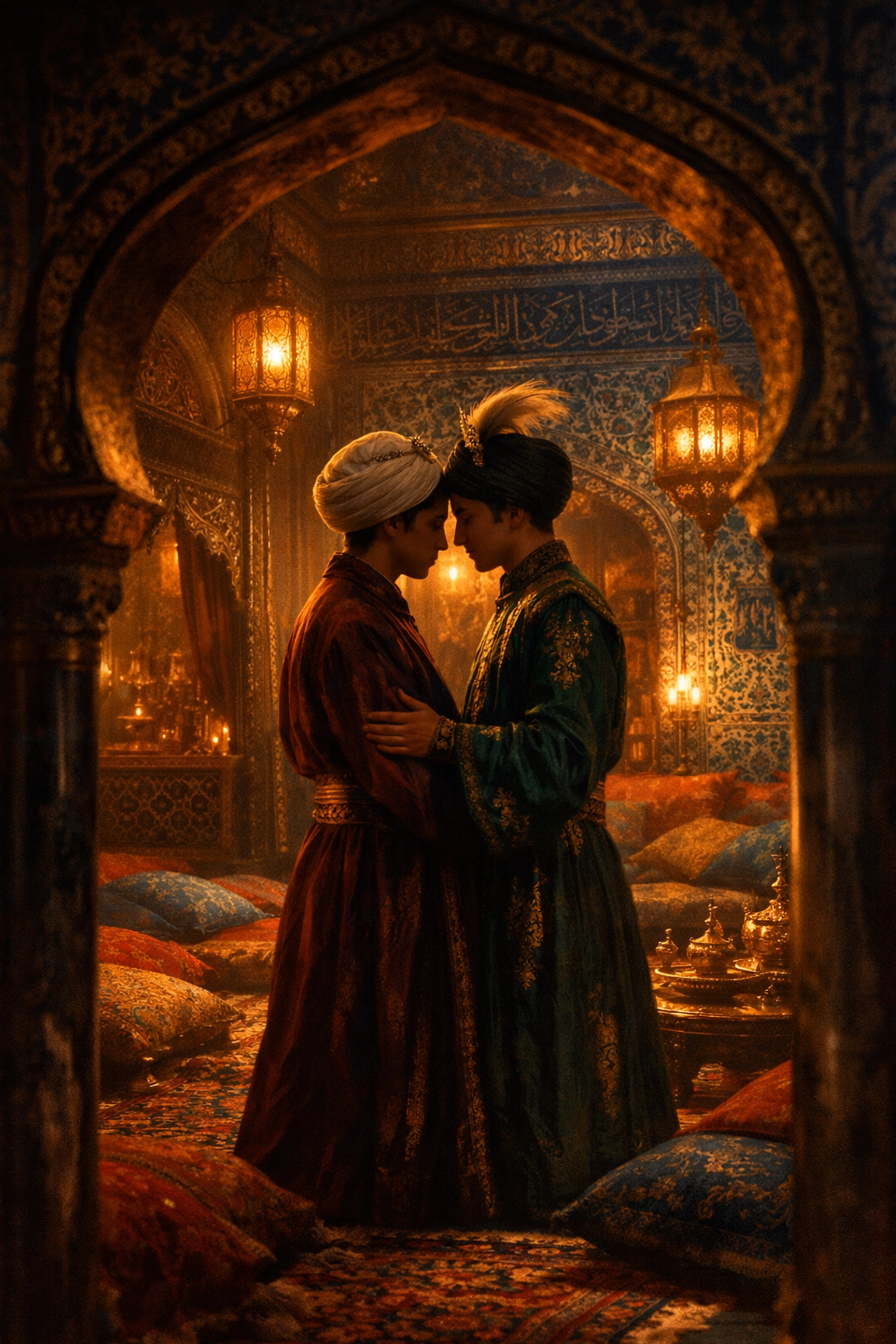
The Ottoman court had a long-established tradition of male favorites, known as "gözde" (meaning "in the eye" of the sultan). These weren't random appointments: they were carefully selected young men, often of extraordinary beauty and intelligence, who would receive the sultan's special attention and affection.
These relationships weren't whispered scandals. They were simply part of palace life, woven into the fabric of Ottoman culture where same-sex desire between men wasn't categorized the way Western societies would later define it. Love, lust, and power mixed freely in the secluded world of the harem and the sultan's private quarters.
The most favored companions enjoyed immense privilege. They wore silk and velvet, dined at the sultan's table, and wielded influence that made ministers nervous. But that privilege came with a price: the sultan's jealous attention and the constant threat of rivals.
Behind Closed Doors
Historical records from Murad IV's reign are frustratingly sparse when it comes to intimate details: Ottoman court historians focused on military conquests and political intrigues rather than bedroom matters. But we know from palace architecture, poetry of the era, and occasional diplomatic accounts that the sultan's private life followed patterns established by his predecessors.
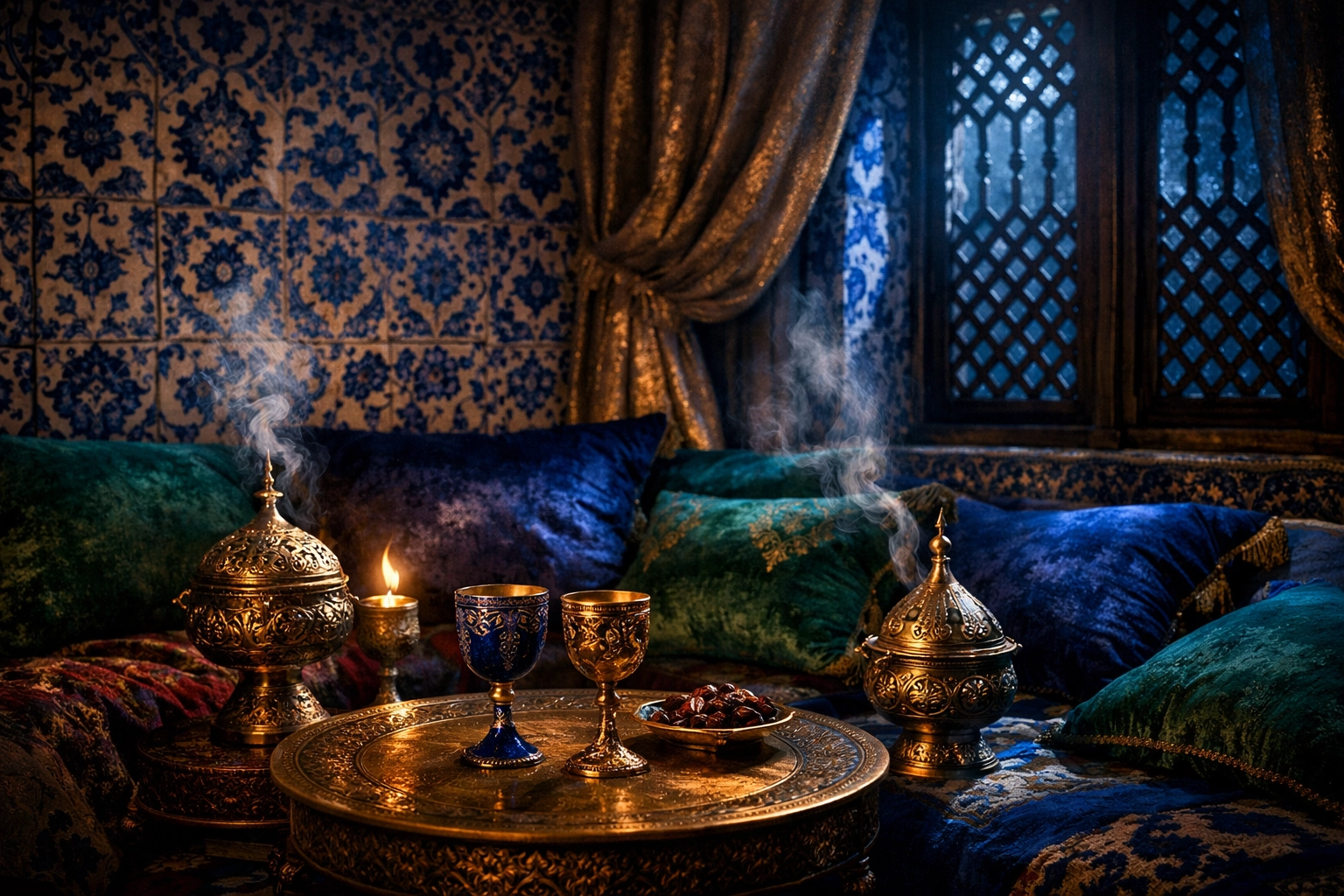
The imperial quarters included secluded chambers where the sultan could retreat with his chosen favorites, away from the eyes of court officials and foreign ambassadors. These spaces were decorated with the finest tiles from Iznik, carpets from Persia, and cushions stuffed with down. Perfume burners filled the air with ambergris and sandalwood. Musicians played softly in adjoining rooms.
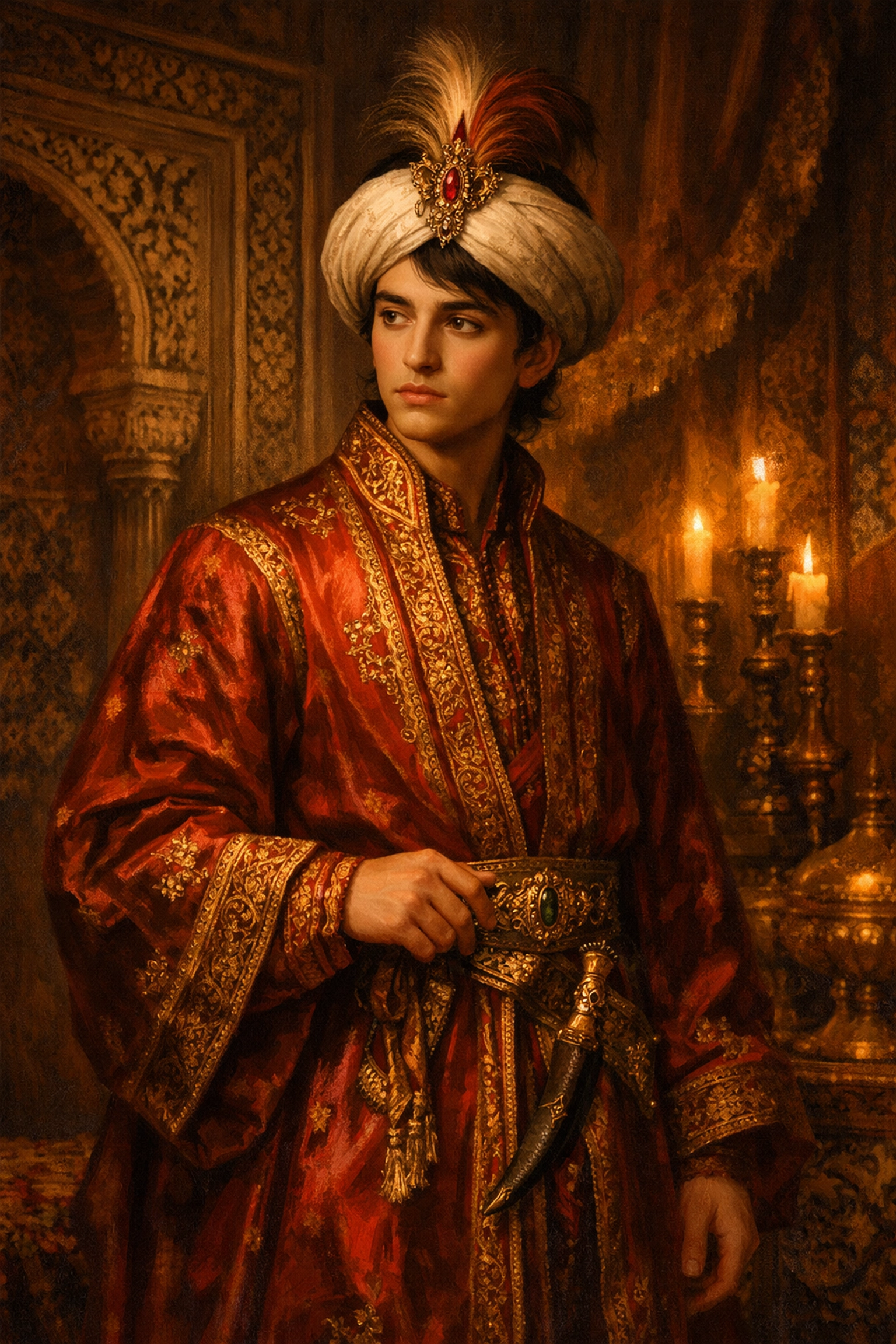
It was in these intimate spaces that bonds formed: bonds that could elevate a young man to positions of extraordinary power or, if the sultan's affection cooled, send him into exile or worse.
The Jealous Sultan
What we do know about Murad IV's personality suggests a man of intense passions and equally intense jealousies. Contemporary accounts describe his violent temper and his need to dominate every situation. That temperament would have extended to his personal relationships.
Court life was a theater of constant competition. Young men vied for the sultan's attention, using wit, beauty, military prowess, and political savvy to maintain their positions. One misstep: a glance that lasted too long at another courtier, a whispered conversation that seemed too intimate, a display of affection to anyone but the sultan: could trigger his legendary rage.
Stories circulated through the palace of favorites who fell from grace overnight. One day draped in jewels and silk, the next exiled to distant provinces or quietly eliminated. In a court where the sultan held absolute power over life and death, love was the most dangerous game.
The Page System
The Ottoman palace operated a sophisticated system for training young men who might catch the sultan's eye. Boys, often from Christian families in the Balkans, were brought to the palace as pages at young ages. They received education in languages, poetry, music, horsemanship, and warfare.
The most beautiful and talented among them might advance through the ranks of palace service, eventually gaining access to the inner court where they could be noticed by the sultan himself. This system ensured a constant supply of educated, refined young men who understood the intricacies of court life and could serve as companions as well as administrators.
For Murad IV, who came of age within this system, it was natural to form close bonds with these young men. They were his peers in age, his companions in leisure, and potentially, his lovers in private.
Poetry and Passion
Ottoman poetry from this era is rich with homoerotic themes. Poets celebrated the beauty of beardless youths, the pain of unrequited love between men, and the intoxication of desire. These weren't underground texts: they were mainstream literature, read aloud in gardens and copied by scribes.
While we don't have love poems definitively attributed to Murad IV himself, we know he was educated in this literary tradition. The language of male desire was part of his cultural vocabulary. Whether he ever penned verses to a favorite, or received them, is lost to history: but the possibility tantalizes.
Power Dynamics and Desire
The relationship between a sultan and his favorites was never equal. The power imbalance was absolute. Yet within that framework, genuine affection could flourish alongside political calculation. A favorite might love his sultan and also recognize that his survival depended on maintaining that love.
For MM romance readers interested in historical gay romance with complex power dynamics, the Ottoman court offers fascinating territory. These weren't simple love stories: they were negotiations of desire, power, security, and genuine emotion all wrapped together in silk and danger.
The Legacy of Secrecy
When Murad IV died in 1640 at just 27 years old, worn out by his excessive lifestyle and possibly by syphilis, whatever intimate letters or personal journals he might have kept disappeared. The Ottoman court was skilled at managing sultans' legacies, and anything too scandalous would have been destroyed.
What remains are fragments: architectural evidence of private chambers, poetry that hints at passion, diplomatic reports that occasionally mention handsome young courtiers, and the structural evidence of the page system that funneled beautiful young men into the sultan's orbit.
Why These Stories Matter
For readers at Read with Pride, exploring these historical relationships serves multiple purposes. First, it reminds us that queer desire has always existed, in every culture and every era. The language and categories may change, but the human heart remains constant.
Second, these stories challenge Western assumptions about sexuality and history. The Ottoman Empire didn't organize same-sex desire into the closeted, shame-based framework that developed in Christian Europe. Men could love men, hold power, and command respect: all at the same time.
Finally, these hidden histories provide rich material for LGBTQ+ fiction and gay historical romance. The Ottoman court, with its intrigue, passion, violence, and beauty, offers storytellers incredible possibilities.
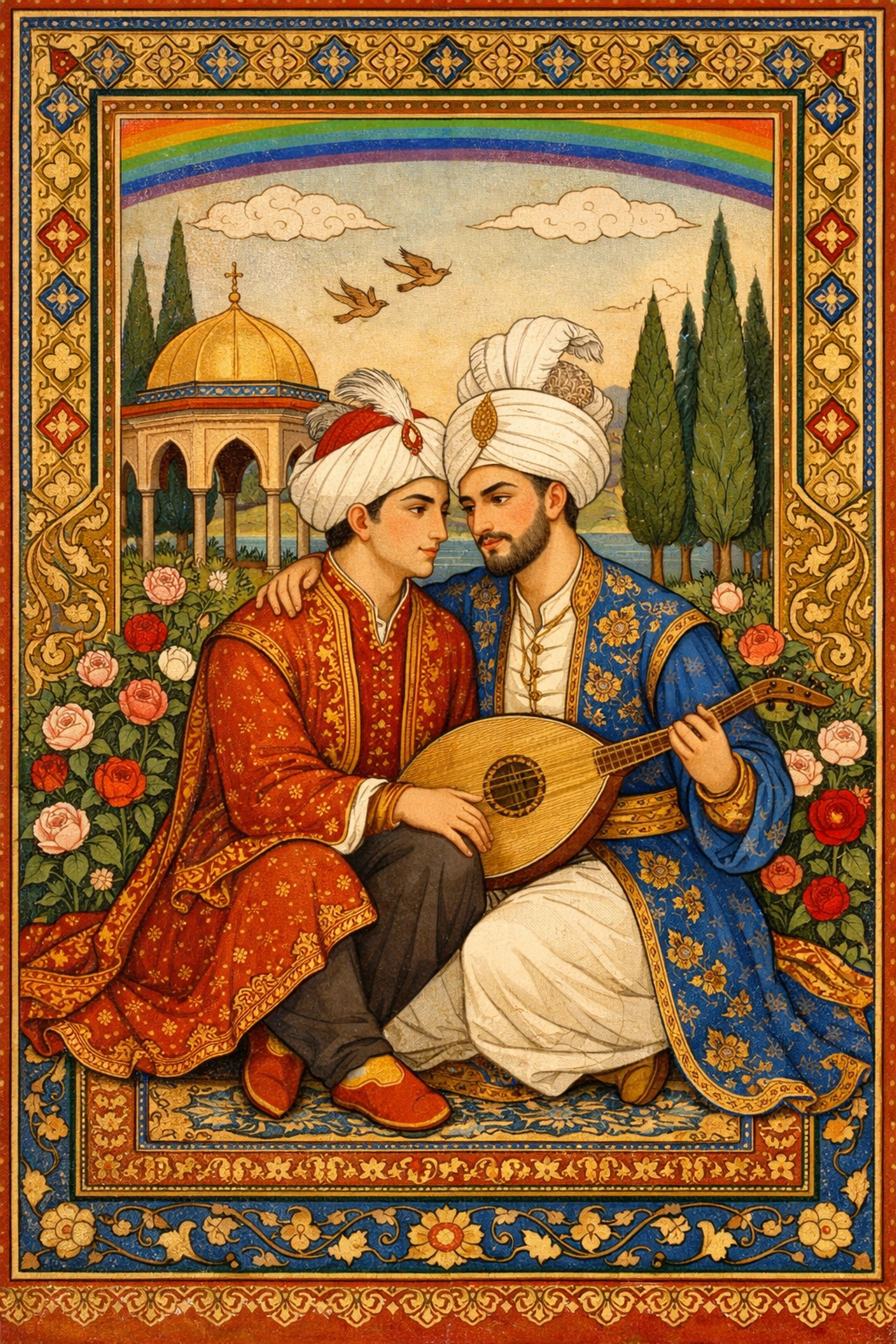
The truth about Sultan Murad IV's intimate life may never be fully known. But the world he inhabited: a world where male beauty was celebrated, where favorites wielded power through their sultan's affection, and where passion and politics mixed behind palace walls: that world is worth remembering and exploring.
For those of us who love MM romance books with historical depth, gay love stories set against backdrops of power and danger, the Ottoman palace offers endless fascination. These weren't simple times or simple relationships. They were as complicated, painful, passionate, and beautiful as love has always been.
Explore more hidden histories and passionate gay romance novels at readwithpride.com. Follow us on Facebook, Instagram, and X for daily doses of LGBTQ+ fiction and historical discoveries.
#MMRomance #GayHistoricalRomance #OttomanEmpire #ReadWithPride #LGBTQHistory #GayRomanceBooks #HistoricalGayRomance #QueerHistory #MMHistoricalRomance #GayLoveStories #LGBTQFiction #GayNovels #2026GayBooks #MMRomanceBooks

Leave a Reply
You must be logged in to post a comment.