

readwithpride.com
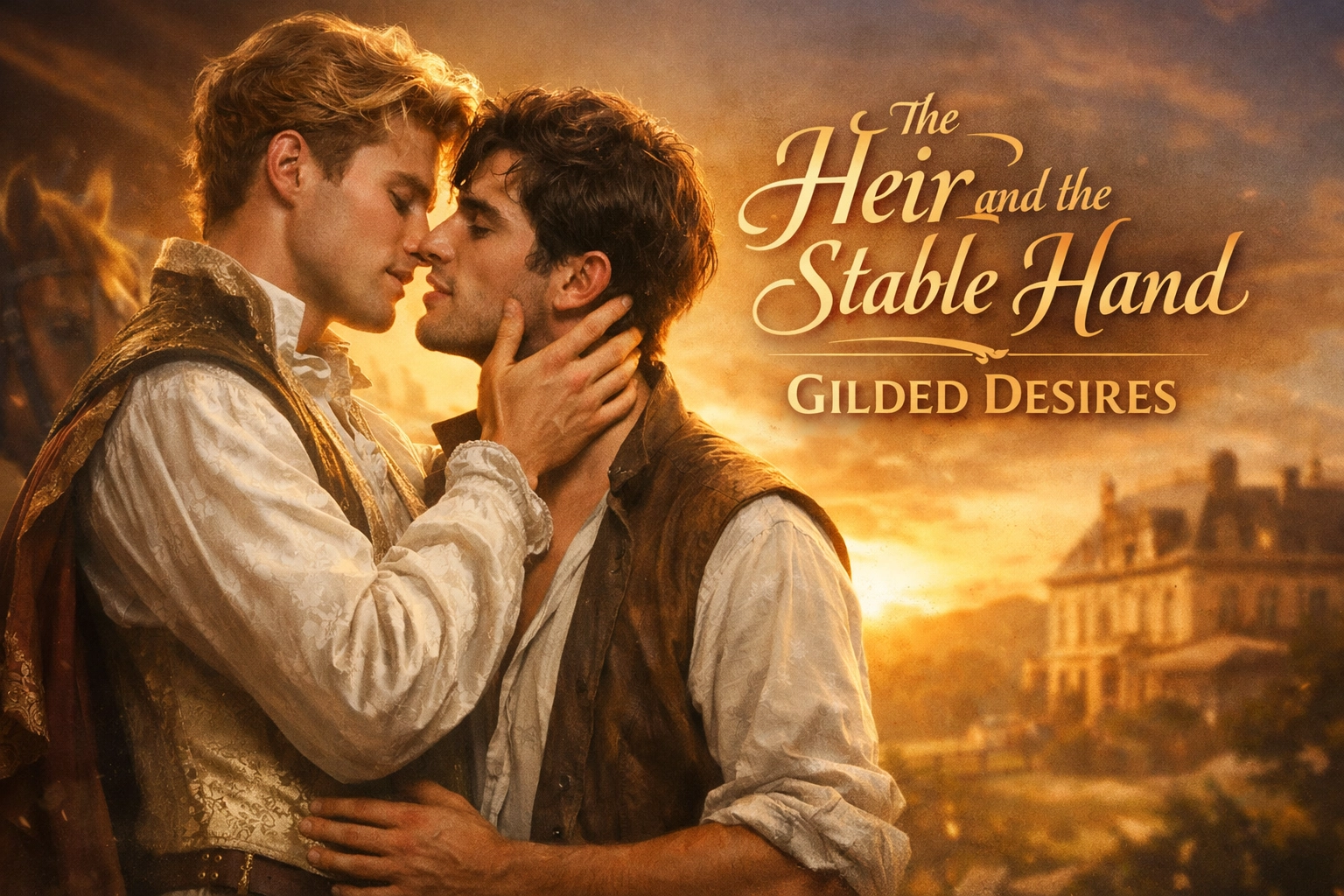
The marble floors of the Fifth Avenue mansion gleamed under crystal chandeliers, but Alexander Whitmore couldn't have cared less about the fortune that surrounded him. His eyes were fixed on the stables, where a different kind of wealth existed, one measured in honest labor, calloused hands, and a smile that made his carefully constructed world feel like a gilded cage.
The Gilded Age of New York wasn't just about robber barons and society balls. Behind the glittering facade of America's wealthiest families, there were secret stories that never made it into the social pages, stories of desire that crossed the most forbidden boundary of all: class.
When Worlds Collide
Thomas O'Brien arrived at the Whitmore estate in the spring of 1892, fresh off the boat from Ireland with nothing but a recommendation letter and the kind of determination that poverty breeds. He was hired to tend the family's prized horses, expected to remain invisible except when his labor was needed. That was how it worked for people like him, present but unseen.
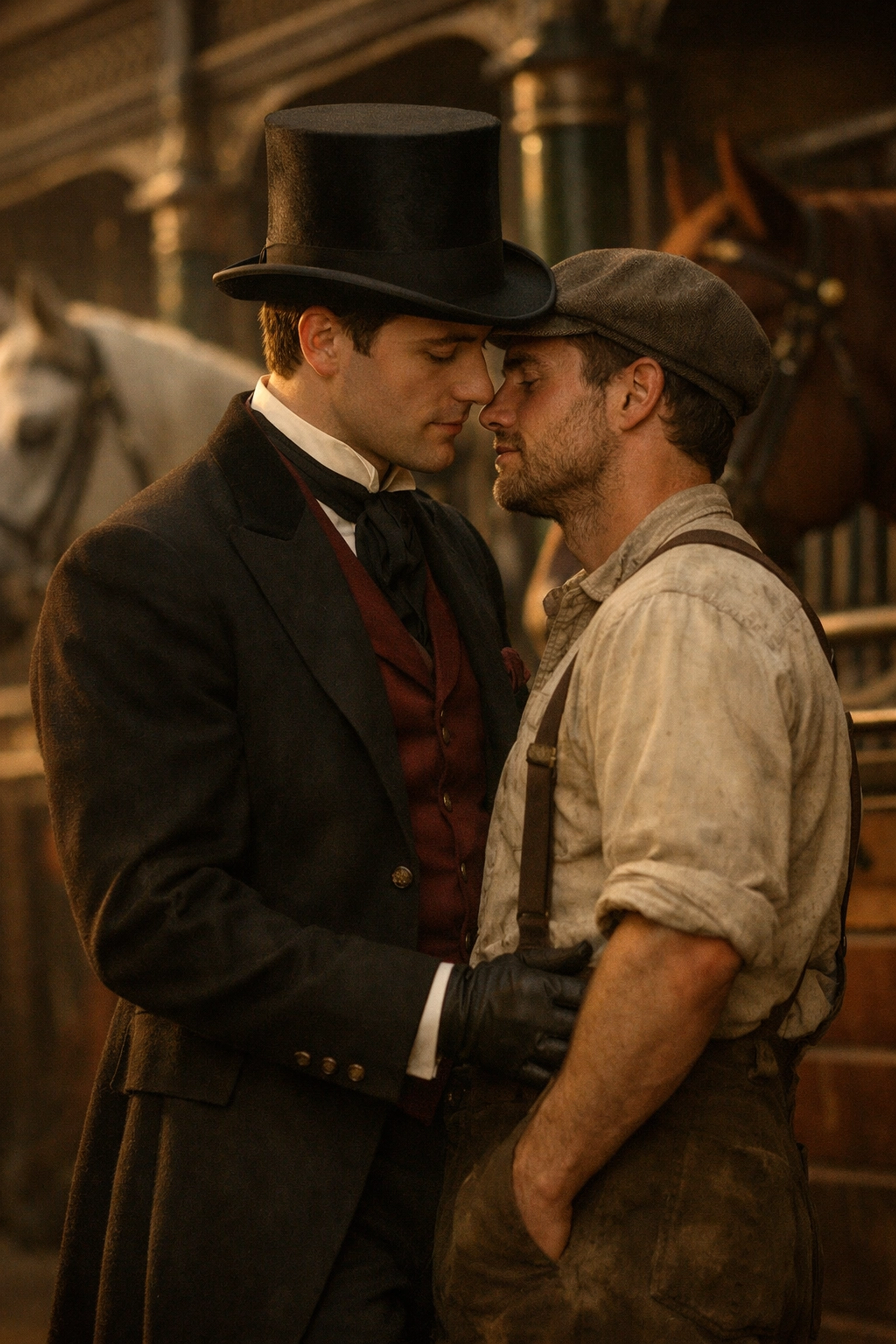
Alexander first noticed Thomas during a riding lesson. Not the man's work, but the way sunlight caught the copper in his dark hair. The way his shoulders moved beneath a worn linen shirt. The way he spoke to the horses with a gentleness that Alexander's own family had never shown to anyone, including each other.
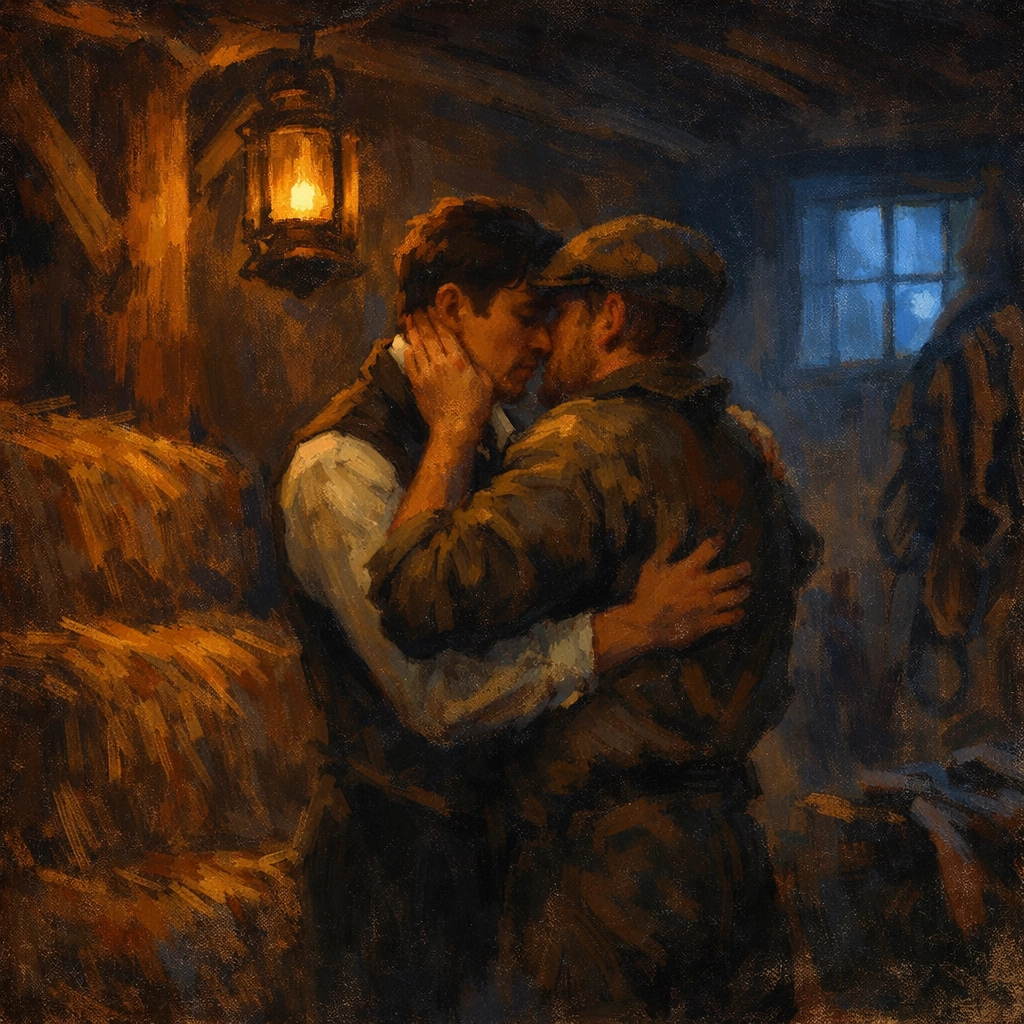
Their first real conversation happened by accident. Alexander had escaped another tedious dinner party, seeking refuge in the stables where champagne-fueled laughter couldn't reach him. Thomas was there, cleaning tack by lantern light, and for the first time in his twenty-two years, Alexander felt like someone saw him, not his inheritance, not his family name, just him.
The Price of Wanting More
In the Gilded Age, the distance between the mansion and the stable quarters might as well have been the width of the Atlantic. The American aristocracy had built its wealth on rigid hierarchies, and crossing those invisible lines came with consequences that could destroy lives.
For Alexander, there was the constant weight of expectation. His father, J.P. Whitmore, had built a railroad empire and expected his son to marry into the Astor or Vanderbilt families, producing heirs who would carry on the dynasty. There were already whispers about Alexander's lack of interest in the debutantes paraded before him at every society function. His mother, sharp-eyed and calculating, had started watching him with an uncomfortable intensity.
Thomas faced different but equally harsh realities. His wages, barely enough to send money home to his starving family in County Cork, could vanish in an instant if anyone discovered the truth. Servants whispered. Coachmen gossiped. In the rigid hierarchy below stairs, everyone knew everyone's business. One wrong look, one moment of carelessness, and he'd be thrown out without reference, condemned to the poverty that had chased him across an ocean.
The stolen moments between them existed in constant danger. Late-night meetings in the tack room, conversations disguised as riding instructions, letters written in careful code and immediately burned. Every touch was an act of rebellion. Every kiss was treason against the social order that kept men like J.P. Whitmore in power and men like Thomas O'Brien in service.
Love in the Age of Consequence
What the romance novels of the era never mentioned, what polite society refused to acknowledge, was that men like Alexander and Thomas existed everywhere. In the gentlemen's clubs of Manhattan, certain rooms had certain reputations. In the bathhouses downtown, entire communities thrived in the shadows. But these spaces came with their own dangers.
The New York Society for the Suppression of Vice, led by the zealous Anthony Comstock, had made it their mission to root out "moral corruption." Police raids were common. Men were arrested, their names published in newspapers, their lives destroyed. For someone of Alexander's class, it might mean forced commitment to an asylum, chemical treatments, or exile to Europe. For Thomas, it meant prison, and likely death from the brutal conditions inside.
They both knew these risks. Every historical account from this period tells the same story: gay romance in the Gilded Age wasn't just forbidden, it was criminalized, pathologized, and punished with a viciousness that modern readers can barely comprehend.
Yet they couldn't stop. Love doesn't calculate odds or measure consequences. It simply is.
The Reality of Class Warfare
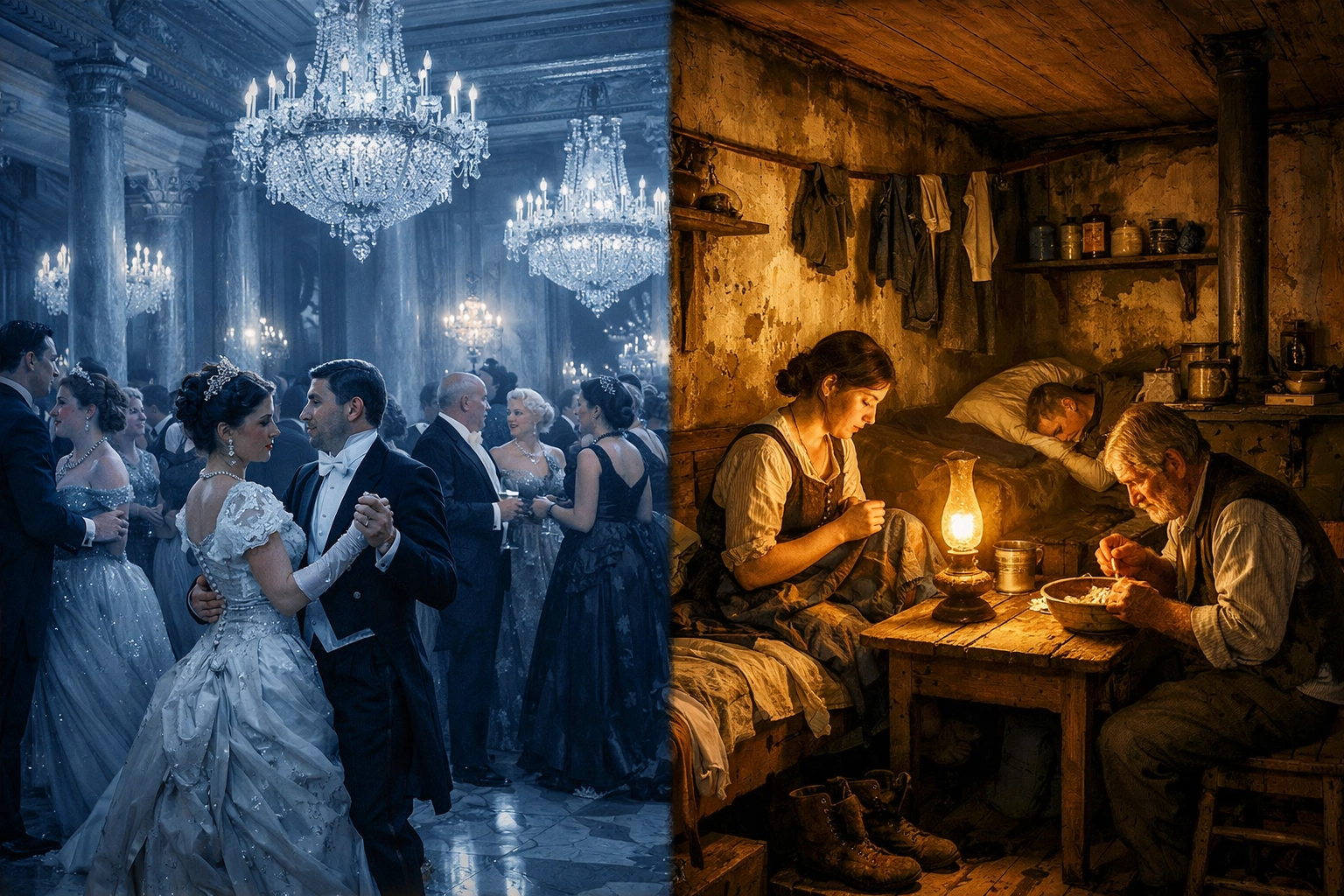
The wealth gap during the Gilded Age was obscene. While families like the Whitmores spent $250,000 on a single ball (approximately $7 million today), their servants worked sixteen-hour days for $20 a month. Thomas lived in a cramped room above the carriage house, sharing space with three other stable hands. Alexander's bedroom suite was larger than most working-class homes.
This wasn't just about money, it was about fundamental human worth. In the eyes of society, Alexander was inherently valuable simply by virtue of his birth. Thomas was disposable, replaceable, barely human in the calculations of men like J.P. Whitmore.
When Alexander tried to give Thomas gifts, a decent coat, books, anything to ease the harsh reality of his life, Thomas would refuse. Not out of pride, but out of terror. Gifts created paper trails. Unexplained possessions raised questions. In a world where every transaction was noticed and every relationship scrutinized, even kindness became dangerous.
This is the reality that MM romance books set in historical periods must grapple with, not every story has a happy ending. Not every love conquers all. Sometimes the systems designed to keep people apart are too powerful, too entrenched, too willing to destroy anyone who challenges them.
The Weight of Impossible Choices
By the summer of 1893, the situation had become untenable. Alexander's father had arranged an engagement to Caroline Rutherford, daughter of a steel magnate. The wedding was set for October. Meanwhile, one of the upstairs maids had noticed Alexander's frequent visits to the stables and had started asking pointed questions.
They met one final time in the hayloft where everything had begun. Thomas had already made his decision, he would leave, find work elsewhere, disappear into the anonymous masses of New York's working poor. It was the only way to keep Alexander safe.
Alexander begged him to stay, promising they'd find a way. But Thomas, who had survived famine and emigration and poverty, understood what Alexander, sheltered by wealth despite everything, couldn't quite grasp: there was no way. Not in this world. Not in this lifetime.
The historical records of the Gilded Age are full of these erasures, relationships that existed in the margins, loves that left no trace except in the occasional journal entry written in code, or letters discovered decades later and immediately destroyed by scandalized descendants.
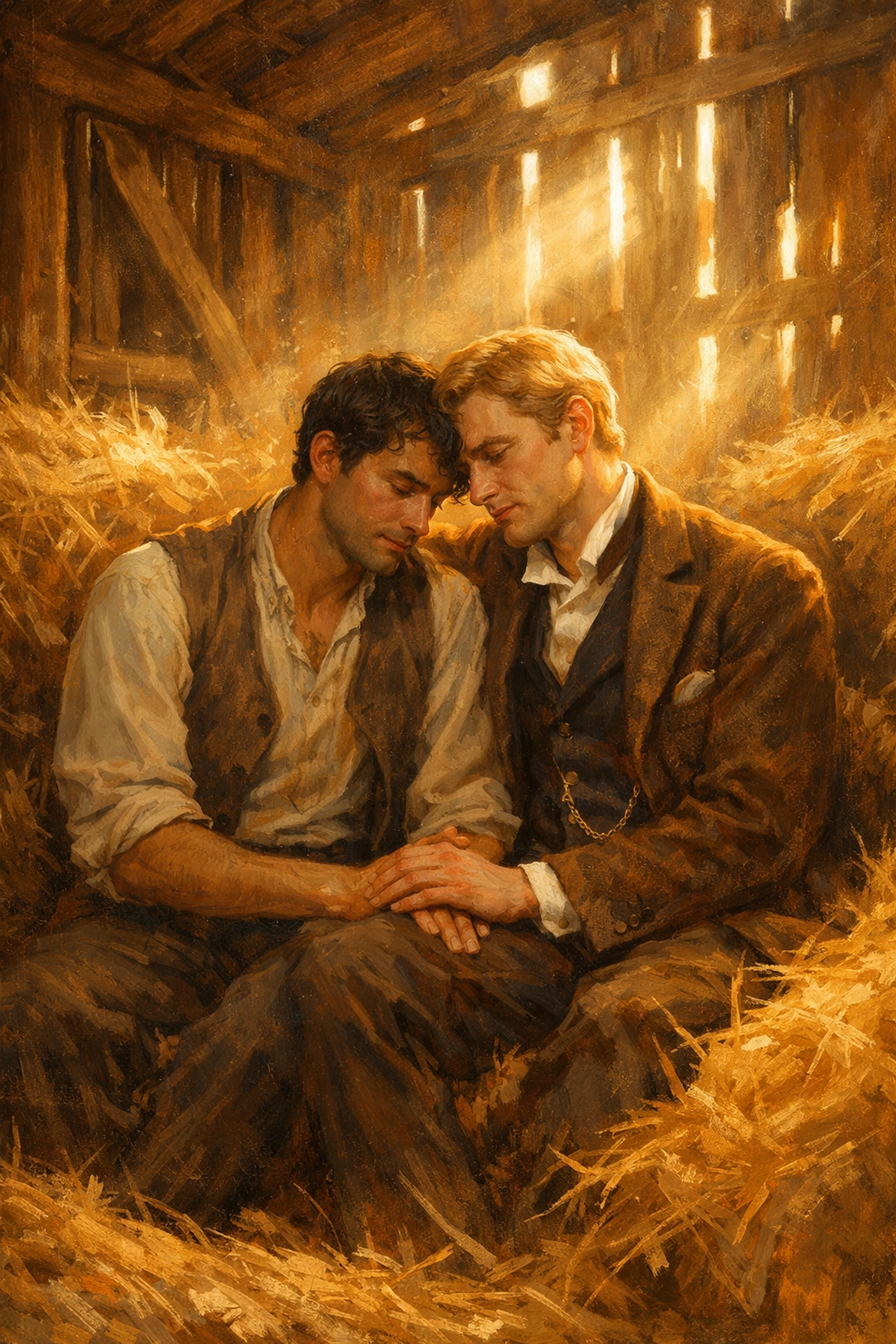
Finding Our Stories
This is why spaces like Read with Pride matter. For too long, stories like Alexander and Thomas's have been buried, dismissed, or written out of history entirely. The queer experiences of the past, especially those that crossed class boundaries, have been systematically erased by people uncomfortable with their existence.
But we're reclaiming these narratives. Every gay romance novel that honestly depicts historical hardship, every MM fiction story that refuses to sanitize the past, every piece of LGBTQ+ literature that acknowledges both love and loss, these are acts of resistance and remembrance.
The Gilded Age wasn't gilded for everyone. Behind the marble facades and crystal ballrooms, people loved desperately and dangerously. They made impossible choices. They survived when survival seemed impossible. And yes, sometimes they lost everything.
Their stories deserve to be told: not with a Hollywood ending artificially grafted on, but with honesty about what it cost to be queer in an era that criminalized existence itself. This is the legacy we carry forward, the history we refuse to forget.
Explore more LGBTQ+ historical romance and authentic queer stories at readwithpride.com. Because every love story matters, especially the ones society tried to erase.
Follow us on Facebook, Instagram, and X for more stories that celebrate queer history and romance.
#ReadWithPride #MMRomance #GayHistoricalRomance #LGBTQFiction #GayRomanceBooks #QueerHistory #GildedAge #HistoricalMMRomance #GayLoveStories #LGBTQBooks #MMHistoricalFiction #ClassDivide #QueerLiterature #GayFiction #AuthenticLGBTQStories #2026GayBooks #MMRomanceBooks2026

Leave a Reply
You must be logged in to post a comment.