

readwithpride.com
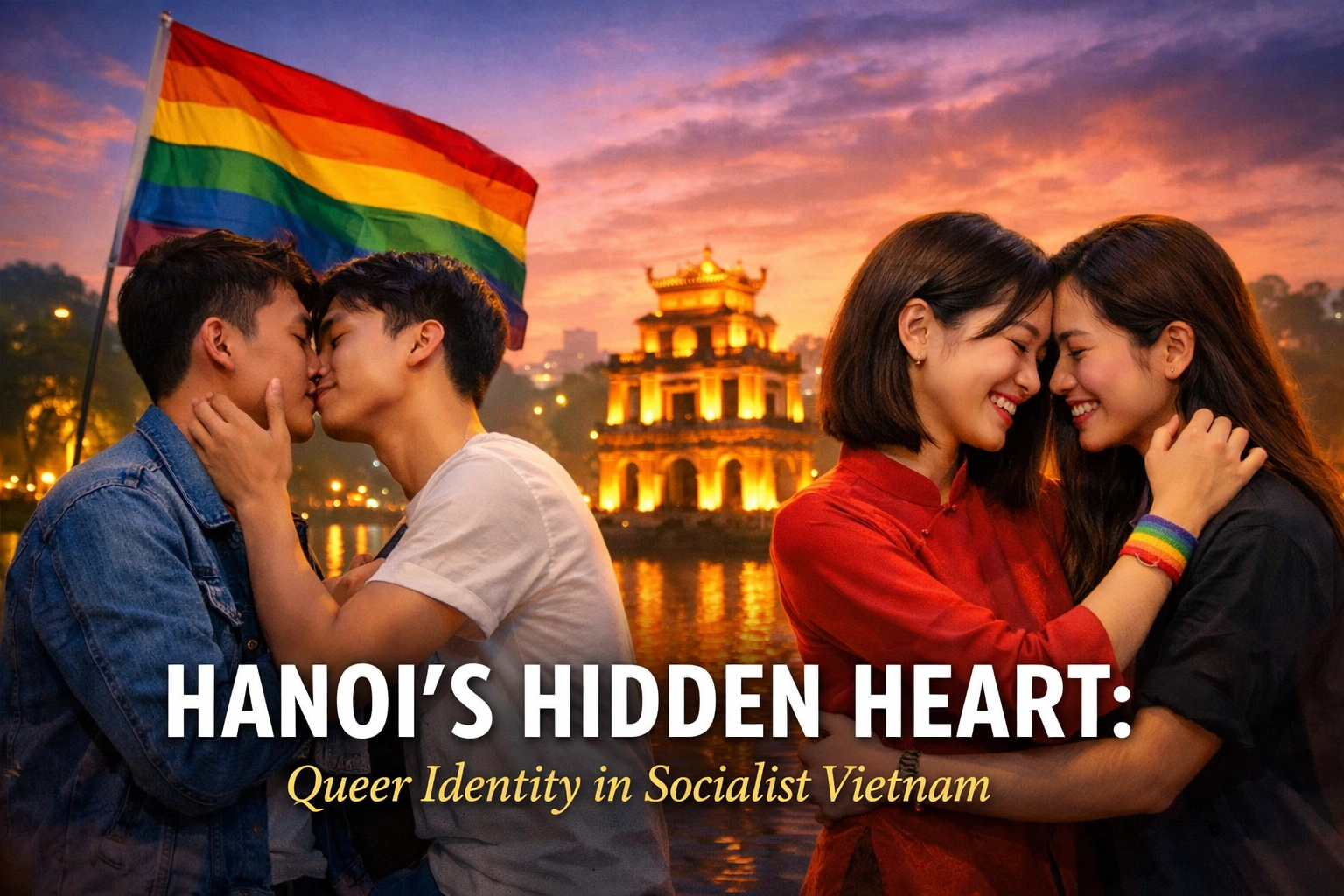
The café sat tucked between a silk shop and a motorbike repair stand, its entrance barely marked except for a small rainbow sticker in the corner of the window. Inside, the air hung thick with Vietnamese coffee and whispered conversations. This was Hanoi in the early 2010s: a city where queer love existed in the margins, spoken about in careful tones, lived out in private moments stolen from a society still negotiating what socialism, tradition, and personal freedom meant together.
For decades, Vietnam's LGBTQ+ community existed primarily in two places: behind closed doors and on the internet. The socialist framework that governed public life didn't explicitly criminalize queerness the way many neighboring countries did, but it also didn't celebrate it. There was a peculiar kind of limbo: not illegal, not quite accepted, and definitely not visible.
When the Internet Was the Only Safe Space
Before physical queer spaces began emerging in Hanoi, the internet served as the primary meeting ground for Vietnam's gay and lesbian communities. Dating apps, private Facebook groups, and online forums became the digital closets where people could express themselves freely without fear of family judgment or social consequences.
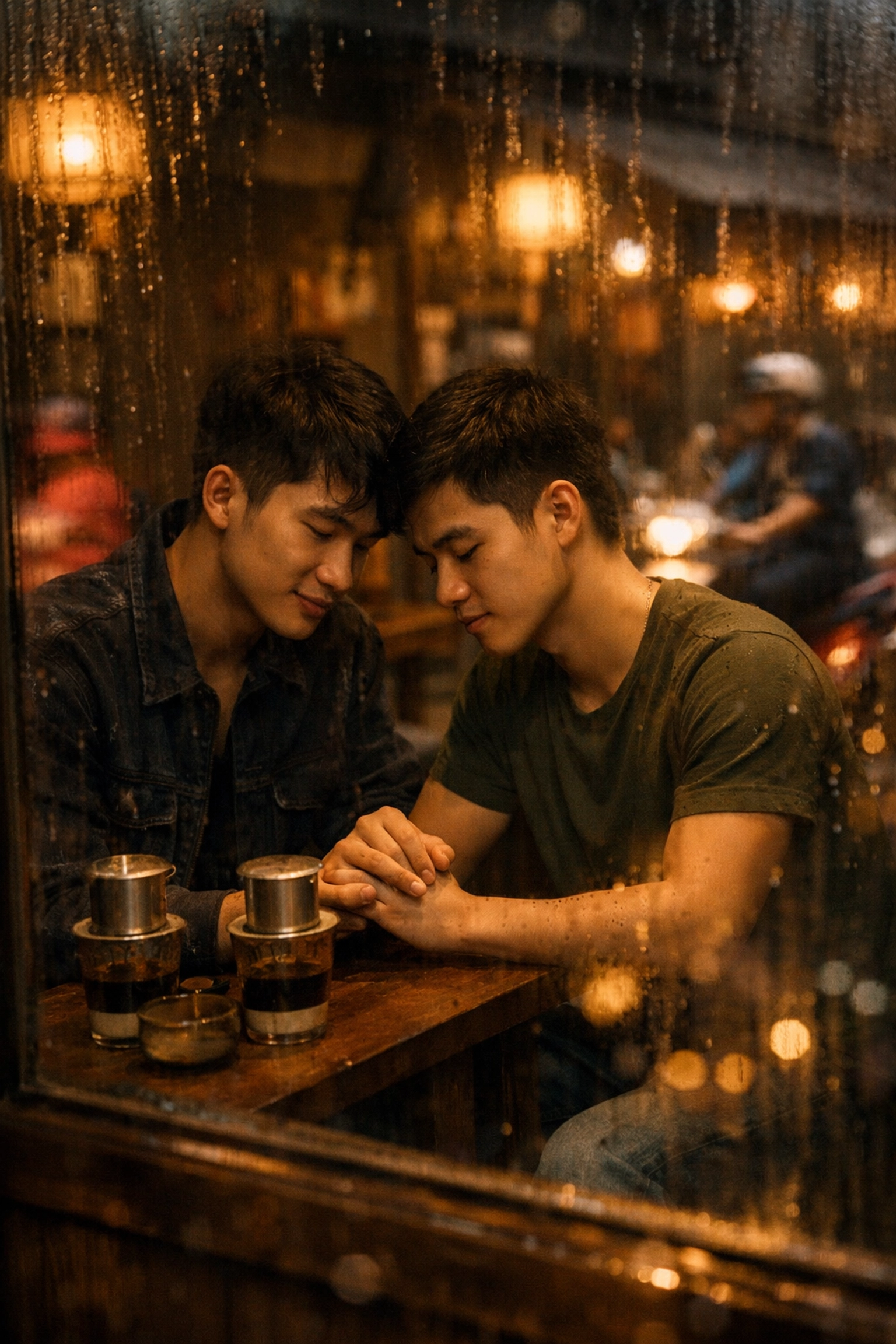
It was lonely work, this piecing together of identity through screens and chat messages. Young queer Vietnamese would scroll through profiles, looking for connection, for someone who understood the particular weight of living in a society where filial piety and socialist collectivism both demanded conformity. The pressure to marry, to produce grandchildren, to fulfill traditional family roles didn't disappear just because you were gay: it intensified.
But the internet, while safer, was also isolating. You could read all the gay romance novels and MM romance books you wanted online, could consume Western queer culture through films and forums, but actually living queerness: dancing with other gay men, holding hands in public, existing in community: that remained largely impossible.
The Birth of Something New
Then came 2016, and with it, Snug. The queer club night launched that year wasn't just another party: it was a deliberate attempt to build something that didn't exist before. Founder Ouissam looked at Hanoi's queer scene and saw it for what it was: too serious, too hidden, too limited. So Snug introduced eclectic music, explicit inclusivity, and most importantly, joy.
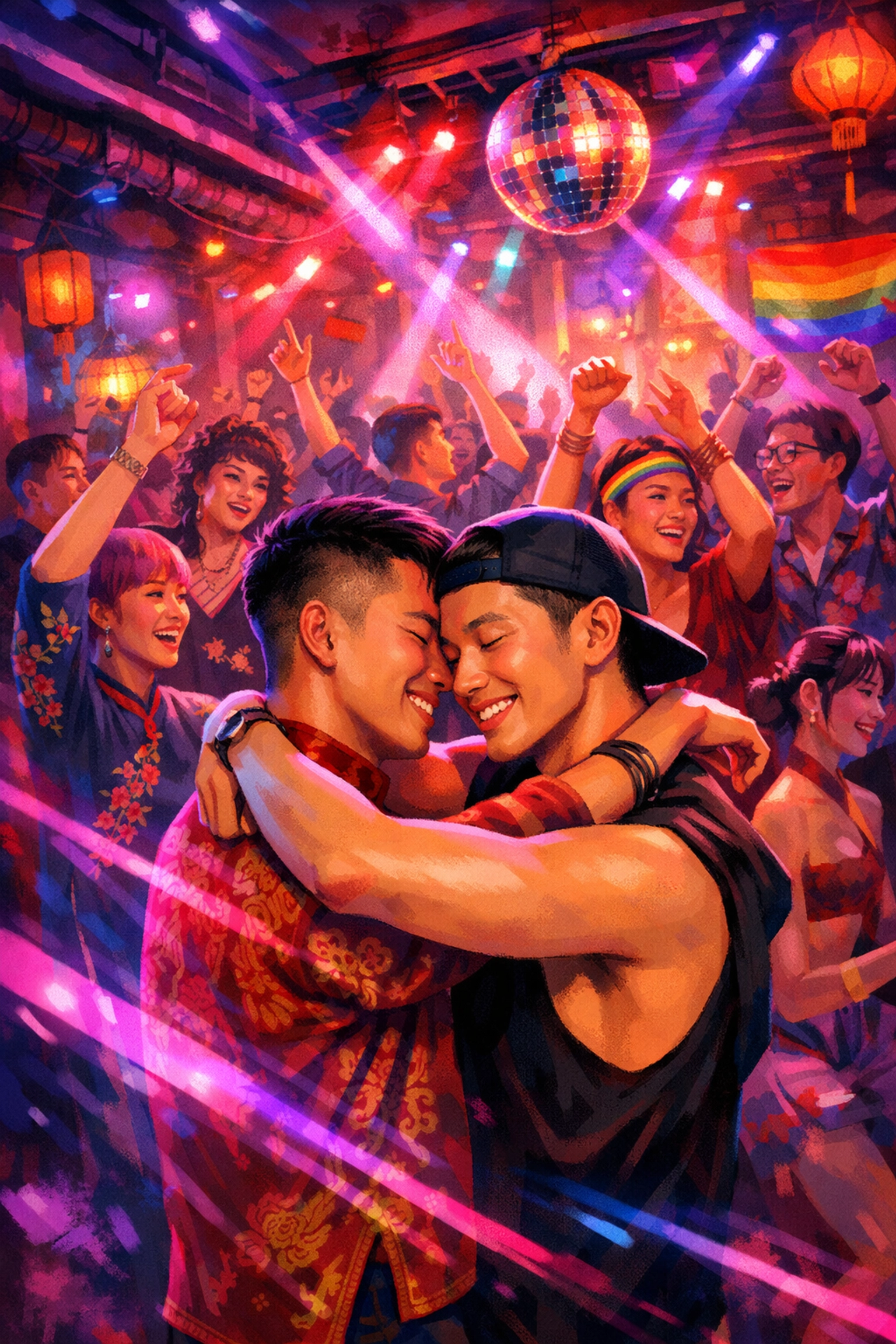
The response was immediate. Around 600 people started showing up monthly to these events. For a community that had spent years connecting solely through screens, the chance to exist together in physical space felt revolutionary. This wasn't just about music or dancing: it was about visibility, about claiming space in a city that had long relegated queerness to the shadows.
What made Snug particularly transformative was its refusal to replicate Western gay club culture wholesale. Instead, it created something distinctly Vietnamese: a space where local sensibilities mixed with queer expression, where you could be both Vietnamese and gay without having to choose one identity over the other.
Performance as Resistance
By 2018, Snug partnered with Peach, a drag collective that brought performance art into Hanoi's queer landscape. This wasn't drag in the American pageant tradition: it was something more fluid, more experimental, more willing to embrace performers who "might not fit into other shows and venues."
The performances became acts of cultural translation. How do you do drag in a country where gender roles are already negotiated through different cultural frameworks? How do you celebrate queerness in a society where individual expression has historically been subordinated to collective good?
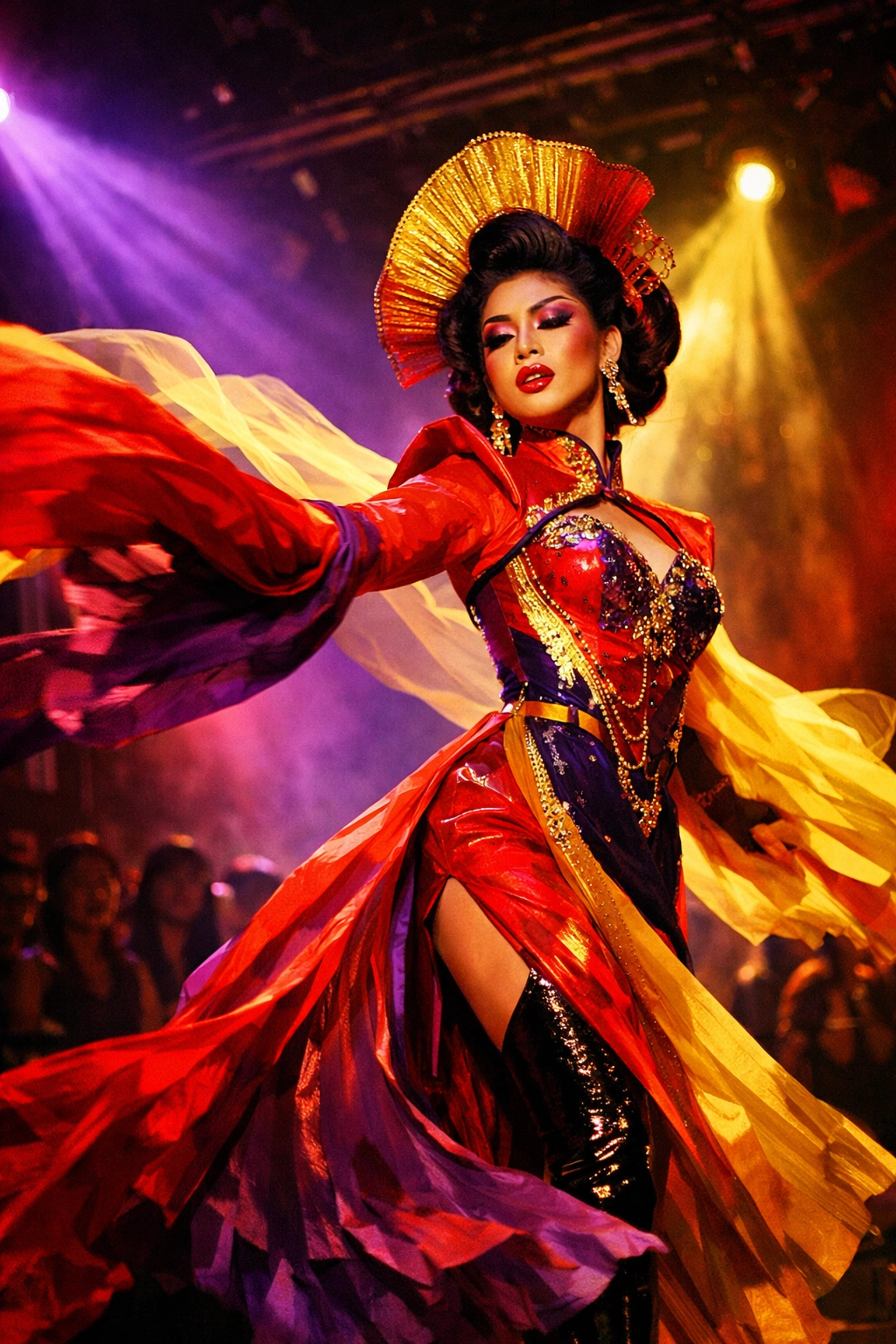
Peach's answer was to let the art be what the performers and audience wanted it to be: not prescriptive, not following Western templates, but organically Vietnamese. The shows became spaces where queer identity could be performed, celebrated, and witnessed by community members who had spent so long performing heterosexuality in their daily lives.
Stories That Reflect Reality
Around the same time, nineteen-year-old Bảo Châu Nguyễn launched the Hanoi International Queer Film Week. The motivation was simple but profound: Vietnamese films, when they featured queer characters at all, portrayed them as jokes or tragedies. There was no middle ground, no stories of ordinary gay love stories or everyday queer existence.
The film festival brought international queer cinema to Hanoi, showing audiences that LGBTQ+ characters could be heroes, could be boring, could be complex and human rather than punchlines or cautionary tales. For young queer Vietnamese consuming these films, it was the first time many had seen themselves reflected on screen as fully realized people.
This hunger for authentic representation explains why platforms like readwithpride.com resonate so deeply with global LGBTQ+ audiences. When mainstream culture fails to tell your stories: or tells them badly: you seek them out wherever you can find them. Whether that's in MM fiction from international authors or in local film festivals curated by teenagers who refuse to accept the limited narratives they've been offered.
The Unique Vietnamese Context
Here's what makes Vietnam's queer story different: the country has never enacted anti-gay laws. While neighbors like Singapore maintained colonial-era sodomy laws well into the 21st century, and other Southeast Asian nations actively persecuted their LGBTQ+ citizens, Vietnam simply… didn't.
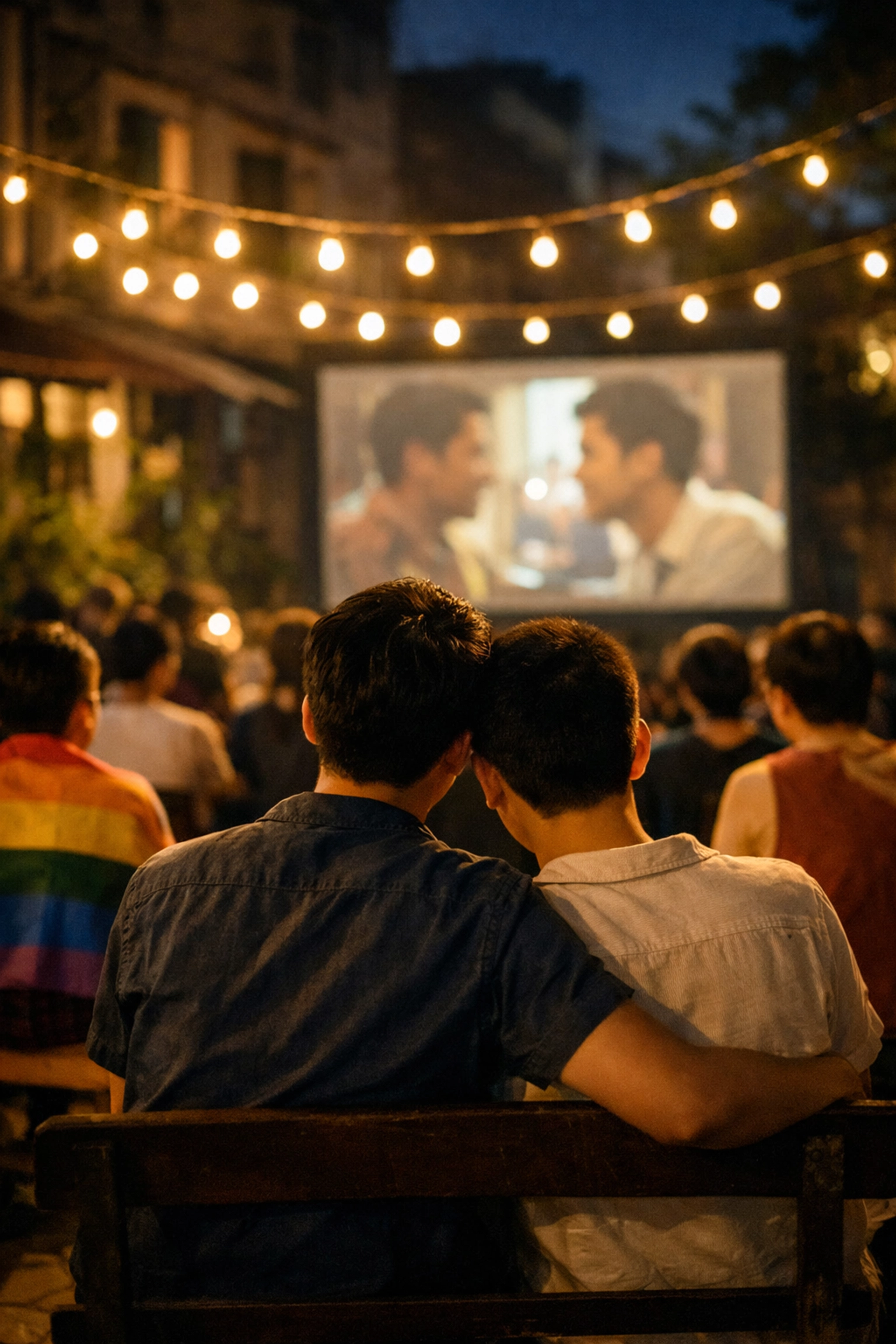
This doesn't mean Vietnamese queer life was easy: far from it. Social pressure, family expectations, and socialist morality codes created their own forms of oppression. But the absence of legal persecution meant that when activists pushed for change, they weren't fighting to decriminalize existence: they were fighting for recognition, for rights, for visibility.
By the time Hanoi's queer scene began emerging publicly in the mid-2010s, Vietnam had already removed bans on same-sex cohabitation from its marriage law. The government's approach was typically pragmatic: not enthusiastically supportive, but not actively hostile either. It created a strange space for advocacy, one where progress felt possible even if full equality remained distant.
Building Community Through Activism
Organizations like Hanoi Queer emerged to connect the LGBTQ+ community and promote queer culture while working to shift social attitudes. Viet Pride, held annually, became a major event featuring parades, art exhibitions, and performances: public celebrations that would have been unthinkable a decade earlier.
These weren't just parties or political demonstrations: they were acts of community building. After years of isolation, of meeting only online or in carefully hidden spaces, Vietnamese LGBTQ+ people were creating structures that could sustain a movement, that could support individuals through the ongoing challenges of existing as queer in a society still negotiating what that meant.
The grassroots nature of these efforts mirrors how queer communities have always survived: through chosen family, through underground networks, through the patient work of building something from nothing. It's the same spirit that drives readers to seek out queer fiction and gay novels that reflect their experiences, that makes community spaces like Read with Pride matter beyond just being another bookstore or website.
The Work Continues
Today, Hanoi's queer scene continues evolving. The spaces that were revolutionary in 2016 are now established institutions. New venues emerge, pushing boundaries further. Young queer Vietnamese grow up with access to community spaces their predecessors could only dream of.
But challenges remain. Family pressure to marry opposite-sex partners continues. Employment discrimination exists even without explicit laws. The delicate balance between visibility and safety still requires constant navigation.
What's changed is the foundation. There's now infrastructure: physical spaces, activist organizations, cultural events: that didn't exist before. Young queer people in Hanoi don't have to build everything from scratch the way earlier generations did. They inherit a legacy of resistance, of joy carved out of difficult circumstances, of communities that refused to remain hidden forever.
The cafés are still there, tucked between silk shops and repair stands. But now the rainbow stickers are a little bigger, the conversations a little louder, the future a little more visible. Hanoi's hidden heart is learning, slowly, to beat in public.
Discover more stories of queer resilience and love at readwithpride.com, where authentic LGBTQ+ fiction and MM romance books celebrate the full spectrum of queer experiences.
Follow us:
Facebook | Instagram | X/Twitter
#ReadWithPride #LGBTQHistory #QueerVietnam #GayHistory #MMRomance #QueerFiction #LGBTQStories #GayLoveStories #HanoiQueer #SocialistVietnam #QueerAsia #GayRomanceBooks #LGBTQCommunity #QueerResistance #GayRomance #MMBooks #PrideInAsia #QueerActivism #LGBTQRights #GayFiction

Leave a Reply
You must be logged in to post a comment.