

readwithpride.com
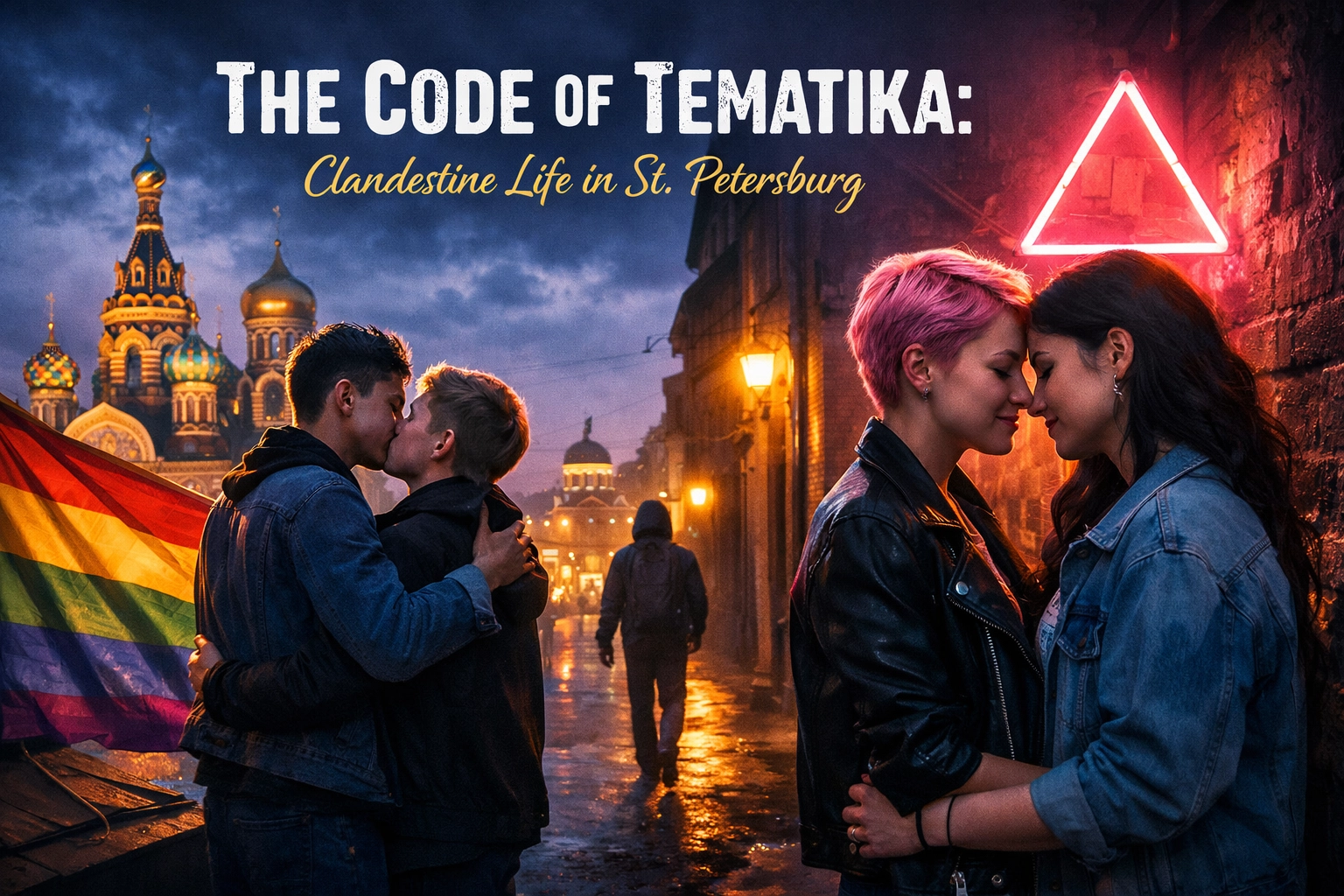
In the frozen streets of 1980s St. Petersburg, where the Neva River cuts through centuries of imperial grandeur and Soviet surveillance, another current flowed beneath the surface. It was a current of glances, whispered words, and carefully coded invitations. They called them "tematika": theme parties: but the real theme was survival, connection, and the audacious act of being yourself when the state had deemed your very existence illegal.
The Language of Survival
"Are you going to the tematika this weekend?" The question sounded innocent enough to anyone listening. Just friends discussing a themed party, perhaps a costume affair or a birthday celebration. But to those who knew, who were part of the inner circle, the word carried weight far beyond its literal meaning. Tematika was the password, the wink across a crowded room, the thread that connected dozens, then hundreds of gay men across Leningrad: as St. Petersburg was still known then.
The Soviet state had criminalized homosexuality under Article 121, carrying a penalty of up to five years in labor camps. But more than the law, it was the atmosphere of fear, the constant surveillance, the neighbors who reported everything unusual to the local Party representative. In this environment, the underground gay community of St. Petersburg developed a linguistic artistry that would have impressed any cryptographer.
The Art of the Invitation
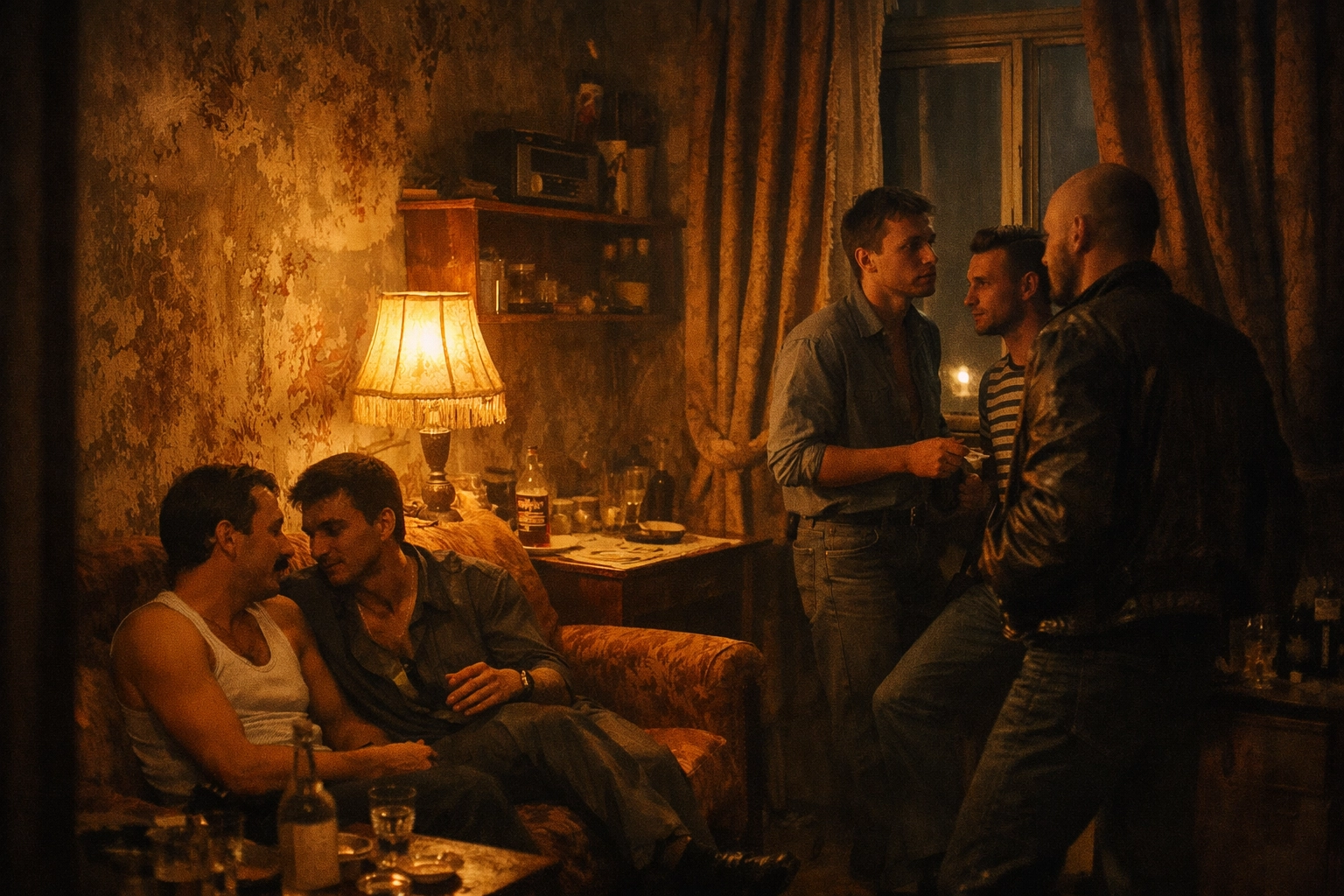
Getting invited to a tematika required connections, trust, and an almost telepathic ability to recognize your own. There were no flyers, no advertisements, no phone numbers scrawled on bathroom walls. Instead, information traveled through a network of trusted friends and acquaintances, each link in the chain carefully vetted.
"We're having a small gathering Saturday. Very cultural." The emphasis on "cultural" was deliberate: it signaled that this wasn't just any party. The word "small" meant intimate, safe, screened. And Saturday, always Saturday, when the working week ended and people had legitimate reasons to be out late.
Locations changed constantly. One week it might be an artist's studio in a crumbling pre-revolutionary building near the Fontanka Canal. The next, a music teacher's apartment on Vasilyevsky Island. The hosts were usually those with legitimate reasons to have visitors: artists, musicians, intellectuals whose profession provided cover for social gatherings.
Inside the Tematika
Walking into a tematika was like crossing through the looking glass. Outside, the grey Soviet reality of queues, shortages, and conformity. Inside, suddenly: color, music, laughter, and the intoxicating freedom to simply exist. Men danced with men. Makeup appeared from hidden bags. Western music, strictly controlled or banned outright, poured from carefully concealed tape players.
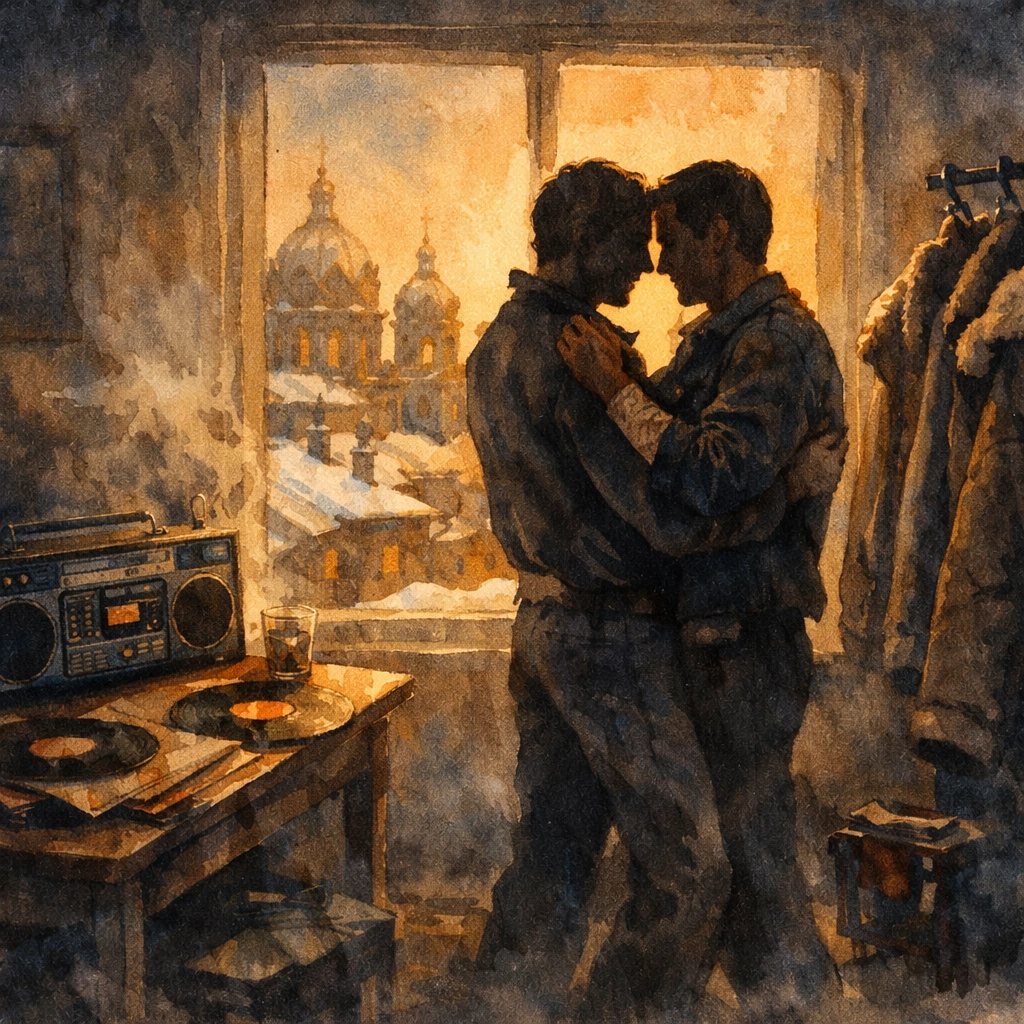
The parties had their own rituals and hierarchies. The "organizers" were respected figures in the community, often connected to artistic or theatrical circles where nonconformity was slightly more tolerated. They were the keepers of the network, the ones who decided who could be trusted and who couldn't.
Ballet dancers from the Mariinsky Theatre mingled with factory workers. University students debated literature with taxi drivers. In this space, the rigid Soviet class system dissolved. What mattered was that you were part of the club, that you understood the code, that you could be trusted not to betray the others when the party ended and everyone returned to their double lives.
The Vocabulary of Discretion
The community developed an entire lexicon of coded terms. "Our people" meant gay men. "Understanding" described someone who was either gay or sympathetic. A "blue" gathering referenced the stereotype without saying it outright. Even the word "gay" itself, borrowed from English, became a kind of code since most Soviet citizens wouldn't recognize it.
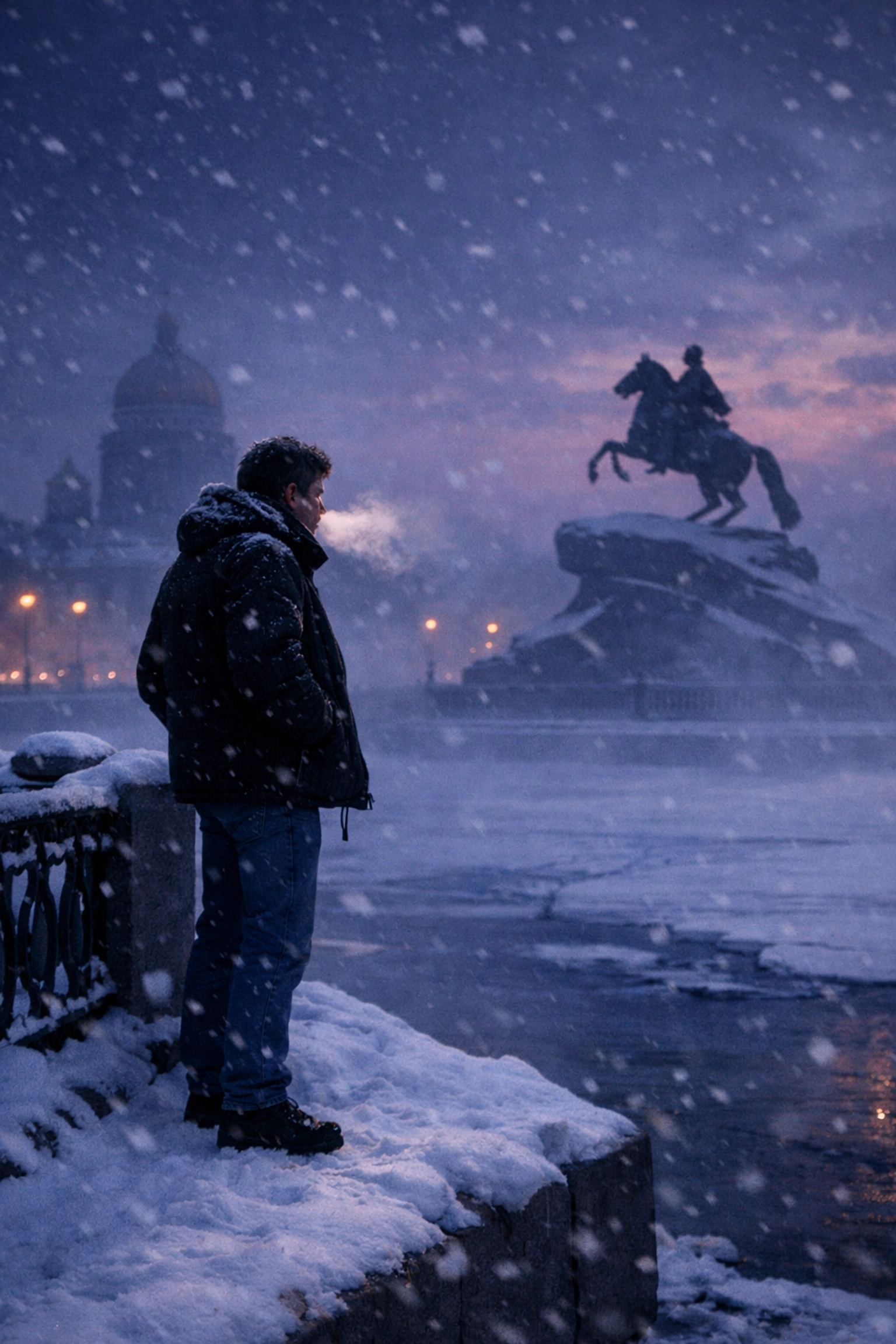
Certain streets and parks became known meeting places, but you had to know how to read the signs. A particular bench near the Bronze Horseman statue. The northern pavilion at the Summer Garden. The back corridors of certain museums. Men would walk the same route repeatedly, making eye contact, assessing risk and possibility in equal measure.
Public bathhouses: the banyas: served a dual purpose. Officially, they were places of Soviet hygiene and health. Unofficially, certain banyas at certain times became spaces where men could meet, where prolonged glances and subtle touches could lead to whispered invitations to continue the conversation elsewhere.
The Price of Discovery
Not everyone made it safely through those years. Arrests happened, though the official numbers remain murky. Some men were caught in police raids on known gathering spots. Others were betrayed by ex-lovers, by jealous colleagues, by opportunistic neighbors looking to curry favor with authorities.
The labor camps of Siberia held their own hidden population of men imprisoned under Article 121. Some never returned. Others came back broken, traumatized by years in the brutal prison system where gay men faced additional persecution from both guards and other inmates.
Even those who avoided arrest paid a price. Living a double life takes its toll: the constant vigilance, the careful editing of every word and gesture in public, the impossibility of having an acknowledged relationship. Many married women to maintain appearances, creating families that lived with the strain of this fundamental deception.
Cultural Resistance
Yet within this oppressive environment, a vibrant subculture flourished. The artistic and literary circles of St. Petersburg had always harbored nonconformists, and the gay community found allies there. Underground samizdat publications circulated, hand-typed or hand-copied texts that included coded references and occasional stories about "our people."
Some brave souls wrote poetry and prose that captured the experience, though they could never publish it openly. These works circulated at tematika parties, read aloud to appreciative audiences who recognized their own lives in the words. It was a form of resistance: insisting that their experiences mattered, that they deserved to be documented and remembered.
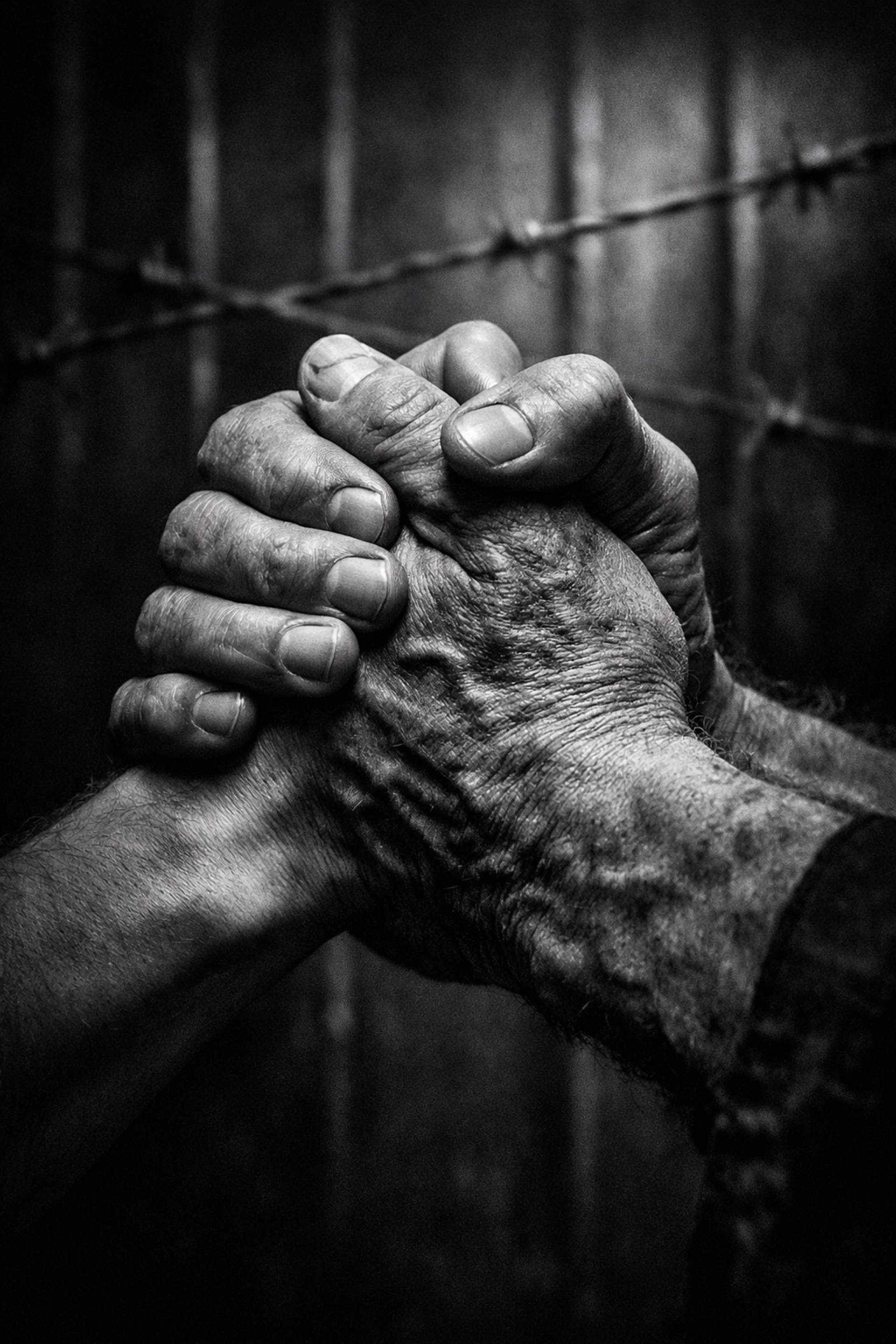
Theater provided another form of expression. Classic plays could be interpreted in ways that resonated with gay audiences. Certain actors became known for performances that carried subtext those in the know could appreciate. The community claimed these cultural moments as their own, finding themselves reflected in officially sanctioned art through their own interpretive lens.
The Thaw That Never Quite Came
By the late 1980s, as Gorbachev's reforms began to crack open Soviet society, there were whispers that change might come. Some activists began to cautiously organize, to speak more openly. The first gay and lesbian organizations formed in Moscow and Leningrad. But the fall of the Soviet Union in 1991 didn't bring the liberation many had hoped for.
Article 121 was finally repealed in 1993, but social attitudes remained deeply conservative. The tematika parties continued, but now they had to navigate a different landscape: one of emerging organized homophobia, of growing nationalist movements that viewed LGBTQ+ people as Western degeneracy.
Still, the code of tematika had established something crucial: a network, a community, a shared language and history. Those who had lived through the Soviet years had developed resilience and solidarity that would carry forward into new challenges.
A Legacy in Code
Today, St. Petersburg's gay community has venues, organizations, and a visible presence online, though Russia's 2013 "gay propaganda" law has once again pushed much of queer life back underground. The old codes have been updated for the digital age, but the fundamental need for discretion remains.
The men who attended those tematika parties in the 1980s are grandfathers now. Some stayed in Russia, continuing to navigate the complex terrain of being gay in Putin's authoritarian state. Others emigrated, carrying their memories to Brighton Beach, to Berlin, to Tel Aviv.
But the word "tematika" remains, a reminder that even in the darkest times, people find ways to connect, to celebrate, to resist. Every coded invitation, every secret gathering, every moment of authentic connection was an act of defiance. They insisted on existing when existence itself was illegal. They built community when isolation was the goal of state policy. They loved when love was criminalized.
The code of tematika wasn't just about survival: it was about refusing to disappear.
Discover more stories of LGBTQ+ history and resilience at Read with Pride. For compelling MM romance books and gay fiction that celebrates our community's strength, explore our collection today.
Follow us on Facebook | Instagram | X/Twitter
#ReadWithPride #LGBTQHistory #GayHistory #MMRomance #QueerFiction #SovietHistory #StPetersburg #GayRussia #LGBTQBooks #GayRomanceBooks #QueerHistory #ClandestineLife #LGBTQCommunity #GayFiction #MMBooks #HistoricalLGBTQ #GayLiterature #QueerResilience #1980sHistory #SovietUnion

Leave a Reply
You must be logged in to post a comment.