

readwithpride.com
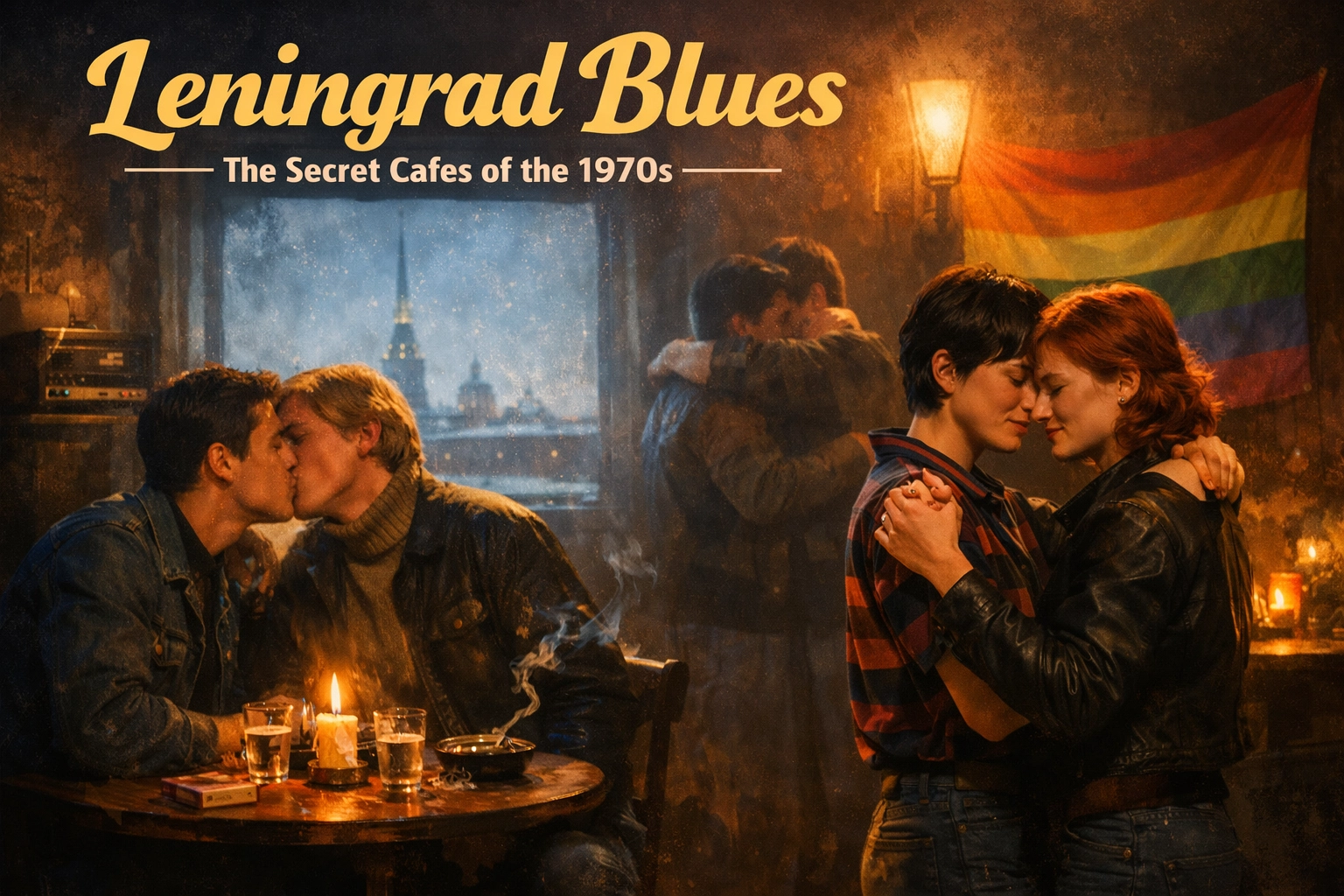
In the grey Soviet winter of 1970s Leningrad, when speaking the wrong words could cost you everything, there existed a parallel universe. A secret world painted in shades of blue, goluboy, the coded Russian word for gay men that also simply meant "light blue." Behind the propaganda posters and concrete apartment blocks, a vibrant underground community thrived in hushed whispers, stolen glances, and the smoky corners of cafes where the KGB's watchful eyes couldn't quite reach every conversation.
This is the story of the goluboy subculture, where coffee was never just coffee, and every friendship carried the weight of potential imprisonment.
The Saigon Café: Leningrad's Underground Heart
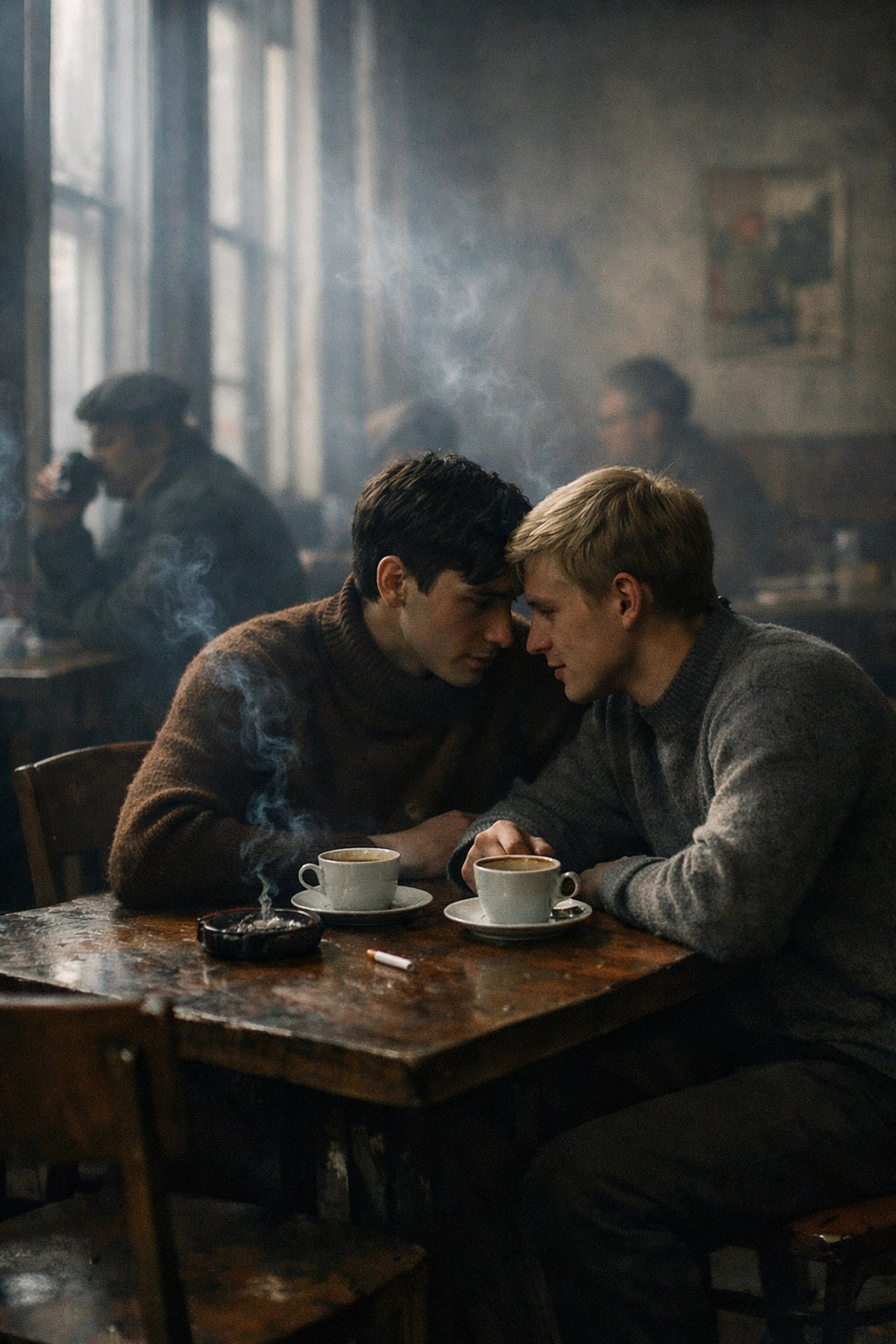
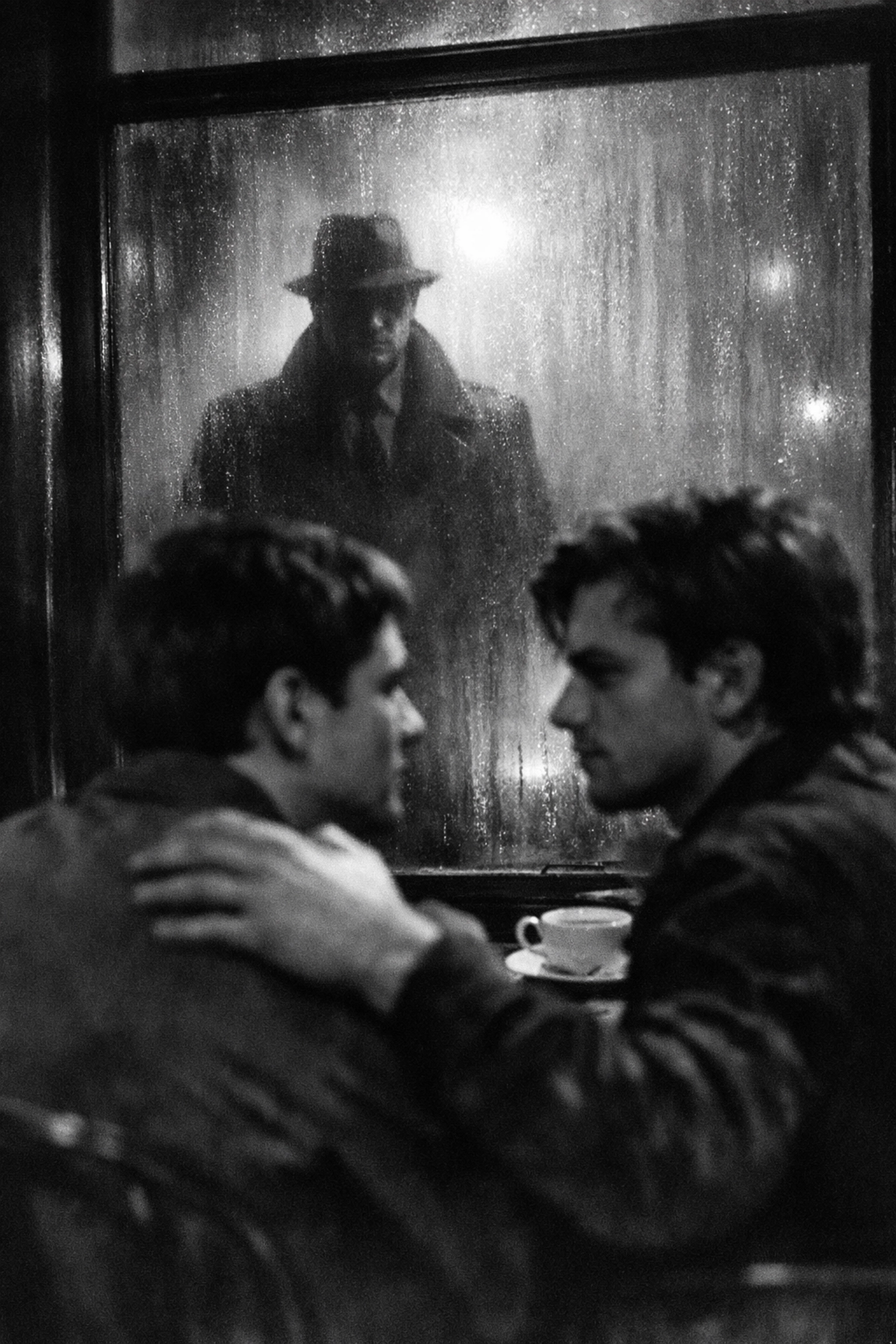
At the intersection of Nevskii and Vladimirskii Prospekt, on the ground floor of a building that housed the more respectable Moskva restaurant, sat the Saigon Café. To most Leningraders, it was just another Soviet establishment, unremarkable beige walls, standard-issue tables, watery coffee. But to artists, poets, intellectuals, and the goluboy community, it was sanctuary.
Opening its doors in September 1964, the Saigon became the beating heart of Leningrad's counter-culture throughout the 1970s. Operating from 9 am to 10 pm daily, it existed in that peculiar Soviet space between public and private, not quite the openness of Maiakovskii Square, but far from the intimate safety of shared apartments where walls had ears and neighbors kept records.
The café earned its ironic nickname "Podmoskov'e" (the suburbs of Moscow) after a military officer scolded two women for smoking inside: "It's indecent! Do you think you're in Saigon?" The name stuck, along with a certain rebellious pride. If the authorities thought it was decadent and foreign, well, that made it all the more appealing.
Coded Language and Careful Glances
In 1970s Leningrad, being gay wasn't just socially unacceptable, it was criminally punishable under Article 121 of the Soviet Criminal Code. Men caught in homosexual acts faced up to five years in labor camps. The law didn't even acknowledge that lesbians existed, rendering them invisible in an entirely different way.
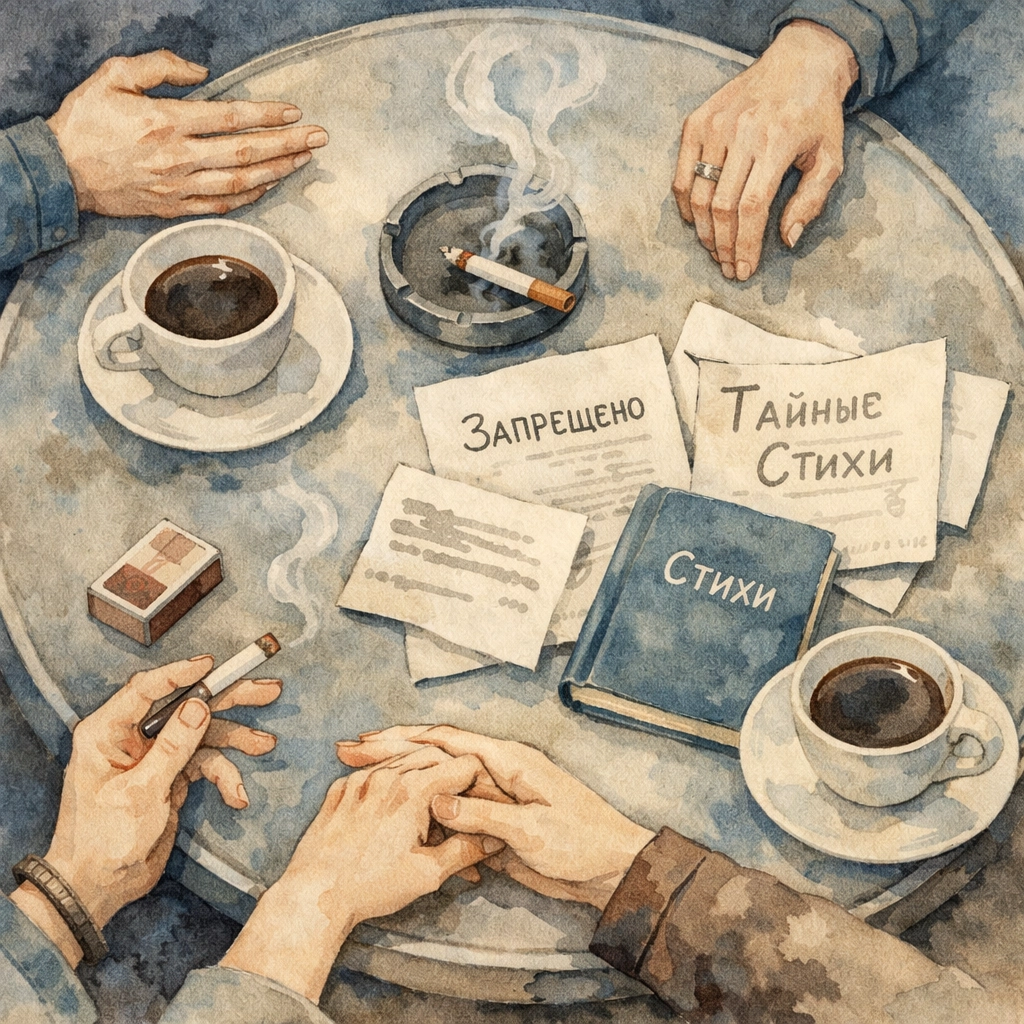
So the goluboy community developed their own language, their own signals. A certain way of wearing a scarf. A lingering look. The choice of table at the Saigon. Everything was code, everything was careful. You learned to read people like books, because misreading someone could mean the difference between connection and catastrophe.
At the Saigon, regulars would exchange more than pleasantries over bitter coffee. They discussed movies in ways that conveyed deeper meanings. They recited poetry that spoke to experiences the state refused to acknowledge. They circulated samizdat, typewritten manuscripts passed hand to hand, containing forbidden literature, including works by gay Western authors translated secretly in cramped kitchens.
The Philosophy of Survival
One regular at the Saigon became known simply as "the Philosopher" for his devotion to existentialist thought. He represented something vital about the goluboy community, they weren't just surviving, they were thinking, creating, questioning. In a system designed to produce conformity, their very existence was an act of philosophical resistance.
The community at the Saigon spanned ages and backgrounds. Young artists sat beside former convicts. University students debated with street poets. What united them wasn't just sexuality, it was a refusal to accept the narrow definitions of life that Soviet ideology demanded. If you were already living outside the lines, why not question everything else too?
Apartment Concerts: Private Rebellion
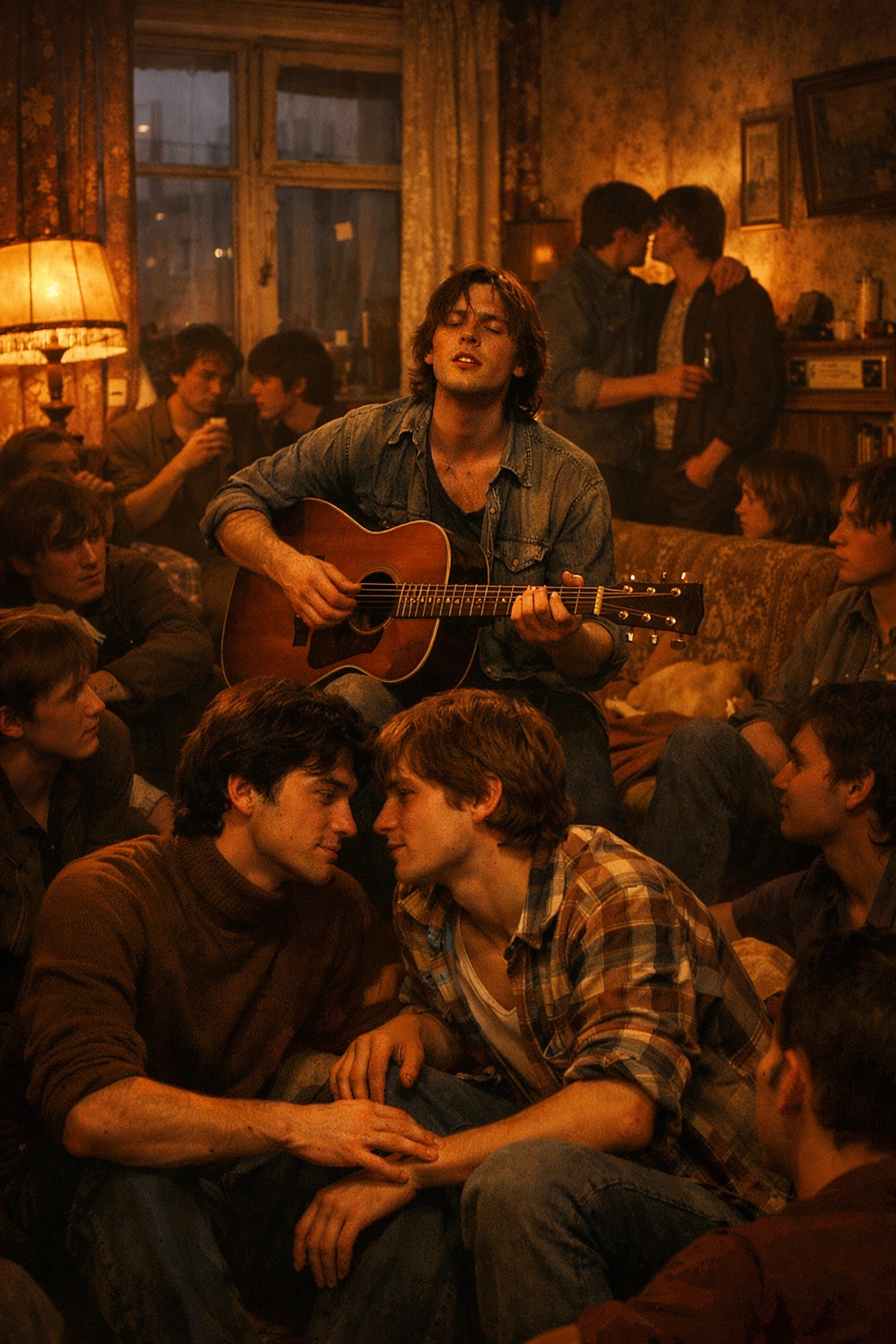
When the Saigon closed at 10 pm, the night was far from over. The real magic happened in kvartirniki, apartment concerts that served as Leningrad's living rooms for the culturally starved and socially marginal.
These gatherings operated on trust and word-of-mouth. You couldn't advertise an apartment concert; you had to be invited, vouched for, known. Someone's friend who knew someone who'd been vetted by someone else. In cramped Leningrad apartments where three generations might share two rooms, hosts somehow carved out space for dozens of people.
The kvartirniki featured performances by underground musicians, readings by dissident poets, and conversations that would have been impossible anywhere else. The goluboy community was woven throughout these gatherings, sometimes openly among trusted friends, sometimes in coded references only they would catch. A song lyric about forbidden love. A poem about hiding in plain sight. Everyone understood the double meanings.
The irony wasn't lost on anyone: in apartments bugged by the KGB, among neighbors who might report you for foreign music or unsanctioned gatherings, gay men and lesbians found moments of authentic freedom. The risk was the price of being real.
The KGB's Open Secret
The authorities knew about the Saigon. They had to, they had informants at every table. The KGB's surveillance of the café was constant, meticulous, and in a twisted way, exactly what made the café possible. By concentrating the counter-culture in one observable location, the authorities could monitor threats without the messy business of tracking everyone individually through the city.
For the goluboy community, this surveillance was both threat and protection. Yes, the KGB was watching, but they were watching everyone. Your queerness got lost in the general sea of suspicion around artists, intellectuals, and anyone who read foreign literature. Unless you were extraordinarily careless or unlucky, you could hide in plain sight among the other dissidents.
The café faced repeated threats of closure, but it never actually closed during its twenty-five-year run. Perhaps because it served the authorities' purposes. Perhaps because even Soviet bureaucrats recognized that people needed somewhere to breathe, and a known café was easier to control than scattered, unknown gatherings.
The Cost of Blue
But we can't romanticize survival. Every person at the Saigon, every guest at an apartment concert, lived with fear. They knew friends who'd disappeared into the camps. They'd heard the stories of men driven to suicide rather than face exposure and imprisonment. They understood that every moment of freedom was borrowed time.
Some were arrested. Some were forced into marriages that destroyed multiple lives. Some fled to Moscow, hoping the larger city offered better anonymity. Some simply vanished from the community, and no one asked too many questions because sometimes not knowing was safer.
The goluboy community of 1970s Leningrad survived through a combination of courage, code-switching, and community care. They looked after each other in ways both large and small: warning about new informants, providing alibis, sharing information about which doctors or lawyers could be trusted, mourning losses together in whispered conversations.
Legacy in Light Blue
The Saigon Café eventually closed, as all things do. The Soviet Union fell, and with it, Article 121 was repealed. But the legacy of the goluboy subculture remains: in the memories of survivors, in the samizdat poetry that eventually found its way to archives, in the understanding that queer community has always existed, even in the most hostile circumstances.
Today's LGBTQ+ Russians face different challenges, but they inherit something from those coded conversations over bad coffee and those whispered songs in crowded apartments. They inherit the knowledge that community persists, that love survives, that even in the deepest grey winter, shades of blue can bloom.
At Read with Pride, we believe these stories matter: not as historical curiosities, but as testaments to resilience. Every gay romance novel, every MM romance that centers queer joy and survival, stands on the shoulders of people who risked everything just to be themselves for a few hours in a smoky café.
The secret cafes may be gone, but the blues: the goluboy: play on.
Discover more LGBTQ+ stories and MM romance books at readwithpride.com
Follow us on Facebook | Instagram | Twitter/X
#LeningradHistory #GoluboySubculture #GayHistory #LGBTQHistory #SovietUnion #MMRomance #ReadWithPride #GayRomanceBooks #QueerHistory #HistoricalLGBTQ #GayFiction #LGBTQBooks #QueerResilience #USSRHistory #GayCommunity #MMRomanceBooks #LGBTQFiction #GayLiterature #QueerStories #HistoricalQueer

Leave a Reply
You must be logged in to post a comment.