

readwithpride.com
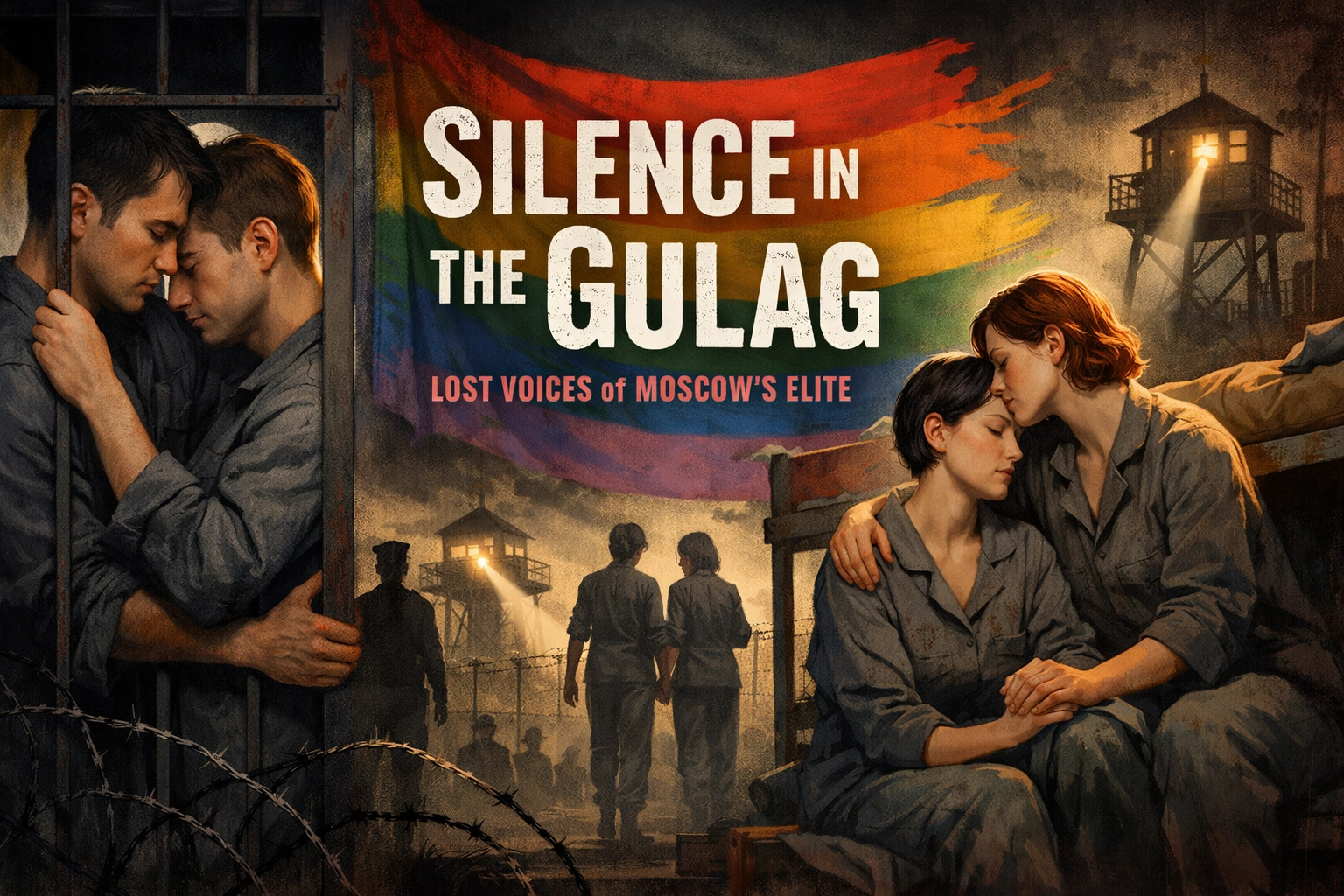
The snow fell silently on Red Square in 1934, muffling the sounds of arrests that happened in the dead of night. Behind the grand facades of Moscow's theaters and literary salons, a terror was unfolding that would erase entire chapters of queer history: chapters written in whispered poems, coded letters, and the desperate performances of those who loved differently.
This isn't the kind of gay romance story you'll find in most MM romance books today. There are no happy endings here, no enemies-to-lovers arcs that resolve with a kiss. This is the story of what happened when loving someone of the same sex wasn't just forbidden: it was considered "socially dangerous behavior," a crime punishable by disappearance into the frozen wasteland of the gulag system.
The Golden Years Before the Darkness
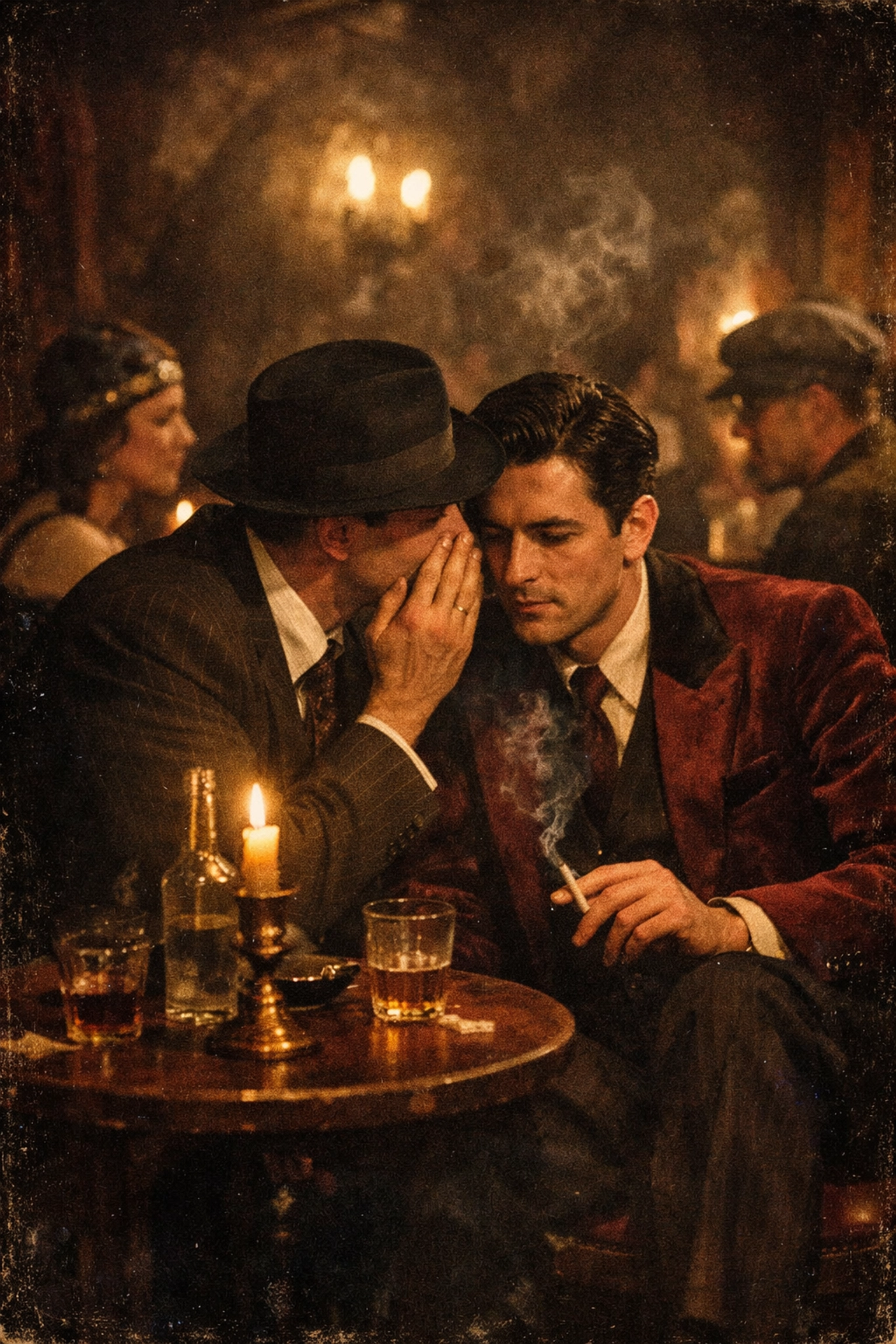
Before Stalin's grip tightened completely, Moscow and St. Petersburg enjoyed a brief, glittering moment of relative freedom. The 1920s saw an explosion of artistic experimentation. Theaters staged works that pushed boundaries. Poets gathered in smoky cafes, their verses dancing around truths they couldn't speak aloud. Ballet dancers, actors, writers: many led double lives, their public personas carefully curated while their private worlds bloomed in secret.
Sergei Eisenstein, the legendary filmmaker, navigated this treacherous landscape. His films revolutionized cinema, but his personal life remained carefully veiled. Letters to close friends hint at relationships that could never be acknowledged. He wasn't alone. The artistic elite of Moscow formed tight circles, protective networks where coded language and knowing glances meant everything.
But the Revolution that promised liberation began devouring its own children. By the 1930s, Article 121 of the Soviet criminal code made "sodomy" punishable by up to five years in labor camps. The law was ostensibly about protecting boys from predatory men, but in practice, it became a weapon used against anyone the state deemed threatening.
When the Knock Came at Midnight
The arrests followed a pattern. A knock at the door after midnight. NKVD agents pushing their way in, turning over every book, every letter, every photograph. Looking for "evidence" of counter-revolutionary activity, moral degeneracy, or connections to foreign spies. Sometimes the evidence was legitimate political dissent. Often, it was simply who someone loved.
Actors who had once commanded standing ovations found themselves in prison cells, accused of being part of "degenerate bourgeois circles." Poets whose words had moved audiences to tears were branded enemies of the people. The charges were vague, the trials perfunctory. "Socially dangerous elements" could mean anything the state wanted it to mean.
Names were erased from theater programs. Books were pulled from library shelves. Photographs were doctored to remove the faces of those who had vanished. The Soviet propaganda machine was remarkably efficient at making people disappear: not just physically, but from history itself.
One such ghost was a celebrated ballet dancer whose grace had once captivated Moscow's elite. His letters to a younger male dancer were discovered during a raid. Within days, he was on a cattle car heading north to the White Sea Canal project, one of the deadliest labor camps. His name, once printed in elegant script on playbills, was never mentioned again. He died of exhaustion and starvation within eighteen months.
The Camps: Where Art Went to Die
The gulag system was designed to break people. Political prisoners, criminals, and those accused of "moral crimes" were all thrown together in brutal conditions. Temperatures regularly dropped to minus forty degrees. Rations were barely sufficient to sustain life. Work quotas were impossible to meet.
For gay men and anyone suspected of "pederasty," the camps held special horrors. They were often targeted by both guards and fellow prisoners. The Soviet prison hierarchy placed them at the bottom, considered untouchable. Violence against them was not just permitted but expected.
Yet even in this hell, sparks of humanity persisted. Secret poems were composed in the darkness of barracks and memorized by others, passed mouth to ear like contraband more precious than bread. A famous director, sent to Kolyma: the coldest region of the camps: organized clandestine theatrical performances for fellow prisoners, using scraps of fabric as costumes and performing in whispers after the guards had passed.
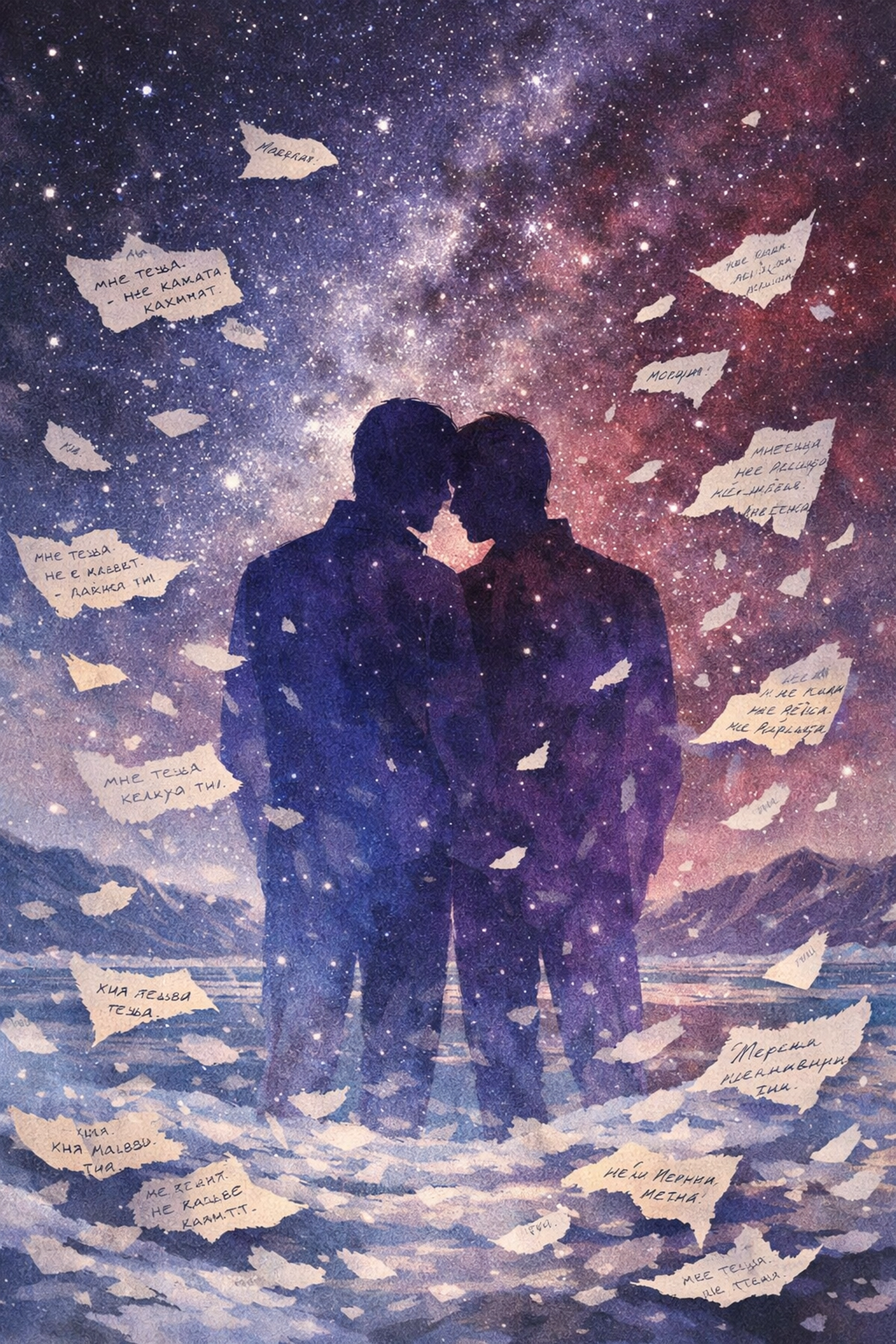
These acts of resistance were small, nearly invisible. But they mattered. They were proof that the state could imprison bodies but not entirely crush spirits. The poetry survived, though often only in fragments. The memories of performances lived on in the minds of those few who survived to tell the tale.
The Lost Generation
By the time the Great Terror of 1937-1938 ended, Moscow's artistic elite had been decimated. An entire generation of talent had been erased. The survivors learned to bury their truths deeper. Marriages of convenience became common: a gay man and a lesbian woman forming a household to provide cover for their actual relationships conducted in absolute secrecy.
The literary world lost some of its brightest voices. One poet, known for his passionate verses about male beauty disguised as classical references, was arrested in 1937. His final collection, smuggled out by a friend, wouldn't see publication until decades later. He died in transit to a camp, somewhere in the Urals, his body never recovered.
Film directors who had pushed boundaries suddenly produced nothing but propaganda. The vibrancy, the experimentation, the raw emotion that had characterized the 1920s was replaced by sterile socialist realism. Love stories became stories of devotion to the state. Passion was channeled into production quotas.
For those who survived and returned after Stalin's death in 1953, reintegration was nearly impossible. Some, as history tells us, even joined the Communist Party and hid their pasts from everyone, including their own families. The trauma ran deep. Many could never speak of what they'd endured.
Remembering the Silenced Voices
Today, Read with Pride exists partly because these voices were silenced. We publish LGBTQ+ fiction, gay romance novels, and MM romance books because stories matter. Because visibility matters. Because every love story: whether it ends happily or tragically: deserves to be told and remembered.
The poets and actors of 1930s Moscow couldn't imagine a world where gay romance books would line virtual shelves, where MM fiction would find eager readers, where queer love stories could be celebrated openly. They lived and died in a world that demanded their silence, that punished their existence, that tried to erase them completely.
But memory is stubborn. Fragments survive. Letters hidden in walls. Poems memorized and whispered across decades. Photographs tucked into old books. Names remembered by those who loved them. And now, in 2026, we can speak their names again, honor their losses, and ensure their silence is finally broken.
The best gay romance novels and LGBTQ+ books today often feature triumph over adversity, love conquering all, happy endings hard-won but ultimately achieved. These stories are important: they give us hope, representation, joy. But we must also remember the gay love stories that ended in tragedy, not through choice but through state-sponsored terror. They are part of our history too.
Stay connected with Read with Pride for more untold LGBTQ+ history and discover MM romance books that celebrate love in all its forms.
Follow us on Instagram, Facebook, and X/Twitter for daily recommendations, historical deep dives, and the best gay fiction available today.
#LGBTQHistory #GayHistory #ReadWithPride #MMRomance #GayBooks #QueerHistory #SovietHistory #GulagHistory #LostVoices #GayRomanceBooks #LGBTQFiction #HistoricalLGBTQ #NeverForget #QueerResistance #GayLiterature #PrideThroughHistory

Leave a Reply
You must be logged in to post a comment.