

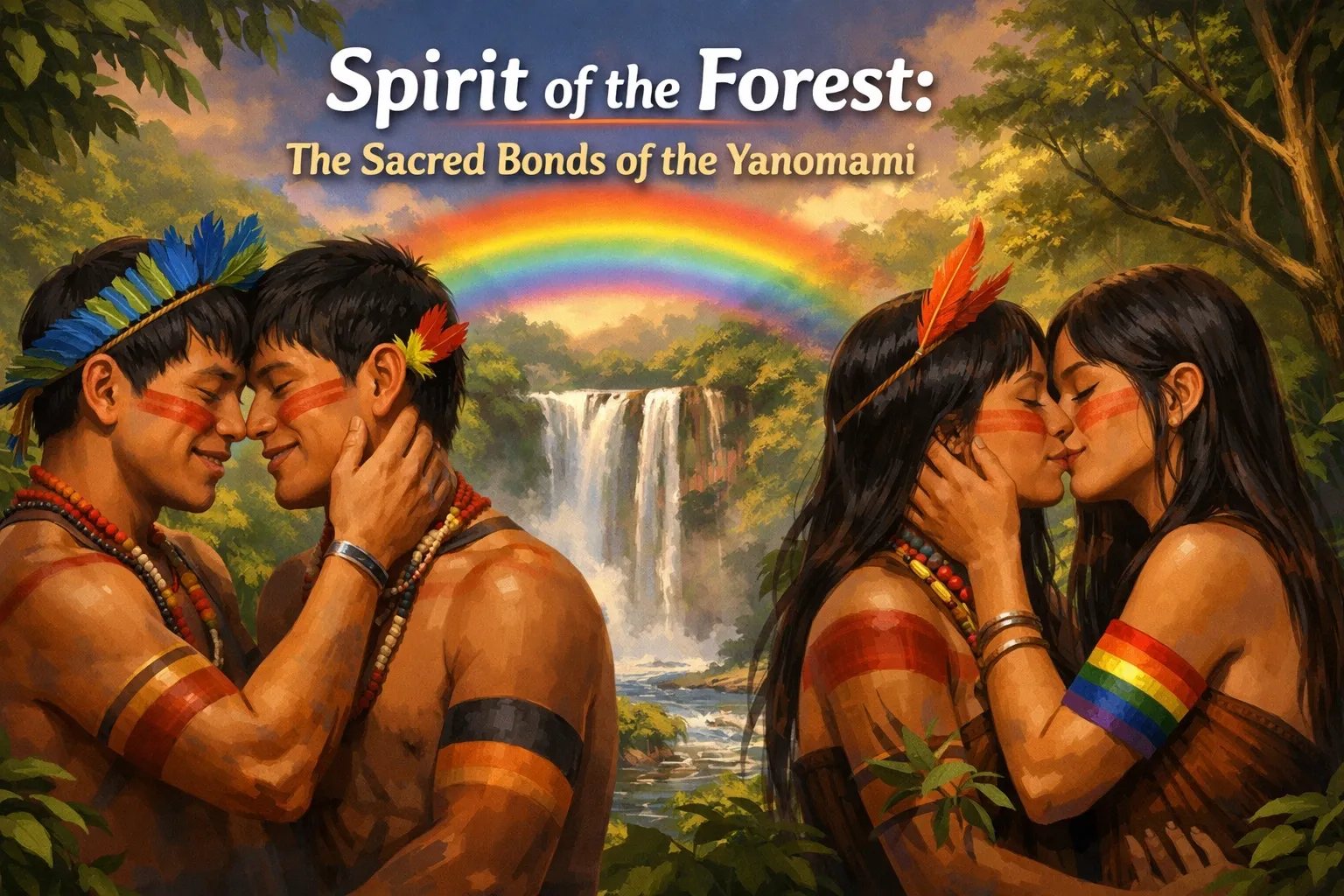
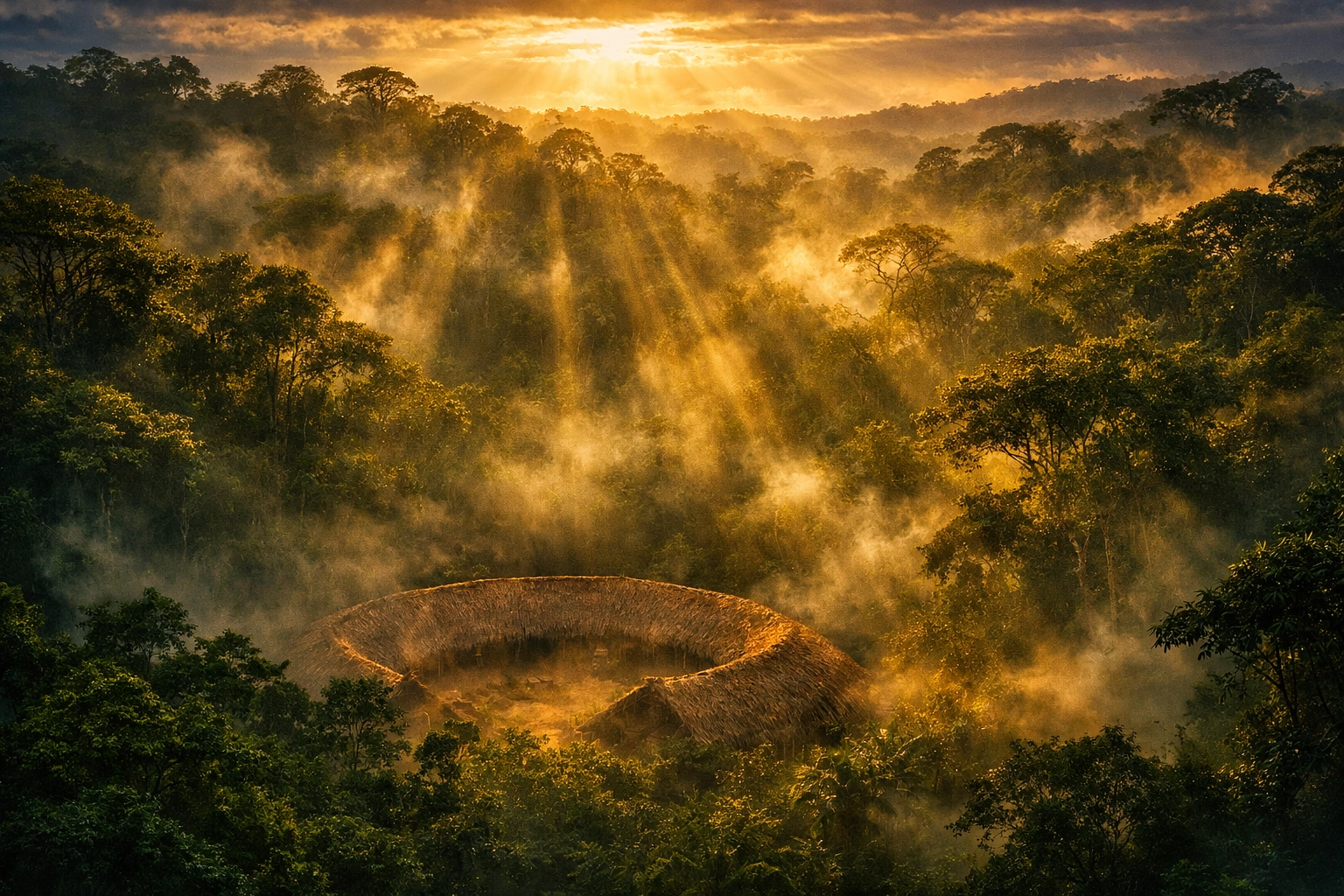
Deep in the Amazon rainforest, where the canopy filters sunlight into emerald shadows and the air hums with life, the Yanomami people have lived for thousands of years. Their understanding of human connection, intimacy, and gender exists far outside the boxes Western culture tried to build. And honestly? That's exactly what makes their story so fascinating: and so important.
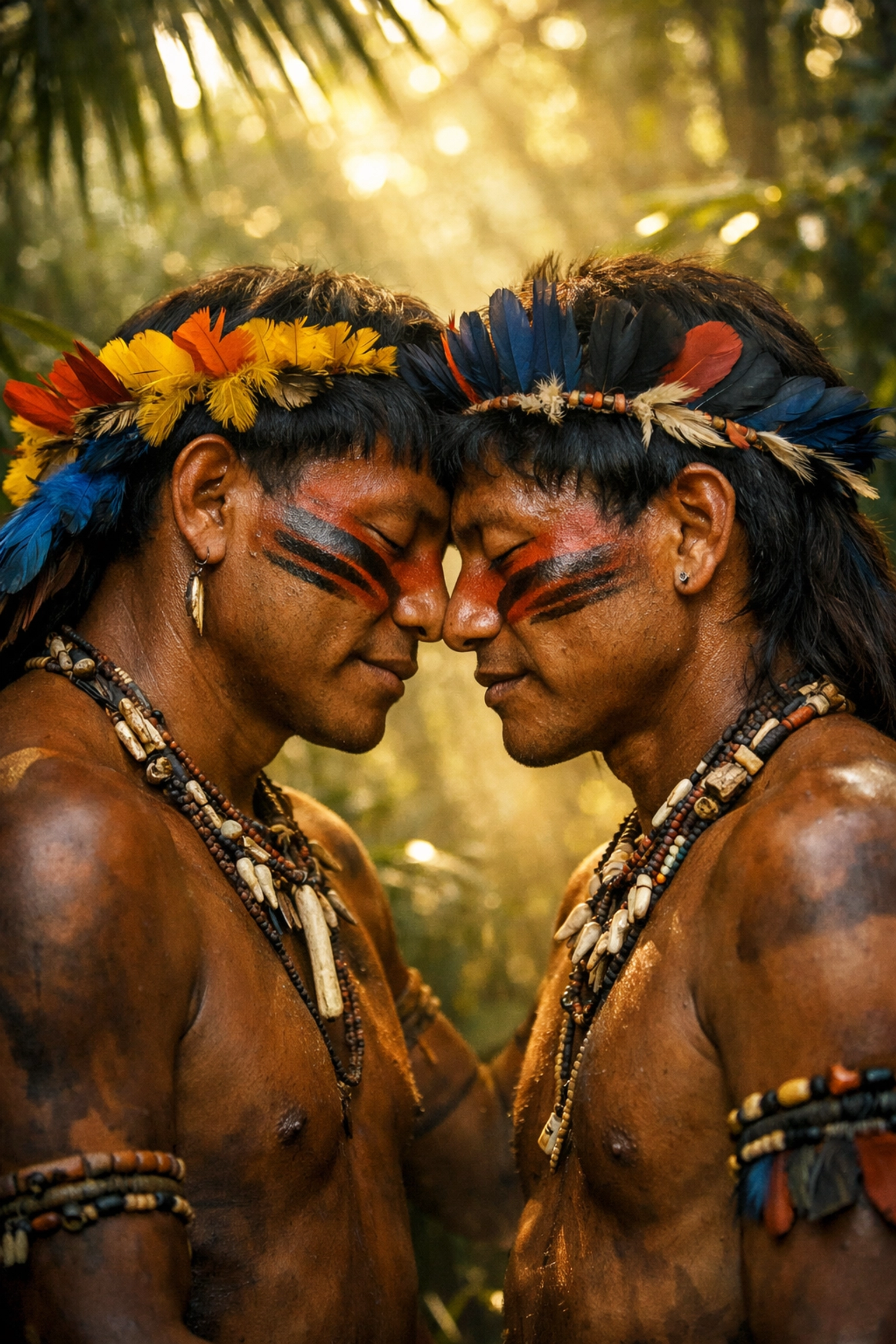
readwithpride.com
Beyond the Binary: A Different Language for Love
Here's the thing about studying queer history in indigenous cultures: we're often looking through a keyhole, trying to understand an entire room. The Yanomami don't have words that directly translate to "gay," "straight," or even "gender" as we understand these concepts. That's not because these ideas don't exist in their culture: it's because their entire framework for understanding human relationships is fundamentally different from ours.
Anthropologists who've spent time with various Yanomami communities have documented social structures that would make Western conservatives' heads spin. Gender roles, while present, are considerably more fluid than the rigid binary we inherited from Victorian prudishness. Same-sex bonds: emotional, spiritual, and yes, sometimes physical: exist without the weight of labels, shame, or the need for a coming-out narrative.
The Spiritual Foundation of Everything
To understand Yanomami perspectives on human connection, you first need to grasp their worldview. The Yanomami see no separation between the spiritual and physical worlds. According to their beliefs, creation deities Yomama and Yuasi made both the forest and the people as one interconnected system. Shamans communicate with animal spirits, channel their voices during ceremonies, and receive warnings through dreams when the forest: essentially a living, conscious entity: is in danger.
This holistic spirituality extends to how they view human relationships. Connection between people isn't just social or romantic: it's spiritual. The emphasis isn't on who you're attracted to or what genitals they have. It's about the quality of the bond, the spiritual resonance between souls, and the role those relationships play in the community's wellbeing.
Communal Living and Intimate Bonds
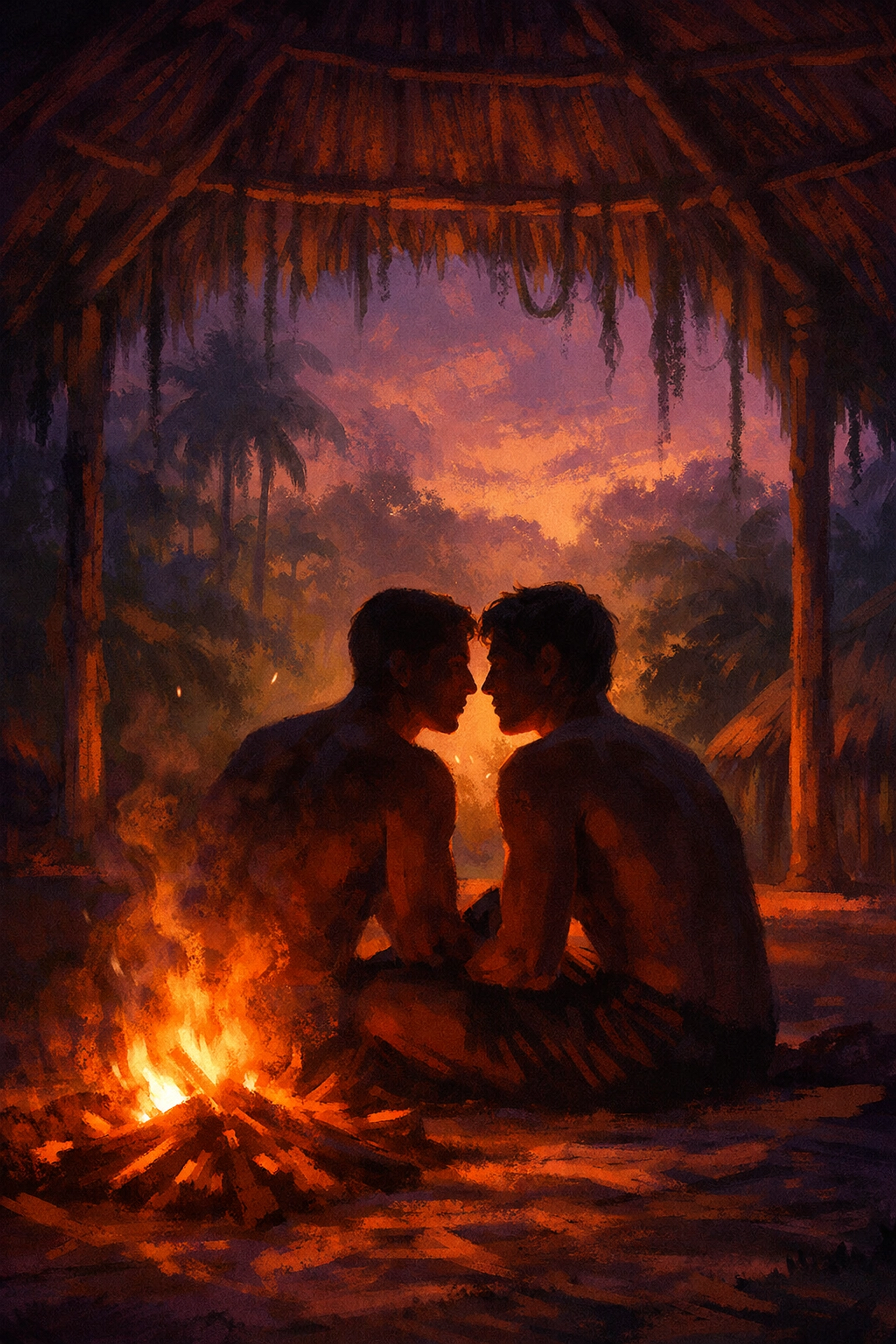
Yanomami communities traditionally live in large communal structures called shabonos: circular dwellings where extended family groups share space under one roof. Privacy as we know it doesn't really exist. But paradoxically, this communal living creates space for relationships that Western society might not even have vocabulary for.
Young Yanomami men often form intensely close bonds with peers: relationships that include emotional intimacy, physical affection, and partnerships that last years or even lifetimes. These aren't categorized as "romantic" versus "platonic." They simply are. Some anthropologists have noted that these bonds sometimes include sexual expression, though discussions about this are complicated by the fact that Western researchers often bring their own assumptions and biases to observations.
Women in Yanomami communities also form deep, enduring relationships with each other: connections that serve emotional, practical, and sometimes spiritual functions. Again, the question of whether these relationships are "lesbian" in the modern sense misses the point entirely. The Yanomami aren't trying to fit into our boxes. They never were.
The Problem with Labels (And Why That's Beautiful)
When we try to map Western LGBTQ+ identity categories onto Yanomami culture, we end up doing a disservice to both. The Yanomami aren't "more accepting of gay people" in the way a progressive city might be. They're operating from an entirely different paradigm where the questions we're asking don't quite make sense.
It's like asking what color Wednesday is: the question itself reveals a category error in thinking.
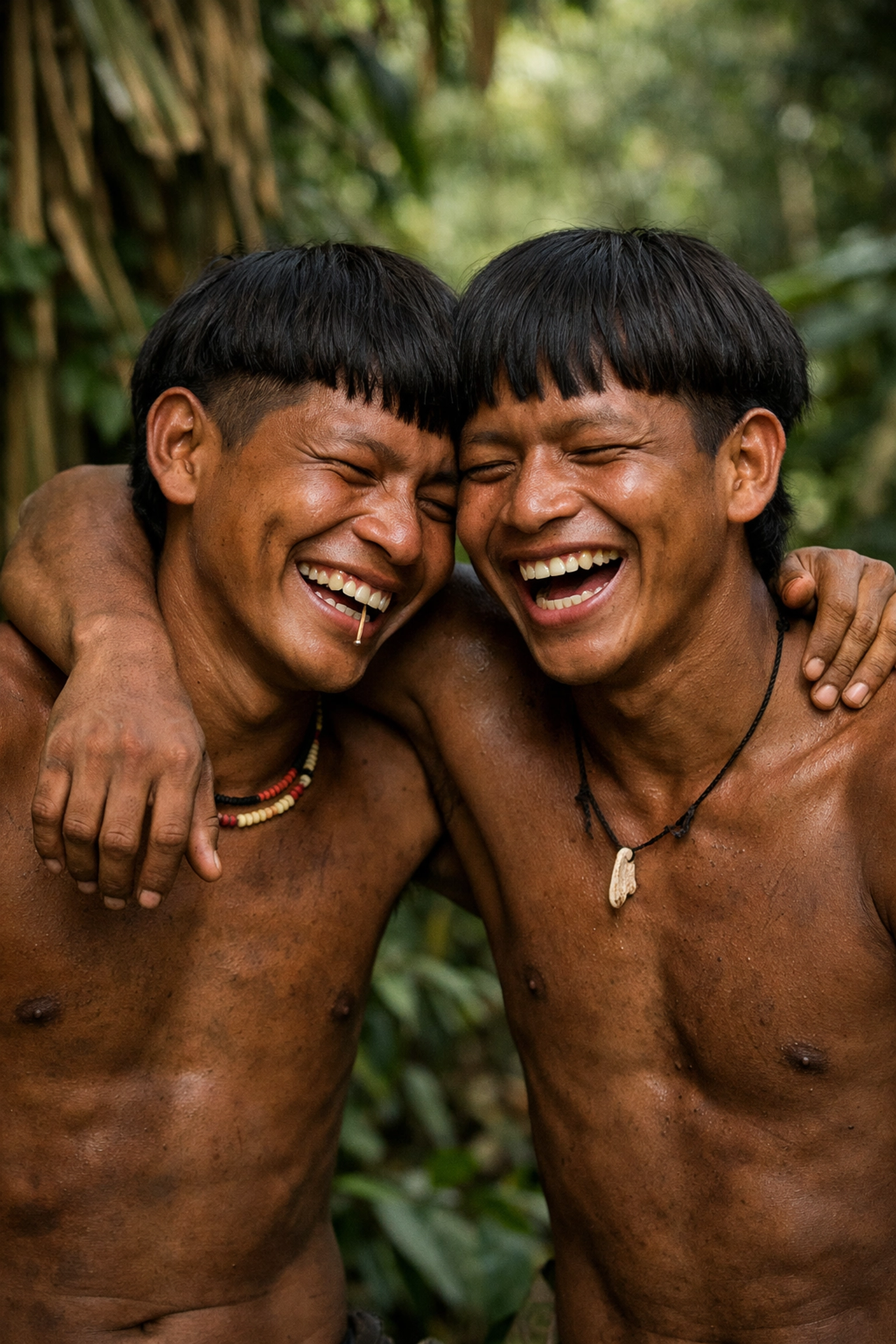
What we can say is this: Yanomami social structures appear to allow for same-sex intimacy without the existential crisis Western culture often attaches to it. Gender expression exists on a spectrum, with individuals sometimes taking on roles or characteristics outside their assigned-at-birth expectations without catastrophic social consequences.
Does this mean the Yanomami are a queer utopia? Not exactly. All human cultures have hierarchies, conflicts, and limitations. But they do offer proof that rigid sexual and gender categories aren't universal human constants: they're cultural constructs. And that alone is revolutionary.
Contemporary Threats to Cultural Continuity
Here's where things get dark. Over the past decade, illegal mining operations have ravaged Yanomami territory. Mercury poisoning from gold mining contaminates rivers. Healthcare systems have collapsed. Diseases: including COVID-19: have devastated communities. Educational opportunities have evaporated.
Shamans report that the forest is "crying because it has been destroyed." This isn't just metaphor. When the forest dies, so does the spiritual framework that supports Yanomami culture: including their unique understandings of human relationships and gender.
Davi Kopenawa, a Yanomami shaman and activist, has worked tirelessly to document and protect his people's way of life. Morzaniel Ɨramari became the first Yanomami filmmaker, creating "Mãri hi: The Tree of Dream," which documents how shamans use dreams to communicate about environmental destruction. These acts of cultural preservation are acts of queer preservation too: even if that's not how the Yanomami would frame it.
What We Can Learn at Read With Pride
The Yanomami story reminds us that queer history isn't just about Western activists in Stonewall bars or underground Berlin clubs (though those stories matter deeply). It's about recognizing that diverse expressions of sexuality and gender have existed in countless cultures throughout human history: often in forms we barely have language to describe.
At Read With Pride, we celebrate stories that challenge narrow definitions of love and identity. While we focus primarily on contemporary MM romance books and gay fiction, understanding the breadth of human experience: including indigenous perspectives on same-sex bonds: enriches how we think about queer literature and representation.
The Yanomami teach us that before colonialism imposed rigid categories, many cultures had space for relationships and identities that existed outside binaries. That's not ancient history: that's current reality for communities fighting to preserve their ways of life against environmental and cultural destruction.
Respecting What We Don't Fully Understand
Let's be real: as outsiders, there's a limit to how much we can truly understand about Yanomami perspectives on sexuality and gender. Anthropological studies offer glimpses, but they're filtered through researcher bias and limited access. The Yanomami themselves haven't asked to be poster children for Western queer movements.
What we can do is hold space for the complexity. We can acknowledge that human experiences of love, attraction, and gender are far more diverse than mainstream culture suggests. We can support indigenous rights movements that allow cultures like the Yanomami to survive and tell their own stories on their own terms.
And we can remember, when reading our favorite gay romance novels or MM fiction, that we're part of a much larger human story: one where same-sex love and gender fluidity have existed long before Pride flags and activist movements, in forms beautiful and varied as the Amazon forest itself.
Discover more stories that challenge conventional narratives at readwithpride.com. Follow us on Instagram, Facebook, and Twitter for daily queer content and book recommendations.
#ReadWithPride #QueerHistory #IndigenousLGBTQ #YanomamiCulture #MMRomance #GayFiction #LGBTQBooks #QueerLiterature #AmazonRainforest #CulturalDiversity #SameSexBonds #GenderFluidity #IndigenousCultures #LGBTQHistory #QueerStories #GayBooks #LGBTQReading #MMRomanceBooks #GayRomanceNovels #QueerPride2026

Leave a Reply
You must be logged in to post a comment.