

readwithpride.com
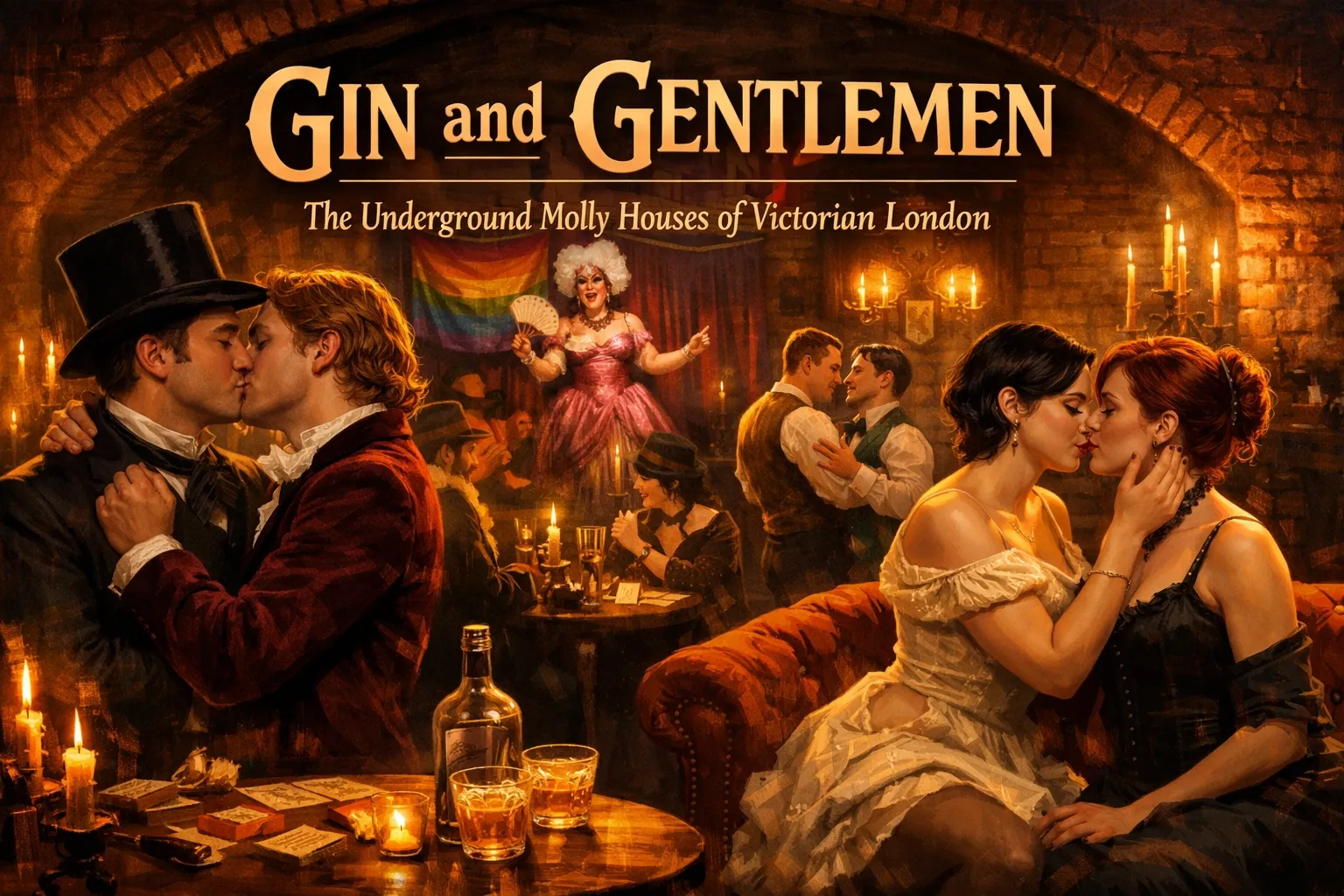
Picture this: Victorian London, thick with coal smoke and secrets. The streets reeked of horse manure and human desperation, but inside certain "respectable" taverns and gin palaces, something extraordinary was happening. Behind locked doors and through hidden passages, gay men were creating their own world, one fueled by cheap gin, defiant love, and the kind of courage that only comes when you've got absolutely nothing left to lose.
Welcome to the molly houses, darling. Grab a drink, because this story is a wild one.
When Gin Was Queen (and So Were We)
The molly house phenomenon actually kicked off in the early 18th century, but these underground spaces continued evolving well into Victorian times. The term "molly" itself was slang for an effeminate or homosexual man, though not everyone who frequented these establishments fit that description. What they all shared was the desperate need for somewhere, anywhere, they could be themselves.
Gin was the drug of choice for a reason. Known as "Mother's Ruin" among the working classes, gin was dirt cheap and potent as hell. A penny could get you drunk, and tuppence could get you dead drunk. For men living double lives, terrified of discovery, that oblivion must have felt like mercy. The gin palaces, those glittering, gas-lit establishments that popped up across London, provided perfect cover. They were loud, crowded, and anonymous. Perfect for secret assignations.
More Than Just a Hookup Spot
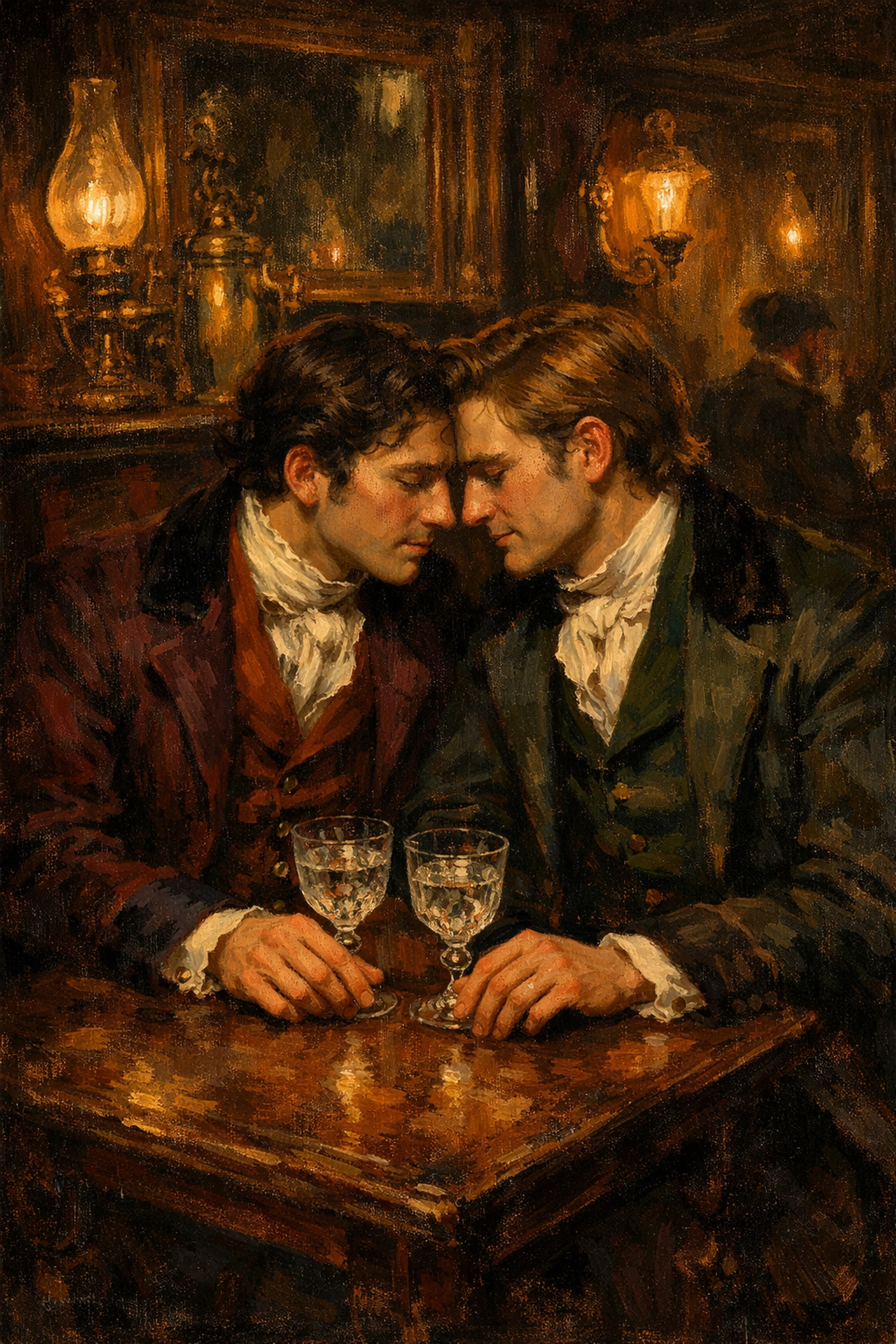
Here's where the story gets really interesting. Modern folks might assume molly houses were basically Victorian Grindr, pure hookup culture, quick encounters, nothing more. But that couldn't be further from the truth. These spaces were genuine communities where men formed lasting relationships, found chosen family, and even got "married."
Mother Clap's molly house, perhaps the most famous of them all, operated in Holborn during the 1720s. Margaret Clap (yes, a woman ran one of the most notorious gay establishments in London: we love an ally) created more than just a tavern. She built a sanctuary. Her establishment featured a special room called "The Chapel" or "The Marrying Room," where gay couples could formalize their commitments in mock marriage ceremonies. There was even a marriage attendant to officiate.
Think about that for a second. These men were living in an era where being caught could mean execution, yet they were having wedding ceremonies. That's not just horny desperation: that's love, community, and an unshakeable belief that their relationships mattered, regardless of what the law said.
The Geography of Desire
Molly houses clustered in specific London neighborhoods: Covent Garden, Moorfields, Lincoln's Inn, and around the Royal Exchange. These weren't random locations. They were areas with high crime rates where authorities were either overwhelmed or paid to look the other way. The city's moral geography created pockets of relative safety where queerness could exist in the shadows.
Some establishments were obvious taverns and gin houses. Others masqueraded as coffeehouses or private rooms. The more discreet ones required passwords or connections to enter. Doormen would screen visitors, looking for known faces or proper introductions. It was an entire underground infrastructure built on whispers, trust, and the shared understanding that discovery meant death.
The Real Cost of a Pint
Let's not romanticize this too much: these spaces existed under constant threat. Homosexual acts were capital offenses until 1861, punishable by hanging. Even after that, men could still be imprisoned with hard labor. The authorities ran regular raids, often using informants who'd infiltrated the molly house scene.
The 1726 raid on Mother Clap's molly house was particularly devastating. Over forty men were arrested. Mother Clap herself was sentenced to stand in the pillory and imprisoned. Three men: Gabriel Lawrence, William Griffin, and Thomas Wright: were executed at Tyburn. Their crime? Loving other men.
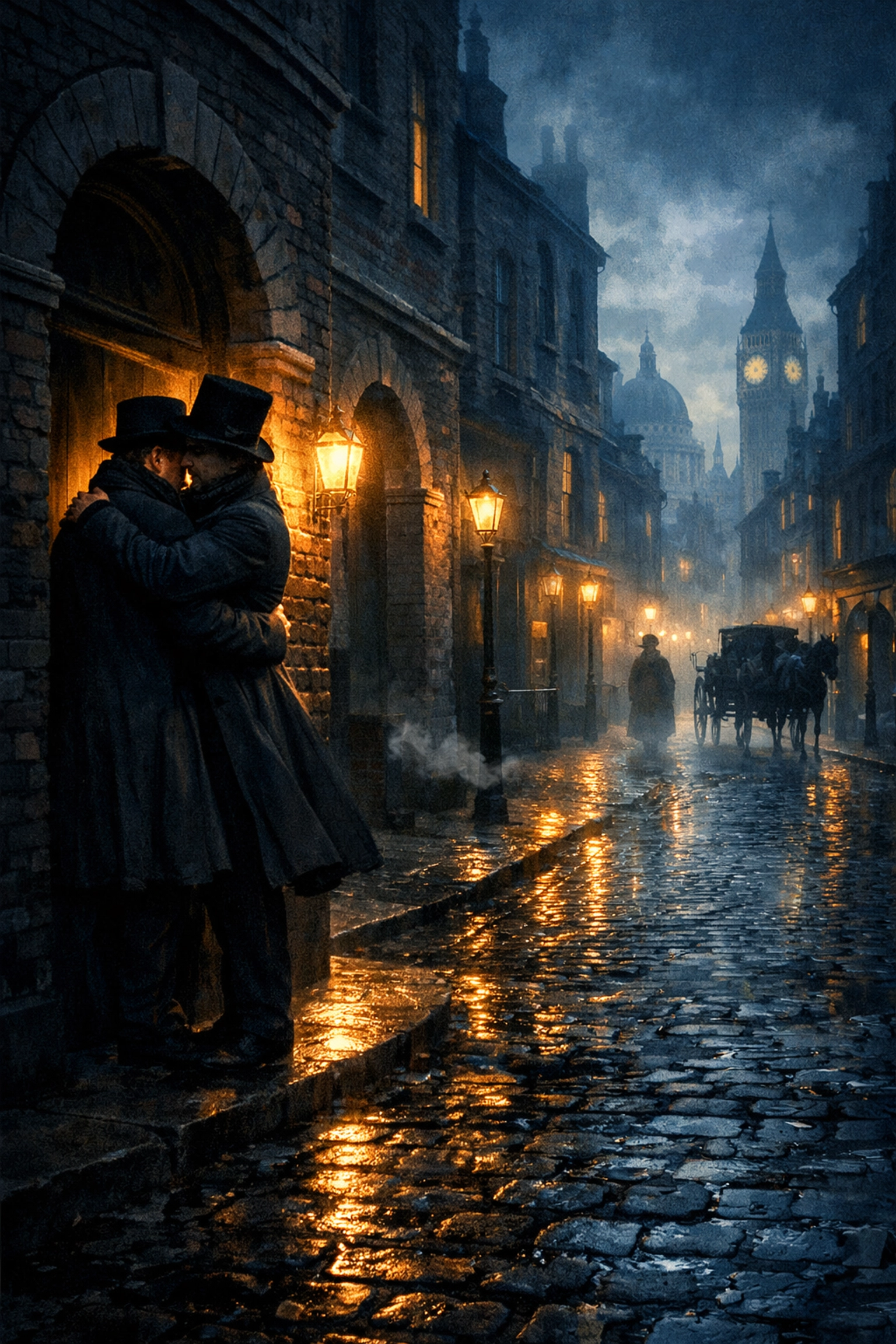
The pillory deserves special mention because it was often a death sentence disguised as public humiliation. Convicted "sodomites" would be locked in place while crowds pelted them with rocks, dead animals, human waste, and anything else they could throw. Some men died from their injuries. Others were maimed for life. The crowd's fury was deliberately whipped up by authorities who wanted to make examples of these men.
Sex, Drugs, and Victorian Hypocrisy
Victorian society is famous for its surface respectability and underground debauchery. The same culture that covered piano legs for modesty also had a thriving sex industry and massive public health crises around venereal disease. This hypocrisy extended to how authorities treated molly houses.
Raids often coincided with moral panic campaigns or political pressure. Authorities would crack down hard for a few months, destroying establishments and arresting dozens. Then things would quiet down, and slowly, carefully, the molly houses would reopen. By the 1750s, after the intense prosecutions of the 1720s-1730s, molly houses began reappearing. The community refused to be stamped out.
The role of alcohol and other substances can't be ignored. Gin wasn't just social lubricant: it was liquid courage in an impossibly dangerous situation. Some establishments also offered opium or other drugs popular in Victorian London. These substances helped men cope with the psychological weight of living secret lives, but they also contributed to addiction and health problems within the community.
The Women in the Shadows
Mother Clap wasn't the only woman involved in the molly house scene. Many establishments were run by women: sometimes former prostitutes who understood what it meant to live outside society's rules. These women provided more than just space; they offered protection, discretion, and genuine affection for their "mollies."
The relationship between gay men and these female proprietors was complex. Some women were purely mercenary, extracting every penny they could from desperate men. Others genuinely cared for their clientele, warning them of raids and hiding them from authorities. A few even faced prosecution themselves for enabling "sodomitical practices."
Legacy Written in Gin and Tears
By the late Victorian era, the molly house culture had evolved. The spaces became more sophisticated, more hidden, and in some ways, more integrated into London's broader underground culture. Private parties in gentlemen's clubs, discreet hotel rooms, public toilets known as "cottages": the community found new ways to connect as the old molly houses faded.
But their legacy matters. These weren't just places where men had sex. They were places where queer community was born in England. Where men first articulated that their relationships deserved recognition and celebration. Where the very act of gathering together became resistance.
Every pride parade, every gay bar, every moment of LGBTQ+ community today stands on the shoulders of those men who risked everything for a few hours of authenticity in a gin-soaked tavern. They drank to forget, but they loved to remember who they really were.
Why This History Still Matters
Understanding molly house culture helps us see that LGBTQ+ community has always existed, even in the most hostile circumstances. We weren't invented by the sexual revolution or created by modern tolerance. We've always been here, finding each other, building spaces, risking everything for connection and love.
For anyone searching for gay historical romance or LGBTQ+ fiction set in this era, these real stories provide incredible context. The courage, the danger, the passion: it was all real. When you read MM romance books set in Victorian London, remember that behind the fiction lies genuine history of men who loved each other against impossible odds.
The gin has changed. The drugs have changed. But the fundamental human need for community, love, and acceptance? That's eternal. Those Victorian mollies would probably feel right at home at a modern gay bar: except for the lack of public executions, obviously.
So next time you raise a glass at your local LGBTQ+ spot, pour one out for Mother Clap and all her children. They drank gin and defied an empire. We owe them everything.
Discover more LGBTQ+ history and contemporary stories at readwithpride.com
Follow us on social media:
- Facebook: Read With Pride
- X/Twitter: @Read_With_Pride
- Instagram: @read.withpride
#LGBTQHistory #GayHistory #MollyHouses #VictorianLondon #QueerHistory #MMRomance #GayRomance #HistoricalLGBTQ #ReadWithPride #GayLiterature #QueerFiction #LGBTQBooks #GayHistoricalRomance #MMBooks #PrideHistory #LGBTQCommunity #GayRomanceBooks #QueerCulture #MMHistoricalRomance #LGBTQFiction

Leave a Reply
You must be logged in to post a comment.