

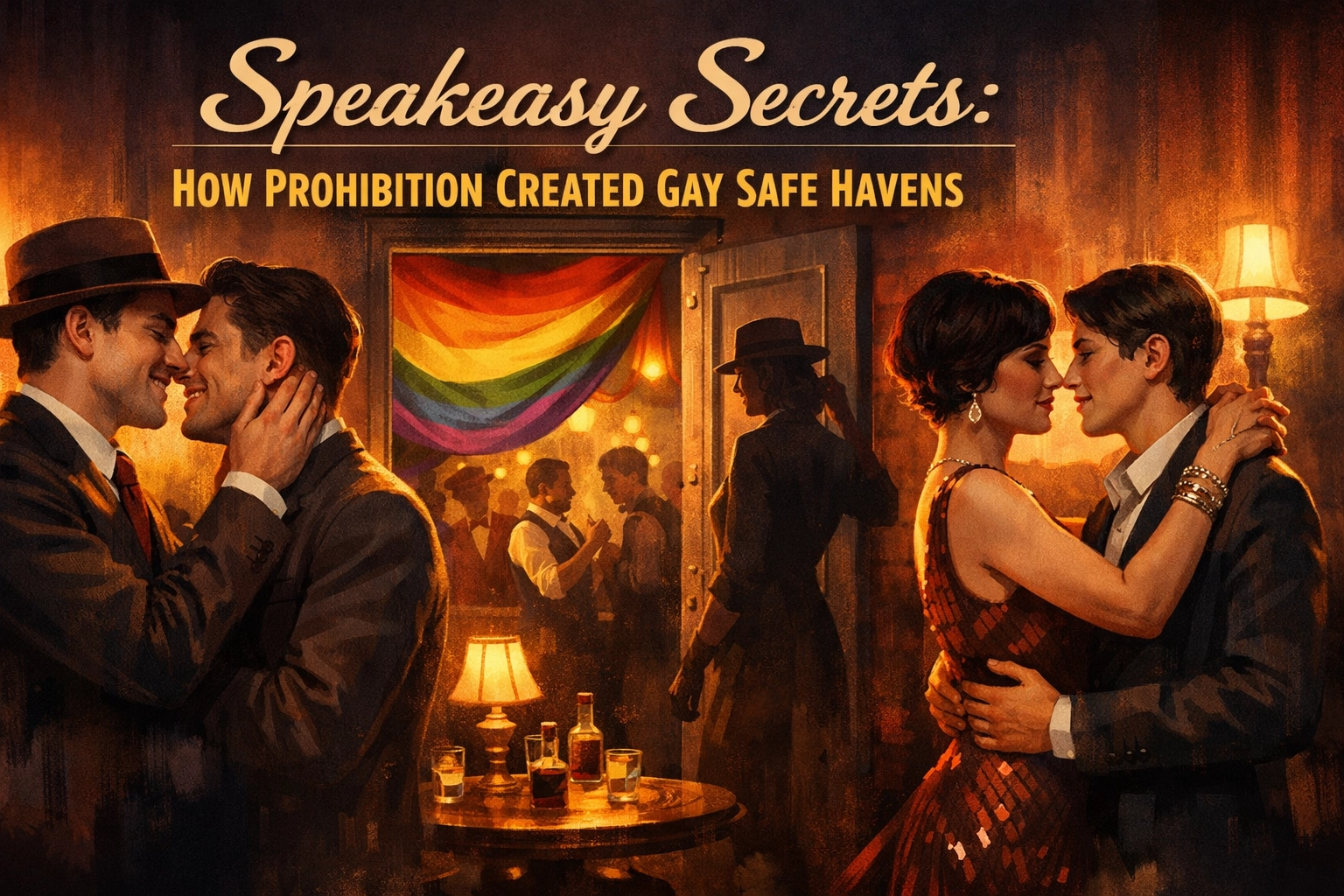
readwithpride.com
When Banning Booze Accidentally Created Queer Liberation
Here's the wild irony: America tried to clean up its moral act by banning alcohol in 1920, and accidentally created some of the first real safe spaces for LGBTQ people. Sometimes the universe has a sense of humor, right?
Before Prohibition, if you were a queer person looking for community, your options were pretty damn limited. Traditional bars? Men only, thanks. Public spaces? Forget about it, holding hands with your same-sex partner could get you arrested, fired, or worse. But when the 18th Amendment made all alcohol illegal, the rules of the game changed completely.
Suddenly, everyone was breaking the law just to have a drink. And when you're already operating outside the boundaries of what's "acceptable," other social conventions start to crumble too.
The Underground Changes Everything
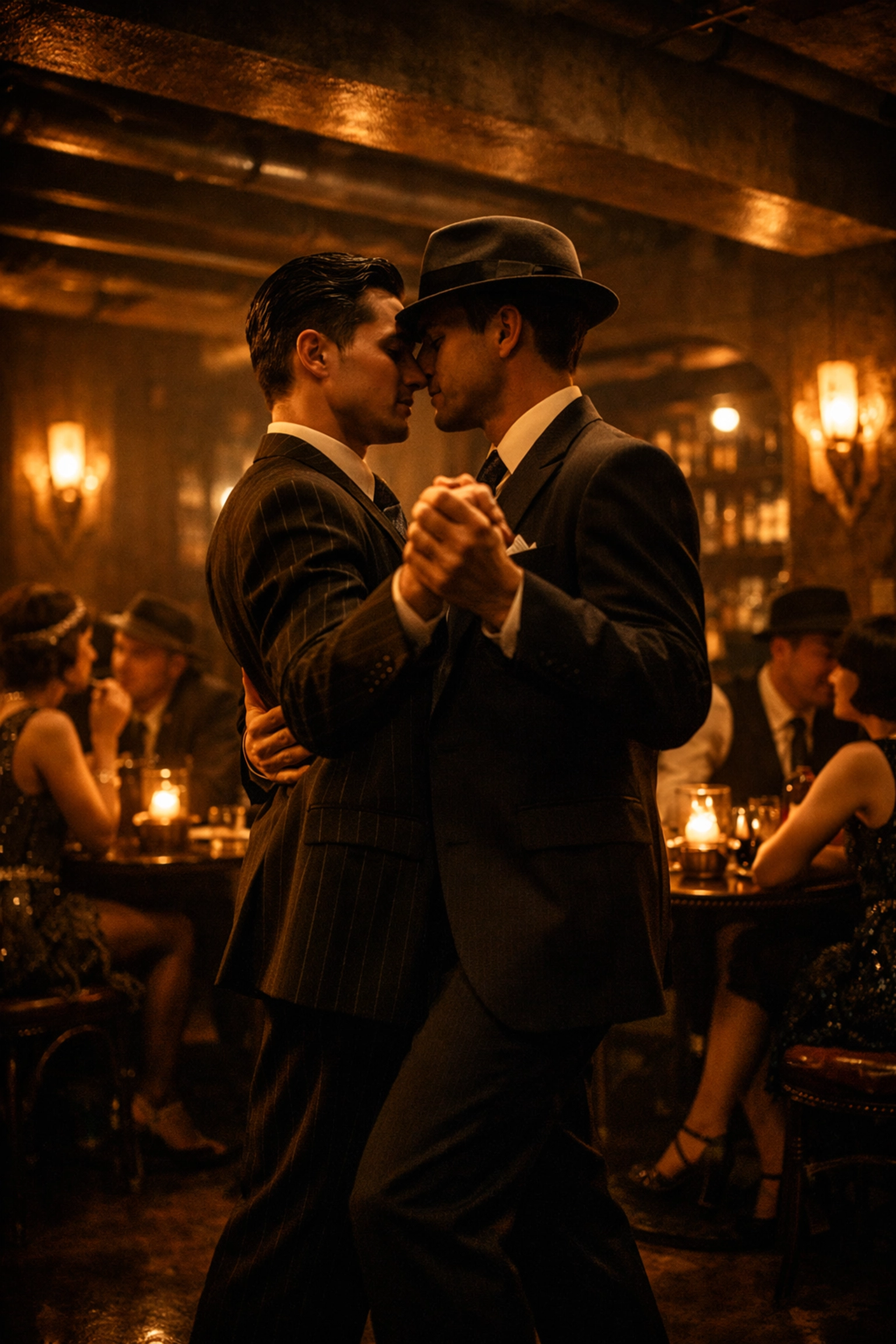
When legitimate bars shuttered their doors in 1920, thousands of speakeasies popped up in their place, hidden clubs in basements, back rooms, and warehouses. To get in, you needed to know the password, knock the right way, or know someone who knew someone.
Here's what made speakeasies revolutionary: for the first time, women and men were drinking together in the same spaces. That might not sound like much now, but it was huge. Breaking that barrier opened the door for other "unacceptable" behaviors, like same-sex couples dancing together, cross-dressing performers taking the stage, and queer people simply existing without constant surveillance.
Law enforcement was overwhelmed trying to police every illegal drinking establishment. They couldn't be everywhere at once, which meant LGBTQ folks finally had breathing room. In the shadows of illegality, queerness could flourish.
Welcome to the Pansy Craze
The 1920s and early 1930s saw something cultural historians call the "Pansy Craze", a surge in drag performances, openly queer entertainers, and gay-friendly establishments. Speakeasies weren't just tolerating LGBTQ people; they were celebrating them.
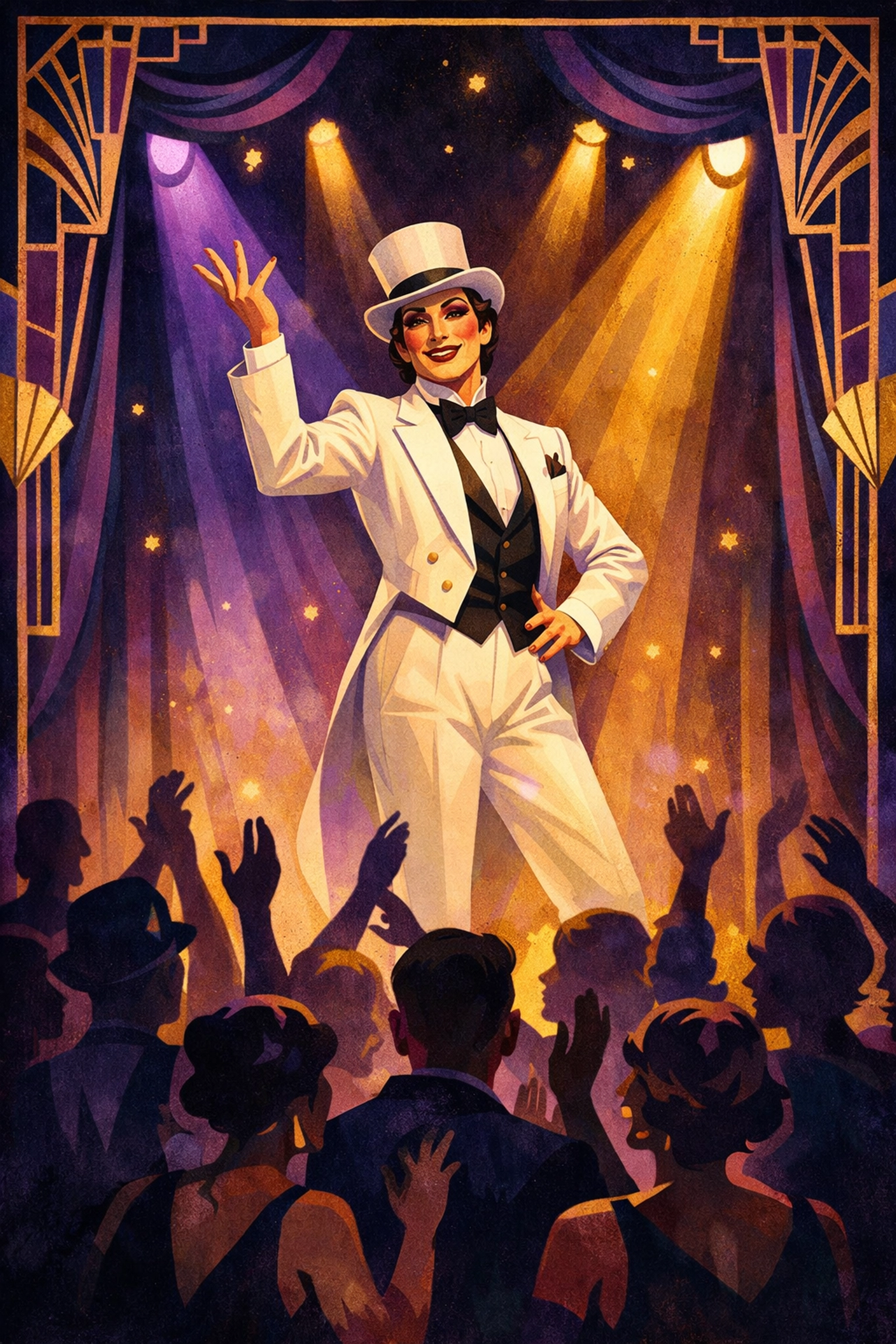
Take Gladys Bentley, for example. This powerhouse blues singer performed in Harlem speakeasies dressed in a white tuxedo and top hat, flirting openly with women in the audience. She didn't just perform; she commanded the stage with a boldness that would've been impossible in a "respectable" venue. Her performances were legendary, a mix of bawdy humor, incredible musicianship, and unapologetic queerness.
Venues like Harry Hansberry's Clam House in Greenwich Village became destinations for both queer locals and curious straight folks wanting to experience the underground culture. The Savoy Ballroom stayed open until 5 a.m., giving gay and lesbian couples extended hours to dance, connect, and build community away from the harassment they faced in daylight.
These weren't just bars, they were sanctuaries where you could be yourself for a few precious hours.
Chicago's Hidden Queer Scene
While New York's speakeasy culture gets a lot of attention, Chicago had its own thriving underground gay scene during Prohibition. The city's South Side became home to numerous "black and tan" clubs, integrated spaces where Black and white patrons mixed freely, another social taboo of the era.
These clubs attracted LGBTQ people precisely because they were already transgressing racial boundaries. If a venue was willing to break society's rules about race, they were often more open to other forms of "deviance." The logic was simple: we're all outlaws here anyway.
Chicago's speakeasy scene was grittier than New York's, with strong ties to organized crime. But that criminal element, ironically, provided protection. Mob bosses cared about money, not morality. If queer patrons paid for drinks and didn't cause trouble, they were welcome. Some establishments even employed queer staff and performers, recognizing their value in creating an atmosphere that drew diverse crowds.
The Cost of Freedom
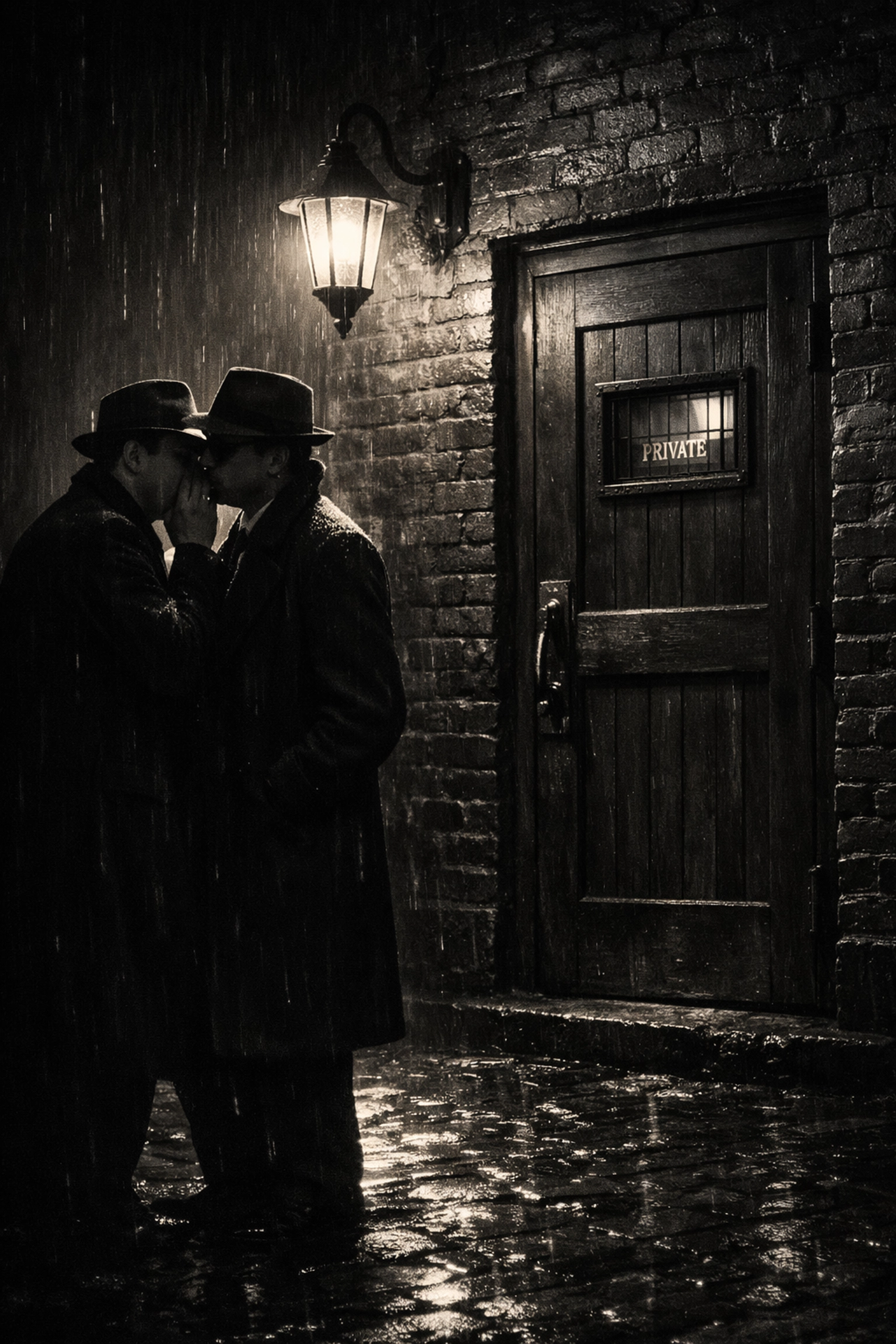
Let's be real though, these spaces weren't perfect utopias. Operating in the shadows came with risks. Police raids were always a possibility, and getting caught could mean arrest, public humiliation, and ruining your life. Many LGBTQ people lost jobs, families, and housing simply because they were discovered in a raid.
There was also the reality of crime. Speakeasies operated outside the law by definition, which sometimes attracted violence, exploitation, and dangerous situations. Not every establishment was safe, and not every owner was trustworthy.
But for many queer people, those risks were worth it. When your options are either hide completely or risk everything for a few hours of authenticity, you make your choice and hope for the best.
The Party Ends (Kind Of)
When Prohibition ended in 1933, the speakeasy era officially closed. But what happened to the LGBTQ spaces that had flourished in that underground world?
Some disappeared entirely. Without the protective cover of universal illegality, many establishments faced renewed scrutiny and closed their doors to queer patrons. The brief moment of relative freedom contracted sharply.
But the culture that had developed didn't vanish completely. The connections made, the confidence built, the visibility achieved, those things persisted. The speakeasy era proved that LGBTQ community spaces could exist and thrive. It created a blueprint for the gay bars, clubs, and community centers that would emerge in later decades.
The Stonewall Riots of 1969, often considered the birth of the modern LGBTQ rights movement, happened at a bar, a space that traced its lineage back to those Prohibition-era speakeasies where queer people first gathered in significant numbers.
What We Can Learn Today
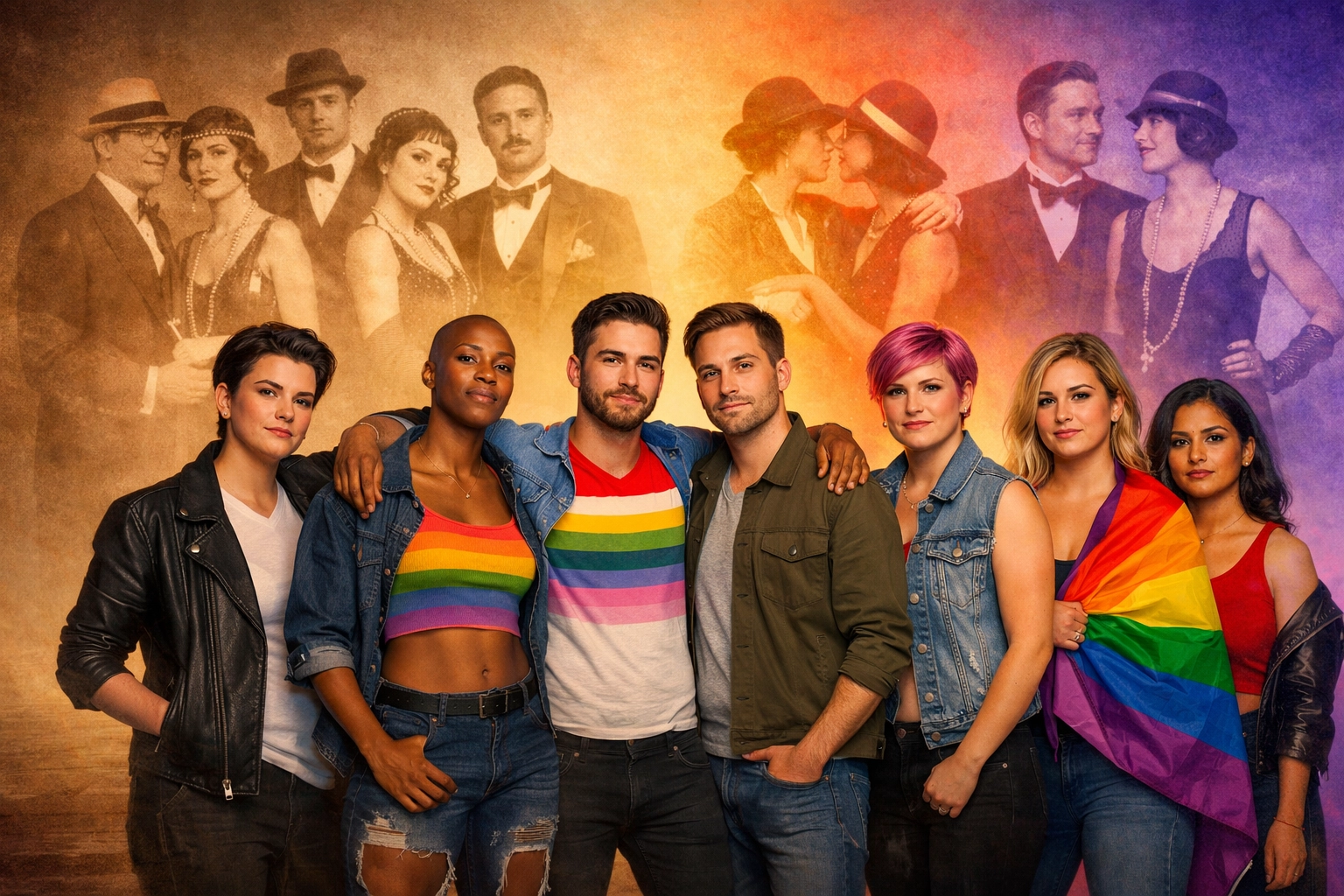
Looking back at the speakeasy era reminds us that LGBTQ liberation has always been intertwined with other forms of resistance. Whether it was bootleggers defying alcohol laws, jazz musicians breaking musical conventions, or people of different races socializing together, these movements overlapped and supported each other.
It also shows us the power of space. Having somewhere to gather, somewhere to be seen, somewhere to build community, that's not a luxury. It's essential. Those speakeasies weren't just about drinking and dancing; they were about survival, connection, and joy in a world that wanted to deny all three to queer people.
Today, as we see renewed attacks on LGBTQ spaces and rights, the speakeasy era offers both warning and hope. Yes, progress can be reversed. Yes, safe spaces can be threatened. But also: queer people have always found ways to create community, even in the most hostile conditions. We're resourceful, resilient, and really good at throwing parties in unlikely places.
Keep Reading, Keep Remembering
Stories like these matter. They remind us that LGBTQ history is American history: messy, complicated, and far more interesting than the sanitized versions we usually hear. At Read with Pride, we're committed to sharing these narratives, celebrating queer resilience, and connecting readers with stories that reflect the full spectrum of our community's experiences.
Whether you're into MM romance books, LGBTQ+ historical fiction, or just want to learn more about our vibrant past, there's something here for you. Because understanding where we've been helps us navigate where we're going.
Follow us for more LGBTQ+ stories and content:
- Facebook: Read with Pride
- Instagram: @read.withpride
- X/Twitter: @Read_With_Pride
Visit us at readwithpride.com for more queer fiction, gay romance novels, and LGBTQ+ literature.
#LGBTQHistory #GayHistory #ProhibitionEra #SpeakeasySecrets #QueerHistory #ReadWithPride #LGBTQFiction #MMRomance #GayRomanceBooks #QueerLiterature #HistoricalLGBTQ #PansyCraze #GayChicago #LGBTQBooks #QueerCommunity #GayBars #LGBTQRights #GayLoveStories #MMRomanceBooks #LGBTQReading

Leave a Reply
You must be logged in to post a comment.