

readwithpride.com
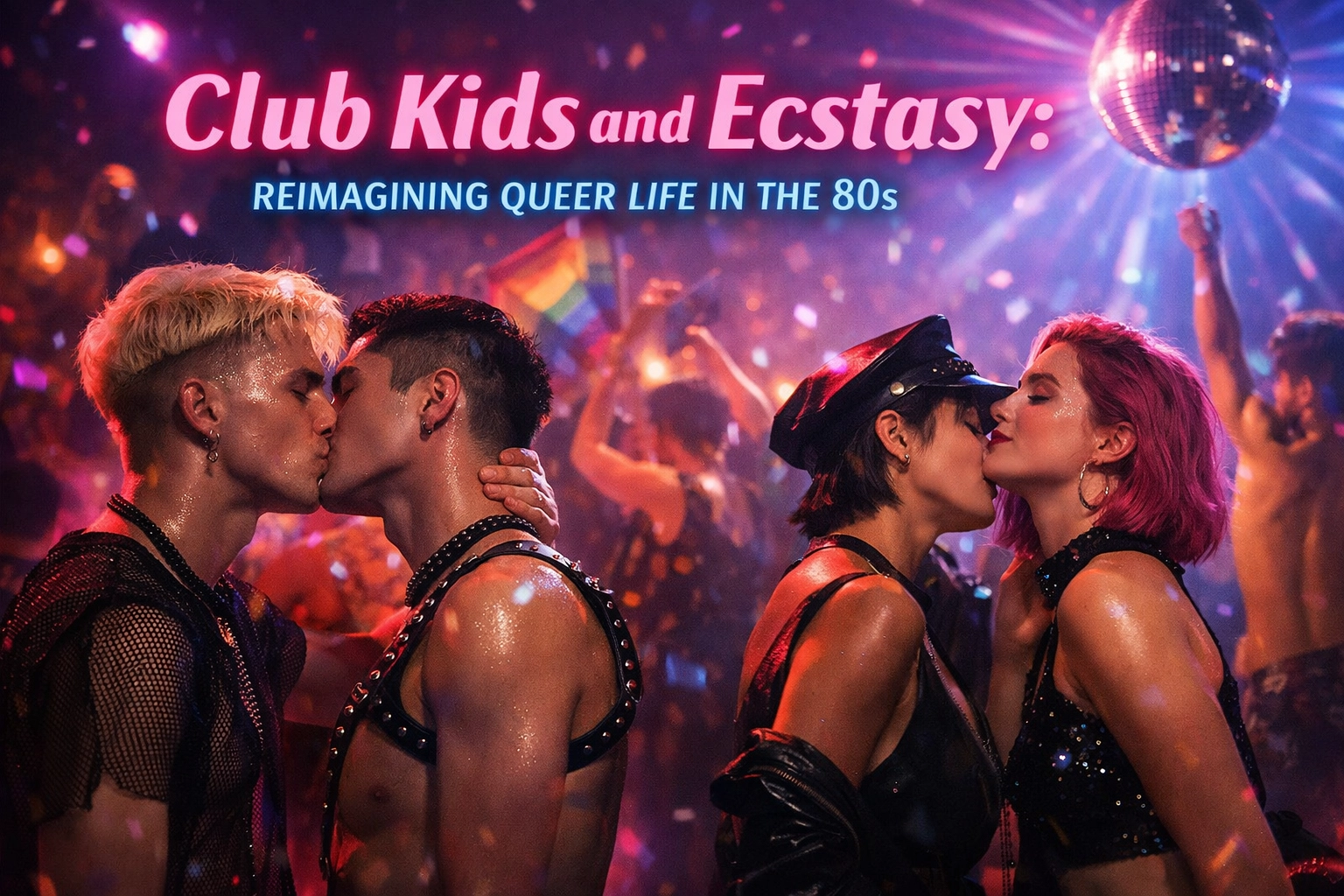
Picture this: It's 3 AM in New York City, 1988. The subway station at Union Square has transformed into an impromptu nightclub. Kids in feathers, glitter, and costumes that defy every gender norm are dancing their hearts out. Someone's dressed as a human chandelier. Another person looks like they walked out of a sci-fi fever dream. The music is pumping, the energy is electric, and for a few precious hours, the outside world: with all its judgment, fear, and loss: doesn't exist.
Welcome to the world of the Club Kids, one of the most audacious and misunderstood movements in queer history.
Born from Crisis, Built on Defiance
To understand the Club Kids, you need to understand the moment they emerged from. The 1980s were devastating for the LGBTQ+ community. AIDS was decimating entire networks of friends, lovers, and chosen families. Gay men were dying, and the government's response ranged from indifferent to actively hostile. Stigma was everywhere. Fear was constant.
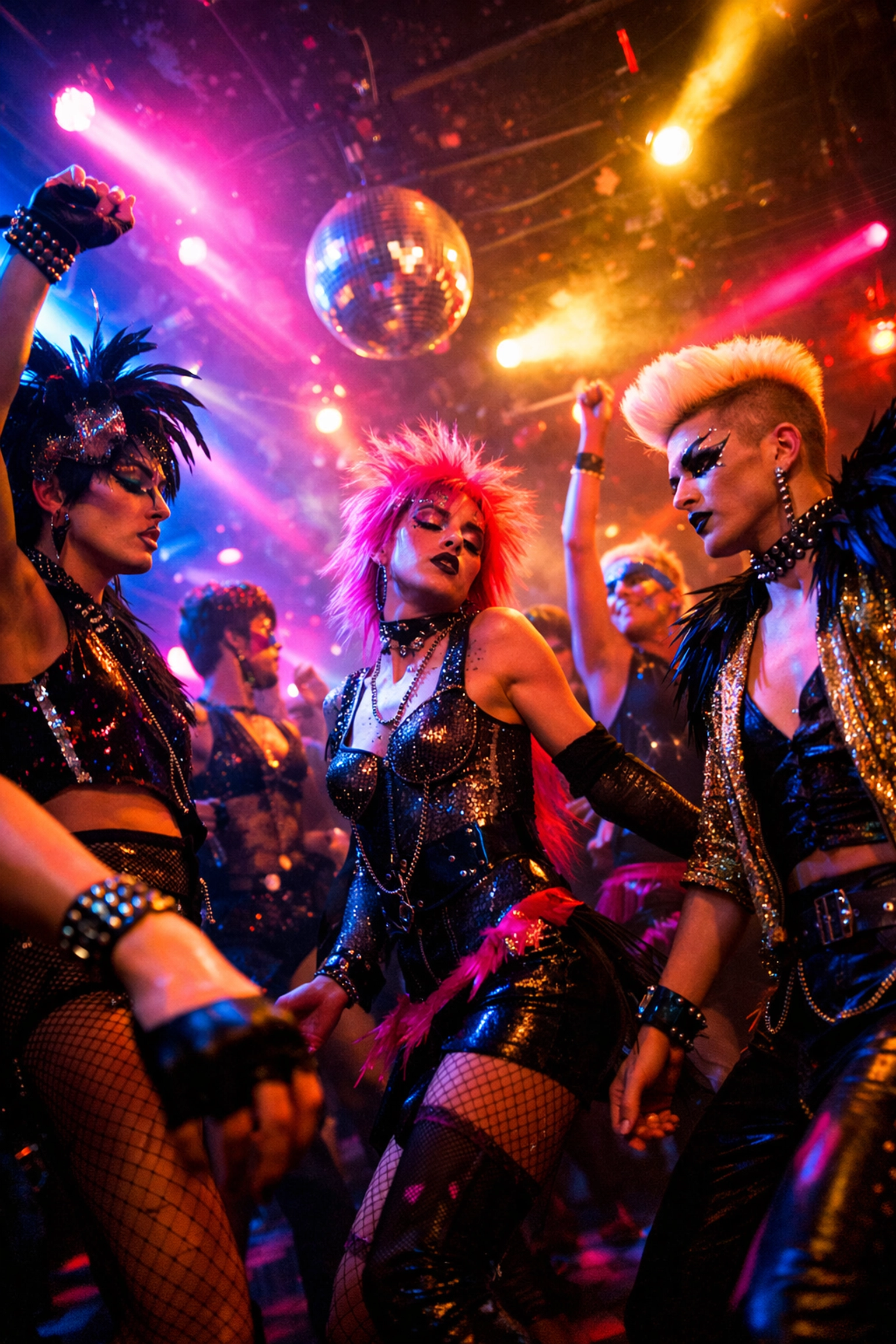
In the face of this trauma, something unexpected happened. Instead of retreating into invisibility, a group of young queer people in New York City decided to go bigger, bolder, and more fabulous than anyone had dared before. They weren't just going to survive: they were going to create their own universe where being different wasn't just accepted, it was worshipped.
The Club Kids offered what one participant described as "a period of relief" and "a radiance that hadn't been seen before." They gave queer, trans, and marginalized youth a space to be impossibly, unapologetically themselves at a time when the world seemed determined to erase them.
What Made Club Kids Different
The Club Kids weren't your typical nightclub scene. Led by figures like Michael Alig and James St. James, they pioneered what we'd now call "guerilla nightlife": throwing impromptu parties in abandoned warehouses, subway platforms, fast-food restaurants, anywhere that could be temporarily transformed into a playground of radical self-expression.
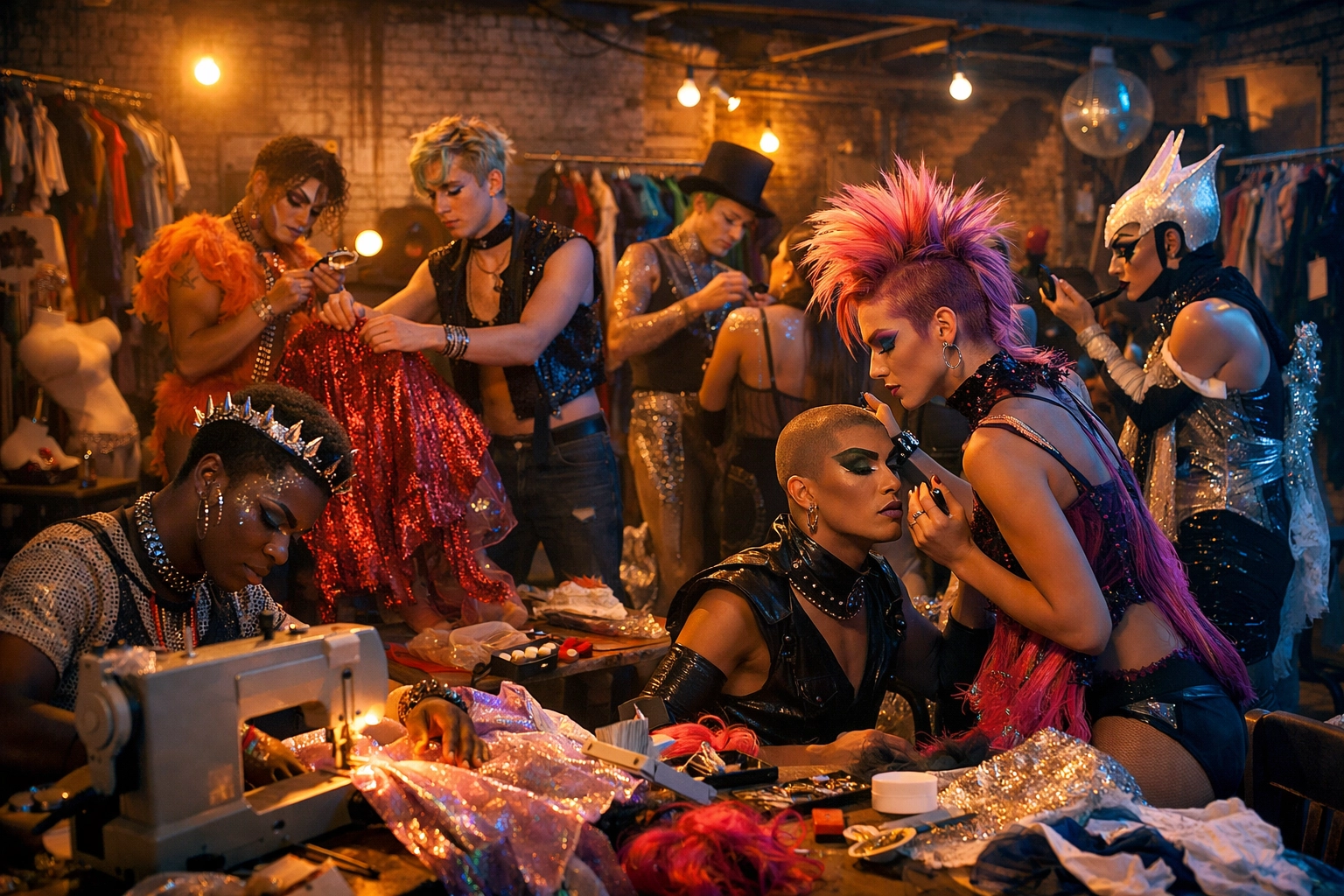
The aesthetic was everything: gender fluidity before it had that name, DIY creativity pushed to its absolute limits, and a commitment to looking like absolutely nothing else on earth. We're talking full fantasy costumes: aliens, monsters, living artworks. If you could imagine it and hot-glue it together, it belonged at a Club Kid party.
This wasn't just fashion for fashion's sake. In a world that wanted queer people to be invisible, the Club Kids made themselves impossible to ignore. They appeared on talk shows, got featured in fashion campaigns, and influenced designers like Jean Paul Gaultier. They essentially invented influencer culture before Instagram existed.
Ecstasy and the Chemistry of Connection
Here's where things get complicated, and we need to talk honestly about it. Drugs: particularly ecstasy: were woven into the fabric of Club Kid culture. MDMA was flooding into New York's nightlife scene, and for many Club Kids, it became part of the experience.
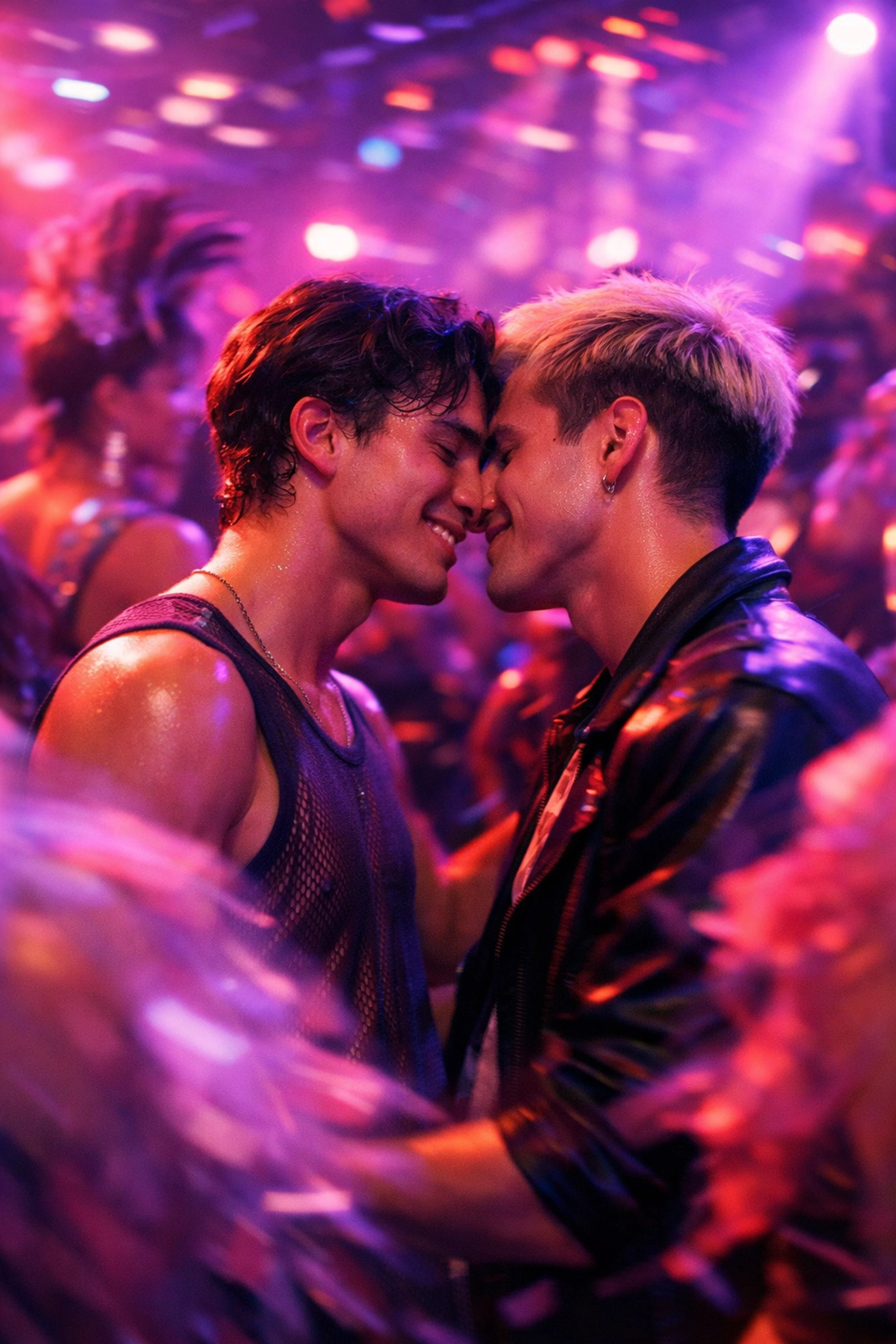
Why? Ecstasy created feelings of euphoria, empathy, and connection. For young queer people who'd spent their lives feeling isolated, judged, or traumatized, it offered a chemical shortcut to belonging. On the dance floor, under the influence, barriers dissolved. Strangers became family. Touch became healing. For a few hours, the weight of stigma and loss lifted.
But let's be clear-eyed here: this wasn't just about getting high. The significance of ecstasy in Club Kid culture was inseparable from the larger ethos of radical freedom and boundary-pushing. It was part of rejecting respectability politics, of refusing to be "good gays" who asked nicely for acceptance. It was hedonism as resistance.
Of course, this came with real consequences. Addiction, health problems, and dependency were very real issues. The story of the Club Kids isn't a simple celebration: it's a complex portrait of people trying to survive and find joy in impossible circumstances.
The Legacy Lives On
Before the Club Kids imploded (more on that in a moment), they changed culture in ways we're still feeling. They proved that queer nightlife could be art. They showed that gender was a costume you could put on and take off. They demonstrated that marginalized people could create their own media attention, their own icons, their own rules.
You can see their DNA in everything from Lady Gaga's early aesthetic to RuPaul's Drag Race. That idea that you can reinvent yourself completely, that outrageous is beautiful, that weirdness is power? That's the Club Kids' legacy.
For those of us who love gay fiction and MM romance books that explore queer history authentically, the Club Kid era offers rich material. It's a period that shows both the creativity and vulnerability of queer communities under pressure. At readwithpride.com, we're always looking for stories that capture these complex, authentic moments in LGBTQ+ history.
When the Music Stopped
The Club Kid scene didn't fade gently. In 1996, Michael Alig murdered fellow Club Kid Andre "Angel" Melendez in a drug-fueled incident that shocked even those familiar with the scene's excesses. The subsequent trial brought intense media scrutiny and effectively ended the movement.
Around the same time, Mayor Rudy Giuliani's "Quality of Life" campaign systematically shut down the venues, parties, and spaces where queer nightlife thrived. What the city framed as cleaning up crime was, in practice, an attack on queer culture, communities of color, and any form of nightlife that didn't fit into a sanitized, tourist-friendly vision of New York.
The double blow: internal violence and external crackdown: ended an era.
What We Carry Forward
So what do we take from the Club Kids story? It's tempting to either romanticize it completely or dismiss it as a cautionary tale. The truth is messier and more interesting than either narrative.
The Club Kids showed us that in the darkest times, queer people will create beauty, community, and joy: sometimes in ways that make everyone uncomfortable. They proved that respectability politics aren't the only path to visibility or change. They demonstrated that art, fashion, and nightlife can be forms of resistance as powerful as any protest march.
They also showed us that escape has its limits. That self-destructive behaviors, even when they emerge from trauma, still destroy. That even the most fabulous armor can't protect you from consequences forever.
For readers exploring queer fiction and LGBTQ+ literature, the Club Kid era is a reminder that our history isn't simple. It's full of contradictions: beautiful and tragic, liberating and destructive, empowering and cautionary all at once. The best gay novels and MM romance stories honor that complexity rather than flattening it.
Reading with Pride Means Knowing Our History
At Readwithpride.com, we believe in telling the full spectrum of queer stories: not just the ones that are easy or comfortable. The Club Kids were messy, complicated, and undeniably real. Their story is part of our history, and understanding it helps us appreciate where we are now and what we've survived.
Whether you're into contemporary gay romance, LGBTQ+ ebooks, or stories that explore the grittier sides of queer life, knowing this history enriches how we read and understand our literature today.
Connect with us on Instagram, Facebook, and X for more stories from queer history and the best in gay romance books and MM fiction.
#ClubKids #QueerHistory #LGBTQHistory #GayHistory #1980sNightlife #QueerCulture #ReadWithPride #GayRomance #MMRomance #LGBTQBooks #QueerLiterature #GayFiction #LGBTQPride #QueerStories #GayBooks #MMRomanceBooks #LGBTQEbooks #QueerReading #GayNovels #PrideReading #HistoricalLGBTQ #QueerNightlife #AIDSCrisis #QueerResilience

Leave a Reply
You must be logged in to post a comment.