

readwithpride.com
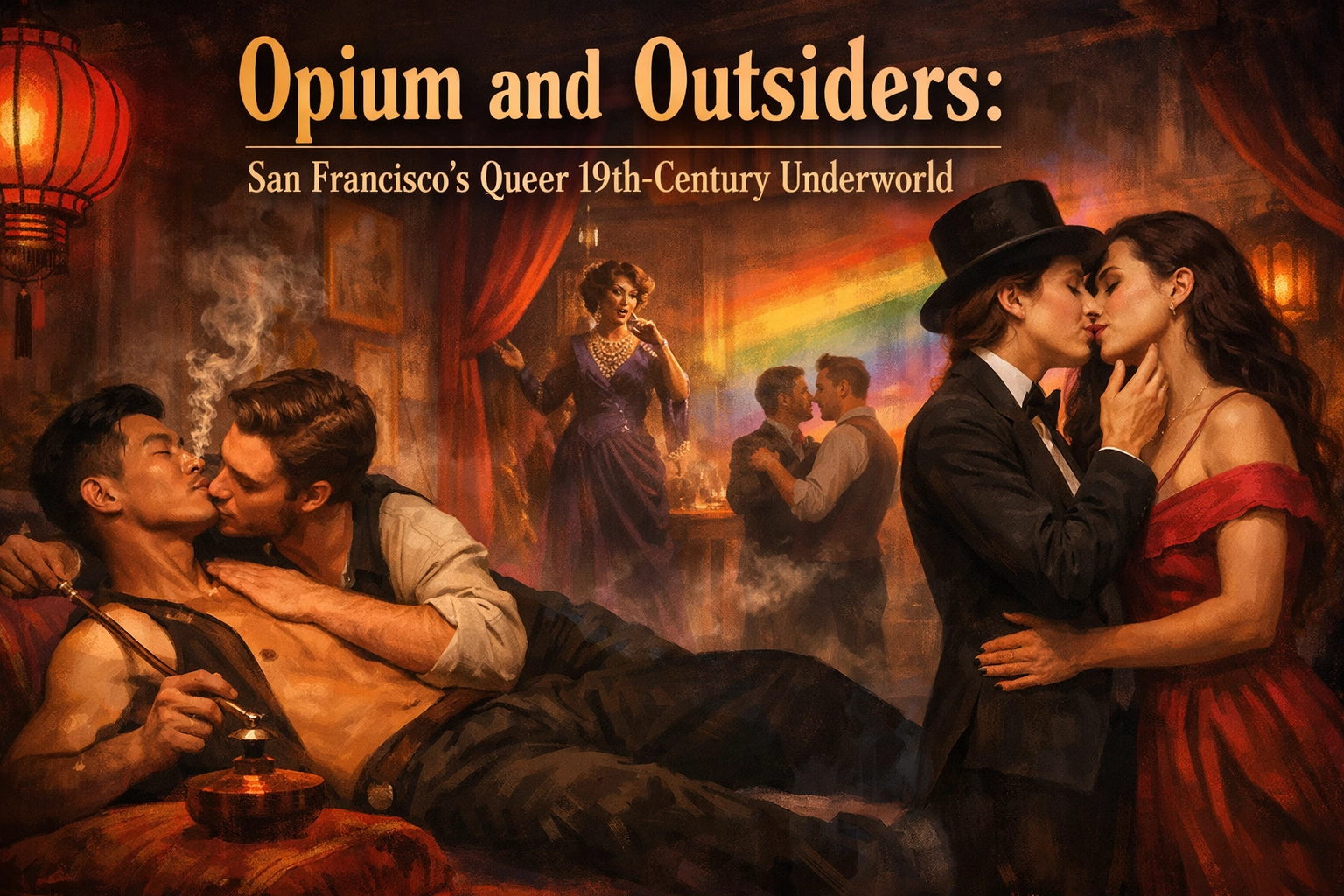
When we think about LGBTQ+ safe spaces, we usually picture rainbow flags, pride parades, and welcoming coffee shops. But rewind 150 years, and the reality was wildly different. In 19th-century San Francisco, queer folks found sanctuary in the most unexpected places, including the smoke-filled, dimly lit opium dens of Chinatown and the Barbary Coast.
Yeah, you read that right. Before gay bars became a thing, some of our community's ancestors were finding freedom, connection, and escape in spaces society had already written off as "deviant." Let's dive into this fascinating, hazy chapter of queer history.
The Gold Rush Created a Queer City (Sort Of)
San Francisco's queer underworld didn't emerge out of nowhere. It was born from chaos, fortune-seeking, and some seriously skewed demographics. When gold was discovered in 1848, the city exploded from 800 residents to 35,000 in just two years. And here's the kicker, over 95% of these migrants were young men.
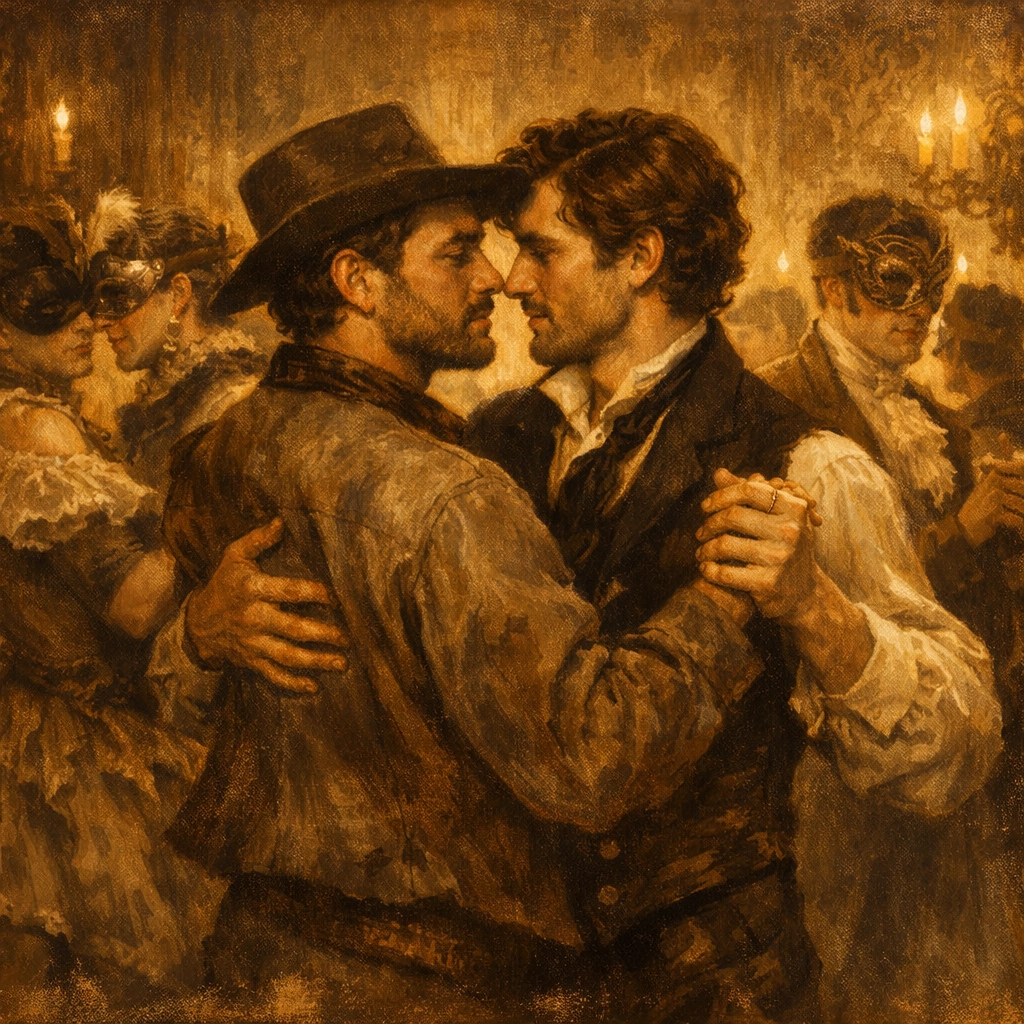
Imagine a city where women were so scarce that men had to dance with each other at social gatherings just to have something resembling a social life. Cross-dressing became commonplace at masquerade balls, not always as performance, but sometimes as genuine expression. Men took on traditionally "female" roles in households and businesses. Women who were there often wore men's clothing for safety, freedom of movement, and, let's be real, because it felt right.
This wasn't a queer utopia by modern standards, but it created cracks in the rigid gender system. And where there are cracks, queer people find ways to exist, thrive, and love.
Why Opium Dens Became Queer Havens
By the 1860s and 1870s, San Francisco's Chinatown was home to numerous opium dens. These establishments existed in legal grey areas, tolerated by authorities who saw them as a "Chinese problem" they could largely ignore. But here's what the moral reformers of the era didn't anticipate: these spaces became refuges for all kinds of outsiders.
Opium dens were gender-integrated spaces, which was radical for the time. They attracted Chinese immigrants, white sailors, sex workers, bohemians, artists, and yes, queer people. In these smoky rooms where societal rules seemed suspended, men could lie close to other men without raising eyebrows. Gender expression became fluid in the haze. The usual Victorian moral policing dissolved.
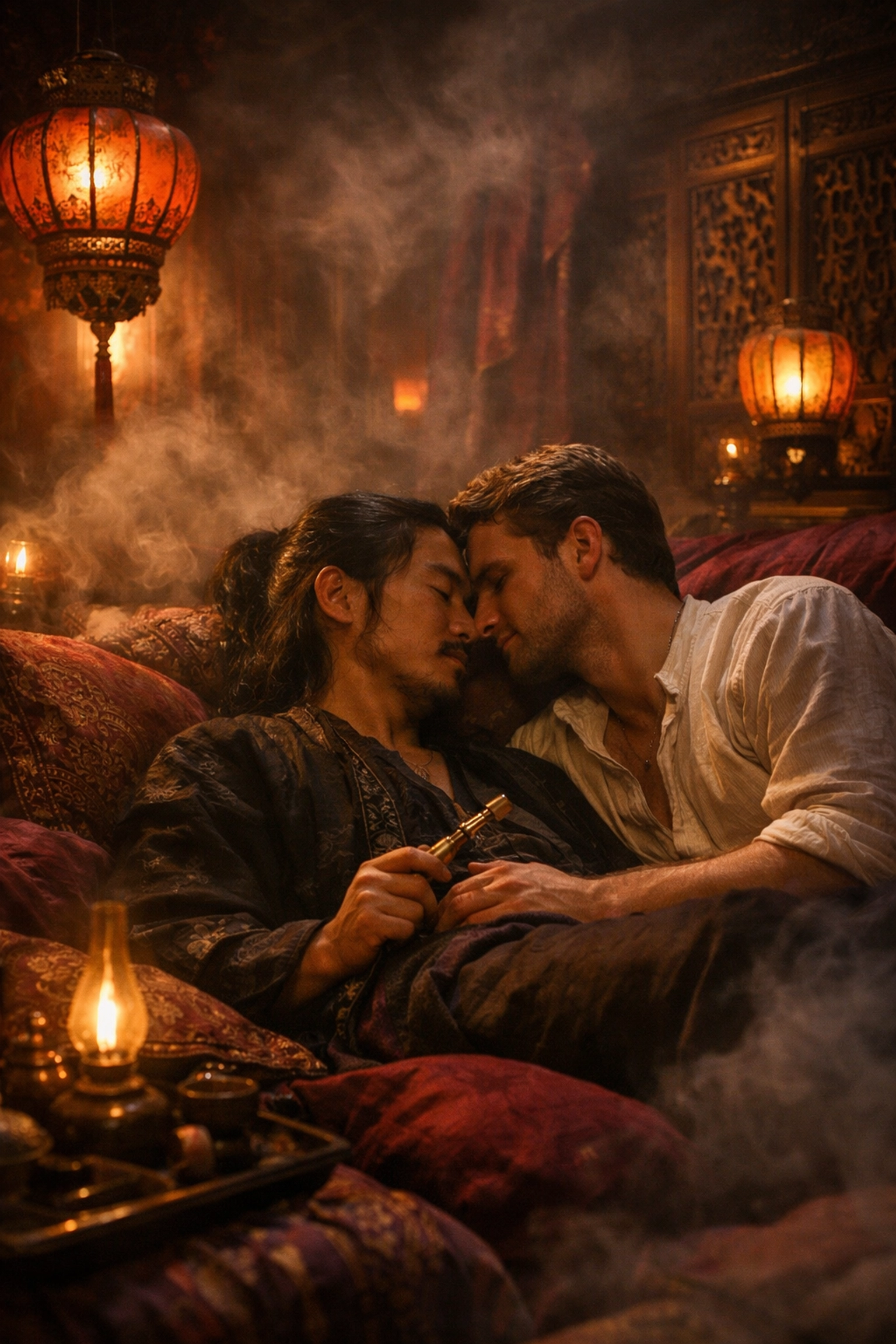
These weren't specifically "gay spaces" in the way we'd understand them today. But they were spaces where queerness could exist without immediate punishment. Where a working-class gay man might find brief respite from performing heterosexuality. Where gender nonconforming people could simply be without explanation.
The opium provided escape, sure, but so did the anonymity and acceptance. In a society that criminalized difference, these dens offered precious hours of freedom.
The Barbary Coast: Where Vice Met Visibility
If opium dens were the hidden refuges, the Barbary Coast was where queer culture went semi-public, wrapped in the language of "vice" and entertainment.
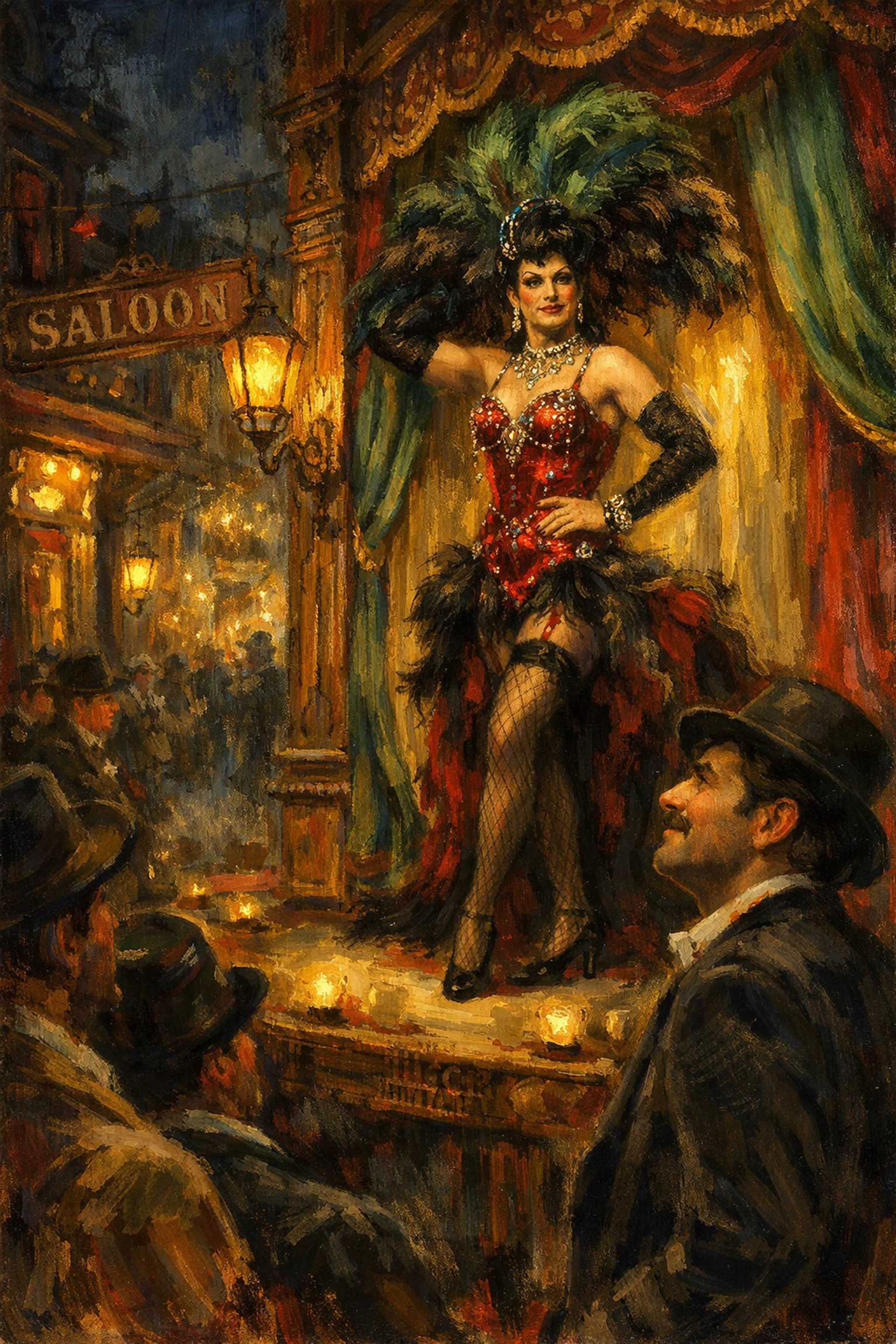
From the 1890s to 1907, Pacific Avenue's notorious Barbary Coast district became one of America's most infamous red-light areas. Sex work thrived. So did same-sex prostitution and female impersonation. Saloons and dance halls featured male performers in elaborate drag, entertaining crowds who came for the spectacle, and sometimes for more private encounters afterward.
These weren't Pride parades. The context was exploitation, survival sex work, and entertainment for a largely straight audience. But within that context, queer people carved out space. Female impersonators developed artistic personas. Gay sex workers found clients and sometimes community. Queer folks in the audience found others like themselves.
The Barbary Coast was dangerous, yes. But it was also visible proof that queer people existed, loved, and lived: even when society wanted to pretend otherwise.
When the Law Came Down
California outlawed cross-dressing in 1863, making it illegal to appear in public "in a dress not belonging to his or her sex." Similar laws spread across America, part of a broader moral panic about gender and sexuality.
The anti-vice campaigns of the late 19th and early 20th centuries targeted everything the Barbary Coast represented. Reformers wanted to "clean up" San Francisco, which in practice meant pushing queer people and sex workers further underground. Opium dens faced increasing raids and regulations.
But here's what every attempt to legislate queerness out of existence has taught us: you can't. Instead, community just goes deeper underground. Private clubs replaced public streets. Secret networks formed. Coded language developed. The underground railroad of queer survival adapted and continued.
What We Can Learn From Smoke and Shadows
This chapter of history isn't pretty or simple. It involves addiction, criminalization, sex work, poverty, and survival in conditions no one should face. We shouldn't romanticize the desperation that drove people to find safety in spaces society had abandoned.
But we also shouldn't forget the resilience, creativity, and community-building that happened in those opium-hazed rooms and raucous Barbary Coast saloons.
Our queer ancestors made spaces for themselves wherever they could. They found each other in the margins. They built networks of care and desire in places polite society refused to look. They survived laws designed to erase them.
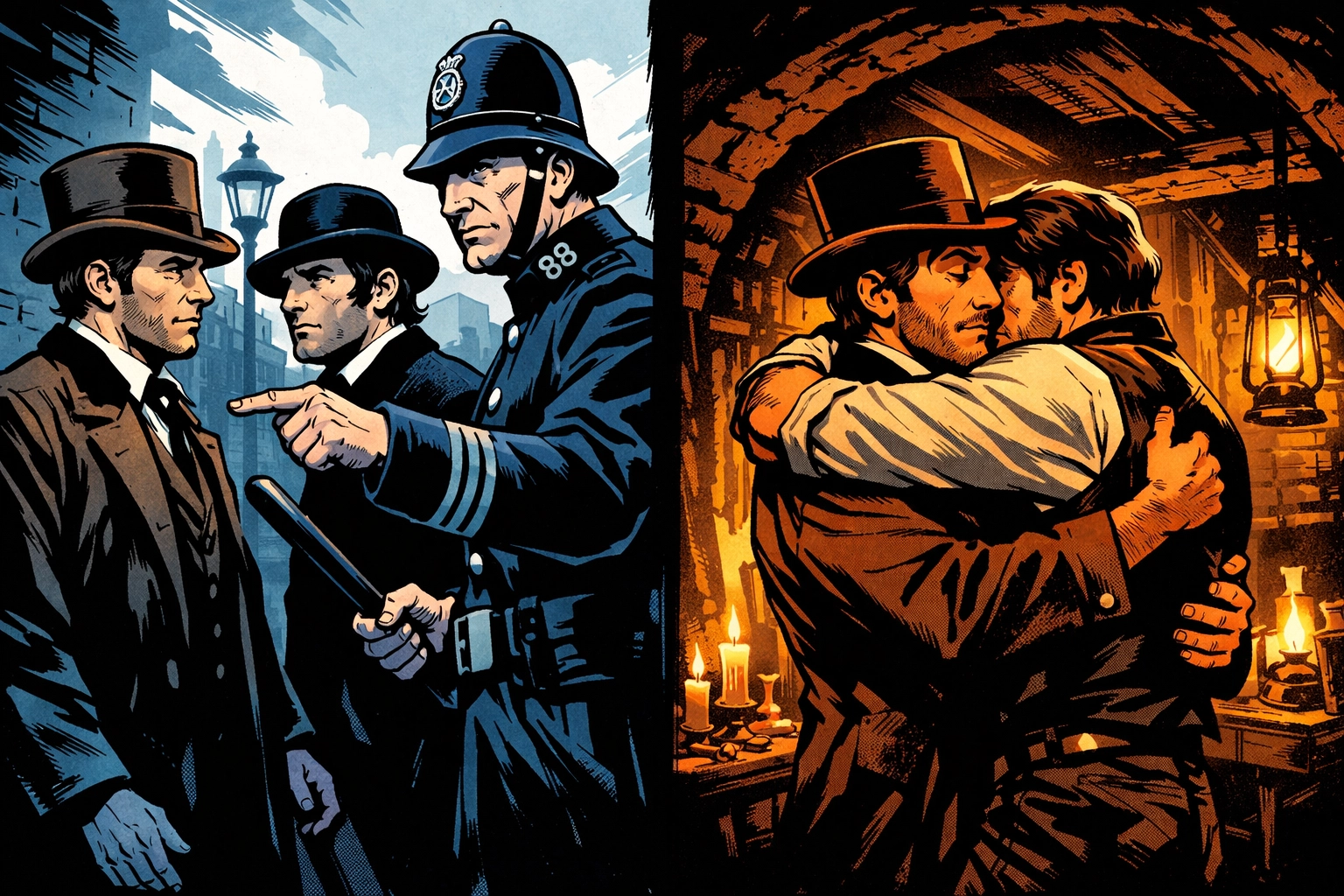
Today, when we read MM romance books that feature historical settings, or explore gay fiction that honors our complex past, we're connecting with this legacy. Sites like Read with Pride exist because generations of LGBTQ+ people refused to be erased: even when safety meant hiding in opium smoke.
The next time you pick up gay historical romance or dive into LGBTQ+ fiction set in earlier eras, remember: our history includes gilded ballrooms and grimy opium dens. Pride parades and underground survival networks. Visibility and necessary invisibility.
We come from people who found ways to love, connect, and exist against impossible odds. That's worth remembering, celebrating, and honoring with every story we tell.
Finding Our Stories Today
Understanding where we've been helps us appreciate where we are: and where we're going. The queer literature landscape has exploded in recent years, with MM romance novels and queer fiction exploring every era, setting, and experience imaginable.
Whether you're into contemporary MM romance, gay fantasy, or historical gay fiction, there's never been a better time to explore stories that honor our complex, messy, beautiful history. From enemies to lovers MM romance to slow burn gay love stories, today's authors are reclaiming narratives that were hidden in opium smoke and whispered in underground bars.
Check out the collection at readwithpride.com to discover gay romance books and LGBTQ+ ebooks that span genres, eras, and experiences: all celebrating the diversity of queer life, then and now.
Follow Read with Pride on Instagram, Facebook, and X/Twitter for daily gay book recommendations, new releases, and celebrations of queer authors keeping our stories alive.
Because every gay love story today: whether it's steamy, heartfelt, thrilling, or fantastical: stands on the shoulders of people who loved in opium dens, danced in drag on the Barbary Coast, and refused to disappear.
Their courage lives on in every page we turn.
#ReadWithPride #MMRomance #GayRomanceBooks #LGBTQHistory #QueerHistory #GayFiction #LGBTQBooks #MMRomanceBooks #HistoricalRomance #GayHistoricalRomance #QueerFiction #GayBooks #LGBTQReading #GayLiterature #MMNovels #ReadWithPride2026 #QueerStories #LGBTQPride #GayBookClub #HistoricalLGBTQ

Leave a Reply
You must be logged in to post a comment.