

readwithpride.com
When the Night Belonged to Us
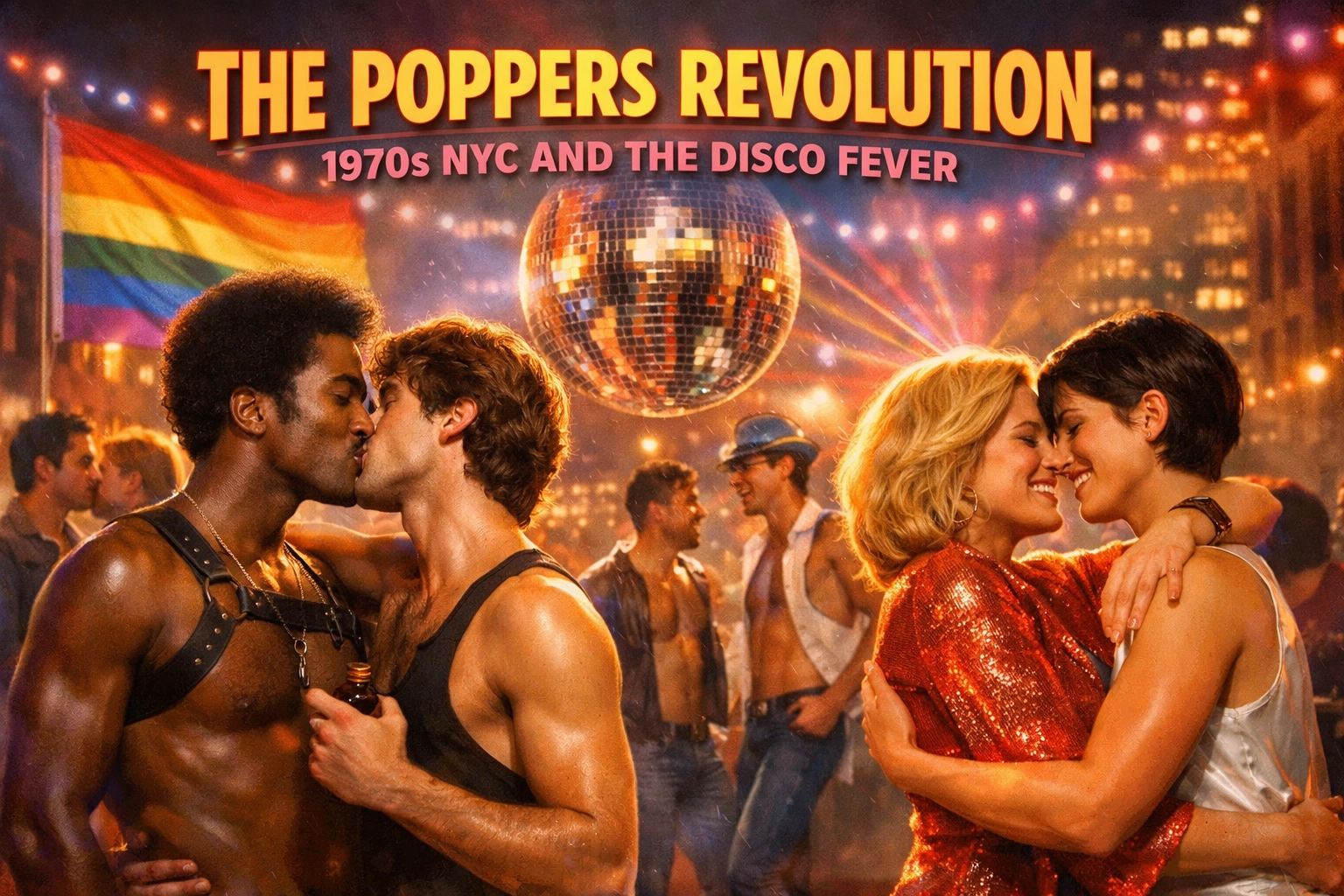
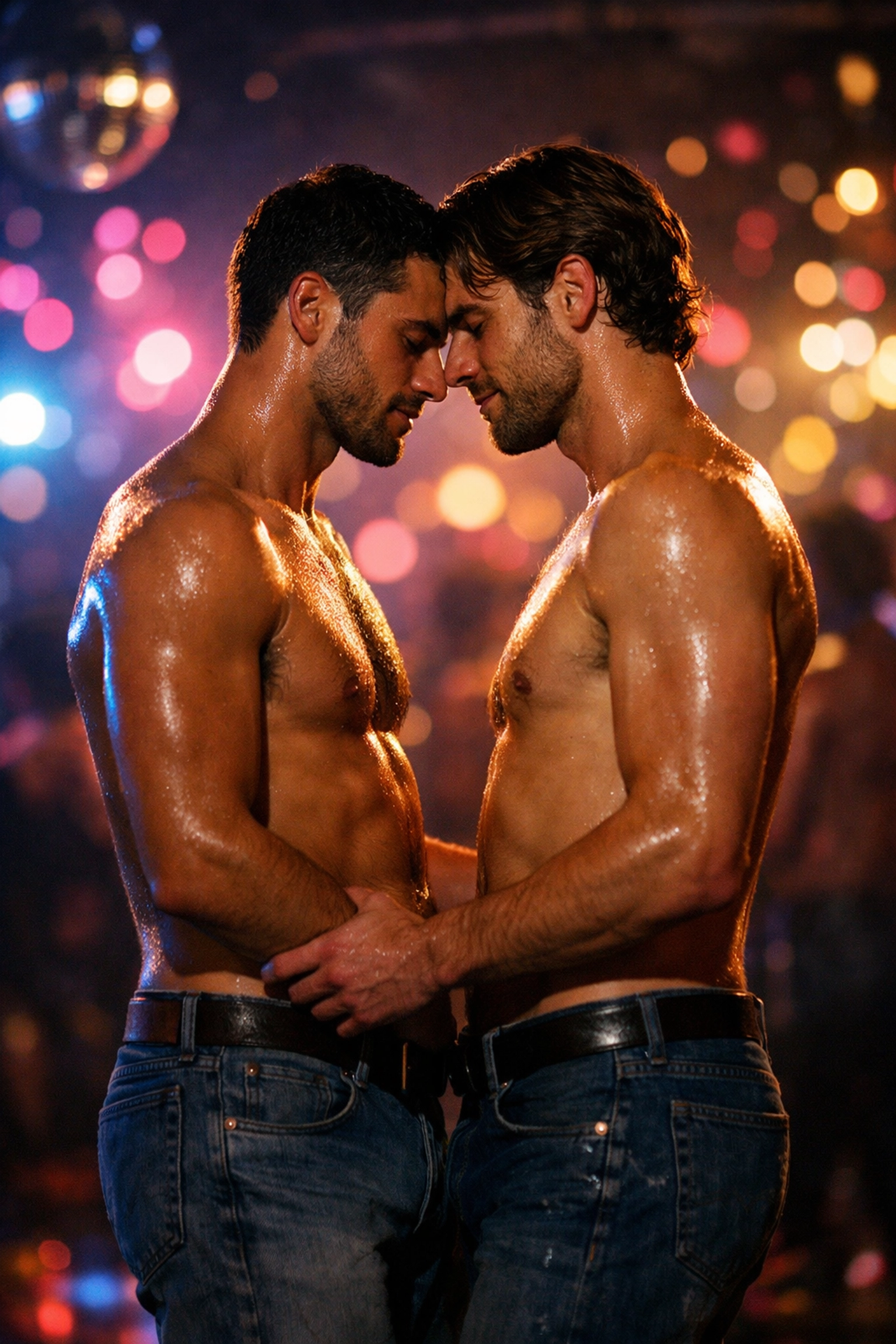
Picture this: It's 1976, you're walking down a Manhattan street at midnight, and the entire block vibrates with music. Disco beats pulse through the pavement, and you can smell the mix of sweat, cologne, and freedom before you even reach the club entrance. Inside, a thousand bodies move as one under a spinning disco ball, and someone passes you a small brown bottle that promises to amplify everything you're feeling. Welcome to the poppers revolution: the moment when gay liberation met the dance floor and created pure magic.
The 1970s in New York City was a different world. Just a few years after Stonewall kicked off the modern LGBTQ+ rights movement in 1969, gay men weren't just demanding respect: they were claiming space, pleasure, and an entirely new culture built on their own terms. And at the heart of it all was disco, drugs, and a little bottle of amyl nitrite that would become synonymous with gay nightlife.
The Liberation Hangover (The Good Kind)
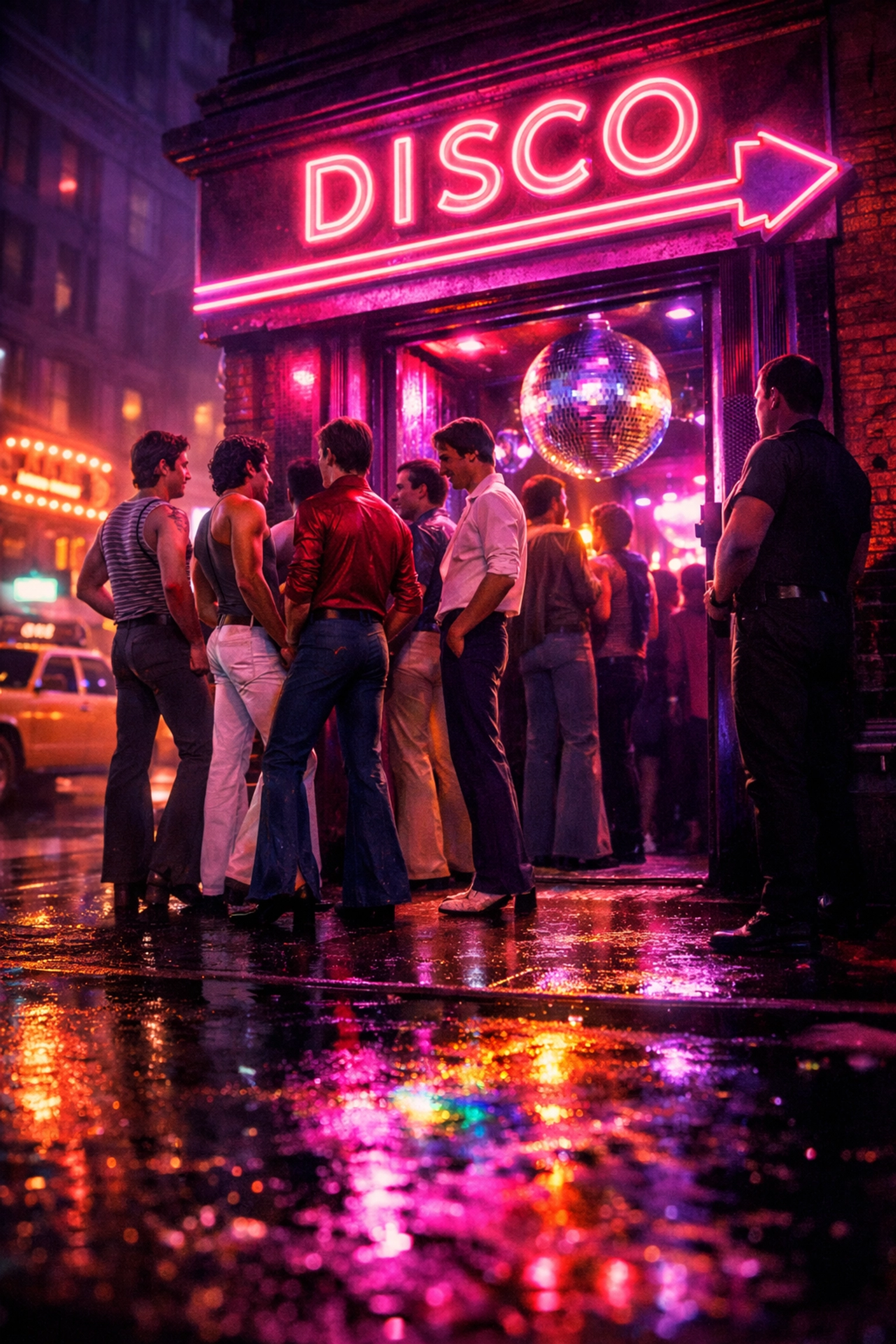
Post-Stonewall NYC wasn't just politically charged: it was sexually charged. After decades of police raids, closeted lives, and social persecution, the gay community was done hiding. The Sexual Revolution of the '60s had cracked open the door, but gay men kicked it wide open in the '70s. Suddenly, there were bathhouses on every corner, backroom bars where anything went, and most importantly, dance clubs where you could be completely, unapologetically yourself.
This wasn't subtle liberation. This was loud, proud, and covered in glitter. The disco movement gave gay culture a soundtrack that the mainstream couldn't ignore, created by gay men, performed by icons who understood what it meant to be different, and danced to by crowds who'd spent their whole lives being told they were wrong. When Gloria Gaynor sang "I Will Survive," it wasn't just a breakup anthem: it was a declaration of war against a society that wanted us dead or invisible.
Enter the Little Brown Bottle
Amyl nitrite, butyl nitrite, and their chemical cousins: collectively known as "poppers": became the unofficial drug of choice for disco-era gay men. Originally developed as a treatment for angina (heart pain), these alkyl nitrites caused blood vessels to dilate, creating a quick rush of euphoria, heightened sensations, and a sense of invincibility that lasted about 30 to 60 seconds.
But here's the thing about poppers: they weren't like other drugs. You didn't smoke them, inject them, or swallow them. You just unscrewed the cap and inhaled. The effect was immediate: a head rush, flushed skin, enhanced music, and a loosening of inhibitions (and muscles, which made them popular for other activities too, if you catch our drift). Most importantly, they were legal. You could buy them at record stores, head shops, and even some nightclubs sold them openly.
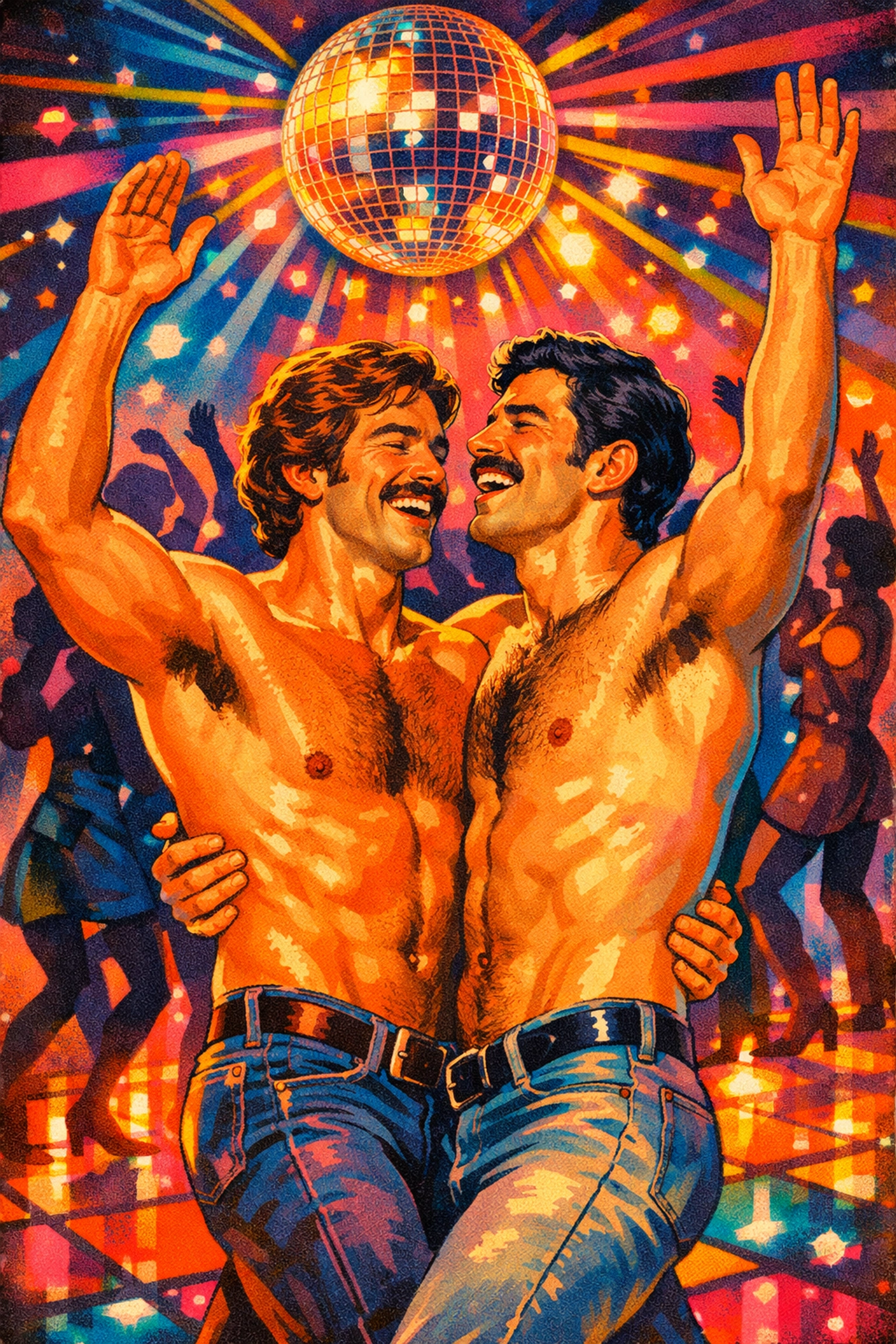
The brands became part of gay culture themselves: Rush, Locker Room, Hardware, Quicksilver. They came in small bottles with provocative names and even more provocative advertising in gay magazines. The marketing was never subtle: everyone knew what these products were really for, and nobody pretended otherwise.
Studio 54 and Beyond: The Palace Walls
When you talk about 1970s disco culture, Studio 54 gets all the glory. And sure, it was legendary: celebrities, models, and socialites rubbing shoulders with drag queens and club kids under that famous moon-with-a-spoon installation. But Studio 54 was actually one of the more mainstream venues. For the hardcore gay disco scene, you needed to go deeper.
The Saint, which opened in 1980, became the ultimate gay disco experience with its massive domed ceiling covered in stars and a sound system that could literally move your internal organs. The Paradise Garage created a devoted following with DJ Larry Levan's marathon sets. The Flamingo became famous for its invitation-only parties where hundreds of shirtless men danced until sunrise. The Mineshaft and The Anvil pushed boundaries even further, combining dance floors with backrooms where sexual liberation wasn't just celebrated: it was practiced.
These weren't just nightclubs. They were sanctuaries. During the day, gay men might face discrimination at work, rejection from families, or harassment on the street. But at night, in these spaces, they were kings. The DJ was the priest, the dance floor was the altar, and poppers were the communion wine of this new religion of liberation.
The Ritual of the Rush
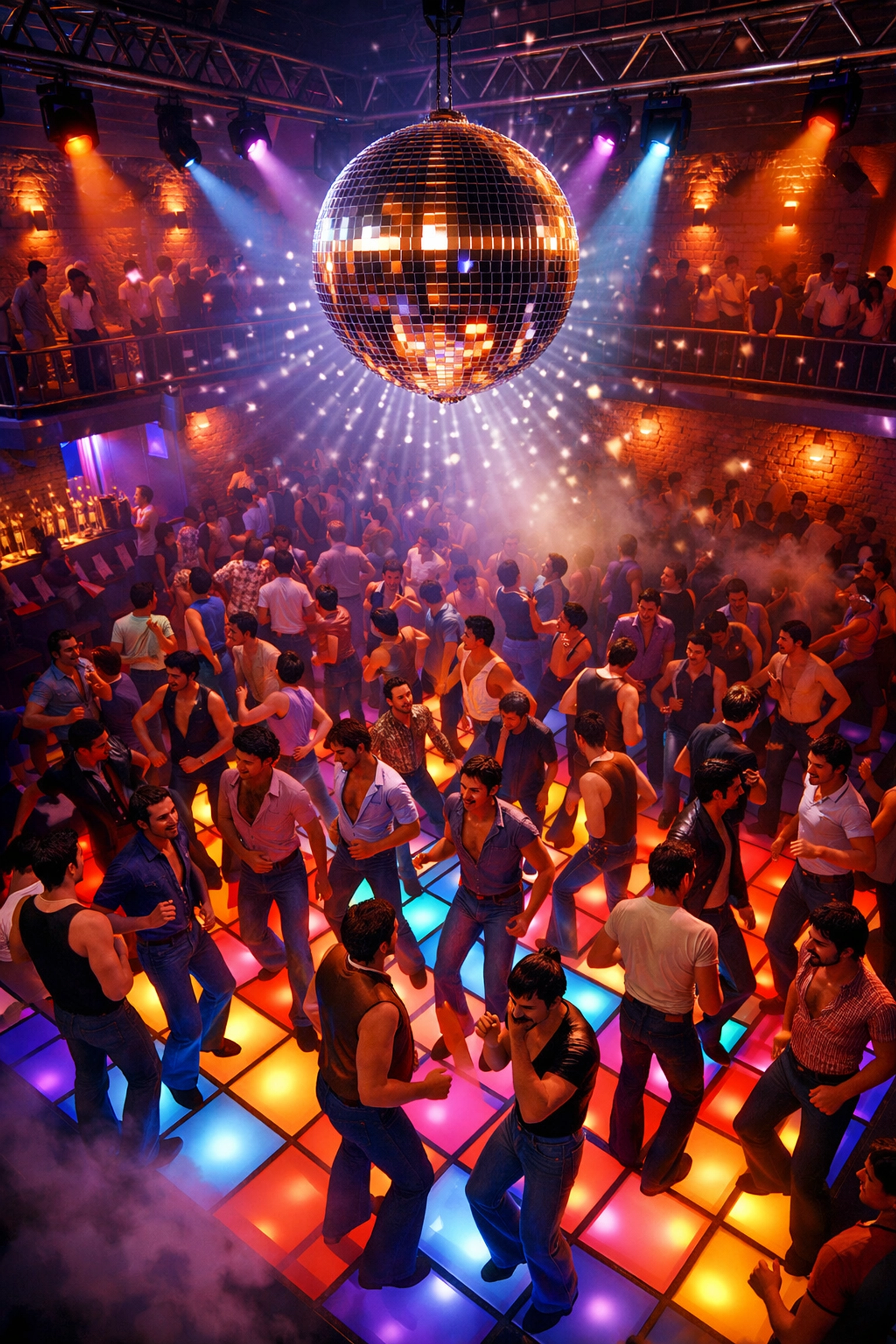
Using poppers became ritualistic. You'd be dancing, surrounded by hundreds of other sweaty bodies, the music building to a crescendo. Someone would produce a bottle from their pocket. You'd take a quick inhale, pass it to your friend, and suddenly the beat dropped harder, the lights became more vivid, and every sensation intensified. The crowd would surge together, moving as one organism, exactly as one observer described it: "like a single, glittering amoeba."
This wasn't about escaping reality: it was about enhancing it. The point was to feel more, connect more deeply with the music and each other. In an era when gay men couldn't hold hands on most city streets without risking violence, the dance floor became a place where physical connection wasn't just allowed: it was the entire point.
Cocaine was there too, of course. So were Quaaludes, marijuana, and plenty of alcohol. The '70s weren't known for moderation. But poppers were different. They were quick, relatively safe, and most importantly, they didn't interfere with dancing. You could hit a bottle at 2 AM and still be moving at 6 AM when the sun started creeping through the warehouse windows.
The Community on the Dance Floor
What made this era so powerful wasn't just the drugs or the music: it was the community. Gay men from all backgrounds came together in these spaces. You had Wall Street bankers dancing next to drag queens, artists mixing with construction workers, closeted married men letting loose next to out-and-proud activists. Economic class, race, profession: none of it mattered under the disco ball.
This was pre-AIDS, pre-internet, pre-everything that would later complicate and fragment gay culture. Meeting someone meant actually meeting them: on the dance floor, in the bathroom line, or in the notorious backrooms that many venues featured. Poppers facilitated connections, both physical and emotional, breaking down the walls that society had built between people.
The music itself was revolutionary. Disco was created largely by gay men, Black artists, and women: all groups that mainstream rock culture had sidelined. Producers like Giorgio Moroder and artists like Sylvester gave gay culture its own sound, one that celebrated sexuality, pleasure, and unashamed joy. When you heard "You Make Me Feel (Mighty Real)" pumping through club speakers, it wasn't just a dance track: it was validation.
Before Everything Changed
Looking back from 2026, it's hard not to see the late '70s through the lens of what came next. By 1981, the first AIDS cases were being reported. By the mid-'80s, that glittering disco paradise had become a graveyard. The bathhouses closed, the backrooms emptied, and that carefree sexual liberation transformed into a fight for survival.
But that's not this story. This story is about the moment before: when everything felt possible, when the future looked brighter than the mirror ball, when a generation of gay men claimed their right to pleasure, community, and freedom. The poppers revolution wasn't really about drugs at all. It was about a community that had been told their desires were shameful, their relationships were sinful, and their very existence was criminal: and responded by creating the most joyous, uninhibited celebration of gay life the world had ever seen.
Those little brown bottles were just the symbol. The real revolution was happening on the dance floor, in the connections being made, in the culture being built, and in the unapologetic claiming of space and pleasure. For a brief, shining moment, the night belonged entirely to us.
The Legacy Lives On
Today's gay nightlife is different: safer in some ways, more complicated in others. But walk into any gay club in 2026, and you'll still feel echoes of that disco era. The music has evolved, the drugs have changed, but that fundamental need for space, community, and unrestrained joy remains exactly the same.
Those disco nights weren't just parties. They were political acts, declarations of existence, and the building blocks of modern LGBTQ+ culture. Every Pride parade, every gay bar, every moment of queer visibility traces its lineage back to those sweaty, poppers-fueled nights when we danced like the world was watching: and decided we didn't care if it was.
Explore more LGBTQ+ history and discover compelling queer stories at readwithpride.com: your destination for MM romance books, gay fiction, and authentic LGBTQ+ content.
#ReadWithPride #LGBTQHistory #DiscoEra #GayHistory #1970sNYC #QueerCulture #MMRomance #GayBooks #LGBTQBooks #QueerFiction #GayRomance #DiscoCulture #StonewalLegacy #GayLiberation #LGBTQPride #QueerHistory #GayLiterature #MMRomanceBooks #GayFiction #ReadwithPride

Leave a Reply
You must be logged in to post a comment.