

readwithpride.com
When the World's Wildest Party Happened in Germany
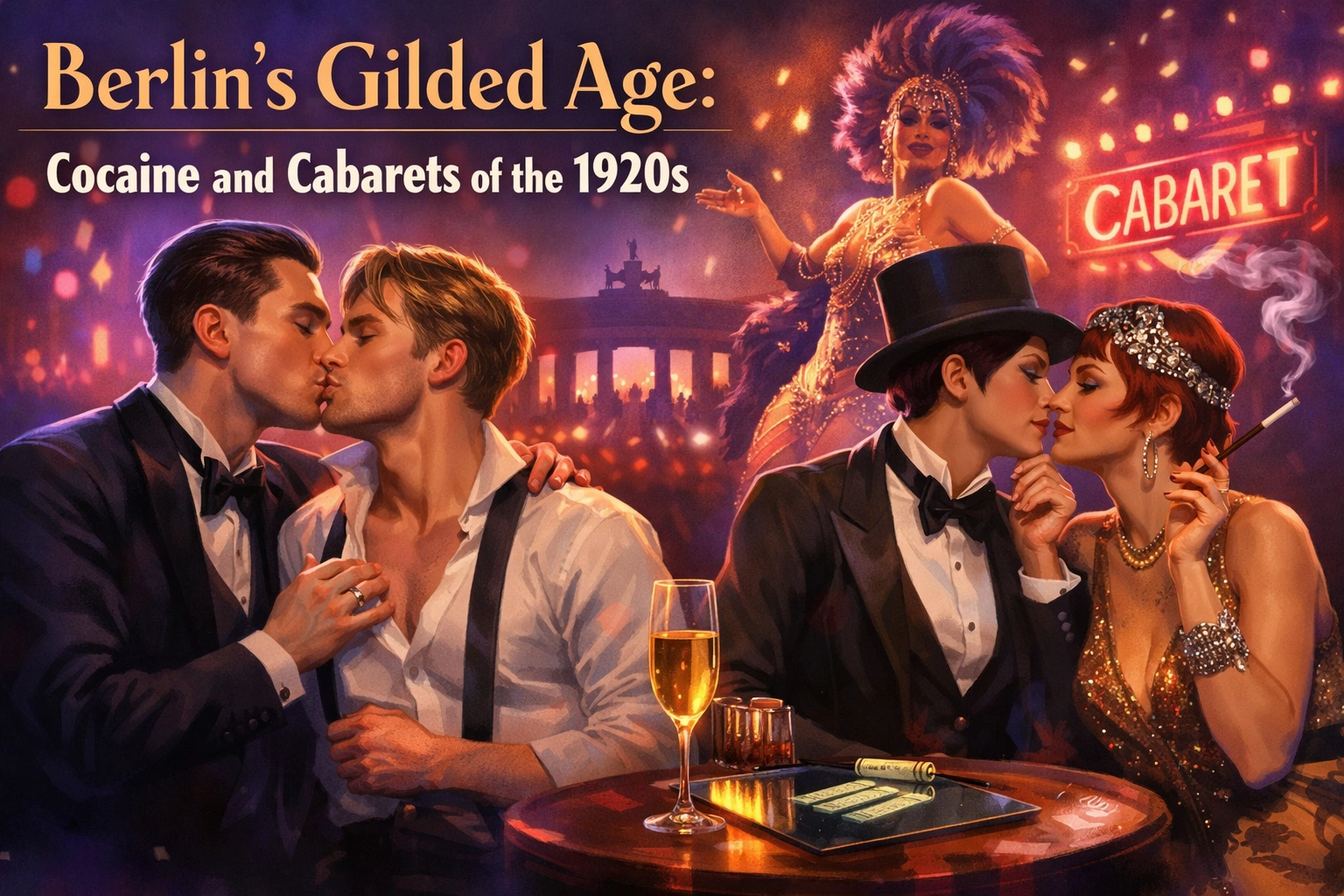
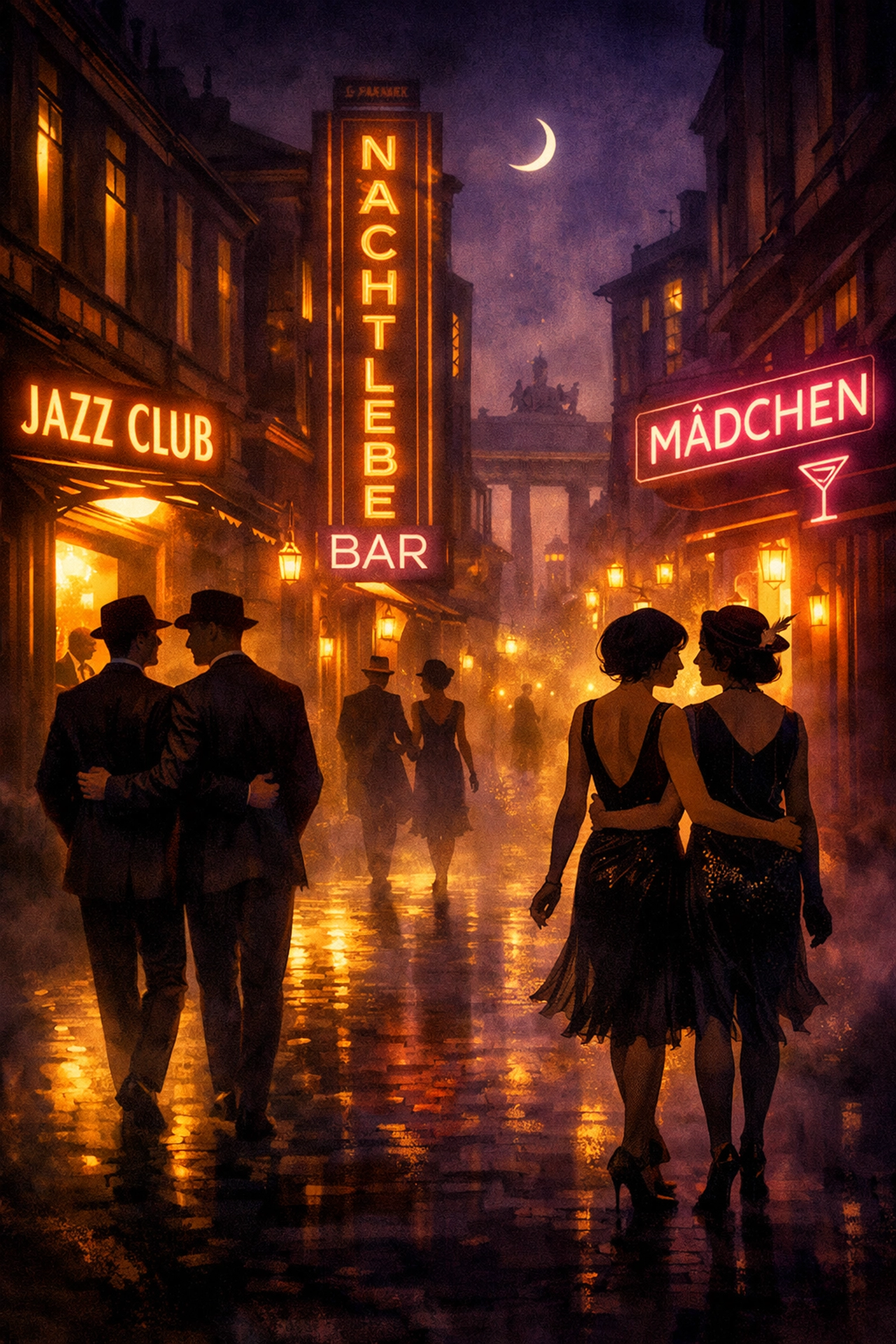
Picture this: It's 1925, midnight in Berlin. The streets pulse with jazz music spilling from every doorway. Men in tuxedos dance with men in dresses. Women kiss women in dimly lit corners. Cocaine lines disappear from silver trays. And nobody, absolutely nobody, gives a damn what anyone thinks.
Welcome to Weimar Berlin, the queerest, wildest, most gloriously debauched party the modern world had ever seen. For one brief, shining, chaotic decade between the wars, Berlin became the global capital of everything your grandmother warned you about. And for LGBTQ+ people? It was nothing short of revolutionary.
The Perfect Storm of Freedom
The 1920s in Berlin didn't just happen by accident. Germany had lost World War I, the economy was in shambles, inflation made money basically worthless, and traditional values had been blown to pieces along with everything else. When society collapses, sometimes magic happens in the rubble.
The new Weimar Republic's constitution was surprisingly progressive. Homosexuality, while technically illegal under Paragraph 175, was rarely prosecuted in Berlin. Police largely looked the other way. And when you're fighting to put food on the table, who cares what consenting adults do in their bedrooms, or in public, for that matter?
This created a unique situation: queer people could live openly in ways that wouldn't be seen again for decades. We're talking about a time when London, Paris, and New York were still firmly in the closet, but Berlin had gay bars, lesbian clubs, drag shows, and openly queer publications.
Cocaine: The Drug of Choice
Let's talk about the elephant, or rather, the white powder, in the room. Cocaine was everywhere in 1920s Berlin. And I mean everywhere. It wasn't just available; it was fashionable, affordable, and completely unregulated.
Street dealers openly sold cocaine on major thoroughfares. You could buy it at bars, cabarets, even from cigarette girls. The quality varied wildly, sometimes mixed with everything from baby powder to actual poison, but that didn't stop anyone. Berlin consumed more cocaine per capita than any other city in the world.
Why cocaine specifically? It was the perfect drug for the era. It made you confident, energetic, sexually uninhibited, and ready to dance until dawn. In a city that never slept, where the cabarets didn't close and the parties rolled from Thursday to Monday, cocaine was fuel for the fire.
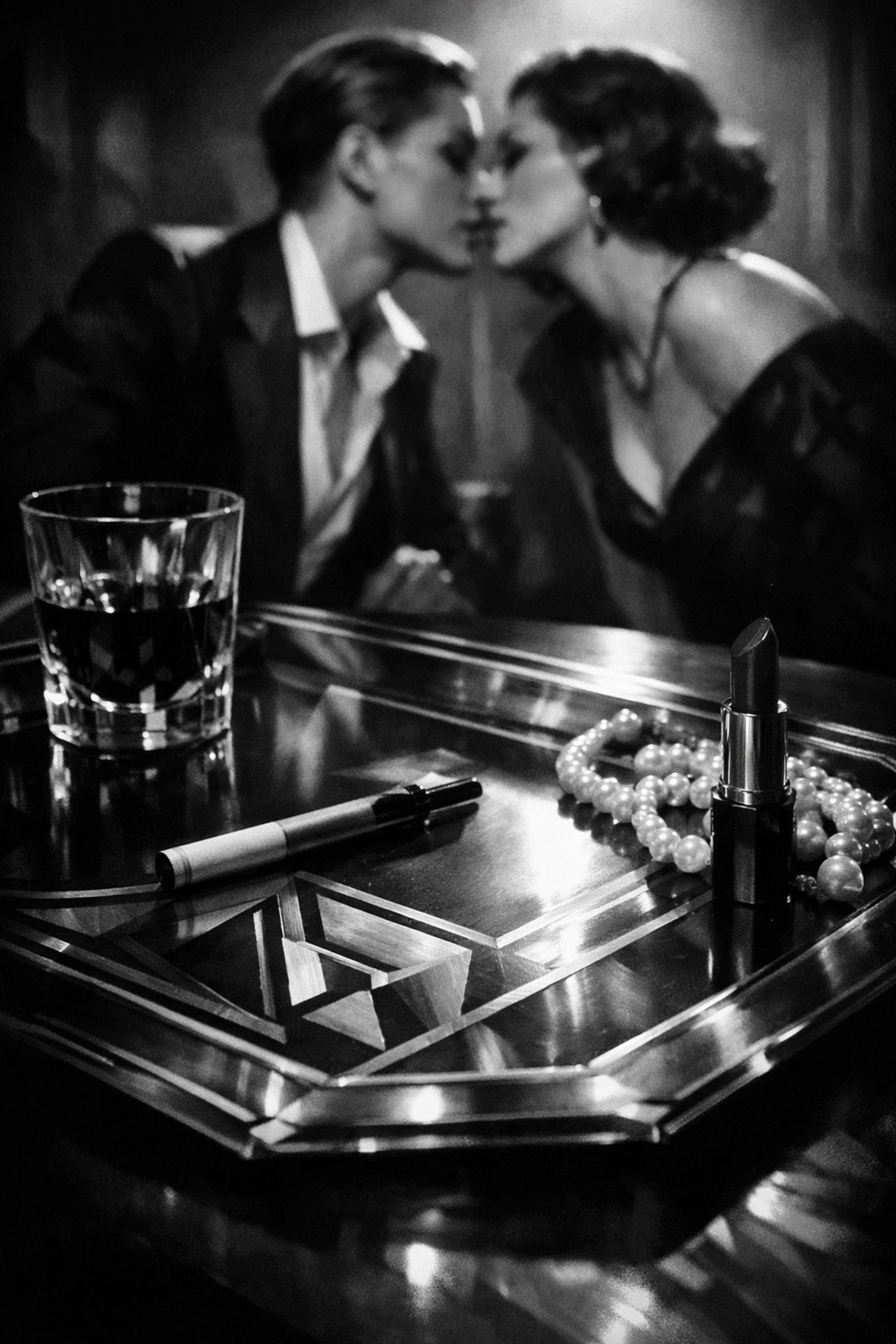
For queer folks, cocaine served another purpose: liquid courage in powder form. Coming out, expressing yourself, being visible, these acts still took bravery. A little chemical confidence helped. The drug erased inhibitions and made the impossible feel possible.
Of course, addiction was rampant. Overdoses happened regularly. People lost everything chasing the high. But in a city teetering on the edge of economic collapse, where yesterday's millionaire was today's beggar thanks to hyperinflation, what did anyone have to lose?
Cabaret: Where the Magic Happened
The heart of Berlin's queer nightlife beat loudest in the cabarets. These weren't your great-aunt's dinner theater productions. Berlin's cabarets were raw, raunchy, political, and unapologetically queer.
The Eldorado was perhaps the most famous gay cabaret, where men danced with men, drag queens performed, and heterosexuals came as tourists to gawk at the spectacle. But the queer clientele didn't care, they were too busy dancing, drinking, and living their truth.
The Silhouette catered to lesbians and featured women in sharp tuxedos seducing women in glittering gowns. The Mikado offered everything from high art to low comedy, with a healthy dose of political satire that would get you arrested in most other European cities.
These venues weren't just entertainment spaces; they were community centers. They were where you found lovers, made friends, networked for jobs, got the latest gossip, and felt like you belonged. They were church, therapy, and Grindr rolled into one.
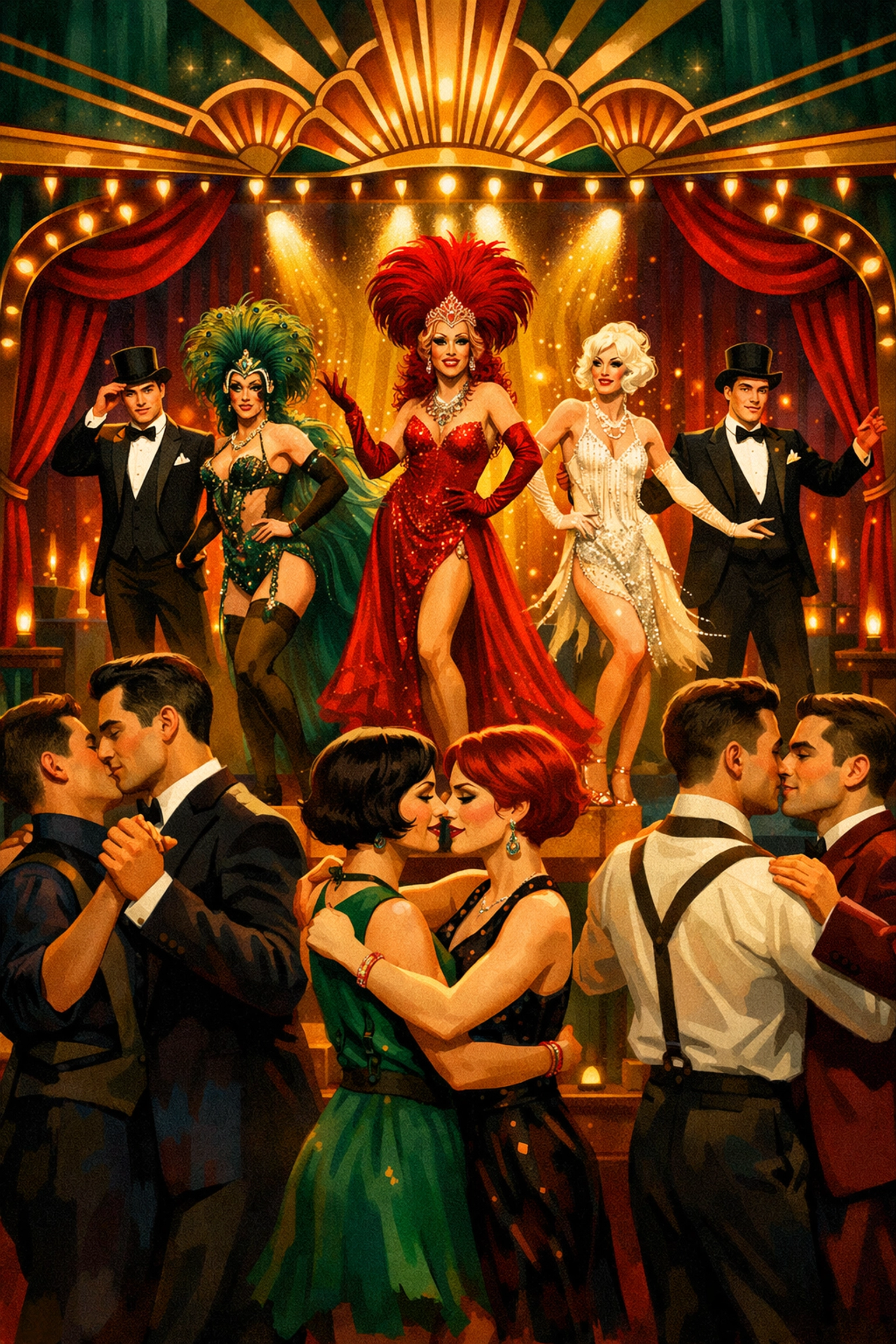
Performers pushed every boundary. Drag wasn't just accepted; it was celebrated art. Gender fluidity was the norm, not the exception. Sexual themes that would shock audiences today were standard fare. And the music? A intoxicating blend of American jazz, German expressionism, and pure, unfiltered sexuality.
The Institute for Sexual Science: Academia Meets Activism
Not everything happened in the cabarets. Dr. Magnus Hirschfeld, a pioneering gay Jewish sexologist, opened the Institute for Sexual Science in 1919. This groundbreaking facility offered counseling, education, research, and support for LGBTQ+ people.
Hirschfeld performed some of the first gender confirmation surgeries in the world. He documented thousands of case studies of LGBTQ+ individuals. He fought legally and politically for the repeal of Paragraph 175. His institute had a massive library of queer literature and history, materials gathered from around the world.
This was revolutionary. While other countries pretended homosexuality didn't exist or was a mental illness requiring "cure," Berlin had a legitimate scientific institute dedicated to studying and supporting sexual and gender minorities.
The institute became another gathering place for the queer community. People came from across Europe seeking Hirschfeld's help. It represented the intellectual, academic side of Berlin's queer revolution, proof that this wasn't just about parties and drugs, but about human rights and dignity.
Sex, Everywhere and Always
Berlin in the 1920s was aggressively, unapologetically sexual. Gay men cruised openly in parks, bathhouses, and train stations. Lesbian couples strolled arm-in-arm down major boulevards. Sex workers of all genders and orientations operated in designated tolerance zones.
The city had over 100 gay and lesbian bars by the mid-1920s. Publications like "Die Freundschaft" (The Friendship) and "Das Dritte Geschlecht" (The Third Sex) were sold openly on newsstands. You could find queer erotica, nude photography, and explicit literature in regular bookshops.
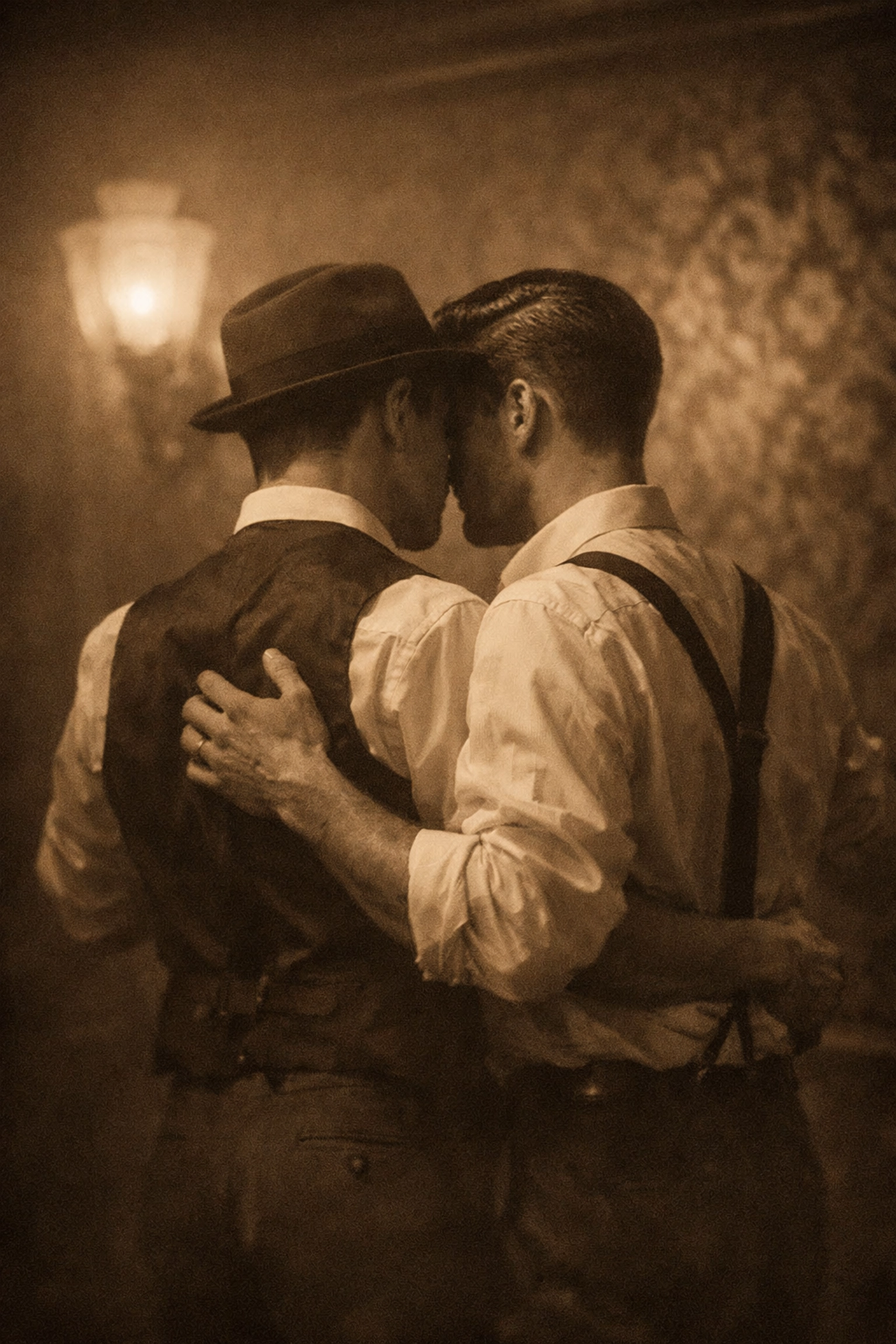
This sexual freedom intersected with the drug culture in predictable ways. Cocaine lowers inhibitions and increases libido. Add alcohol, dim lighting, pulsing music, and a community that had been repressed for centuries, and you get… well, you get stories your conservative uncle definitely doesn't want to hear at Thanksgiving.
But here's what's important: this wasn't just hedonism for hedonism's sake. This was freedom. For the first time in modern history, queer people could explore their sexuality without fear. They could experiment, make mistakes, find themselves, and live authentically.
The Party Ends
Of course, all parties end. Berlin's ended brutally.
When the Nazis came to power in 1933, one of their first acts was raiding Hirschfeld's Institute for Sexual Science. They burned tens of thousands of books and research materials in the street: those iconic photos of Nazi book burnings? Many were from the institute. Hirschfeld himself was lecturing abroad and wisely never returned.
The cabarets were shut down. Gay bars were raided. LGBTQ+ people were arrested, sent to concentration camps, murdered. The pink triangle badges that gay men were forced to wear in the camps originated from this persecution. Berlin's queer utopia was systematically destroyed.
That decade of freedom became a memory, then a myth, then: for too long: nearly forgotten history. Many survivors never spoke of those years, traumatized by what came after. The story of queer Berlin was nearly erased.
Why This Matters Today
Berlin's 1920s teach us several crucial lessons. First, queer liberation isn't linear. Progress can be reversed. Rights can be taken away. We must remain vigilant and active in defending our freedoms.
Second, community matters. Those cabarets weren't just nightclubs; they were survival networks. They were proof that we exist, that we deserve space, that we're not alone.
Third, visibility has power but also risk. Berlin's openly queer culture was revolutionary, but it also made the community easy to target when the political winds shifted.
And finally? The intersection of substance use and LGBTQ+ culture isn't new, and it's complicated. While cocaine fueled Berlin's nightlife, it also destroyed lives. As we navigate our own relationships with alcohol and drugs today, we can learn from history without repeating its worst mistakes.
The stories of 1920s Berlin remind us what's possible when society loosens its grip: and what can be lost when fascism takes hold. At Read with Pride, we believe in preserving these histories, celebrating queer resistance, and learning from our past.
If you're interested in more LGBTQ+ historical stories, check out our collection of gay historical romance and MM novels that explore similar themes of freedom, struggle, and resilience. Because understanding where we've been helps us fight for where we're going.
Follow us for more queer history and MM romance recommendations:
Facebook: Read with Pride
Instagram: @read.withpride
X/Twitter: @Read_With_Pride
Website: readwithpride.com
#ReadWithPride #LGBTQHistory #QueerHistory #BerlinHistory #WeimarEra #GayHistory #MMRomance #GayRomanceBooks #LGBTQFiction #QueerFiction #GayBooks #HistoricalLGBTQ #1920sBerlin #QueerLiberation #GayLiterature #MMNovels #LGBTQBooks #GayHistoricalRomance #QueerCulture #PrideHistory

Leave a Reply
You must be logged in to post a comment.