

readwithpride.com
When you think of Amsterdam today, you probably picture picturesque canals, tulips, and a famously liberal attitude toward… well, pretty much everything. But long before the city became synonymous with tolerance and freedom, Amsterdam was quietly writing a revolutionary chapter in LGBTQ+ history that most people have never heard about. While the rest of Europe was still clutching its pearls, Amsterdam was pioneering something that would fundamentally change gay nightlife forever: the backroom.
Let's set the scene. It's the mid-1950s, and homosexuality is still illegal or heavily stigmatized across most of Europe. Gay men are meeting in shadowy parks, public toilets, and discrete corners of otherwise "respectable" establishments. The idea of openly gay spaces: let alone places where men could actually have sex: was practically unthinkable. But Amsterdam was about to change all that.
The Birth of Europe's First Dark Room
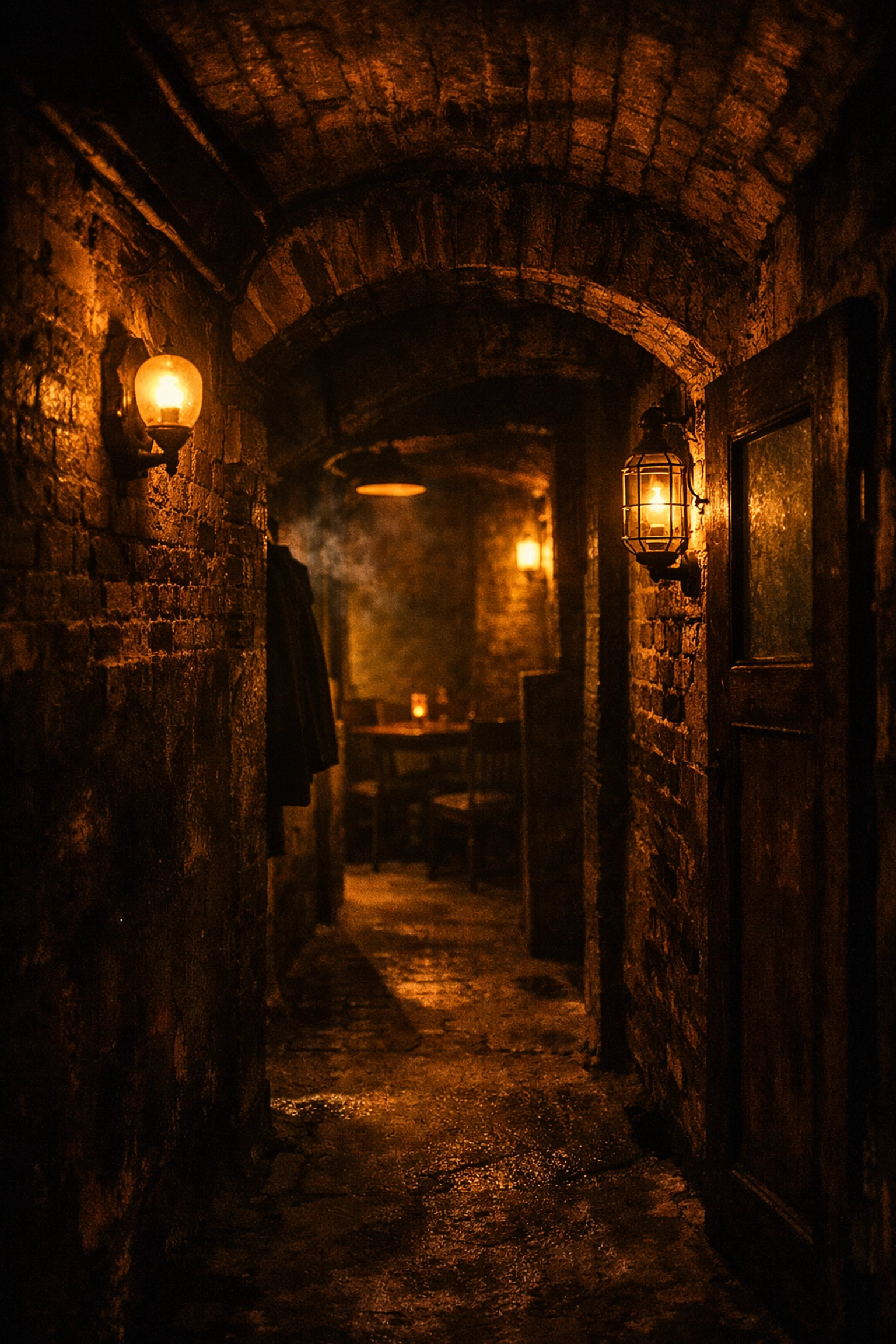
Enter Hotel Tiemersma, an unassuming establishment that would go down in history as the site of Europe's first leather bar. Opening its doors around 1955, Hotel Tiemersma wasn't just breaking ground: it was smashing through it with a sledgehammer wrapped in leather.
The hotel's basement was where the magic happened. There was a passage connecting a storage room and a toilet, and this seemingly mundane corridor became Amsterdam's first dark room. Now, if you're not familiar with the term, a "dark room" or "backroom" was exactly what it sounds like: a dimly lit or completely dark space within a gay venue where men could engage in anonymous sexual encounters. Revolutionary? Absolutely. Scandalous? By 1950s standards, it was practically apocalyptic.
What made Hotel Tiemersma particularly interesting was that the hotel rooms themselves couldn't be locked securely. This wasn't exactly the Ritz, darling. The hotel functioned primarily as a venue for: and I'm quoting historical sources here: "easy, heavy and masculine gay sex." The basement passage became the epicenter of this activity, offering a level of anonymity and safety that simply didn't exist anywhere else in Europe at the time.
The leather bar at Hotel Tiemersma was also Europe's first, with the leather culture being imported directly from England. Amsterdam became the first continental European city to embrace this subculture, which was all about masculinity, dominance, and rejecting the effeminate stereotypes that mainstream society tried to impose on gay men. It was defiant, it was bold, and it was unapologetically sexual.
The Argos Bar: Taking It Inside
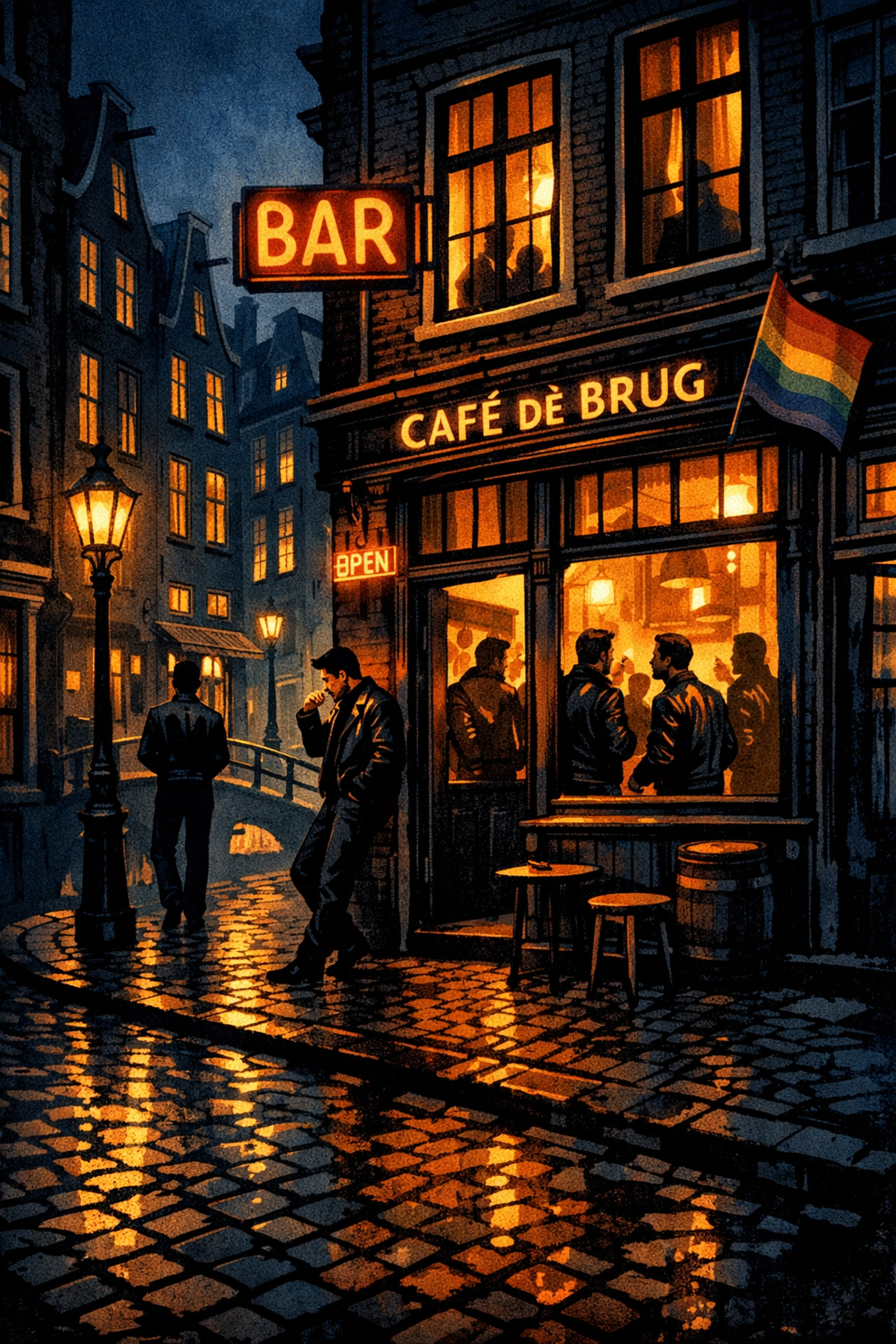
If Hotel Tiemersma was the spark, then the Argos bar was the explosion. Opening at the end of the 1950s in the Heintjehoeksteeg: conveniently located near Hotel Tiemersma: the Argos marked a seismic shift in Amsterdam's gay scene.
Here's what made the Argos so groundbreaking: it was the first establishment where sex actually took place inside the bar itself. Let that sink in for a moment. Before the Argos, even the most liberal gay bars in Amsterdam maintained a "decent" appearance. Sure, they might have employed male hustlers who could facilitate sexual encounters, but those encounters happened elsewhere: in the streets, in hotel rooms, anywhere but on the actual premises.
The Argos said "screw that" (quite literally) and integrated sexual activity directly into the venue. This wasn't just about convenience or pushing boundaries for the sake of it. This was about creating genuinely safe spaces where gay men could express their sexuality without fear, without shame, and without having to venture into potentially dangerous public spaces.
Think about what life was like for gay men in the 1950s. Being caught in a "homosexual act" could mean arrest, imprisonment, loss of employment, social ostracism, or worse. Public cruising spots like parks and public toilets were constantly monitored by police. The Argos offered something radical: four walls, a community, and the ability to be yourself without constantly looking over your shoulder.
A Cultural Revolution in the Making
The development of Amsterdam's backroom culture didn't happen in a vacuum. It was part of a broader transformation in how the city: and gradually, the world: understood and accommodated LGBTQ+ sexuality.
Prior to venues like Hotel Tiemersma and the Argos, the gay scene operated on a kind of don't-ask-don't-tell policy. Bars could exist as long as they kept things "respectable" on the surface. The sexual component of gay life was pushed into the shadows, into parks and alleyways and temporary encounters with hustlers. It was fragmented, dangerous, and shame-inducing.
What Amsterdam's pioneering venues did was acknowledge a simple truth: gay men wanted sexual spaces. Not because they were deviant or oversexed, but because sexuality is a fundamental part of human experience, and everyone deserves spaces where they can express that safely. By creating institutionalized backrooms, Amsterdam was saying that gay sexuality deserved the same dignity, safety, and community infrastructure as any other aspect of human intimacy.
This shift eventually led to the development of bathhouses in Amsterdam, which took the concept even further. The progression from hidden passage to bar backroom to dedicated bathhouse represents a journey from shame to acceptance, from danger to safety, from isolation to community.
The Global Impact
What started in a basement passage in Amsterdam spread across Europe and eventually the world. The backroom became a staple of gay nightlife in cities from San Francisco to London, from Berlin to New York. Each city developed its own variation, its own rules and culture, but they all owed a debt to those early Amsterdam pioneers.
The backroom culture of the 1970s and 80s became particularly legendary. This was before the AIDS crisis changed everything, a time when sexual liberation felt like the ultimate expression of gay freedom. Amsterdam's venues were at the forefront of this movement, continuing to innovate and provide spaces where men could connect sexually and emotionally.
Of course, the AIDS crisis of the 1980s forced a reckoning with sexual culture in the LGBTQ+ community. Backrooms didn't disappear, but they evolved. Safe sex education became integrated into these spaces, and the community had to grapple with how to maintain sexual freedom while protecting health. Amsterdam's venues were often leaders in this adaptation too, proving that sexual liberation and responsibility weren't mutually exclusive.
Why This History Matters
Today, when we can pull up Grindr and arrange a hookup in minutes, it's easy to forget how revolutionary these physical spaces were. But backrooms weren't just about sex: they were about community, belonging, and resistance. They were spaces where gay men could be fully themselves, where masculinity could be celebrated in all its forms, where anonymity could be liberating rather than shameful.
Amsterdam's role in pioneering this culture represents something larger than just bars and backrooms. It represents a city that was willing to acknowledge and accommodate gay sexuality when the rest of Europe was still pretending it didn't exist. It represents a community that refused to be pushed into the shadows, that demanded spaces of their own, that created infrastructure for sexual freedom decades before mainstream society was ready to accept it.
The legacy of Hotel Tiemersma and the Argos lives on not just in Amsterdam, but in every gay bar with a dark corner, every bathhouse, every space where LGBTQ+ people can express their sexuality safely and without shame. These early pioneers proved that visibility, safety, and sexual freedom weren't mutually exclusive: they were all necessary components of true liberation.
For more LGBTQ+ history and stories that celebrate our community's incredible journey, visit Read with Pride. Whether you're into MM romance books, gay fiction, or simply want to explore more queer narratives, we've got the stories that honor where we've been and celebrate where we're going.
#LGBTQHistory #GayHistory #AmsterdamPride #QueerCulture #BackroomCulture #GayCruising #LeatherCulture #LGBTQRights #GayLiberation #ReadWithPride #MMRomance #QueerFiction #GayBooks #LGBTQLiterature #GayRomanceBooks #PrideHistory #QueerCommunity #GayNightlife #LGBTQStories
Follow us on Facebook, Instagram, and X/Twitter for more incredible LGBTQ+ stories and book recommendations.

Leave a Reply
You must be logged in to post a comment.